Miz Chef

Cooking Up a Healthy Life


2 Comments

Meskouta (Moroccan Orange-Almond-Yogurt Cake)

The past few months, I’ve been working on a special project, which led me down the road of Moroccan cuisine and ended up at Meskouta. Meskouta is a traditional cake, usually made with yogurt (although I’ve seen a few recipes that did not use it). This is also known as “butterless cake” because it was created during the French/Spanish colonization in the early part of the 20th century, a period when butter was scarce and expensive.

There are many variations, the most popular of which is an orange version, which also seemed to frequently be the one that did not have yogurt in it. I also found some recipes that used almond flour and others that did not.

In the end, I took the elements that I wanted and created an entirely new version. Here it is.

Meskouta (Orange-Almond-Yogurt Cake)

 Makes 8 to 10 servings.

Meskouta

Meskouta

1 cup all-purpose flour
1/3 cup finely ground almonds
2 teaspoons baking powder
¼ teaspoon cardamom
¼ teaspoon salt
2 large eggs
¾ cup sugar
¼ cup olive oil (not extra virgin)
1 cup plain yogurt
¼ cup freshly squeezed orange juice
1/2 teaspoon orange blossom water or orange extract
1 tablespoon orange zest

Orange Syrup:
¼ cup freshly squeezed orange juice
¼ teaspoon cinnamon
2 tablespoons sugar

Garnish:
Orange strips
¼ cup almond slivers

Grease an 8- or 9-inch Bundt pan and set aside. Preheat oven to 350 degrees F.

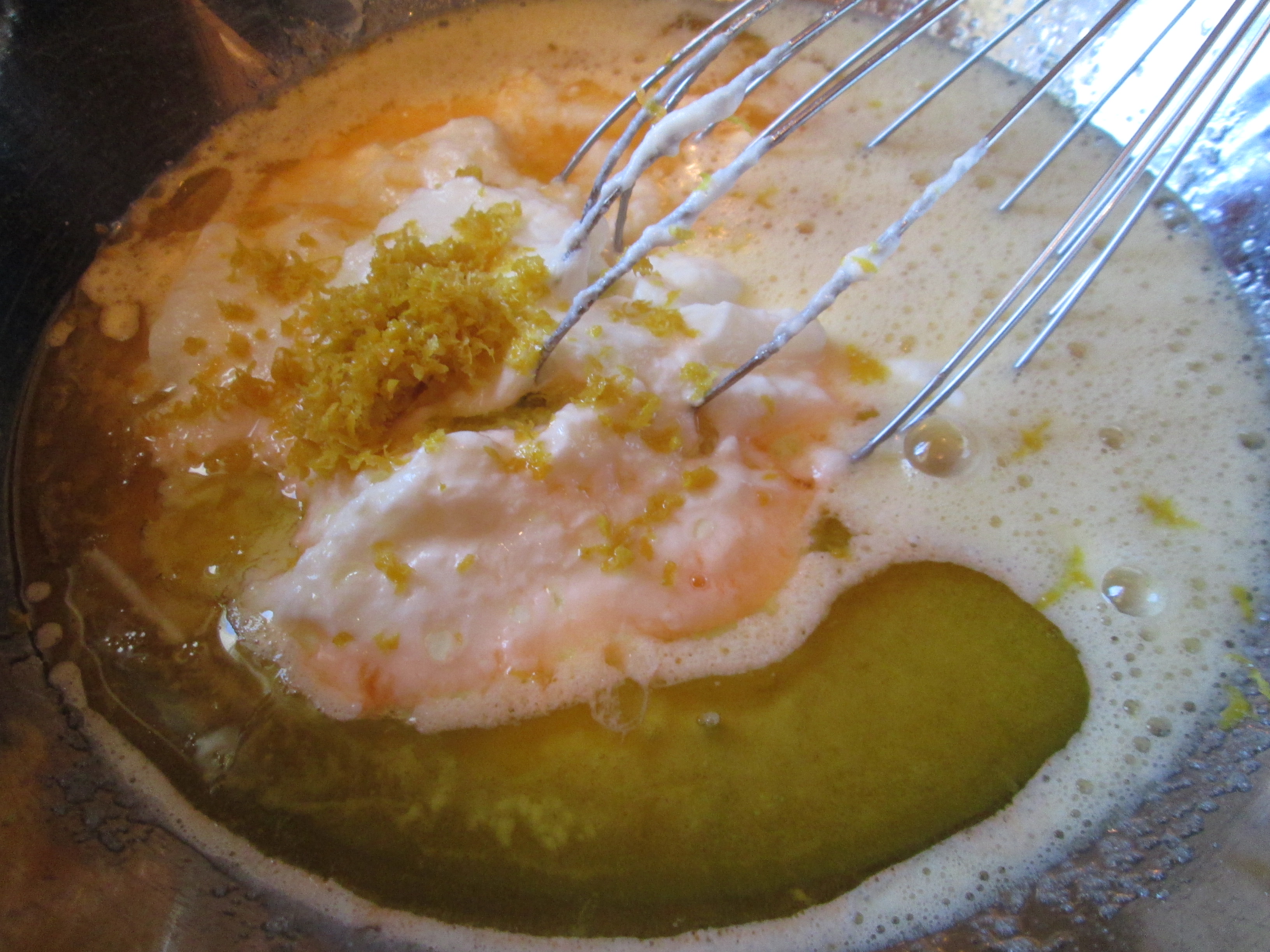
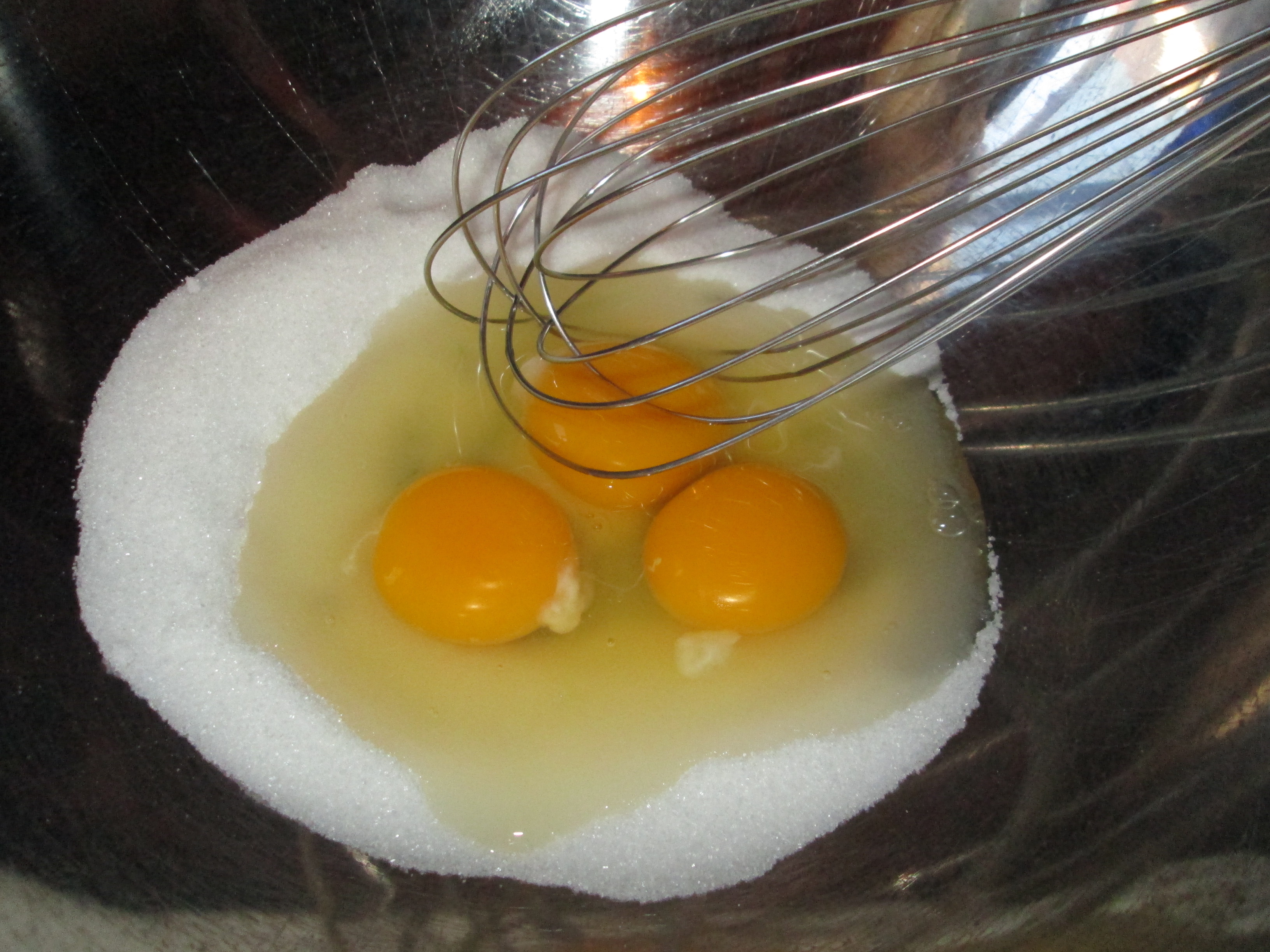
In a medium bowl, whisk together flour, almonds, baking powder, cardamom, and salt. In a large bowl, whisk together eggs and sugar; add oil and yogurt, then add orange juice, blossom water or extract, and zest and blend.

IMG_1166IMG_1167

Add dry ingredients to wet and mix just until fully blended.

IMG_1169

Pour into Bundt pan and bake 45 to 60 minutes. A toothpick inserted into the center should come out clean. Remove from oven and let cool 5 minutes. Invert it onto a cooling rack and let cool completely.

IMG_1170IMG_1172

Meanwhile, make the syrup. Whisk together juice, cinnamon, and sugar in a small bowl.

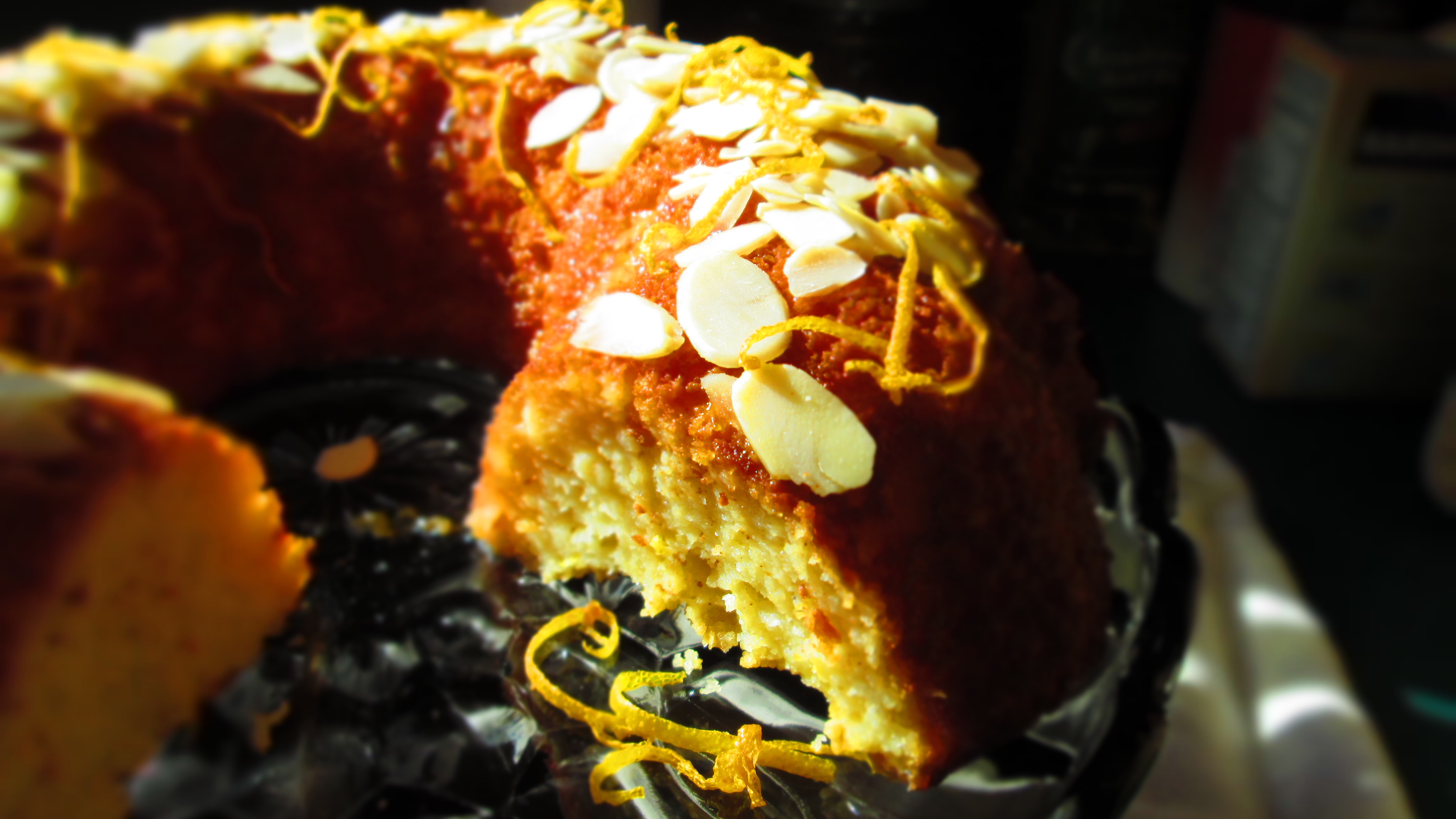
When cake is cooled, poke holes all over the top with a toothpick or skewer. Pour syrup over the cake, letting it absorb. Sprinkle almond slivers over the top and decorate with orange slivers, if you like.

Refrigerate leftovers.

IMG_1188


2 Comments

Kantola Secret

Okay, that was a very bad play on words. Forgive me. But kantola is a secret, at least to the Western world.

Kantola

Kantola

Kantola, also known as spiny gourd, is a member of the gourd family and is used mainly in India and parts of South Asia. I saw them in my favorite Indian market and was fascinated. I bought a few and looked up how to use them.

Most recipes I found called for slicing and frying them, or, occasionally, boiling them. I decided to fry them for my first experiment, but kept the spices to a minimum, since I wanted to taste their natural flavor. I added a little salt, a bit of crumbled chile flakes, and a dash of turmeric, since that seems to be the spice de rigueur for this vegetable. Some sources said to peel them, while others said not to peel them. I peeled a couple and found it to be tedious because they’re so small. In the end, the skin was not an issue.IMG_1254

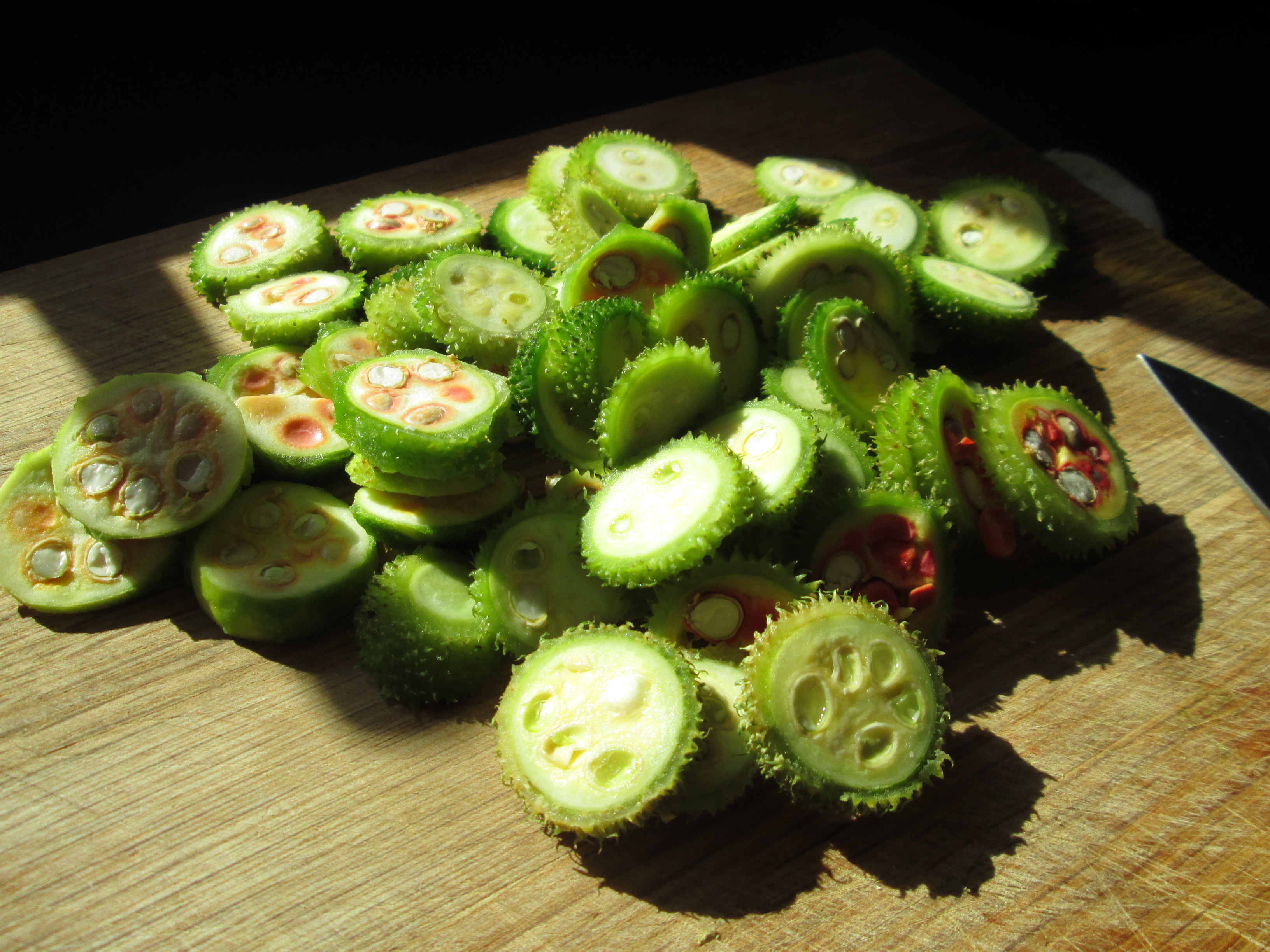
So, I sliced up the kantola and, as you can see, they have seeds very much like squash or cucumber (also part of the gourd family).IMG_1256

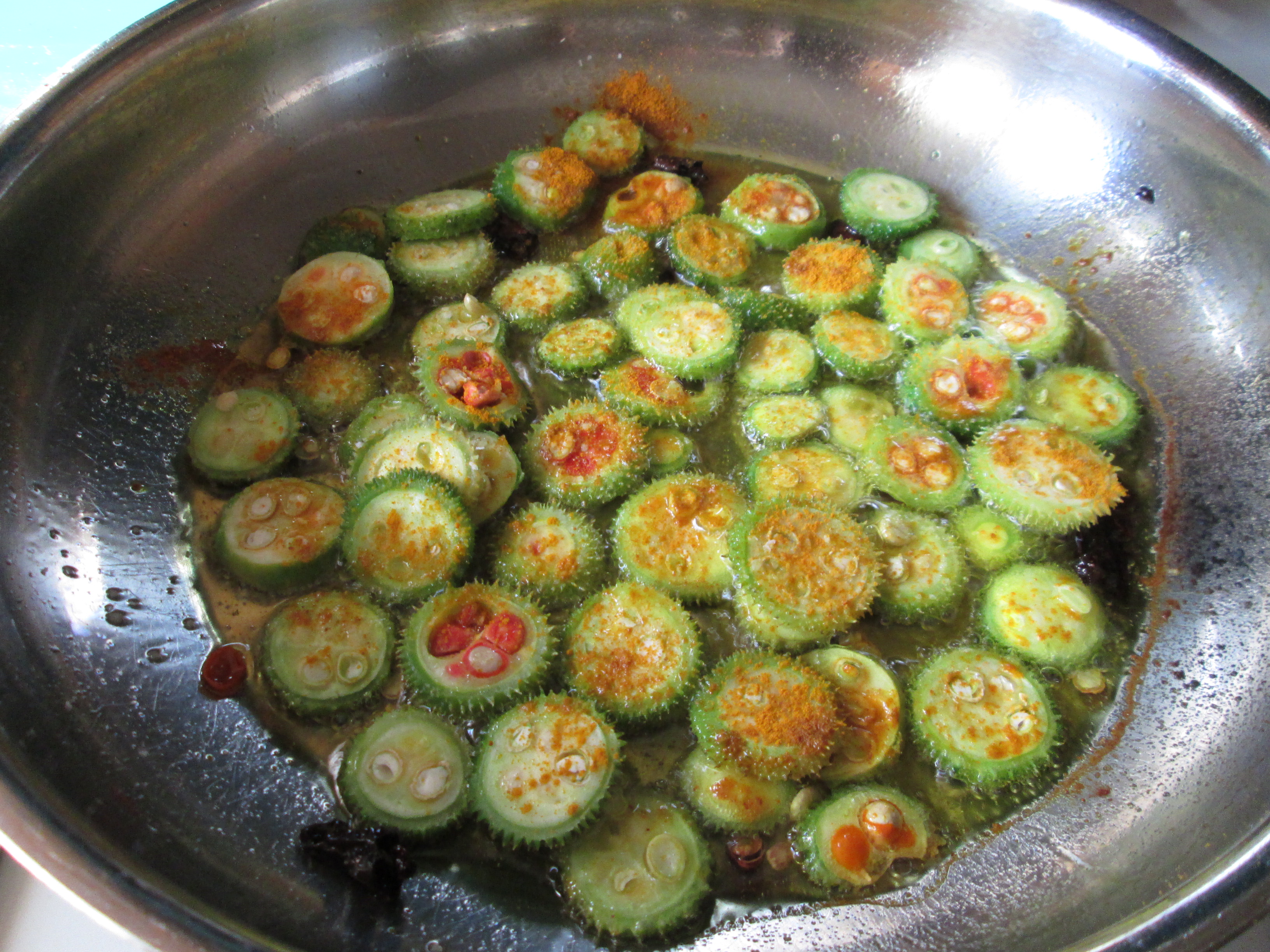
I heated up some oil (I found this extra virgin olive oil-sunflower oil and I wanted to give I a try). I toasted the chile flakes, then added the kantola and, after a minute, the seasonings. Then I transferred them to a paper towel to drain.IMG_1257

And you know what? They tasted like—surprise—fried squash. The flavor was very mild, although a few had a slightly bitter aftertaste, but it wasn’t unpalatable.

IMG_1258

So, that was my timid first adventure with kantola. I’m going to go get some more and just go crazy. Maybe I’ll even mix them with other ingredients!


Leave a comment

Jamaican Black Cake, aka Christmas Cake

As stunned as I am that it’s late September, I have to face the fact that summer is over. With that comes the realization that it’s time to start my Jamaican black cake, which is also called Christmas cake.
Jamaican Black Cake

Jamaican Black Cake

Several years ago, a co-worker, who was from Jamaica, introduced me to black cake and I asked her for a recipe, which I shared on Epicurean.com. It’s a tradition in Jamaica (and other parts of the West Indies) to serve this cake at Christmas, as well as weddings and other special occasions.

The problem is that in order to get a really good black cake, you have to begin the process at least several weeks in advance, and who’s thinking about Christmas in September? (Okay, well, many of you probably start your Christmas shopping in July, but the way my life has been going the past several years, my thoughts about Christmas have had me on the brink of nervous breakdowns trying to find gifts on Christmas Eve.)

Black cake/Christmas cake is also sometimes called plum pudding because it’s derived from the traditional British Christmas cake of the same name. Plum pudding is basically fruit cake and it was soaked in brandy to keep it fresh on long voyages across the seas. (Plum pudding is traditionally lit aflame at presentation time. I suspect that this was done the first time by accident as a result of being so soused in brandy and someone getting too close to it with a candle or something.) When the British began trading through the Caribbean, the plum pudding went with them. But rum, rather than brandy, was the liquor available on the islands, and sugar and molasses became the sweeteners. The addition of allspice and nutmeg are more Island touches on the old recipe.

It is said that the original recipe for plum pudding dates to Medieval times, when it called for 13 ingredients—1 for Jesus Christ and 12 for his apostles—and was to be made on Christmas Eve. Since then, it’s become a more elaborate affair. As with other fruit cakes, a black cake contains various dried fruits that are macerated in rum and, sometimes, port wine for weeks. The ideal time to bake it is a couple of weeks before Christmas, and as the days go by, it’s periodically basted with more booze.

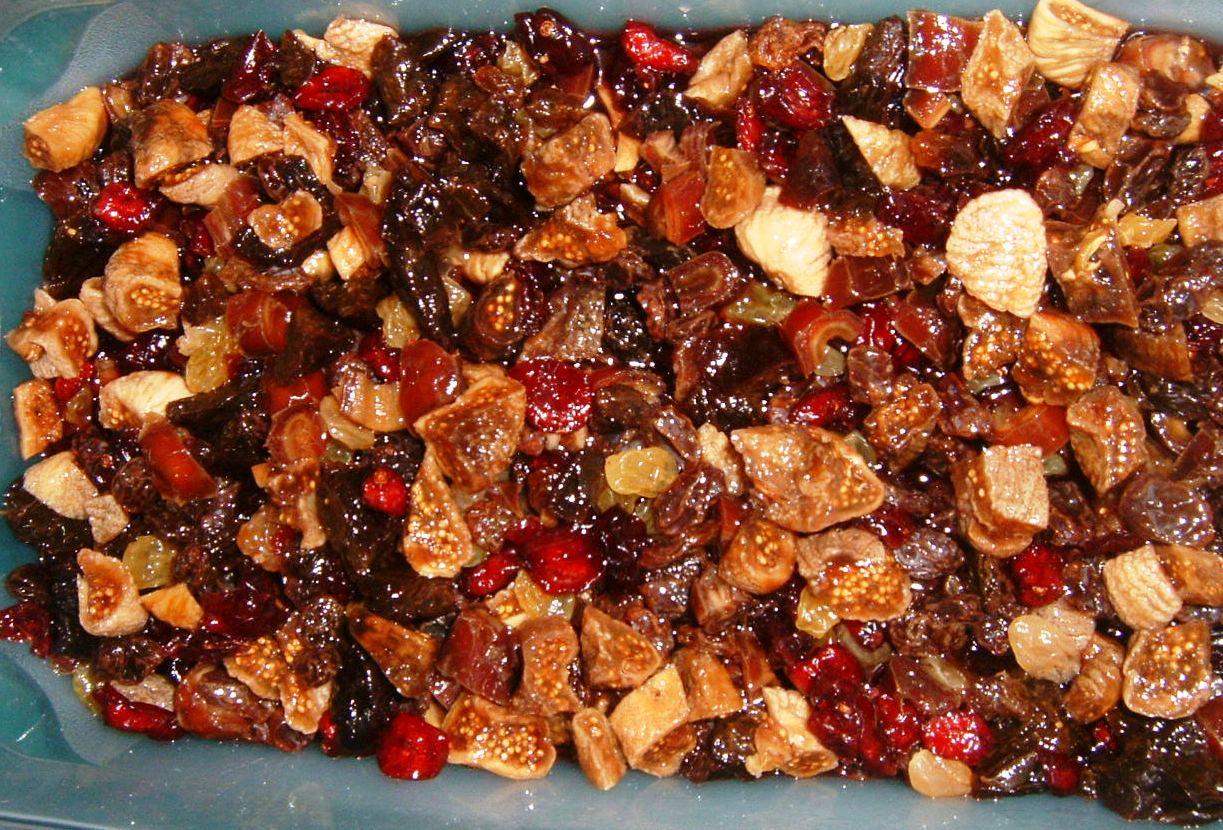
The photos here are from last year, so that you can see the process from start to finish. So, in September, I put my fruit—raisins, golden raisins, plums, figs, dates, and cranberries—in a large container with a cover and poured in a wee bit of rum and port wine and let that sit until December. About a week before Christmas (I couldn’t get around to it before then), I baked the cake, basted it a few times, and brought it for Christmas Eve dinner. It came out really, really good. It’s not like any fruit cake you’ve ever had, I guarantee it. Normally, black cake is served as is, but I wanted it to look a little more festive so I iced it with a basic powdered sugar icing (which eventually melted). The only thing was that my cake was not as dark as it should be (it is called black cake, after all). I was told to increase the amount of browning or molasses. This recipe contains the increased amounts. (Browning is also known as burnt sugar and can be found in West Indian markets.)

Give it a shot. This is one fruit cake that will not get passed around. Enjoy!

Christmas Cake (Jamaican Black Cake)

4 cups mixed dried fruits (raisins, currants, prunes, citron, cherries, dates)
3 cups port wine
3 cups white rum (preferably Appleton)
1/2 lb. butter
1 cup brown sugar
6 eggs
12 oz. all-purpose flour
2 tbsp baking powder
2 tbsp browning
1/4 molasses
1 tsp Benjamin vanilla extract
1 tsp almond extract
1 tsp nutmeg
1 tsp ground allspice
2 tsp lemon juice

Preparing Fruits for Baking:

Wash fruit well. Soak fruits in 2 cups port wine and 2 cups rum for at least 4 weeks before baking.

Soaking the fruit

Soaking the fruit

To bake the cake:

1. Preheat oven to 350 degrees F.

2. Grease a 10-inch baking tin with butter or margarine. Line the tin with wax paper.

3. Mix butter and sugar until light and fluffy.

4. Add eggs, one at a time, and continue beating until mixture is smooth.
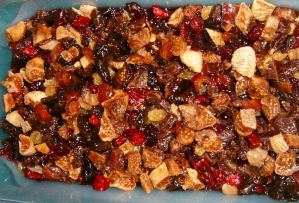
Dried fruit after soaking several weeks

Dried fruit after soaking several weeks

5. Add flour and baking powder and continue to mix.

6. Blend in browning, molasses, vanilla, almond, nutmeg, allspice, and lemon juice.

7. In a blender or processor, grind fruits and add to mixture.

8. Add 1 cup rum and 1 cup wine and mix well. Place in oven.

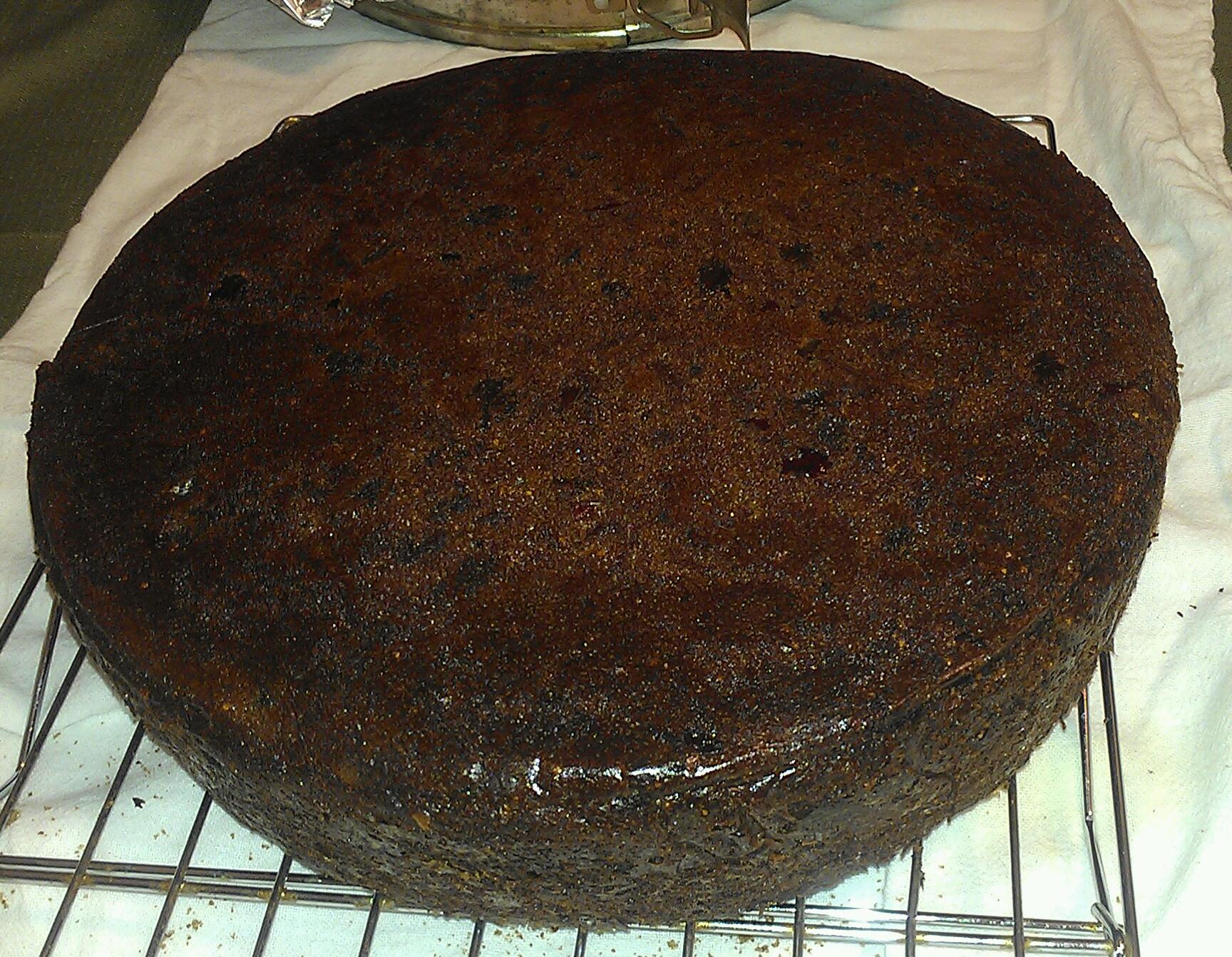
Baked Black Cake

Baked Black Cake

Cake is baked when a knife is inserted into center of cake and comes out clean. Check cake after an hour. This will make approximately 4 lbs. of cake. If you’re baking it weeks or months in advance, continue basting it periodically with wine. Decorate if you wish, but it can be served as is.


7 Comments

Vegetarian Paella and New Beginnings

There so many new things going on in my life, and this blog is one of them. I have moved my blog over from one server to another, and although I already made one post, this is my first one since the official switch-over (I was still in transition when I posted the last one).

Vegetarian Paella

Vegetarian Paella

Another new thing happening is my cookbook. After speaking with my publisher, I’ve decided to revamp my cookbook, What, No Meat? Traditional Italian Cooking the Vegetarian Way. It’s going to have a new design, new cover, and even a new title. When I first published it on my own in 2008, and then with Bedazzled Ink in 2010, it seemed to work as it was. But a few years down the road, I decided that it was time for a change. I was no longer happy with my book’s appearance, and I don’t really think my publisher was, either.

So, now I’m in the process of editing it. I’m removing material and recipes and taking photos for the interior. It’s been a more complicated process that I had anticipated for various reasons, but I’m getting there. I hope to have the new one ready in the next couple of months.

In the meantime, I wanted to share my recipe for Vegetarian Paella. Those flat, paddle-shaped leaves you see in the photo is a type of fresh oregano, but since fresh oregano is hard to find for many people, I use dry oregano in the recipe. Enjoy!

Vegetarian Paella

2 tablespoons olive oil
1 or 2 vegetarian chorizo sausages, sliced into ¼-inch-thick pieces
1 medium onion, finely chopped
2 teaspoons kosher salt
4 cloves garlic, minced
1 red bell pepper
1 green bell pepper
1 ½ cups Arborio rice, rinsed and drained
Pinch saffron
2 large ripe tomatoes, seeded and diced
1 medium zucchini diced
1 teaspoon dried oregano
4 cups vegetable stock
2 cups chopped kale
1 cup peas
Freshly ground black pepper to taste
¼ cup minced parsley
Lemon or lime wedges

IMG_0793

1. Heat 1 tablespoon oil in a large skillet. Add the chorizo and brown on both sides. Remove to a plate.

Vegetarian chorizo

Vegetarian chorizo

2. Add the remaining oil to the pan and heat. Add the onion and 1 teaspoon salt and sauté until translucent. Add garlic and red and green peppers. Saute until softened. Add rice and saffron; stir to combine and stir-fry to toast a little.

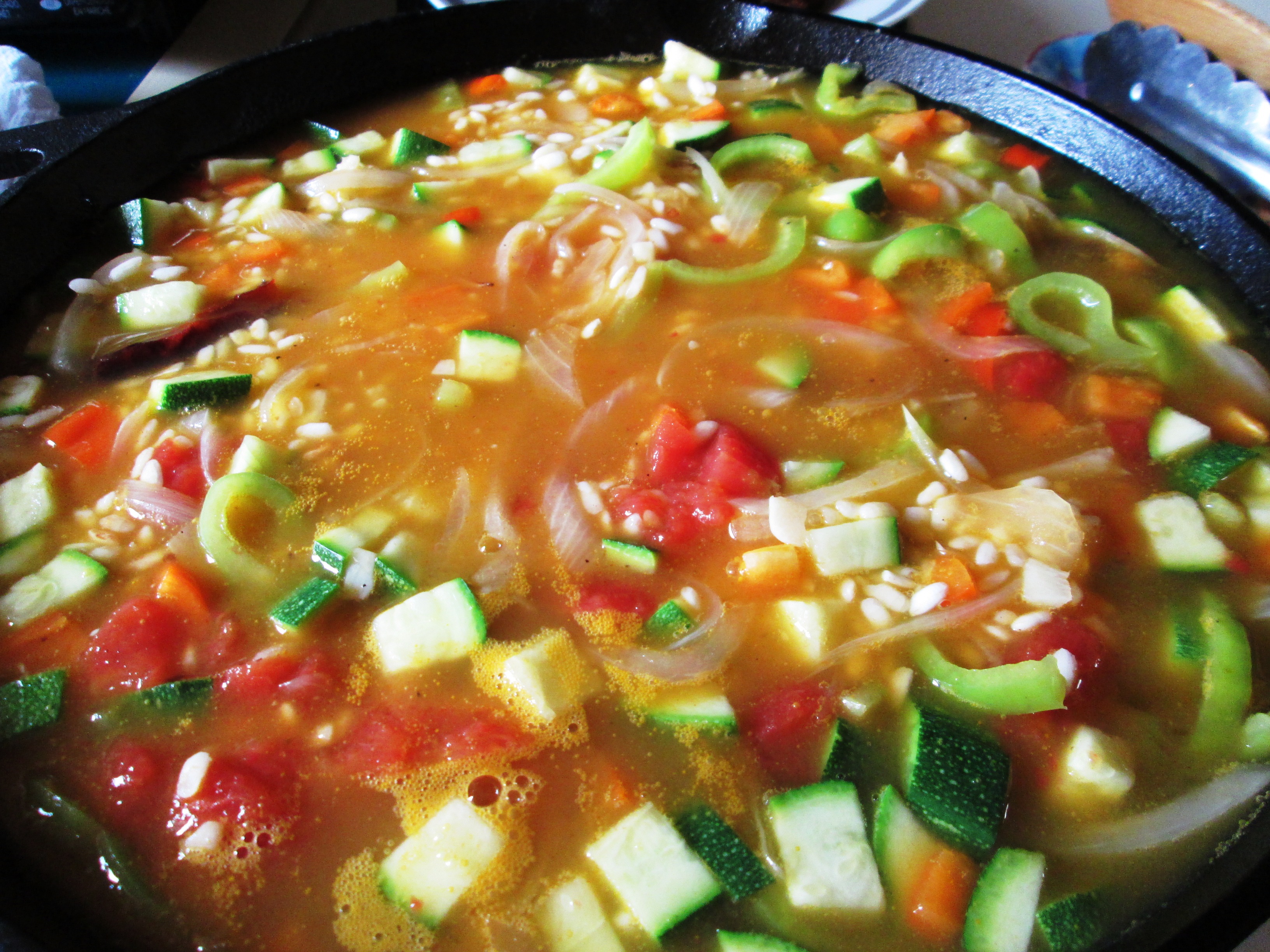
IMG_07983. Mix in tomatoes, zucchini and oregano. Cover and cook 5 minutes. Add stock and kale; cover and simmer 20 minutes. (If rice is not fully cooked, add a little more stock or water and continue simmering until done.) Stir in peas and cook another 5 minutes. Add the remaining salt if desired and season with pepper.

IMG_0799IMG_0800

4. Return the chorizo back to the pan and mix in, along with the parsley. Transfer to a serving platter and garnish with lemon or lime wedges.

IMG_0811