Miz Chef

Cooking Up a Healthy Life


2 Comments

Papalo, the Unsung Cilantro

I just love finding new items to try. I was at the farmer’s market one day and saw something called papalo. I’d never heard of it and had no idea how to use it, but I bought a bundle and did some research.

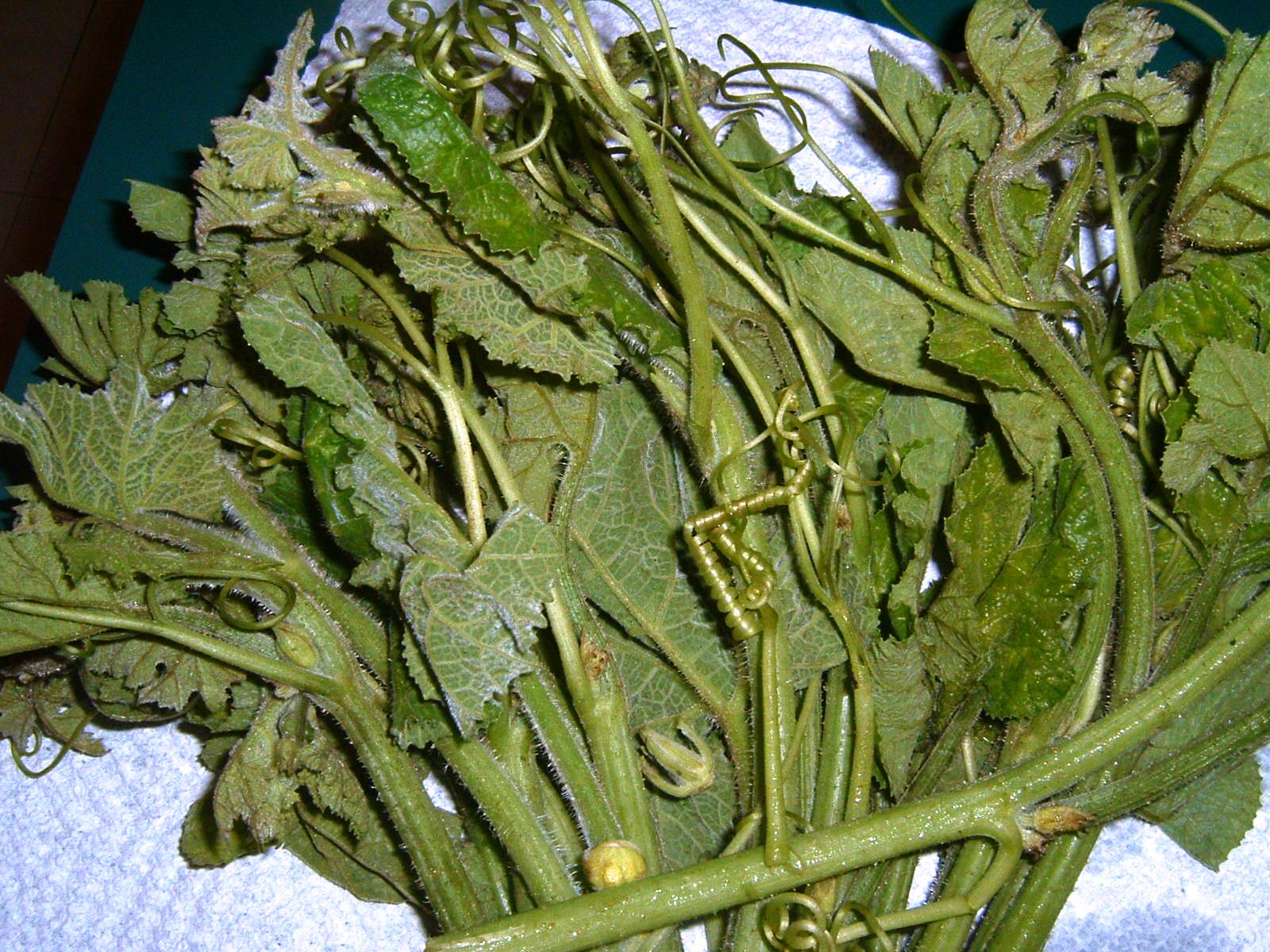
Papalo leaf

Papalo leaf

Turns out that papalo is an herb that grows wild in Mexico, Arizona, and Texas. Most popular in Mexican cooking (although it’s also used in South American cuisines), it’s been compared closely to cilantro. It looks nothing like cilantro but its flavor is mildly cilantro-like with citrus overtones. In fact, it is often used in dishes in place of cilantro. It tends to be used in raw applications more than cooked ones, and is especially popular in salsas and guacamole.

There’s a traditional Puebla sandwich made with meat, avocado, and chiles, varying with tomatoes, cheese, and onions, and always papalo. As far as I’ve been able to determine, this sandwich is called a cemita, which is also a general word (in Spanish) for “sandwich.”

The word papalo comes from the Native American Nahuatl word for butterfly, papalotl. (Interestingly, it’s similar to the French word for butterfly, papillon.) But I’ve come across numerous names for papalo, including Bolivian coriander (coriander being the word for cilantro in many countries), butterfly weed, pápaloquelite, tepegua, quillquiña, quirquiña, and killi.Papalo

Despite the prevailing belief that papalo should not be cooked, I used it in a batch of vegetarian chili and, predictably, it gave it a citrusy note. The chili seemed somehow “fresher” and more summery. That’s obviously my own association with the flavor profile of the chili but the papalo definitely gave it a nice little zing.

Here’s a recipe for a simple tomatillo salsa, using papalo. Let me know what you think.

Simple Tomatillo Salsa with Papalo

½ lb. tomatillos, husked and rinsed
1 small jalapeno, stemmed, seeded and finely minced
¼ cup minced papalo leaves
¼ cup finely minced white onion
2 tbsp fresh lime juice
Sea salt to taste

Finely chop the tomatillos and place in a bowl. Add remaining ingredients and mix well. Chill for at least ½ hour to allow the flavors to blend.


4 Comments

Liquid Gold from Greens

My friend, Linda, asked me recently for suggestions on what to do with the water she had used to cook kale. This water, known as pot liquor (sometimes spelled potlikker), has set many a cook’s heart aflutter because it’s loaded with flavor. Not only that, it’s also packed with nutrients from the kale, or whatever greens you have cooked in it.DSCF0005

Pot liquor is a U.S. Southern speciality, usually made from collard, mustard, or turnip greens, and can be used in place of water or broth in almost anything. Here are some ways to use it:

* In soups, stews, or chilis

* To cook rice, quinoa, or any other grain

* To braise vegetables or fish

* In a vegetable casserole

* In a vegetable smoothie

* In place of broth in a pan sauce

* If you have enough of it, you can reduce it and add a roux for a sauce, too. This would go very well with grilled/baked/sauteed tofu or tempeh.

* Add it to your pet’s food—it’s nutritious for our furry friends, too!

So, get yourself a nice big bunch of greens—any greens—and cook it down. The best way is to sauté greens in a pan with garlic and oil. But you can also use a small amount of water to boil them. That way, you get the nutrient-packed water without leeching everything out of the greens themselves. Place the greens in a large skillet or dutch oven and add about a cup of water and salt. After the greens are cooked, remove them and save the liquid. To sauté in oil, follow the recipe below, then reserve the pot liquor. It will have incredible added flavor from the garlic and spices.

(By the way, I was very tempted to call this blog “Pot Liquor,” but I was afraid it would draw the wrong kind of traffic. 🙂 As it is, I expect to get a lot of garbage from spammers who are keying in on the words “pot” and “liquor.”)

Sauteed Greens

1 large bunch greens, washed, drained
1 tbsp olive oil
2 large garlic cloves, sliced
1 tsp paprika
1/4 tsp red pepper flakes (optional)
Salt to taste
Freshly ground black pepper to taste

1. Coarsely chop the greens.

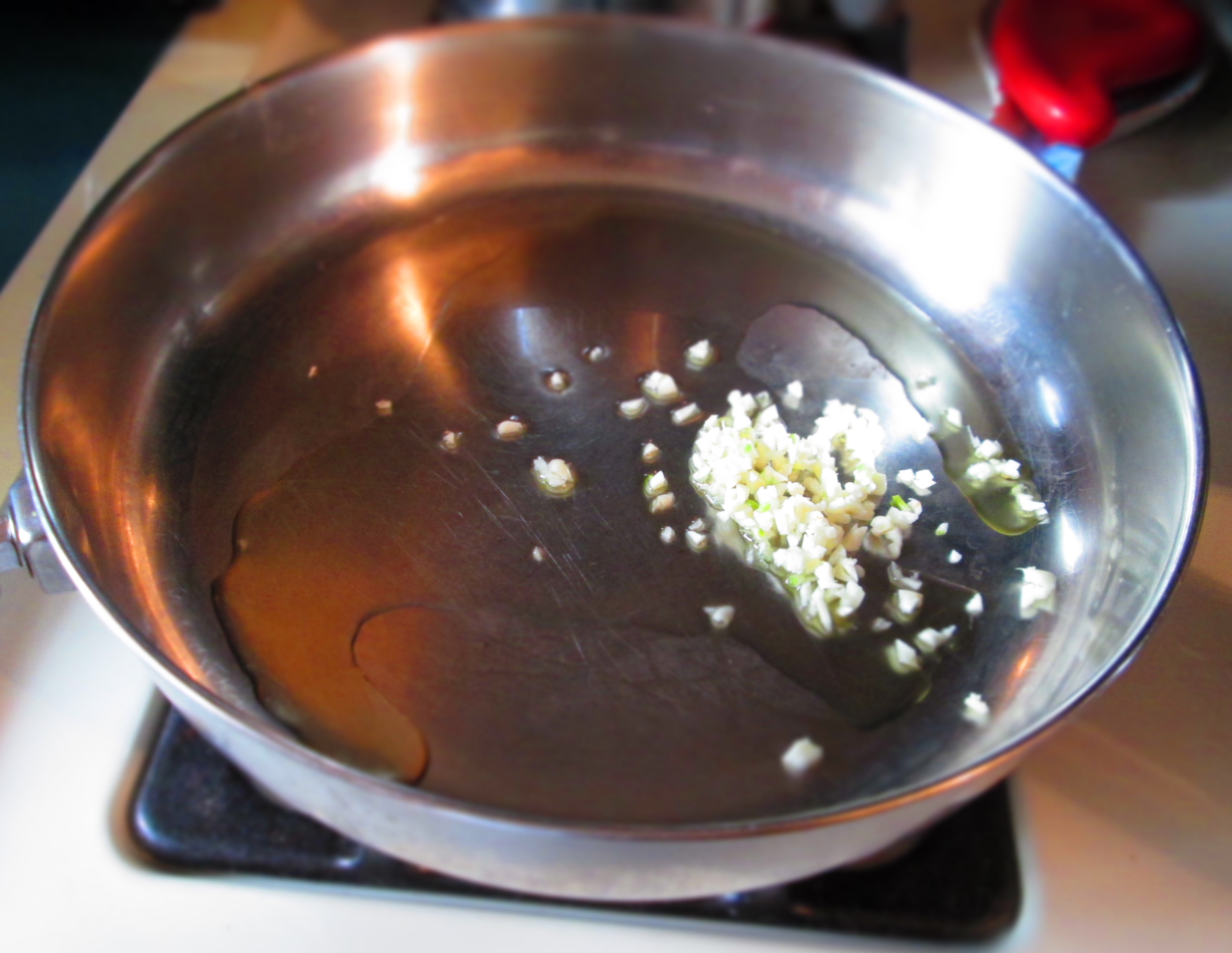
2. Heat the oil in a wide pan; add garlic and cook 1 minutes. Add paprika and red pepper lakes and immediately add the greens.

3. Add ½ cup water, salt, and pepper and mix well. Cover the pan and cook until greens are tender. The time will vary, depending on the type of green it is. Add more water if it starts to get dry.

4. Use tongs to remove the greens and garlic. Reserve the pot liquor for use in other recipes.


3 Comments

Chinese Noodle Stir-Fry with Chickpeas

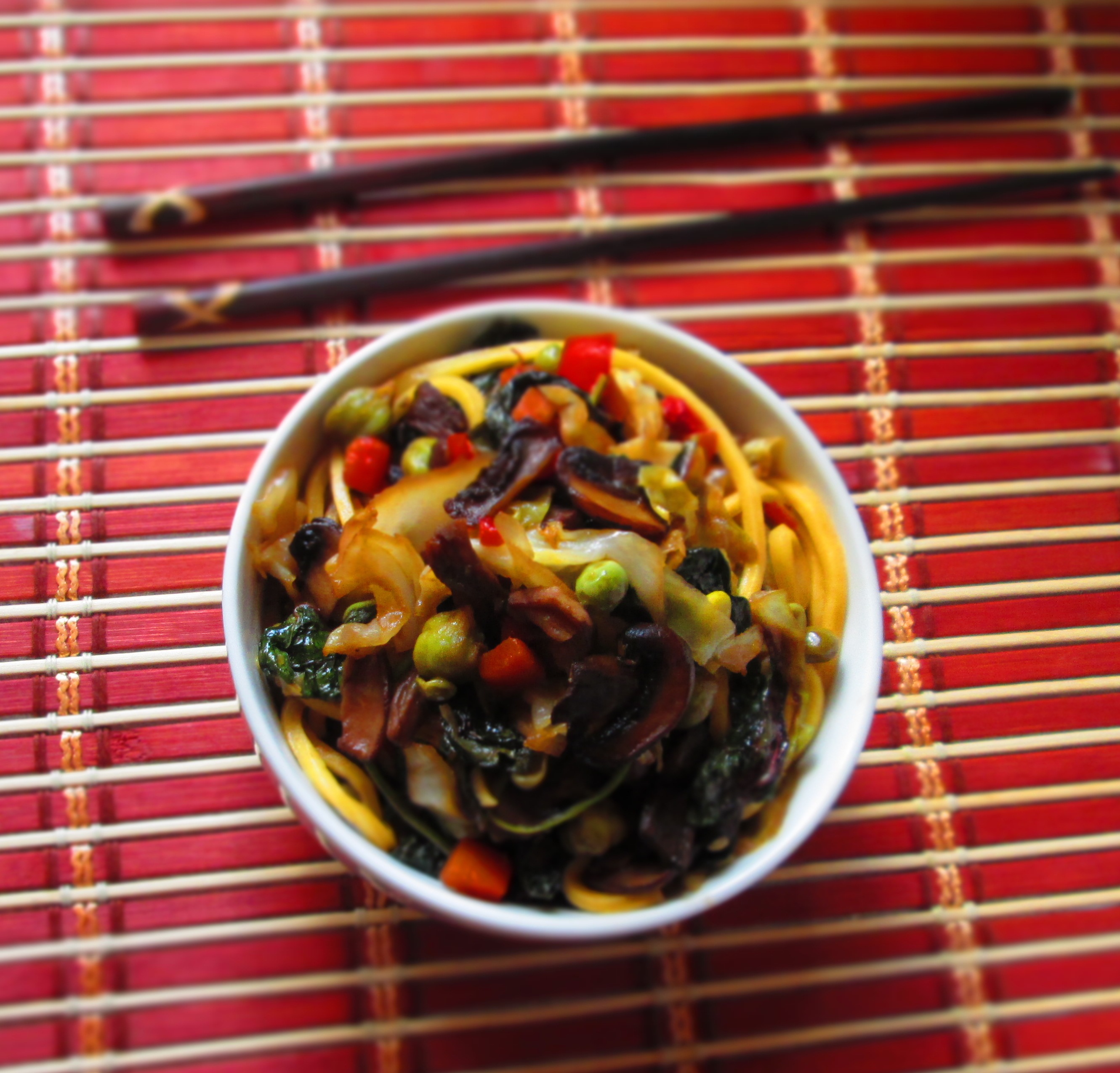
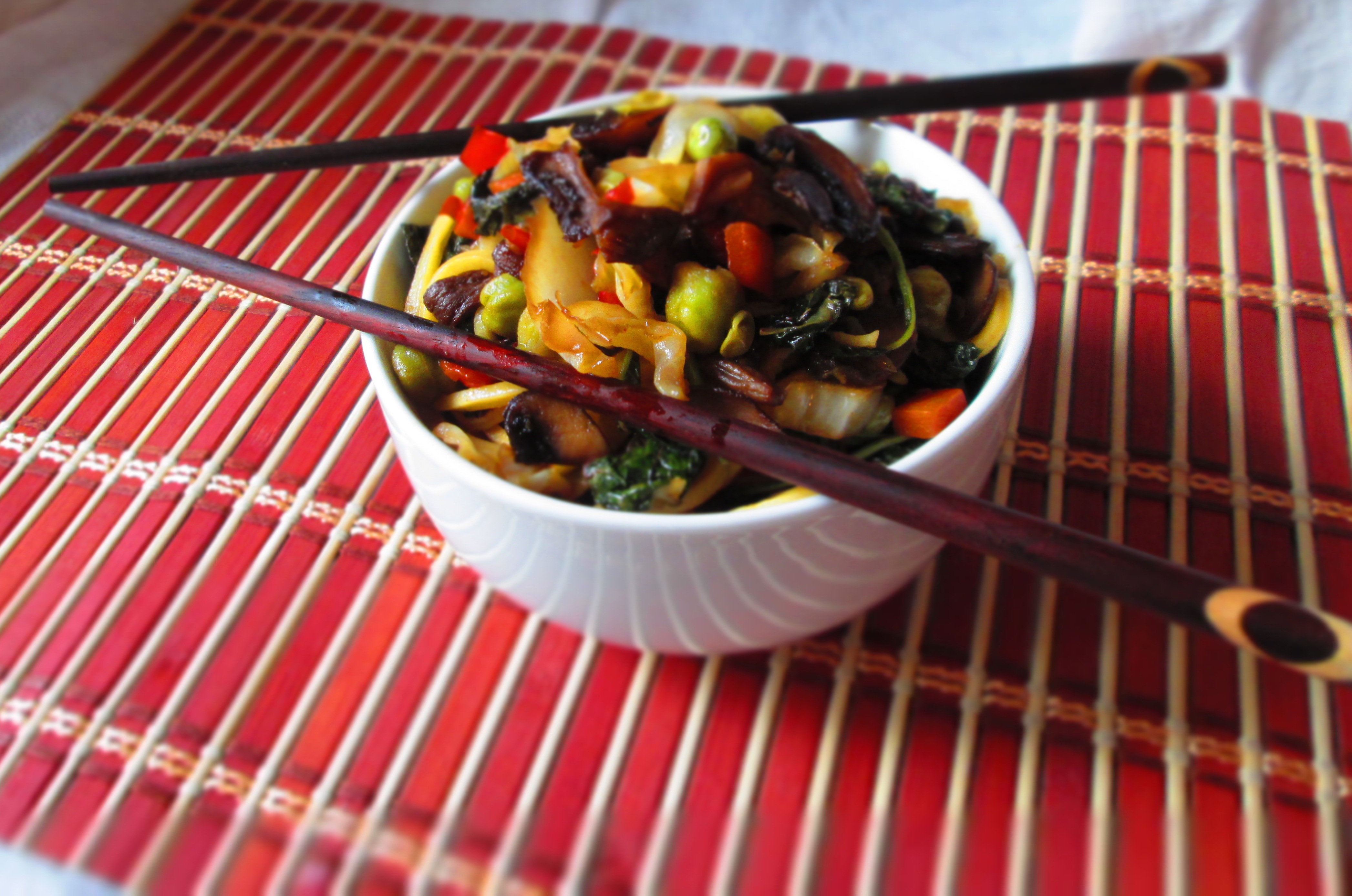
This week, I’d like to share my recipe for Chinese Noodle Stir-Fry with Chickpeas. There’s nothing like a bowl of noodles, no matter what type of cuisine you’re cooking. It’s comforting and satisfying with layers of flavors and textures. The great thing about noodles is that you can a have them with anything and add anything to them.IMG_2595

One of my favorite way to have noodles is stir-fried with lots of vegetables. I particularly like cabbage, so I start with that and build from there.

I also had some fresh chickpeas and green peas that I had shelled from their pods and needed to use them, so I threw those in as well. Green peas are often found in stir-fries and Asian noodle dishes, but chickpeas not so much. I found them to work beautifully in a stir-fry, especially since I’m a little clumsy with chopsticks and was able to pick up the chickpeas fairly well. Their meaty, firm texture also made a nice contrast to the tender noodles and vegetables.

So, here’s the recipes. Enjoy!

Chinese Noodle Stir-Fry with Chickpeas

2 teaspoons coconut or sunflower oil
10 ounces cremini or baby bella mushrooms, thinly sliced
1 10-ounce package Chinese noodles (your preference)
2 teaspoons sesame oil
3 large garlic cloves, sliced
2 cups sliced cabbage
1 small carrot, diced small
1 medium red bell pepper, chopped
½ chickpeas, black-eyed peas, or soy beans
¼ green peas
2 cups greens (spinach, chard, kale, amaranth leaves, etc.)
1 tablespoon soy sauce
2 sliced scallions for garnish

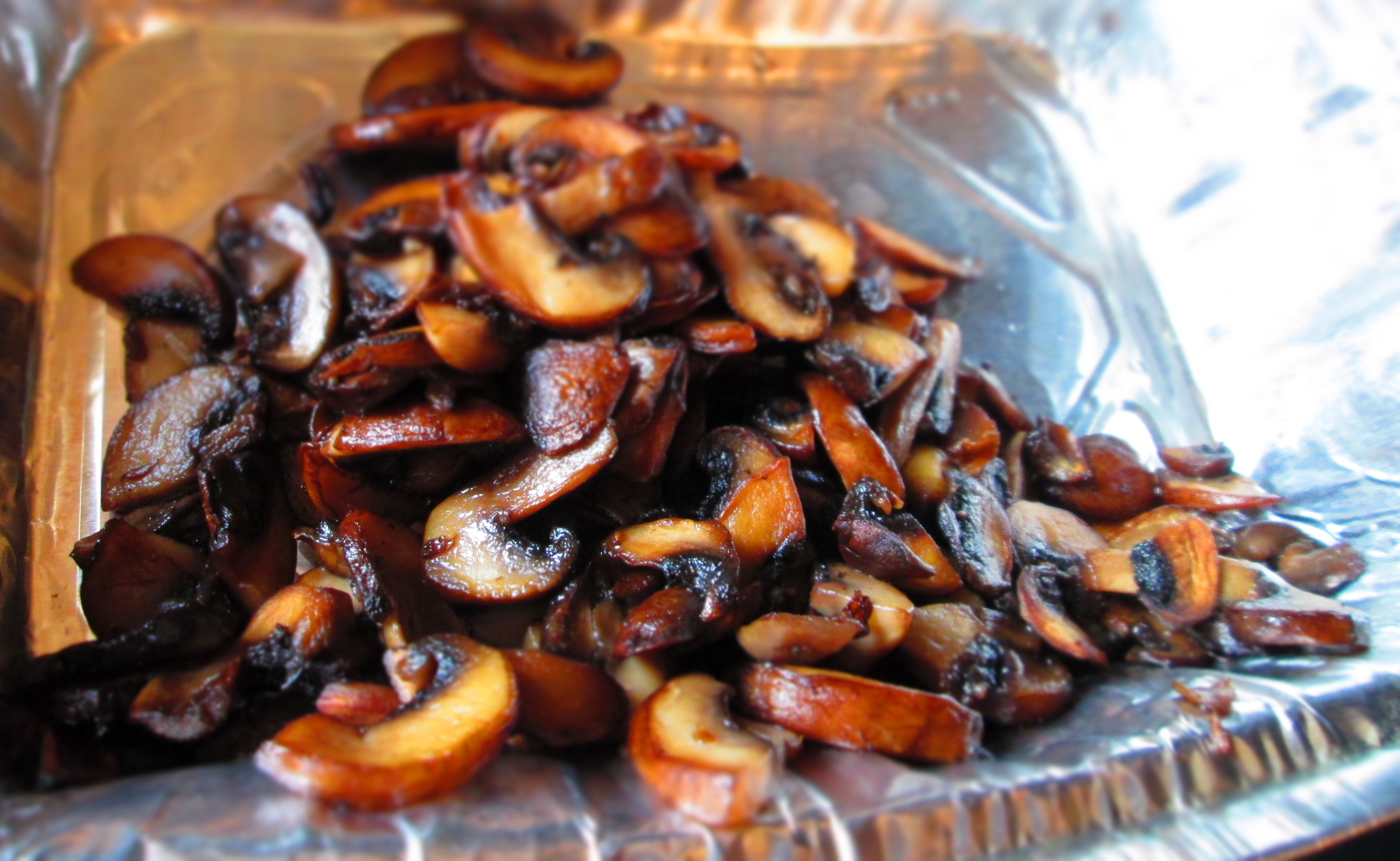
1. Heat coconut oil in a wide skillet. Add the mushrooms and sauté, stirring often, until golden brown, about 15 minutes. Remove mushrooms with a slotted spoon and set aside.

IMG_2588

2. Meanwhile, cook noodles according to package directions.

3. In same pan, add 1 teaspoon sesame oil in a wok or large. Add garlic and cook until fragrant, 1 or 2 minutes. Add cabbage, carrot, and pepper and stir-fry until crisp-tender, about 8 to 10 minutes. Add beans, peas, mushrooms, and soy sauce and continue stir-frying another 2 to 3 minutes.

IMG_2587

4. Add greens cook until wilted. Stir in remaining sesame oil.

IMG_2590IMG_2592

5. Add the cooked noodles and stir to combine. Divide between 2 bowls and garnish with scallions.

Makes 2 servings.

IMG_2599


Leave a comment

Warm Black-eyed Pea-Spinach Wheat Berry Salad

It’s been a kooky few months for me. I’ve been really busy cooking and photographing my food for volume two of my revised cookbook, now called Vegetarian Italian: Traditions. The Kindle version of volume one is currently on Amazon, and I’m waiting VegItalCover FINAL_Page_1for the print version to be available.

The thing is, all other cooking has been put on the back burner (no pun intended). I’ve even put off photographing dishes for my next cookbook, just to get volume two of Vegetarian Italian done.

Well, I’m almost there. I actually have one dish left to photograph, and this weekend, I found myself able to cook a little for the fun of it—something I haven’t done in a very long time.

I had some cooked wheatberries in the freezer, left over from a batch I had made a couple of months ago, as well as some black-eyed peas, and decided to use them.

A wheat berry is the entire wheat kernel (except for the hull)–meaning, it has its bran, germ, and endosperm intact. That makes them healthy whole grains. There are several varieties: winter and spring, hard and soft, red and white. Soft wheat is considered to have higher protein and, thus, less gluten. So, if you have wheat sensitivities (as opposed to Celiac disease) and want to use wheat berries, you’re better off using soft wheat. 

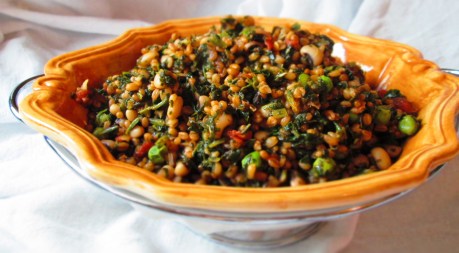
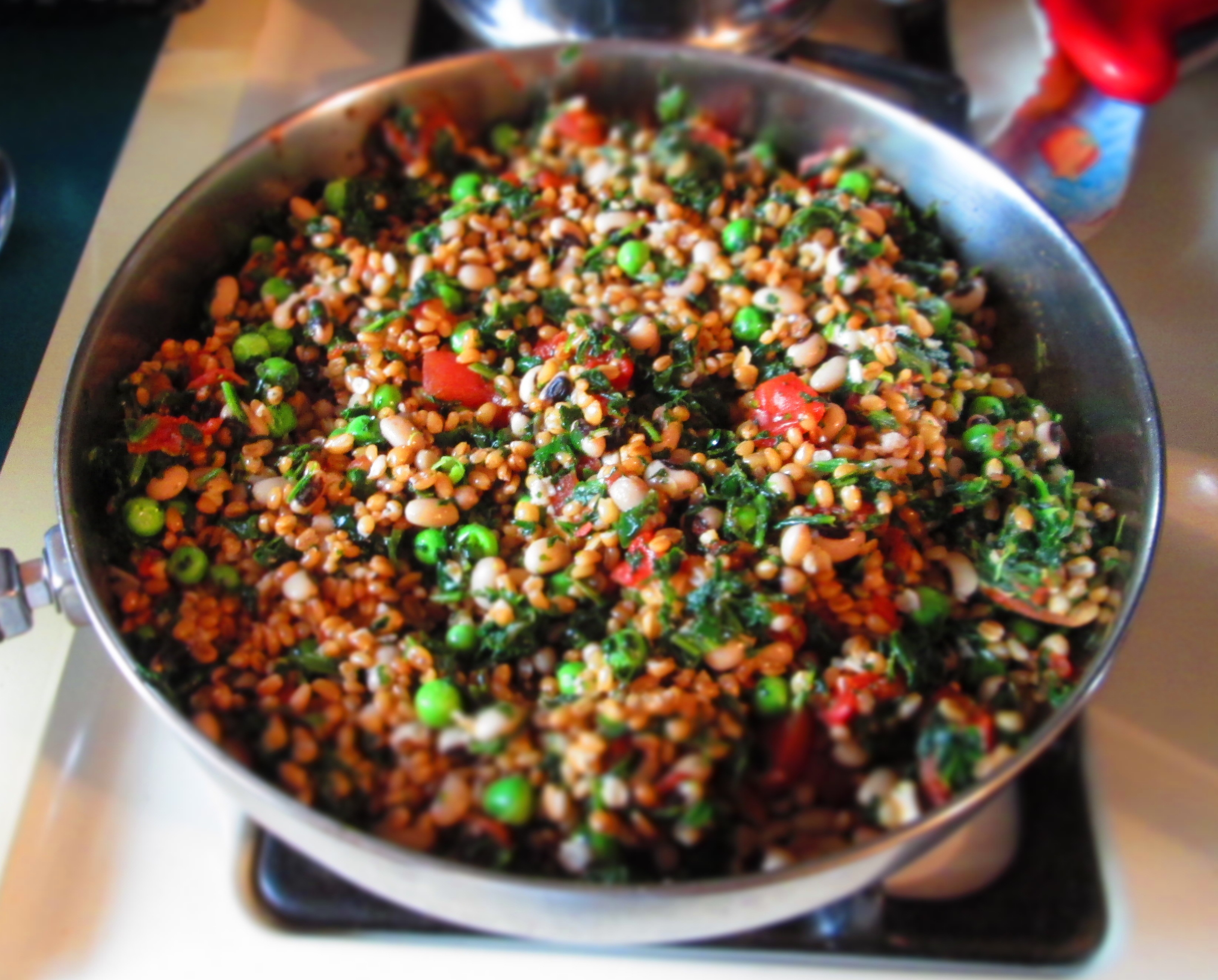
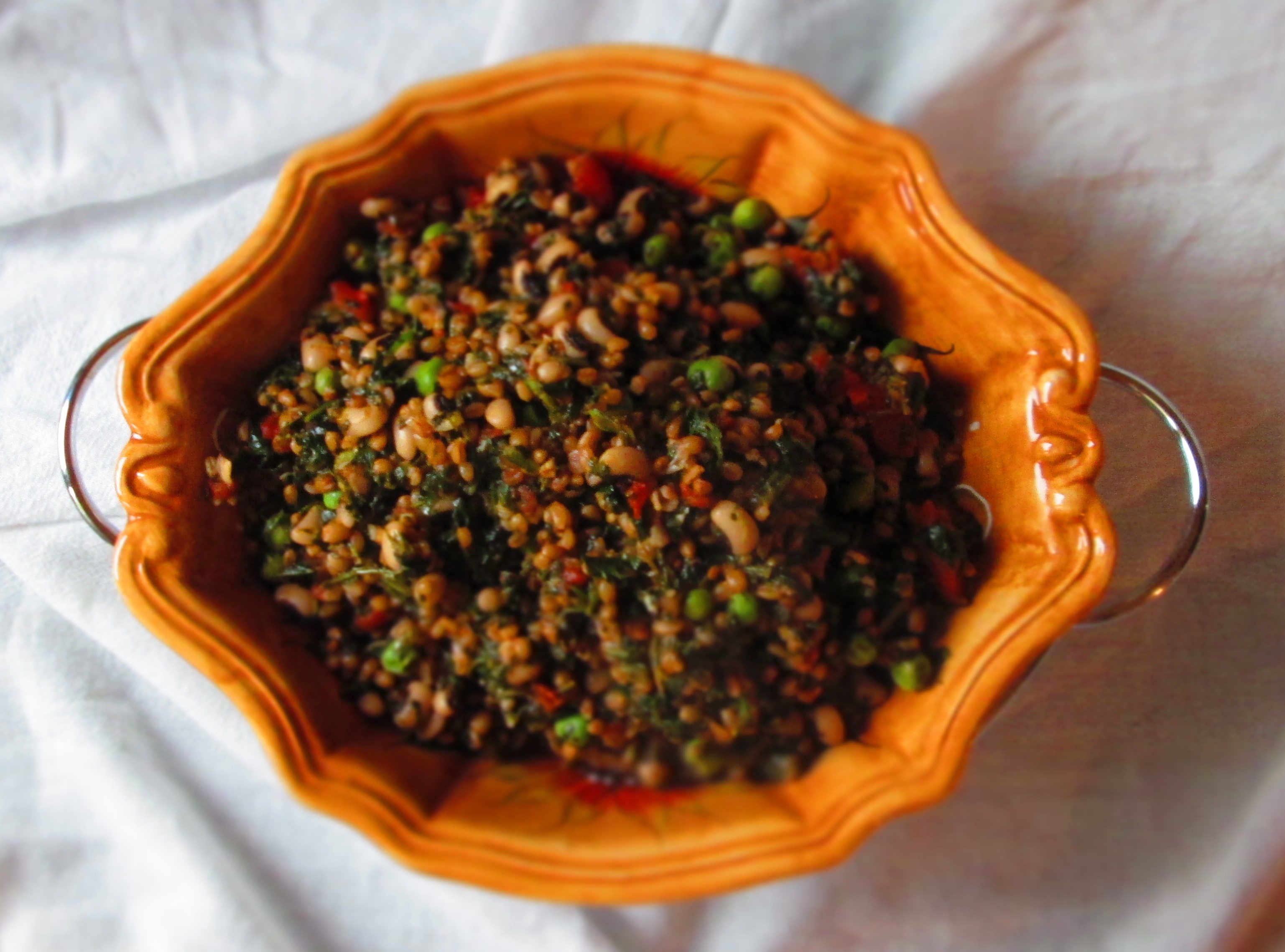
In the end, I wanted to do something simple but tasty, and this is what I came up with. I hope you like it.IMG_2509

Warm Black-eyed Pea-Spinach Wheat Berry Salad

2 teaspoons olive oil
2 cloves garlic, minced 3 cups cooked wheat berries
½ teaspoon paprika
6 plum tomatoes, chopped
2 cups cooked, chopped spinach
1 ½ cups cooked black-eyed peas
1 cup peas
2 teaspoons kosher salt
1 teaspoon freshly ground black pepper
1 tablespoon walnut oil

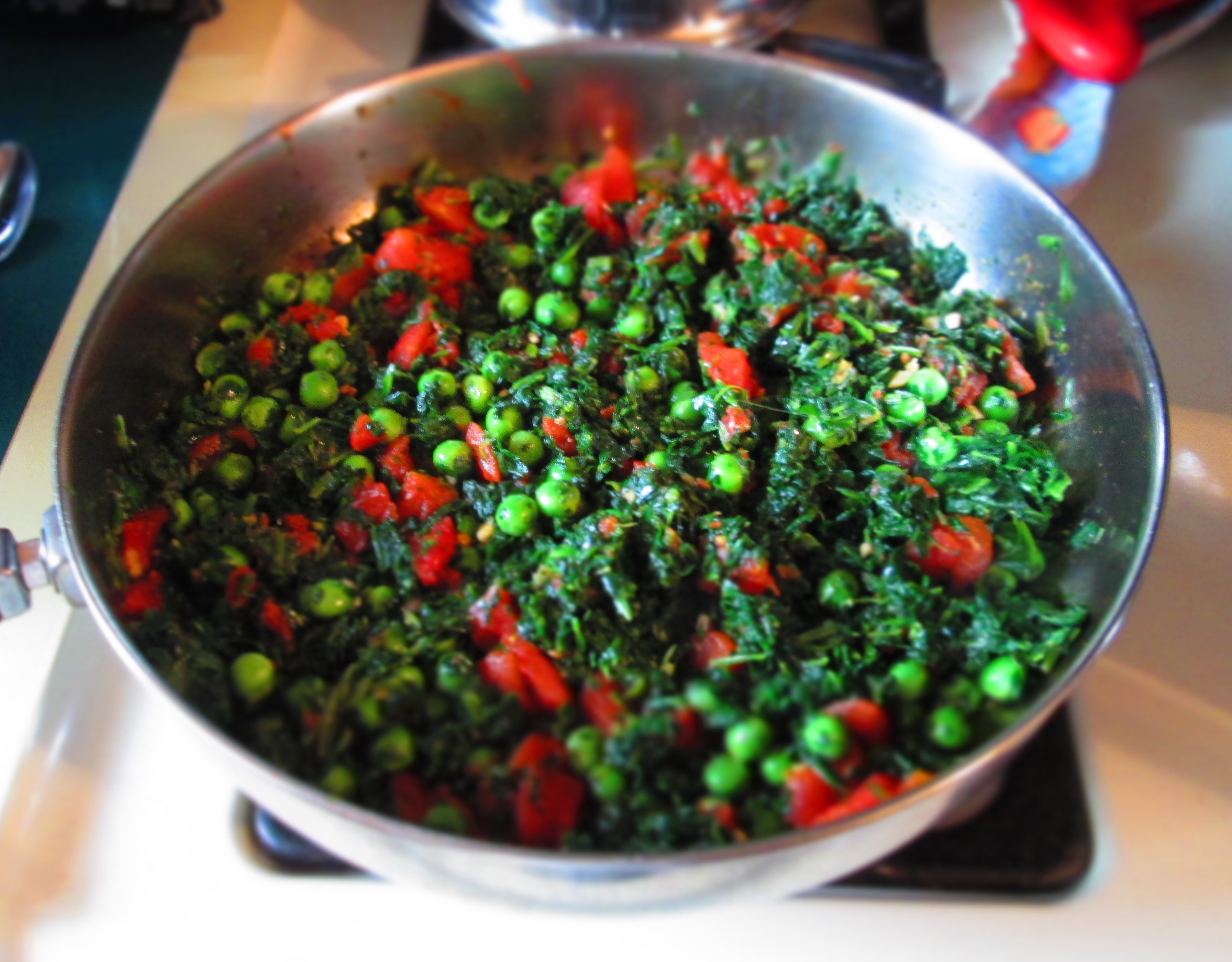
Heat the oil in a wide pan; add the garlic and sauté until fragrant, about one minute.

IMG_2502

Sprinkle in the paprika, then immediately add the tomatoes. Stir and sauté 2 or 3 minutes.

IMG_2503
Stir in the spinach, black-eyed peas, and peas and sauté another 3 minutes.

IMG_2504

Add the wheat berries and peas, mix and continue cooking until heated through. Season with salt and pepper; adjust to your taste.

IMG_2505

Transfer to a serving bowl; drizzle walnut oil over the top.

Makes 6 servings.IMG_2507


2 Comments

Gorgeously Green Pasta Salad

So, tomorrow is St. Patrick’s Day and green is the official black for that holiday. The foodIMG_0445 world, too, suddenly turns green. We see  green bagels, green cake, and even green beer. But if all of that turns you green, here’s a recipe that keeps that particular tradition going but is a lot better for you and is gorgeously green naturally.

Happy St. Patrick’s Day, and may the Luck o’ the Irish be with you!

Gorgeously Green Pasta Salad

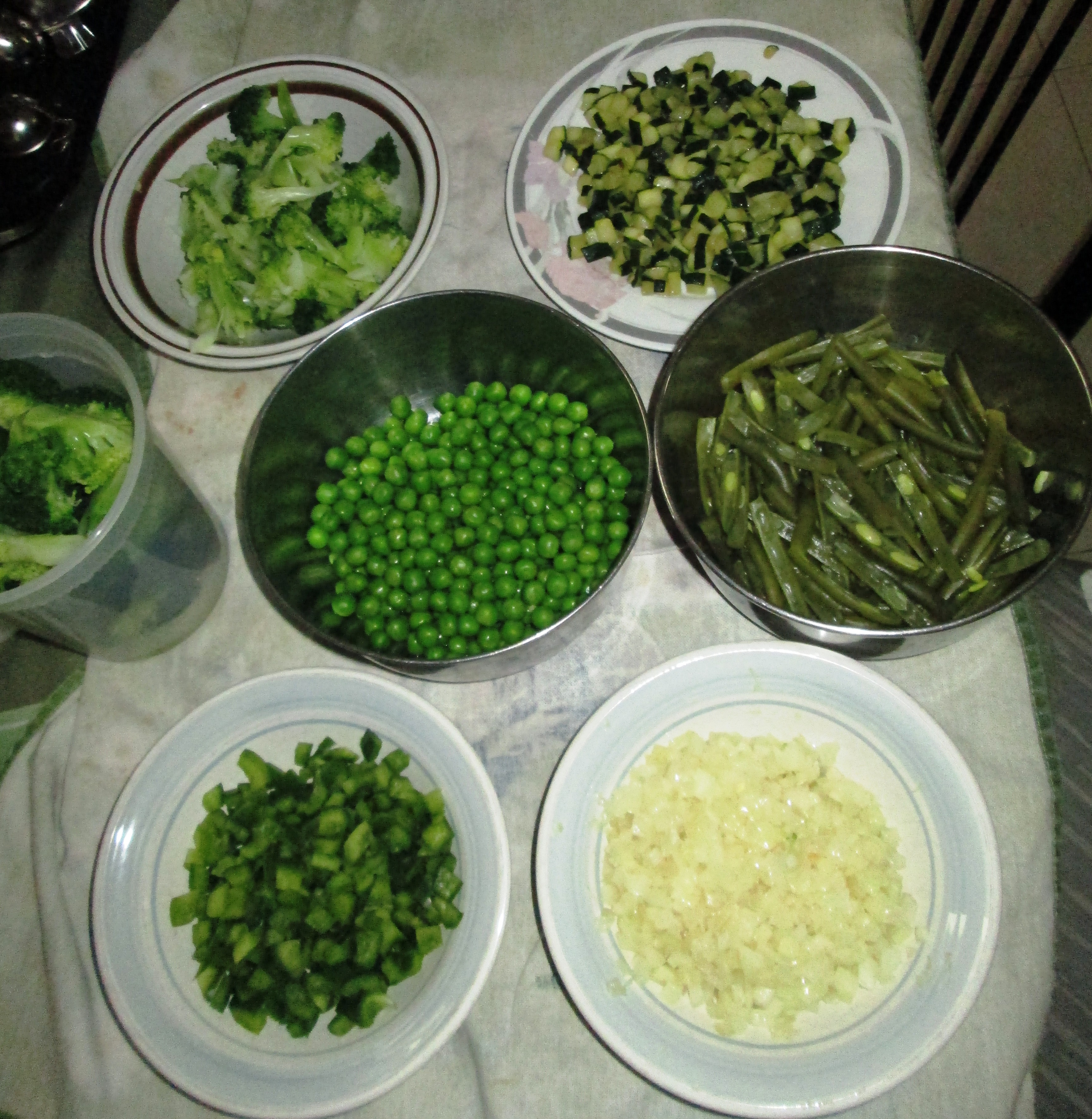
This pasta salad is open to many variations—you can add anything you want, as long as it’s green! It has several components to it, but if you’re willing to spend a little time on it, the result will truly be gorgeous, not to mention delicious. Aside from the broccoli florets, I split the string beans in half, used only the green part of the zucchini, and garnished it with zucchini curls.

1 medium head broccoli
1 tablespoon olive oil
1 medium onion, small dice
1/2 teaspoon salt plus more
2 small zucchini, diced small
2 ½ cups cut string beans
2 cups peas (if frozen, thawed)
1 lb short pasta
½ lb arugula
¼ lb watercress
1 cup sliced scallions (white part only), divided
3 cloves garlic
1 teaspoon sea salt
Freshly ground black pepper
1 medium green bell pepper, diced small
½ cup chopped parsley

Garnish: zucchini, scallion greens, broccoli florets

IMG_0430

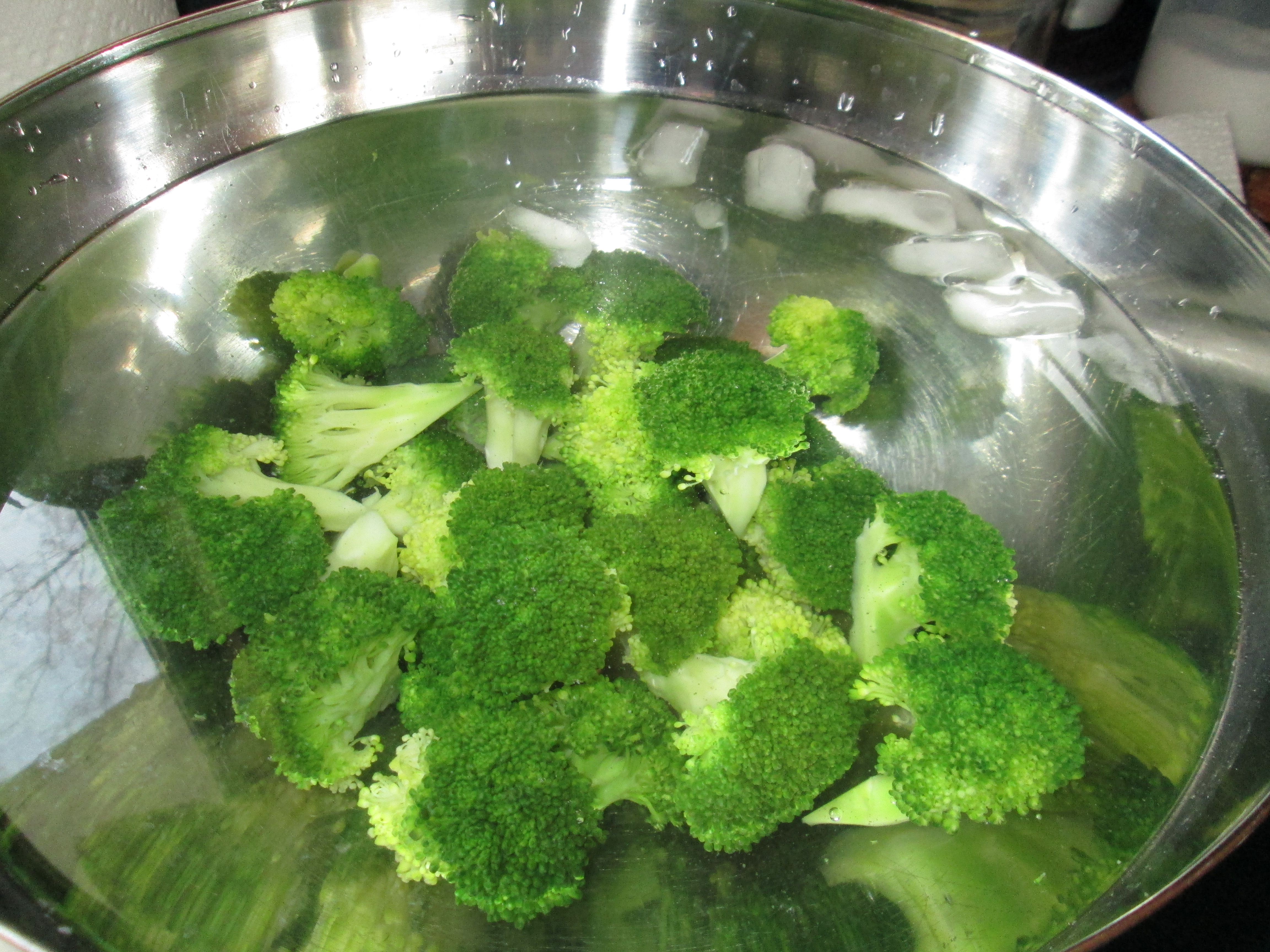
1. Cut the broccoli into florets. Set aside as many “pretty” florets (they should be similarly sized). Chop the remaining florets, stems, and pieces. Blanch and shock the florets. Cook the remaining broccoli until crisp-tender; drain well.

To blanch and shock: Bring a pot of salted water to a boil. Set a bowl of ice water on the counter. Add the broccoli florets to the boiling water and cook for a minute or 2, until broccoli is slightly tender. With a slotted spoon, transfer the broccoli to the ice water to stop the cooking. When cool, transfer to a bowl and set aside.

IMG_0429

2. Heat 2 teaspoons of the oil in a medium skillet; add the onion and salt, and sweat (cook over medium-low heat, stirring frequently, until soft and translucent. Do not brown.)

3. Zucchini: Saute in 2 teaspoons just until tender. Transfer to a bowl; let cool.

4. String beans: Bring pot of salted water to a boil; add string beans and cook just until tender. Transfer to the ice water and let cool. Transfer to a bowl. Set aside ½ cup.

5. Peas: If fresh, cook in boiling water until just tender. If frozen, boil briefly. Drain well.

6. Bring a large pot of salted water to a boil; add the pasta and cook until al dente. Drain well and let cool.

7. Meanwhile, make the sauce. In a food processor or blender, combine the arugula, watercress, ½ cup string beans that were set aside, ½ cup scallions, garlic, salt and pepper. With the machine processing, slowly add the extra-virgin olive oil until a sauce forms.

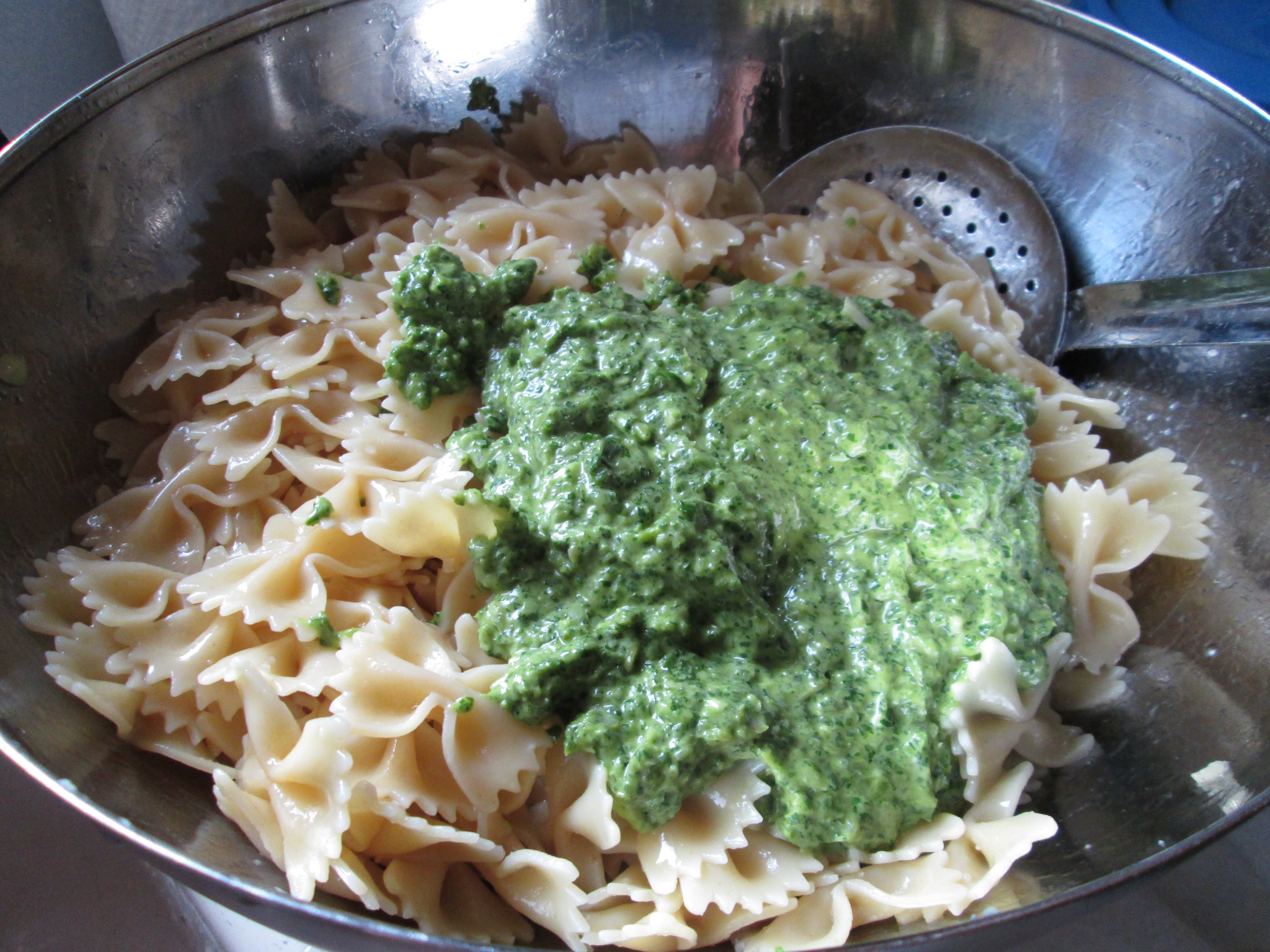
8. When pasta has cooled but is still slightly warm, add the sauce and mix well. Add the green pepper, the chopped broccoli, onion, cooked zucchini, peas, remaining string beans, and remaining scallions. Mix well. Blend in parsley. Taste and adjust for seasoning. Add whatever herbs or spices you like.

IMG_0436Makes 14 servings.

IMG_0443


1 Comment

Chocolate Cake with Avocado Mousse

This week, I wanted to offer my recipe for Chocolate Cake with Avocado Mousse. It received raves when I made it and I’m finally getting around to posting it.

The first ingredients is a chocolate sheet cake. You can certainly make it from scratch, but if you’re pressed for time, you can go and buy one from the store.

Rich chocolate cake paired with a zesty avocado mousse makes a luscious sweet-tart flavor combo. The white chocolate chips give it a gratifying chewy element without competing with the cake. Besides, with antioxidants in chocolate and omega-3 fatty acids in avocado, who can argue that this is a decadent dessert with health benefits? And it’s vegan!

Chocolate Cake with Avocado Mousse

1 chocolate sheet cake (9×13”)
2 Haas avocados
1/4 cup lime juice
1 teaspoon vanilla extract
1 tablespoon honey
1 tablespoon citrus zest (orange, lemon, lime or a combo)
1 teaspoon maple crystals
1/3 cup white chocolate chips

1. Trim off about 1 inch from each end of the cake. Split the cake in half, lift off the top half, and set aside.

DSCF0016

2. Combine avocados, lime juice, vanilla, honey, citrus zest, and maple crystals in a food processor and process until completely smooth. (Stop the machine and push down the mixture with a rubber spatula, if necessary.)

3. Spread the avocado mixture evenly over the bottom half of the cake. Sprinkle the chips evenly over the avocado. Replace the top half of the cake.

DSCF0022

4. Cut into 12 squares, or use a 2 1/2-inch ring mold to cut out circles. Serve as is or sprinkle powdered sugar over the top.

Makes 12.

DSCF0026DSCF0027


2 Comments

Mixed Dal Soup

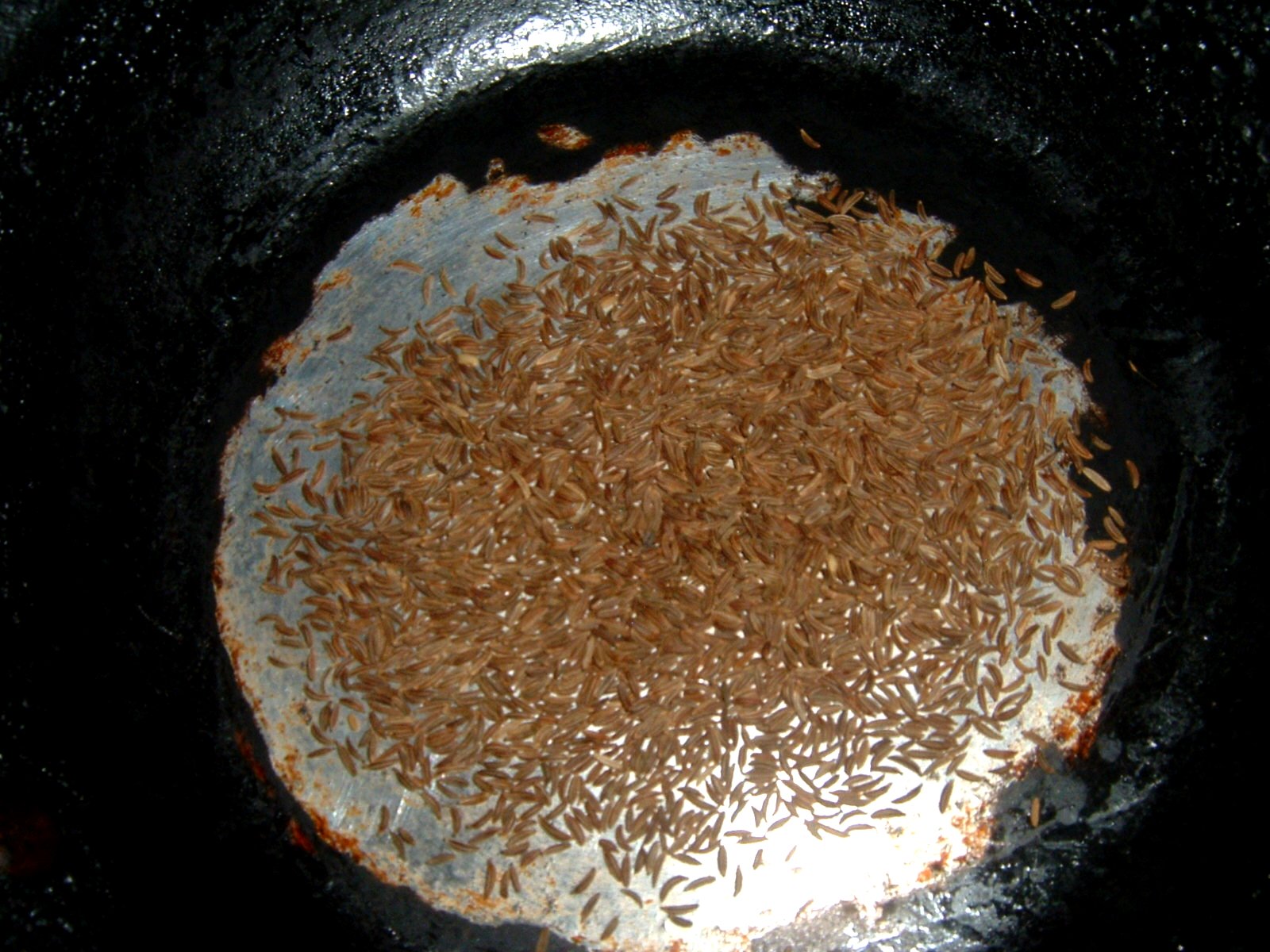
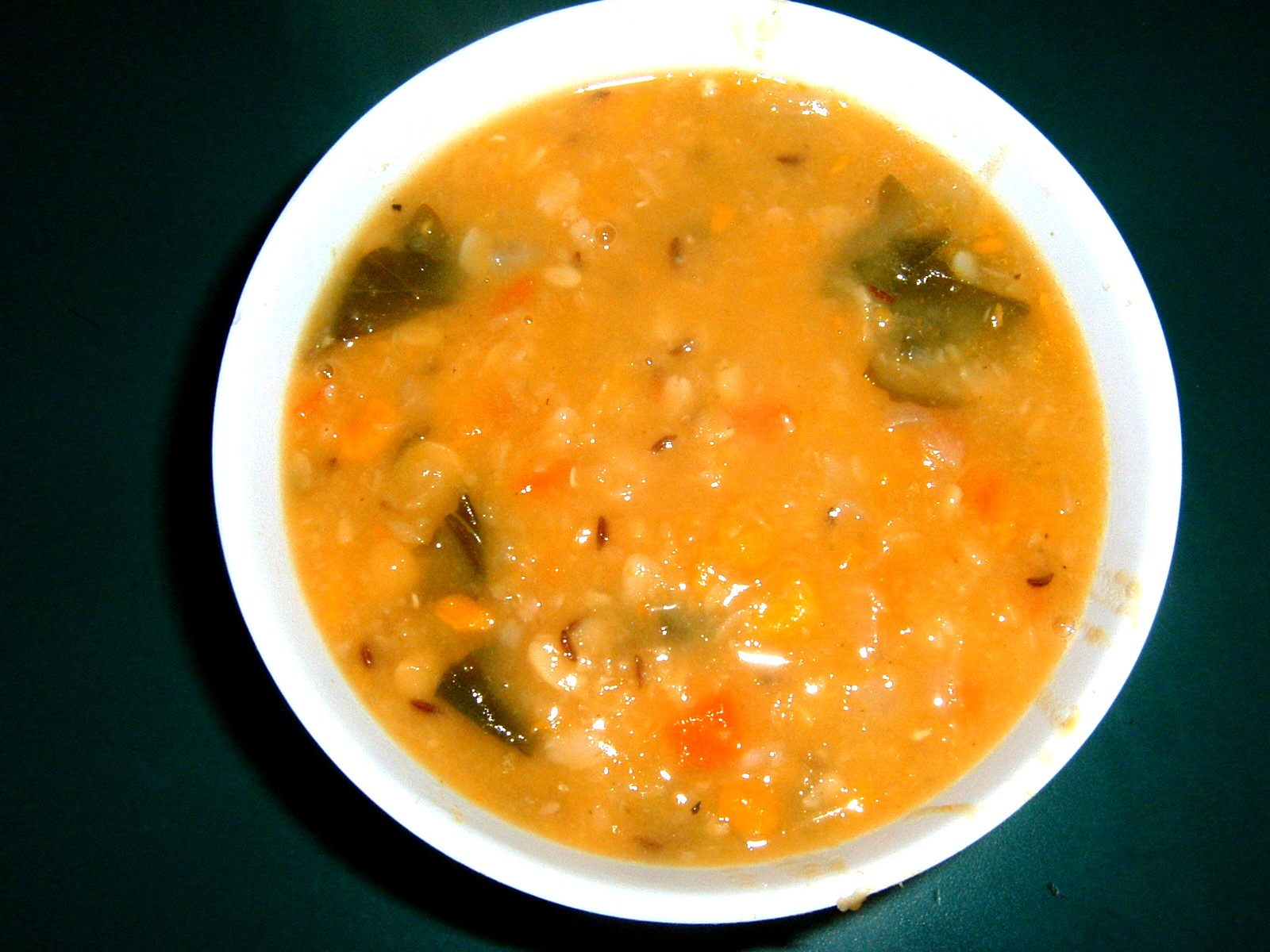
I picked up some mixed dal at an Indian store in Jackson Heights and since the weather was DSCF0007about to take a turn for the worse, I decided to make mixed dal soup. Mixed dal is a mixture of different split lentils and they make delicious meals. They’re also packed with protein, and with a few greens thrown in, you’ve got a complete, filling, satisfying meal. Toasting the caraway seeds gives the soup a great, complex flavor. And it was just right on a rainy, dreary day. So here’s my version of mixed dal soup.

Mixed Dal Soup DSCF0008

2 tablespoon olive oil
1 small onion, diced small
1 medium carrot, diced small
1 celery rib, finely chopped
¼ lb. sweet potato, diced small
½ teaspoon kosher salt
1 cup mixed dal
1 tablespoon caraway seeds, toasted (optional)
1 teaspoon ground fennel seeds
1 teaspoon garlic salt
freshly ground black pepper
½ lb. bok choy (green tops only), chopped

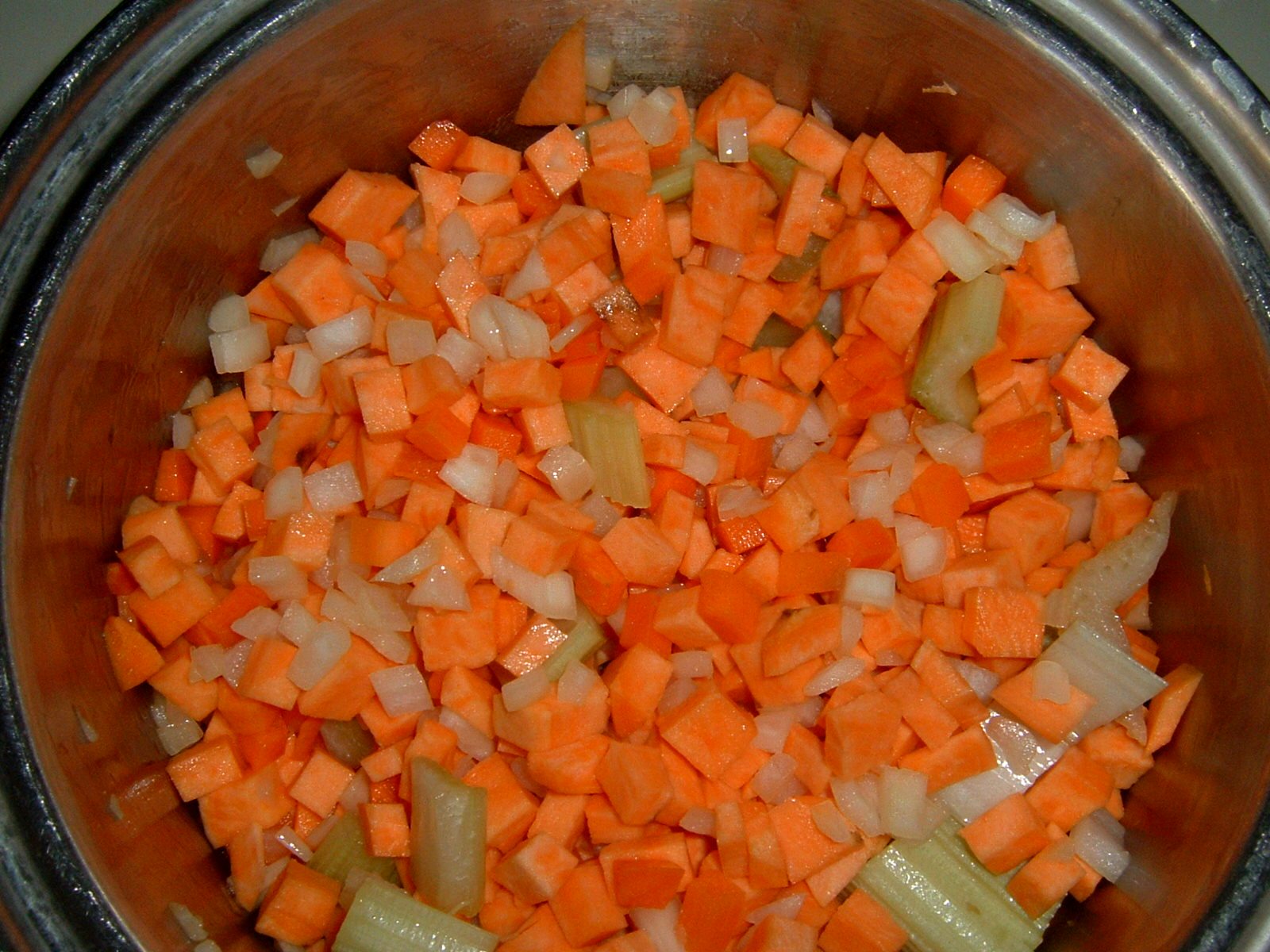
1. Heat the oil in a medium-large pot. Add the onion, carrot, celery, sweet potato, and kosher salt and sauté 5 minutes, or until vegetables have softened and onions are translucent.

DSCF0009

2. Add the dal, caraway seeds, fennel, garlic salt, pepper, and 4 cups water; mix well. Bring to a boil; lower the heat and cook, partially covered, until the dal are completely soft and disintegrating, about 1 to 1 ½ hours. Stir occasionally.

DSCF0013

3. Add the bok choy and continue cooking a few more minutes until the greens have softened.

DSCF0014

4. Taste the soup for seasoning; adjust as desired. Serve hot.

Makes about 6 servings.


1 Comment

Cranberry Sauce with a Sorghum Twist

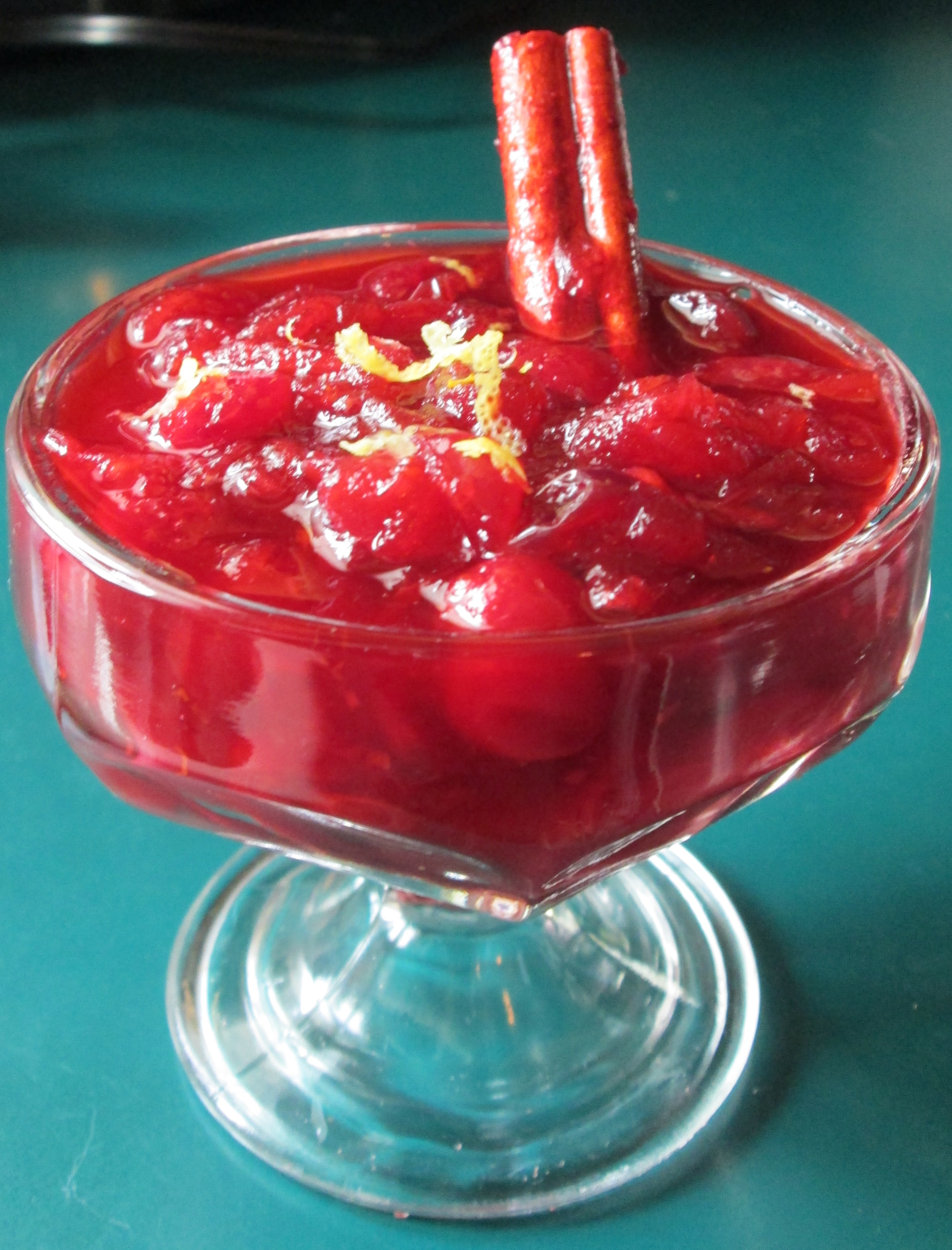
cranberry enhancedWell, here we are again, preparing for that iconic American holiday, the Most Important Meal of the Year: Thanksgiving.

Every year, I make fresh cranberry sauce. Some people prefer the canned variety to freshly made, but when I see that gelled log with can rings around it, I can’t help but feel that I can do better. In fact, anyone can. Fresh cranberry sauce is extremely simple, and the end product is so much better than the canned log. (Although, I know some of you feel like it’s truly not a traditional Thanksgiving without that log with the rings around it, so I say, whatever floats your boat.)

Cranberries are a tart fruit and cranberry sauce requires plenty of sugar to make it palatable enough for most people. But I always cringe a little when I start dumping the amount of sugar that most recipes call for into my pot of cranberries. So, this year, I decided to try some of the sorghum molasses that I brought up from a trip to the South.

The recipe I’ve always used calls for 2 cups granulated sugar. That’s a lot of sugar. So, I started with 1 cup brown sugar. Brown sugar is a nicer product to use than granulated sugar because it lend the sauce a delicate molasses flavor and it thickens it up better. My sauce was still a little too tart, but I really didn’t want to add any more sugar, so I reached for the sorghum molasses. I started with 2 tablespoons and I liked the results. However, I knew that most people would want it sweeter (I don’t have a big sweet tooth), so I added 2 more tablespoons. It worked wonderfully.

Sorghum molasses is a Southern staple, but it can be found in specialty stores elsewhere in the U.S. If you can’t find it, substitute brown rice syrup, barley malt syrup, or honey (the honey will be sweeter than the others).

If you’re looking for that cloying candy-sweet taste of canned cranberry sauce, this isn’t it. But if you want something that is a little more complex, texturally pleasing, and not as loaded with refined sugar, give this a try.

IMG_0022

Cranberry Sauce with a Sorghum Twist

Makes 3 cups

1 16-oz. package fresh cranberries
1 cup loosely packed brown sugar
¼ cup sorghum molasses
1 teaspoon grated orange zest
1 teaspoon grated lemon zest
1 cinnamon stick
¼ teaspoon nutmeg or ground cloves
1 whole star anise
Tiny pinch sea salt

Combine all ingredients with 1 ½ cups water in a 2-quart pot. Bring to a boil; lower the heat to low and simmer until cranberries start to pop. Continue simmering and stirring for about 5 minutes, smashing the cranberries along the sides of the pot (you can leave some whole). Taste and adjust sweetener level to your taste.

Remove from heat and let cool. Transfer to a jar or bowl and refrigerate until needed. Remove the cinnamon stick and star anise before serving or use them for garnish.

Variation: Add a tablespoon of raspberry or cherry liqueur or ½ teaspoon vanilla extract.


Leave a comment

Beet-Apple-Chia Salad

Laugh if you will, but chia seeds are the new superfood. Well, not so new, since they’ve been around since ancient times.

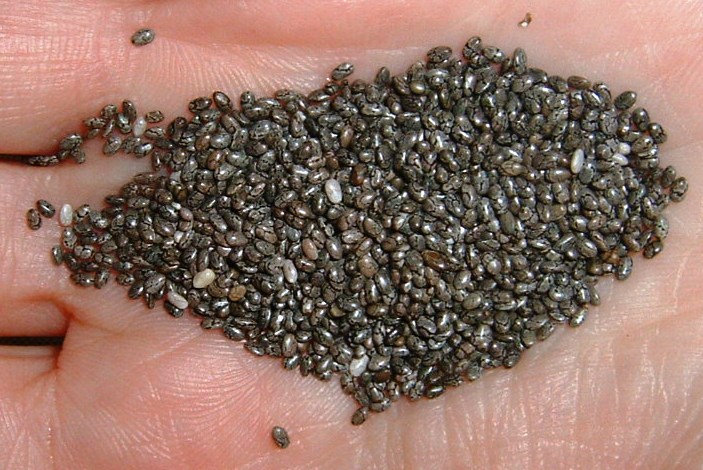
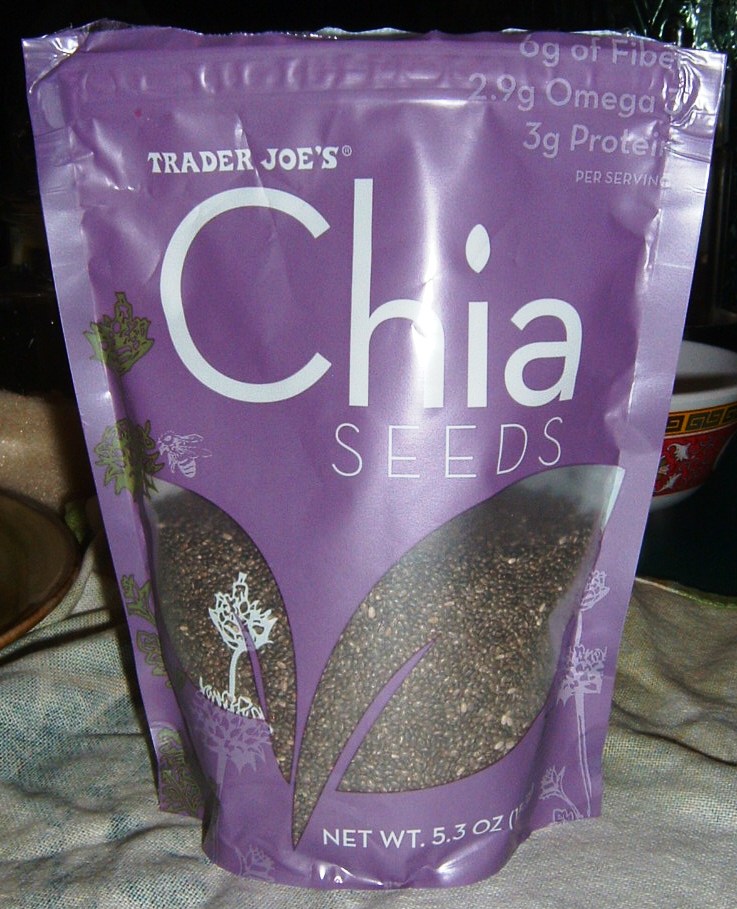
Chia Seeds

Chia Seeds

Yes, I’m talking about the same chia seeds that get watered on a head or little kitties and grows into a little mini landscape. Those seeds contain antioxidants, essential minerals, such as phosphorus, manganese, calcium, potassium, more iron than spinach, and more omega-3 fatty acids than salmon.  (Don’t use the ones that come in the Chia Head packages for consumption, though.)

Like quinoa, chia seeds are one of the few plant-based sources of complete protein, and have been used for hundreds of years for sustained energy. They were once a staple of Native American diets of both North and South America. In fact, I’ve read that “chia” is a Mayan word for “strength.”

Chia seeds purportedly increase strength and energy, helps retain hydration, and aids in weight loss. It’s great for diabetics because it lowers blood sugar levels. It’s also been said that chia seeds help in relieving thyroid conditions, IBS, acid reflux, hypoglycemia, and even Celiac disease.

You can use chia seeds in just about anything you would use flax seeds in: salad dressings, smoothies, yogurt, or just sprinkled on top of any dish. If you’re looking to replace eggs in baked goods, grind chia (or flax) seeds and use that in place of the eggs. The quantity depends on how many eggs are called for in the recipe, but here’s a general formula:

To replace 1 egg:
1 tablespoon chia or flax seeds—grind in a spice grinder
Mix with 3 tablespoons water

Note that products made with seeds instead of eggs will have a chewier consistency, so be judicious about what products you use them in.DSCF0002

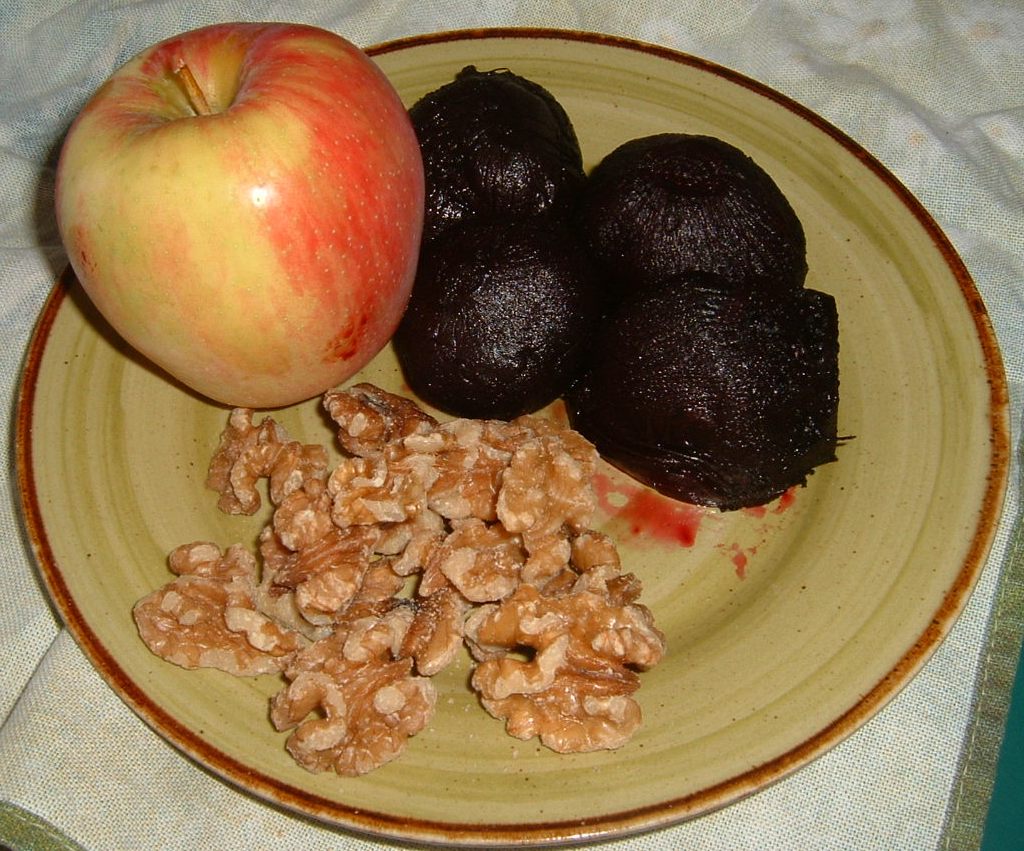
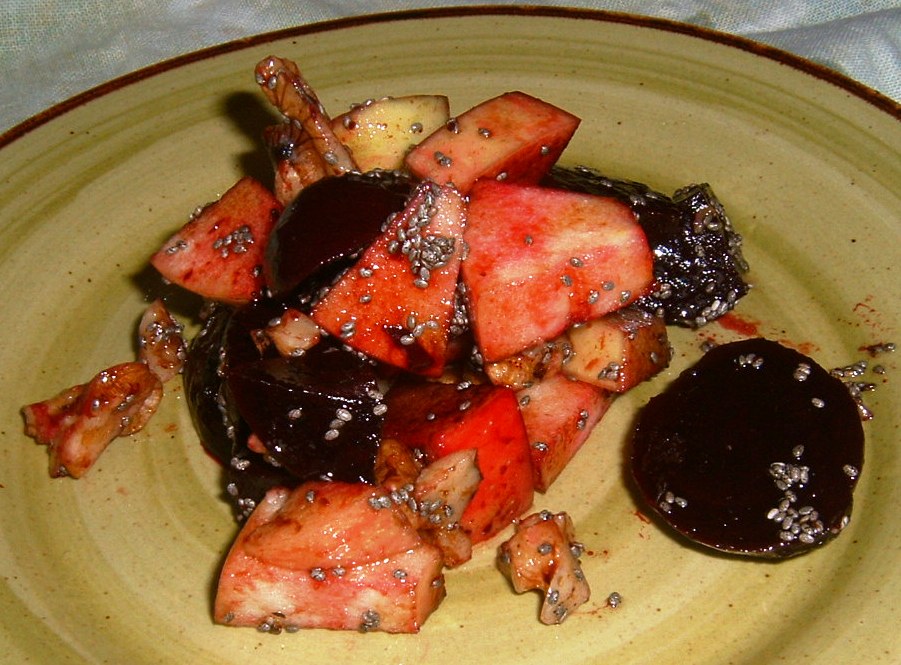
This is my recipe for Beet-Apple-Chia Salad, which I like to have for lunch. Between the walnuts and chia seeds, there’s enough protein in here to get you through the afternoon. It makes 2 portions if you’re making it to serve alongside something else. But for lunch, I eat the whole enchilada.

Beet-Apple-Chia Salad

4 small beets, roasted or boiled, peeled
1 tart apple, cored but not peeled
1/3 cup coarsely chopped walnuts
1/2 tablespoon chia seeds*
1 tablespoon extra-virgin olive oil
1 tablespoon balsamic vinegar
Salt and pepper to taste

Cut the beets and apples into bite-sized pieces. Combine them in a bowl, along with the walnuts, chia seeds, oil, and vinegar. Mix well. Season with salt and pepper, if desired.

Makes 2 servings.

DSCF0007

*Chia seeds can be purchased in natural/health food stores, but may also be found in larger supermarkets with an organic/natural food selection. I found my bag at Trader Joe’s.DSCF0003


Leave a comment

Romanesco Cauliflower

I don’t know if you’ve ever seen a romanesco cauliflower, or broccoli, but it’s a gorgeous vegetable. Its shape is what they call “fractal.” Merriam-webster.com defines fractal as “any of various extremely irregular curves or shapes for which any suitably chosen part is similar in shape to a given larger or smaller part when magnified or reduced to the same size.” I’ll just say that it’s amazing. I mean, take a look at it.Romanesco

Also known as broccoflower and Roman cauliflower, romanesco is part of the brassica family, which includes cruciferous vegetables (cauliflower, broccoli, cabbage, bok choy, Brussels sprouts, etc.) and was first seen in Italy around the 16th century. Although its color is closer to broccoli, its texture and flavor is that of cauliflower.

It’s such a visually stunning vegetable that whenever I see it, I can’t pass it up. Nature is a wonderous thing.Romanesco

This is a very simple old Italian recipe that usually uses regular cauliflower, but romanesco is easily substituted.

Pasta with Romanesco Cauliflower and Pignoli

1 small head romanesco cauliflower
1/2 pound whole wheat spaghetti
3 teaspoons kosher salt plus more
2 large garlic cloves, minced
1/4 cup olive oil
1/3 cup pignoli,  toasted
1 teaspoon paprika
Freshly ground black pepper to taste
Extra virgin olive oil (optional)
Grated parmigiano or pecorino romano

Bring a large pot of water to a boil. Add pasta and 3 teaspoons salt; and cook until al dente, about 10 to 12 minutes. Drain well.

Meanwhile, cut up cauliflower into florets. Heat olive oil in a large pan; add garlic and saute for one minute; sprinkle in paprika then immediately add cauliflower. Sauté over medium heat, stirring occasionally, for about 5 minutes. Add 1/4 cup water; cover the pan, lower the heat to medium-low, and cook until tender but firm, about another 5 minutes. Uncover and stir in the pignoli and salt to taste.

When the pasta is cooked, drain well and transfer to a serving bowl. Pour the cauliflower mixture on top and mix. If the pasta seems dry, drizzle some extra virgin olive oil on top and mix. Sprinkle some parmigiano or pecorino over the top and serve hot.

Makes 2 servings.