Miz Chef

Cooking Up a Healthy Life


1 Comment

Chocolate Cake with Avocado Mousse

This week, I wanted to offer my recipe for Chocolate Cake with Avocado Mousse. It received raves when I made it and I’m finally getting around to posting it.

The first ingredients is a chocolate sheet cake. You can certainly make it from scratch, but if you’re pressed for time, you can go and buy one from the store.

Rich chocolate cake paired with a zesty avocado mousse makes a luscious sweet-tart flavor combo. The white chocolate chips give it a gratifying chewy element without competing with the cake. Besides, with antioxidants in chocolate and omega-3 fatty acids in avocado, who can argue that this is a decadent dessert with health benefits? And it’s vegan!

Chocolate Cake with Avocado Mousse

1 chocolate sheet cake (9×13”)
2 Haas avocados
1/4 cup lime juice
1 teaspoon vanilla extract
1 tablespoon honey
1 tablespoon citrus zest (orange, lemon, lime or a combo)
1 teaspoon maple crystals
1/3 cup white chocolate chips

1. Trim off about 1 inch from each end of the cake. Split the cake in half, lift off the top half, and set aside.

DSCF0016

2. Combine avocados, lime juice, vanilla, honey, citrus zest, and maple crystals in a food processor and process until completely smooth. (Stop the machine and push down the mixture with a rubber spatula, if necessary.)

3. Spread the avocado mixture evenly over the bottom half of the cake. Sprinkle the chips evenly over the avocado. Replace the top half of the cake.

DSCF0022

4. Cut into 12 squares, or use a 2 1/2-inch ring mold to cut out circles. Serve as is or sprinkle powdered sugar over the top.

Makes 12.

DSCF0026DSCF0027


Leave a comment

Orange-Flavored Yerba Mate

I was in a supermarket in Jackson Heights, Queens, that carries a multitude of Latin American products, and as I often do, I chose a product that I’ve never seen before to purchase and try. This time it was orange-flavored yerba mate. (Actually, I picked up two new products—the other one being lucuma flour, but I’ll leave that for another blog).

For those of you who are not familiar with yerba mate, it’s an herb that when steeped makes an invigorating tea. It’s popular in numerous South American countries and is the national drink of Argentina.IMG_2298

The traditional way to drink yerba mate is to prepare it in a hollowed-out gourd and sip it through a bombilla, a special straw, often made of silver, designed so that it filters out the leaves and twigs. The biggest benefit of yerba mate is that it’s an energy booster. Some say that it’s just as effective at invigorating the body as coffee; others say that it falls somewhere between tea and coffee. It contains antioxidants, and it’s been said that it also helps with weight loss. Like anything else, it has its detractors, too, but the Mayo Clinic recommends that it’s generally safe to enjoy yerba mate in moderation.

Yerba mate with Argentinian mate gourd

Yerba mate with Argentinian mate gourd

The gourd itself is called a mate or guampa, depending on where you are in South America. Traditionally, tomando mate (drinking mate) with friends or guests involves a ritual of sharing out of one of these gourds. The gourds themselves require curing, like seasoning a cast iron pan. The ritual is a symbol of hospitality, and is reminiscent of a Japanese tea ceremony. (For more information about the history of yerba mate, the drinking ritual, and how to “season” a gourd, this site is pretty good. Note that I’m not endorsing this particular brand, only its information!)  The one in the photo here was brought to me by my brother when he returned from a “back to my roots” trip to Buenos Aires, where he was born and spent the first few years of his life. Lovely, isn’t it? In fact, these gourds can be works of art, and antique versions can go for quite a bit of money (I’ve seen up to $300 for ornate examples).

Bombilla

Bombilla

Yerba mate has been available here in the U.S. for some time. I first tried it about 10 years ago. But, until now, I have never seen flavored yerba mate. I came to learn that in South America, yerba mate is often flavored with citrus, mint, or other flavors. Yerba mate has a strong flavor, herbal (duh) and a bit grassy, and I find it slightly bitter, so I’ve never been a huge fan. I was curious to see if the addition of orange would improve the taste for me.

Yes, it did. I found that the citrusy flavor, along with some honey, actually made it a pleasant drink to have. I made sure to have it in the afternoon and it got me through a very busy day.

If you’d like to give yerba mate a try:

Place some yerba mate in a tea ball or filter basket (same amount as you would use for any other tea). Heat some water, but don’t boil it—supposedly, boiling water makes it bitter. Pour over the yerba mate and let it steep for about 5 minutes. Add honey or anything else you like to use in tea. Then, enjoy!

If you’re fortunate enough to have a mate, steep the tea right in the gourd and sip through the bombilla. And don’t forget to share.


Leave a comment

Limoncello Sunrise

This was a particularly difficult month and week for me, so I decided that this week’s recipe should be a cocktail. I had quite a few cocktails and glasses of wine this month to get me through, but this one turned out nicer than I had expected. I used homemade limoncello, but any brand that you get from the store will do.

It’s a bit on the sweet side, so give it a taste. If you want to tone down the sweetness, add a little less o.j. and/or a bit more rum. It’s called “sunrise” because it looks like one of those types of drinks that are reminiscent of…well, sunrises. Little umbrella optional. :- ) Enjoy!Limoncello Sunrise

Limoncello Sunrise

1 ounce limoncello
1 ounce rum
4 ounces freshly squeezed orange juice (~2 juicing oranges)
1 tablespoon grenadine or strawberry syrup
1 orange slice
¼ cup crushed ice or 1 or 2 cubes

Place ice in a tall glass. Add the limoncello, rum, and orange juice and mix. Pour in the grenadine or syrup and let it settle at the bottom. Garnish the glass with the orange.

Makes 1 cocktail.


2 Comments

Mixed Dal Soup

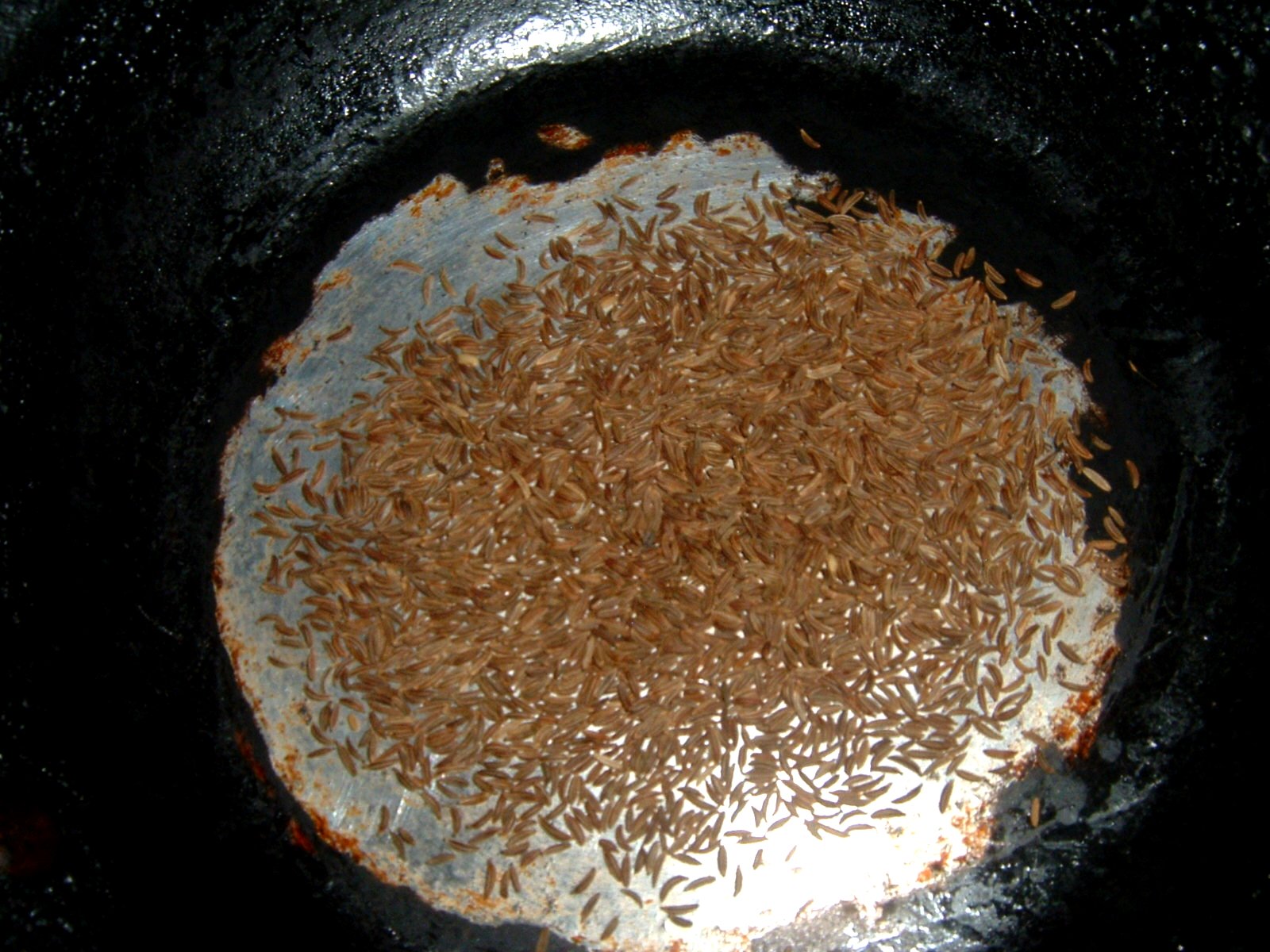
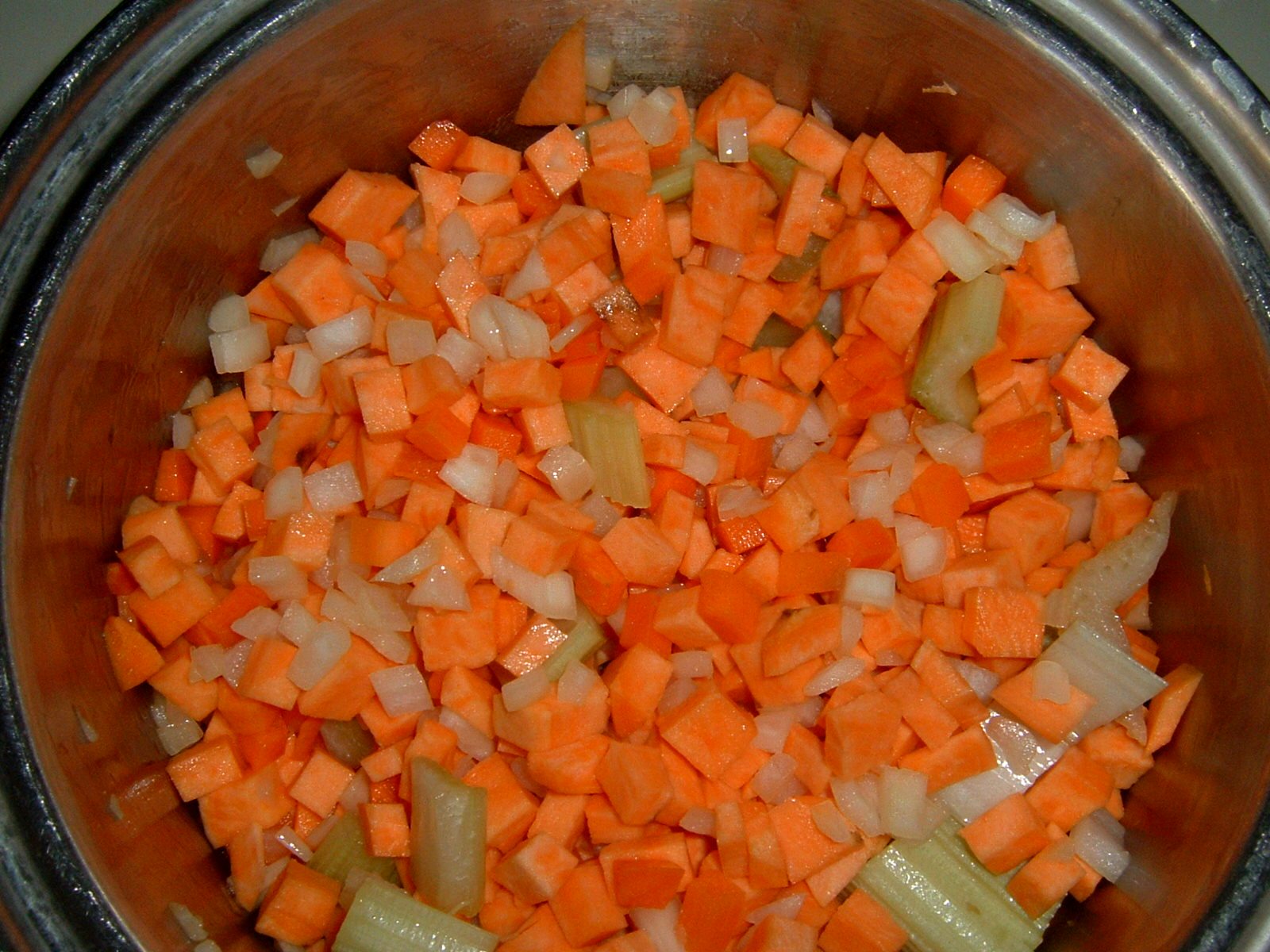
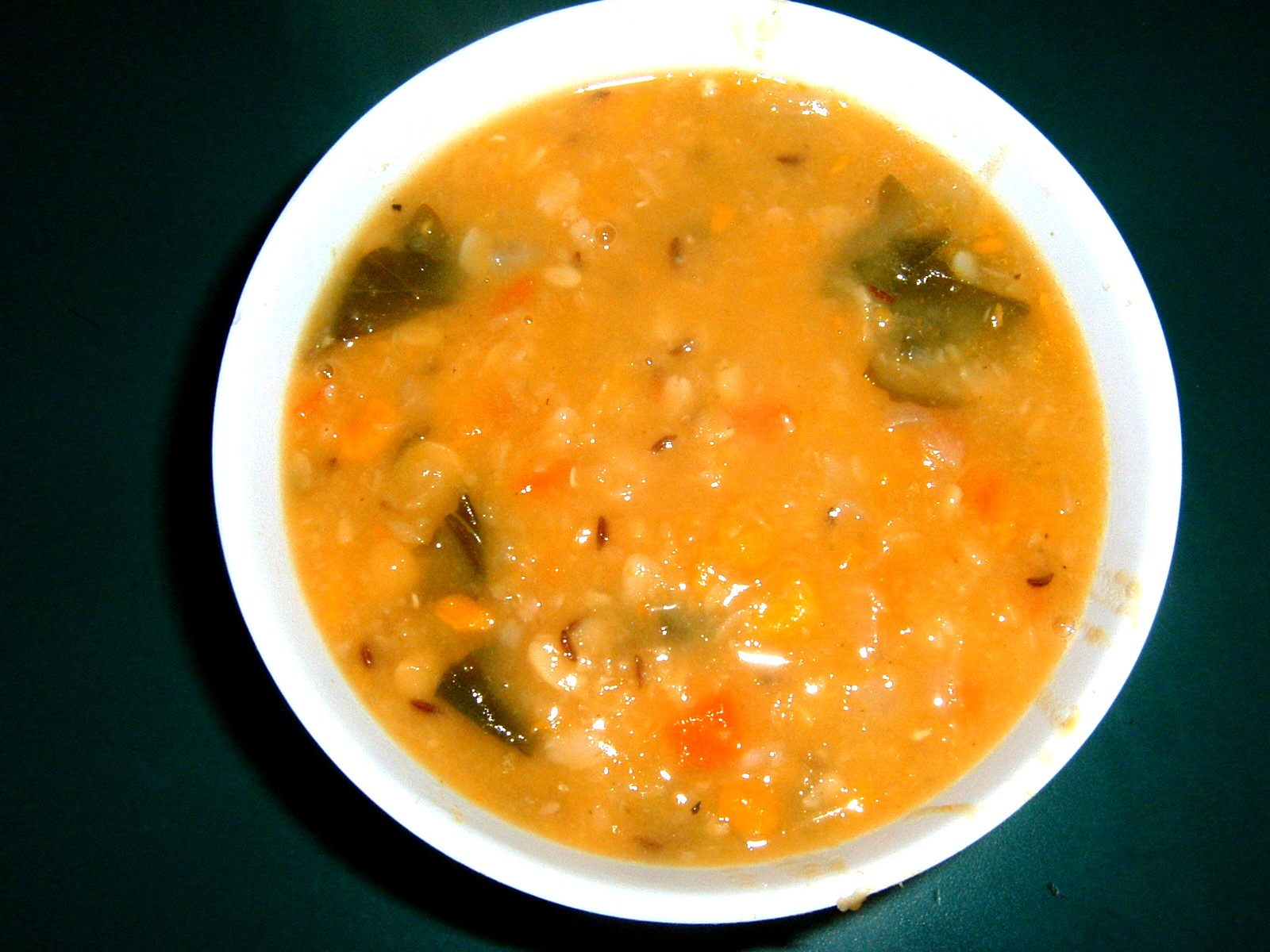
I picked up some mixed dal at an Indian store in Jackson Heights and since the weather was DSCF0007about to take a turn for the worse, I decided to make mixed dal soup. Mixed dal is a mixture of different split lentils and they make delicious meals. They’re also packed with protein, and with a few greens thrown in, you’ve got a complete, filling, satisfying meal. Toasting the caraway seeds gives the soup a great, complex flavor. And it was just right on a rainy, dreary day. So here’s my version of mixed dal soup.

Mixed Dal Soup DSCF0008

2 tablespoon olive oil
1 small onion, diced small
1 medium carrot, diced small
1 celery rib, finely chopped
¼ lb. sweet potato, diced small
½ teaspoon kosher salt
1 cup mixed dal
1 tablespoon caraway seeds, toasted (optional)
1 teaspoon ground fennel seeds
1 teaspoon garlic salt
freshly ground black pepper
½ lb. bok choy (green tops only), chopped

1. Heat the oil in a medium-large pot. Add the onion, carrot, celery, sweet potato, and kosher salt and sauté 5 minutes, or until vegetables have softened and onions are translucent.

DSCF0009

2. Add the dal, caraway seeds, fennel, garlic salt, pepper, and 4 cups water; mix well. Bring to a boil; lower the heat and cook, partially covered, until the dal are completely soft and disintegrating, about 1 to 1 ½ hours. Stir occasionally.

DSCF0013

3. Add the bok choy and continue cooking a few more minutes until the greens have softened.

DSCF0014

4. Taste the soup for seasoning; adjust as desired. Serve hot.

Makes about 6 servings.


Leave a comment

Cassava Bread

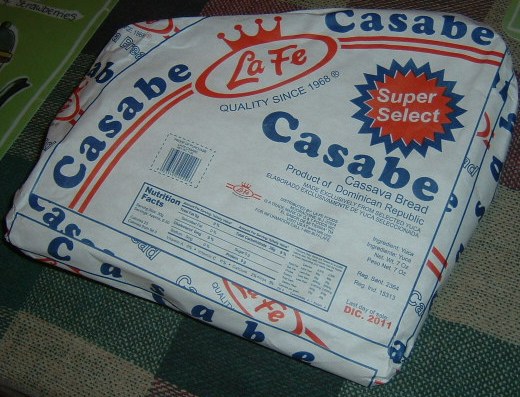
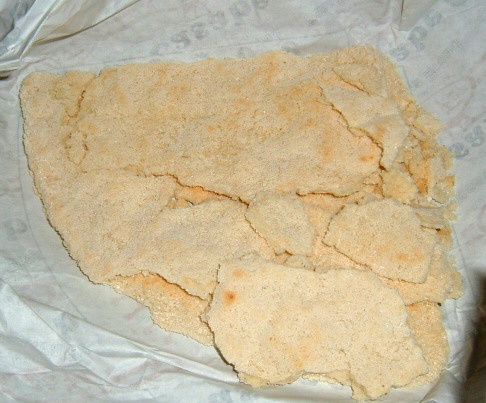
cassava bread 1 cassava bread  2I’m always finding new products to try, and this week, it was cassava bread.

Prior to buying this product, I had seen, and even made, bread made out of cassava, but it was not what is known on the market as “cassava bread.” This particular bread—a typical product in the Dominican Republic—is dry, flat, and cracker-like. It’s quite plain and meant to be eaten as an accompaniment to meats and stews. (What’s funny is that the store where I bought it had it stacked on a shelf in the produce aisle. Um, sure. You know, plantains, potatoes, and cassava bread all go together, right?)

I asked a Dominican friend at work about it when I brought back from the store during my lunch breadk. She warned me that it’s very plain, and she was right. The texture was dry and hard, and the flavor (if it can be called that) is that of saltless toast. But that makes sense. When eating a spicy stew or sauce-covered meat, this bread is probably just right as a counter balance. I tried mine with tomatoes and olive oil, like a bruschetta. It wasn’t bad. It probably does better when left to soak up stew juices, though.

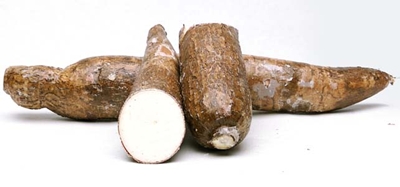
yuca

Photo: Melissa’s Produce

Cassava, by the way, also goes by the names yuca, manioc, and tapioca. It’s a staple food for South America, the Caribbean, Southeast Asia, and Africa, and it can be used fresh (i.e., the root) or as a flour (sometimes called tapioca starch). It’s a creamy white root, very starchy, and pretty bland. But it cooks up like a potato and is extremely versatile. It’s not the prettiest root in town, but it’s filling and is a great vehicle for all kinds of flavors. And it’s gluten free!

And, yes, it’s the same tapioca they use to make tapioca pearls from. That’s what you need for pudding and bubble tea. 🙂

Have you ever eaten cassava bread? How did/do you eat it? I love to learn about how ethnic foods are eaten, so please share.


Leave a comment

New Year’s Dish for Luck: Black-Eyed Peas & Quinoa

This is my last post of 2013. It was a head-spinning year for me, and my calendar looks like one big ink blot from all the markings. I attended and participated in many culinary events, including “An Evening with Dorie Greenspan” and “An Evening with Mollie Katzen and Sara Moulton,” thanks to the New York Women’s Culinary Alliance (NYWCA). Rick Bayless Mollie Katzen-Sara Moulten IMAG0436I had the pleasure of cooking something out of their cookbooks for everyone to enjoy at the events.

I volunteered at the Food Network Food & Wine Festival, where I had the honor of working with Rick Bayless at  Bobby Flay’s “Tacos & Tequila” event. For Women Chefs & Restaurateurs, I was on a panel about media skills for chefs. I also attended FoodBlogSouth in Birmingham in January, went on a tour of Jacques Torres’ chocolate factory in Manhattan with Jacques himself, and attended many other fun events throughout the year.

Also this year, I took on the role of copyeditor for the NYWCA member newsletter, and I am involved with the NYWCA’s fundraising raffle taking place on February 3, “An Evening with Mollie O’Neill.” Proceeds of the raffle will go to GEMS (Girls Educational and Mentoring Service) for young women 12–24 who have experienced sexual exploitation and abuse; Spoons Across America; WISCAH—Chef Training Program; and FamilyCook Productions—Teen Battle Chef Program. Prizes include: $1,000 OXO Gift Certificate; Wine-Pairing Dinner & Hotel for Two ($600 value); Cuisinart Elite Collection Package ($600 value); and Dinner for 8 at Murray’s Cheese Bar ($500 value). If you’re interested in attending the event and/or purchasing raffle tickets, just contact me via the form below and I’ll hook you up.

Now, onto food.

Around the world, different people have their own traditions and rituals for ringing in the New Year. And food always plays a part.

For example, in Japan, it is customary to eat soba noodles during the New Year’s celebration to ensure a long life. In many Latin American countries, as well as Spain, 12 grapes are eaten—1 for each month—and it is hoped that the grapes are sweet as a harbinger of a sweet year ahead. In many countries, legumes are popular for New Year’s because they swell when cooked, symbolizing increased financial prosperity. Lentils, particularly, are used in Italy and Brazil.

In the United States, black-eyed peas are popular (the musical group and the legume) and Hoppin’ John is a staple New Year’s dish in the South. I made my own black-eyed peas dishred quinoa salad 2 incorporating the healthy grain quinoa. And to make it more festive, I used red quinoa. So, here’s the recipe for my New Year’s Red Quinoa and Black-Eyed Peas Salad. Enjoy.

Happy New Year, everyone! Have a fun, safe time, and may 2014 bring you joy and happiness.

New Year’s Red Quinoa and Black-Eyed Peas Salad

1 1/2 cups red or white quinoa, rinsed
2 3/4 cups vegetable stock
2 cups cooked black-eyed peas
1 1/2 cups chopped bell peppers, mixed colors
5 scallions, thinly sliced
1 Haas avocado, cut into small dice
1/4 finely chopped fresh Italian parsley

Dressing:
1/4 cup extra virgin olive oil
2 tbsp balsamic vinegar
1 tbsp flavored mustard
salt and pepper to taste

1. Cook the quinoa in the vegetable stock until liquid has been absorbed and grains are tender. Transfer to a large bowl and let cool.

2. When quinoa has cooled, add remaining ingredients (except dressing).

3. Whisk together the dressing ingredients and pour over salad. Mix well and adjust seasoning as desired. If it’s dry, add more oil a little at a time and mix well.

← Back

Thank you for your response. ✨


4 Comments

Chestnut-Chocolate-Bourbon Brownies

chestnut chocolate bourbon brownies

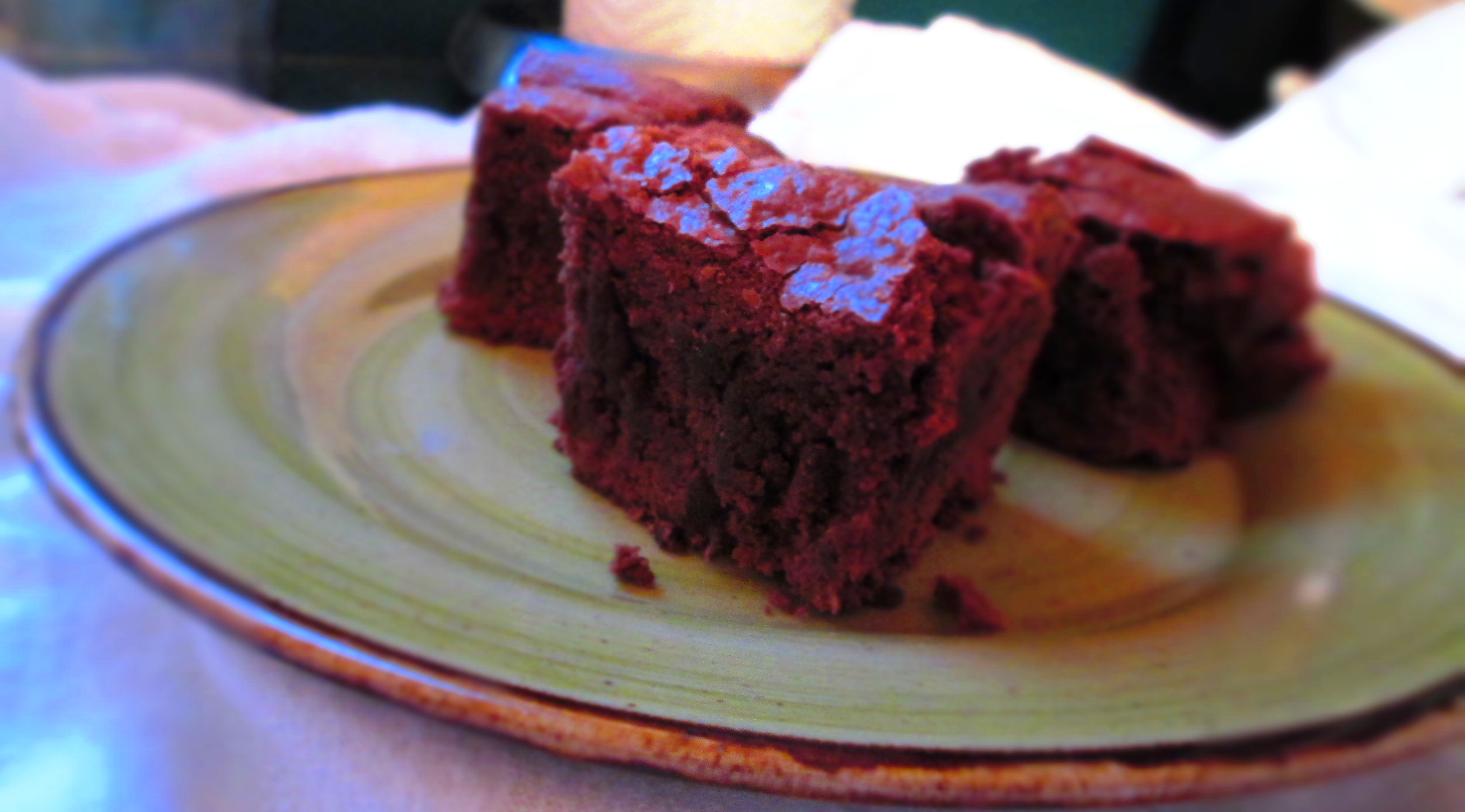
If you’re still looking for something to bring to the family meal for the holidays, try this one. It’s Chestnut-Chocolate-Bourbon Brownies. What gives them a seasonal touch is the chestnut spread, which is flavored with vanilla and sugar, so additional sugar is unnecessary.IMG_1840

These are the perfect party treat. Chestnut is a classic holiday ingredient, and who doesn’t love brownies? As for the bourbon…well, let’s just say it makes the holidays go down easier.

You can find the chestnut spread at gourmet shops (I found mine at Dean & Deluca in Manhattan).

For those of you who celebrate, I hope that you have a wonderful, joyous Christmas, or a bountiful, happy Kwanzaa.

Chestnut-Chocolate-Bourbon Brownies

Makes 16 servings

8 oz. bittersweet chocolate or 1 cup bittersweet chips
1 can chestnut spread
4 tablespoons butter, at room temperature
1 large egg
2 tablespoons bourbon
1 cup all-purpose flour, sifted
1 teaspoon baking powder

Preheat oven to 350 degrees. Grease an 8 x 8-inch square baking pan and line it with parchment.

IMG_1839

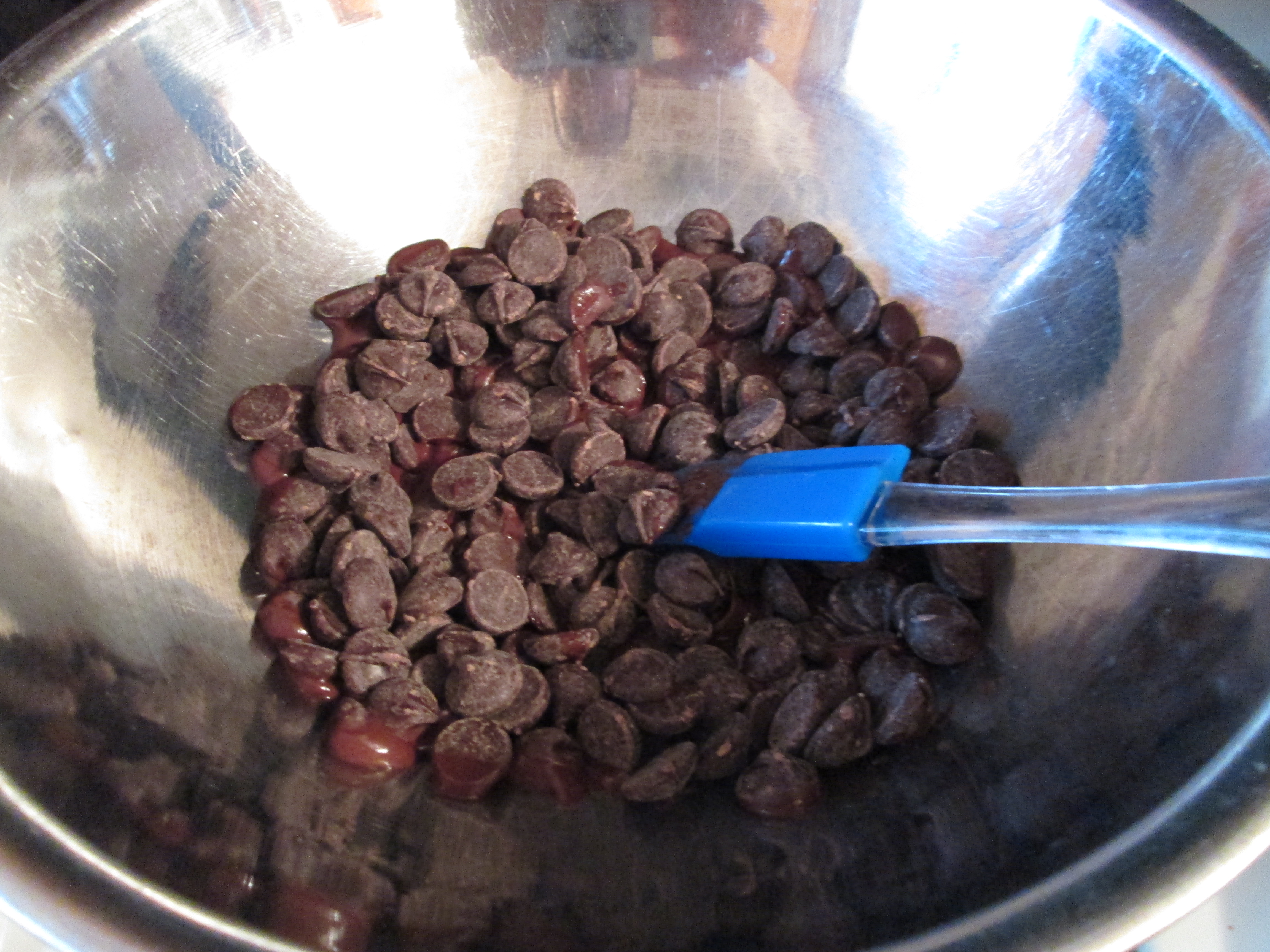
Melt chocolate in a double boiler or an aluminum bowl set over a pot of simmering water.

IMG_1842

In a medium bowl, combine the chestnut spread and butter. Stir to break up butter. Stir in egg, then bourbon and melted chocolate. Add flour and baking powder and stir just until blended.

IMG_1845

Transfer batter to baking pan. Bake 45 to 60 minutes, or until a toothpick inserted in the center comes out fairly clean. If top get dark before cake is done, cover with aluminum foil.

IMG_1850

Transfer pan to wire rack and let cool for 10 minutes, then lift cake out of pan using parchment and place on rack. Let cool completely. Cut into 2-inch squares.


Leave a comment

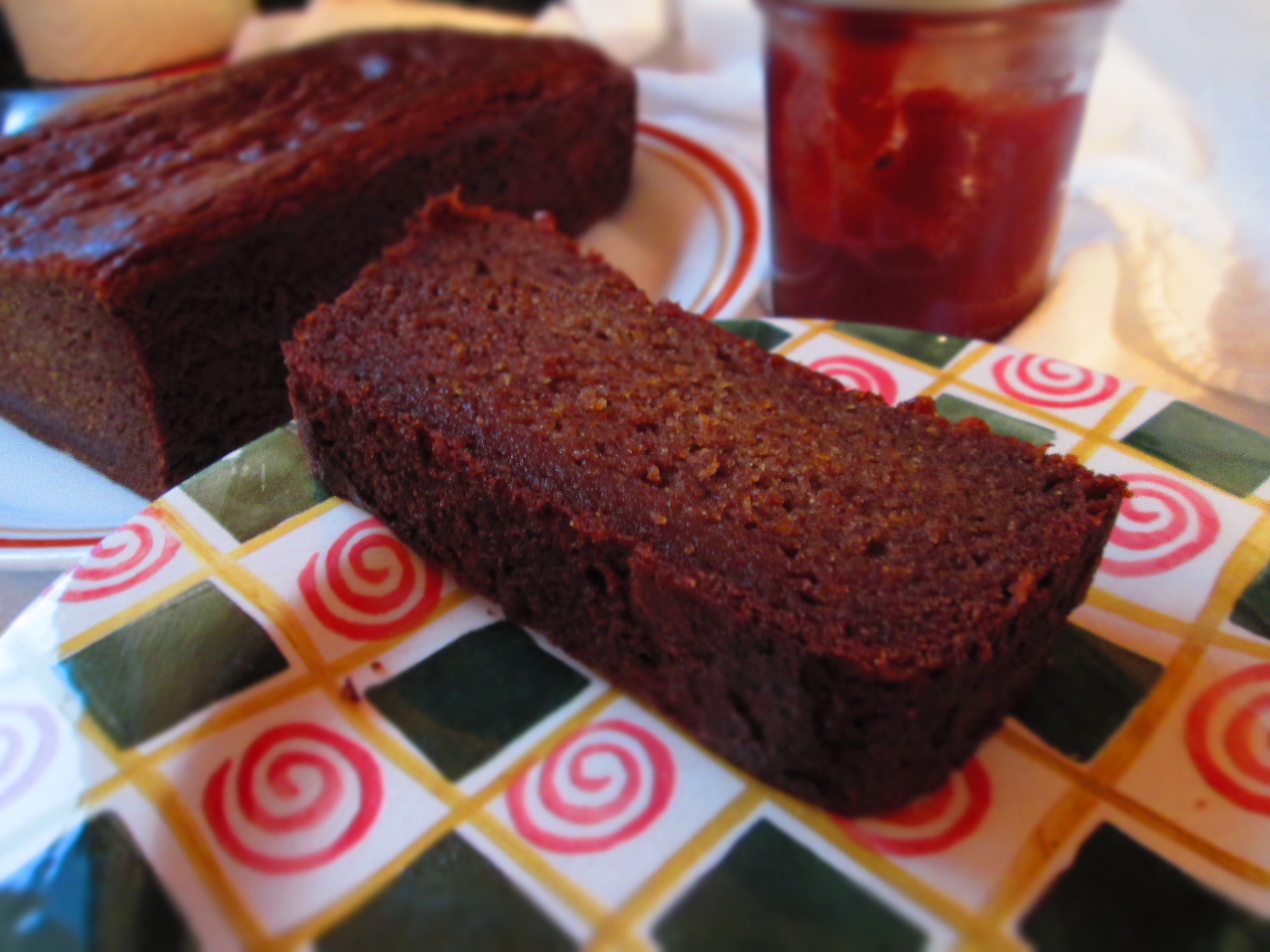
Persimmon Tea Cake

IMG_1857

It’s the season for persimmons! This is the time of year when persimmon lovers rejoice because persimmons are a sumptuous fruit, sweet and soft (or crunchy, depending on which you get).

Persimmons are a rather expensive fruit, so when I get my hands on some, I usually just eat them as fruit. However, recently a co-worker brought in a huge bag of persimmons from her own tree (how I wish I had one!). So, with that opportunity, I decided to try baking something with them.

So here now is my Persimmon Tea Cake. This is a dense but moist loaf that doesn’t IMG_1838need any embellishment. It’s great for an afternoon snack with a cup of coffee or tea.

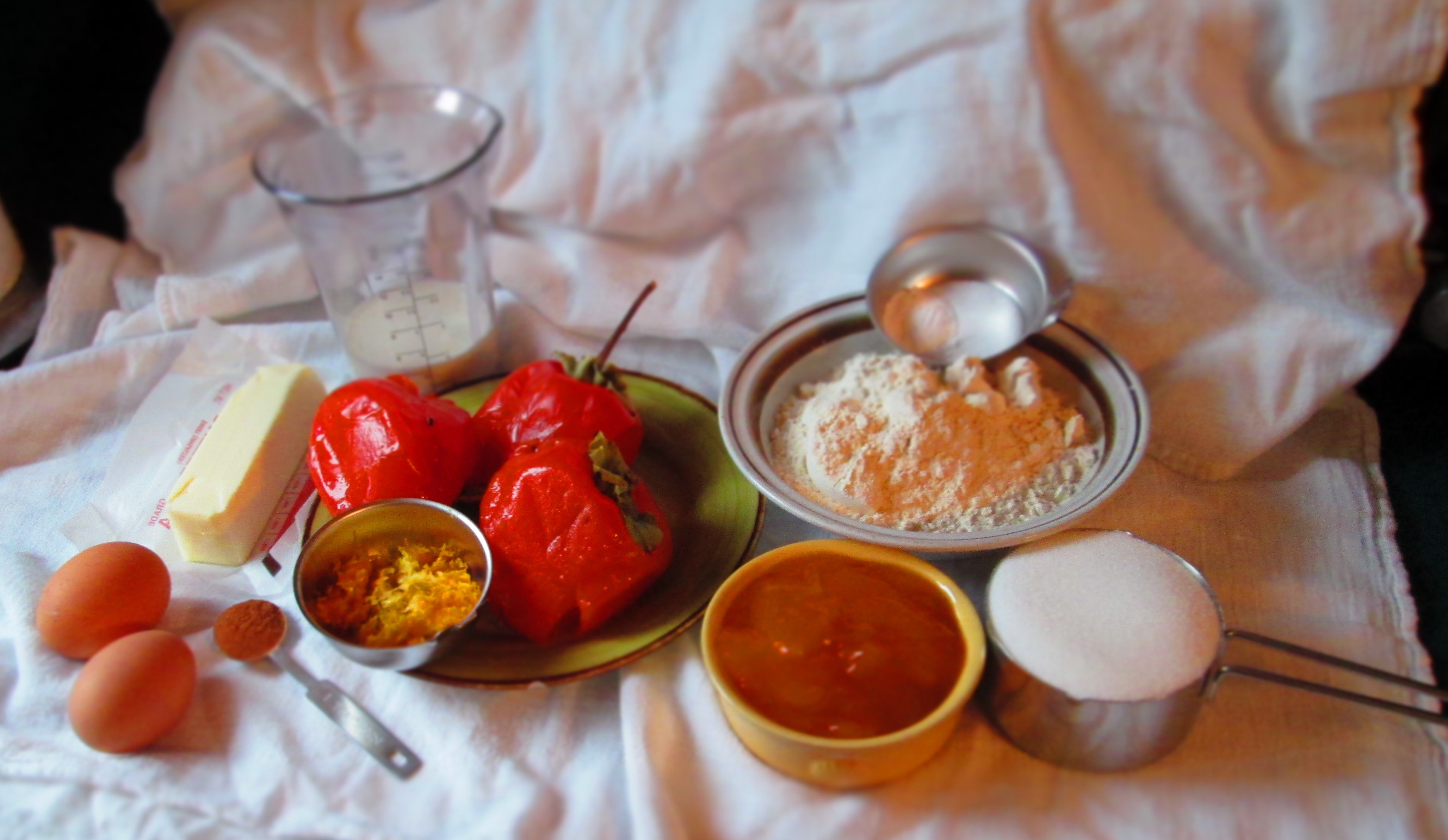
Make sure that you use the larger Hachiya persimmons and not the smaller Fuyu. Fuyu are delicious to eat out of hand, but it remains somewhat hard and the pulp isn’t as soft and creamy when pureed. You can puree a bunch of persimmons and keep it tightly sealed in the freezer until you need it.

IMG_1824

Fully ripe persimmons

And while Fuyus can be eaten hard, Hachiyas most certainly cannot. Hachiyas are ready to be eaten when they are extremely soft and look like they’re on the verge of rotting. No, really. Hachiyas are astringent and if you eat them before they’re ready, I guarantee you that you will regret it and remember it as long as you live. Every drop of moisture in your mouth will dry up. I jokingly tell people that an unripe persimmon will dry up their whole head. Believe me, it will feel that way.

But once they’re soft and ready, their flavor and sweetness are sublime. Unfortunately, their flavor is also delicate and won’t come out strongly in cake. Rather, the cake will have an unusual, undefinable flavor, but absolutely pleasing. I’m working on a gluten-free version, so one of these days, I’ll post that recipe.

In the meantime, enjoy this one.

Persimmon Tea Cake

Makes 1 loaf.

¾ cup all-purpose flour
¾ cup whole wheat pastry flour
1 ½ teaspoon baking soda
1 teaspoon kosher salt
1 teaspoon ground cinnamon
½ cup buttermilk
1 ½ tablespoons orange zest
1 tablespoon lemon zest
½ cup butter, at room temperature
1 cup sugar, preferably organic
2 large eggs
1 cup persimmon pulp (from about 3 medium-large persimmons)

IMG_1822

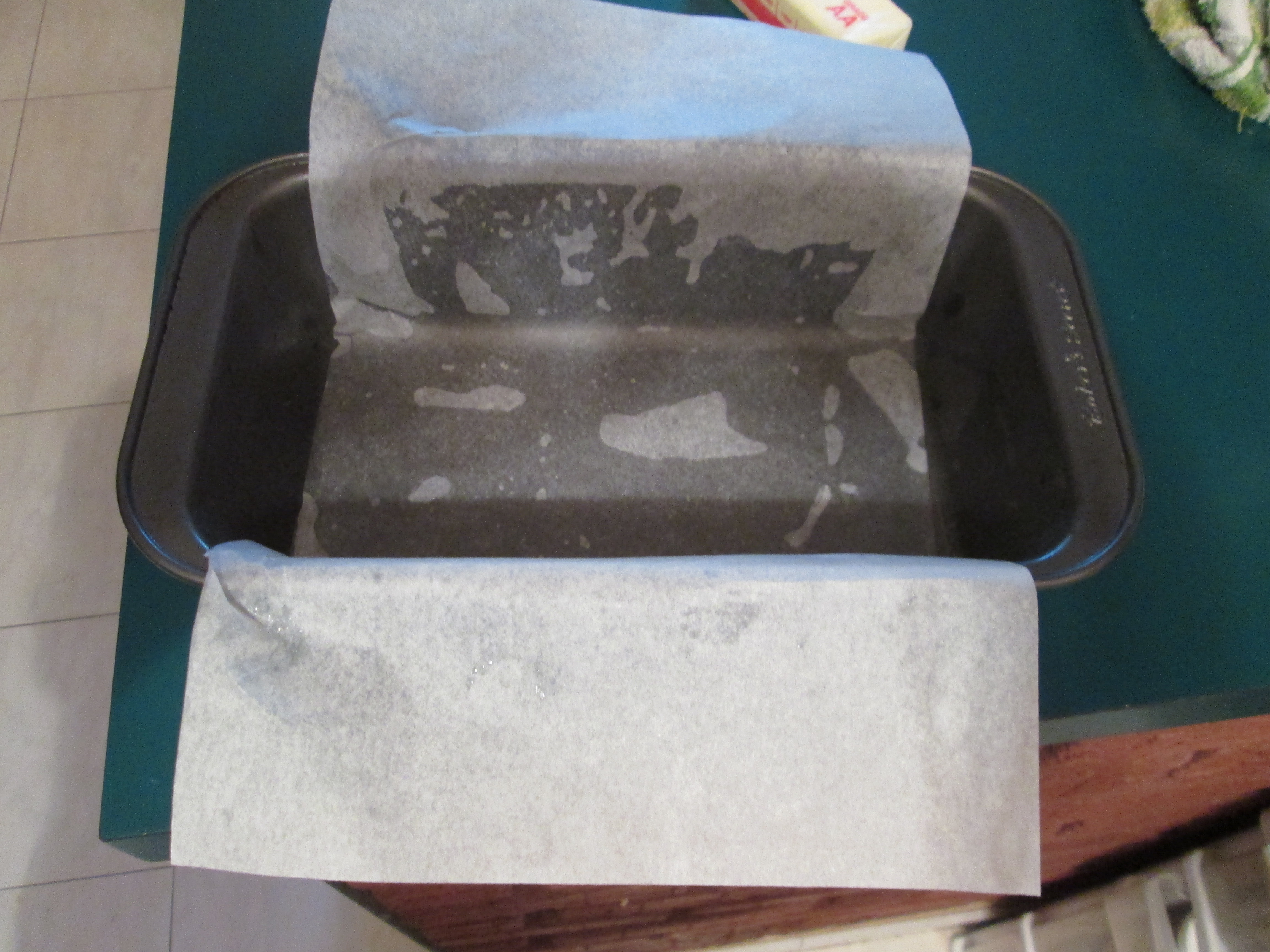
Preheat oven to 350 degrees. Grease a 9 x 5 loaf pan, or line it with parchment paper (I like to do both for easy removal).

IMG_1829

In a medium bowl, whisk together the flours, baking soda, salt, and cinnamon.

Using an electric mixer or food processor, puree pulp until smooth. Transfer to a medium bowl and whisk in buttermilk and zests.

IMG_1825

With an electric mixer, beat butter and sugar in a medium bowl until light and fluffy. Add one egg and beat it in, then add the other one and beat it in.

IMG_1830

Mix in the persimmon pulp. Add the flour mixture in a little at a time and mix just until blended.

IMG_1831IMG_1836

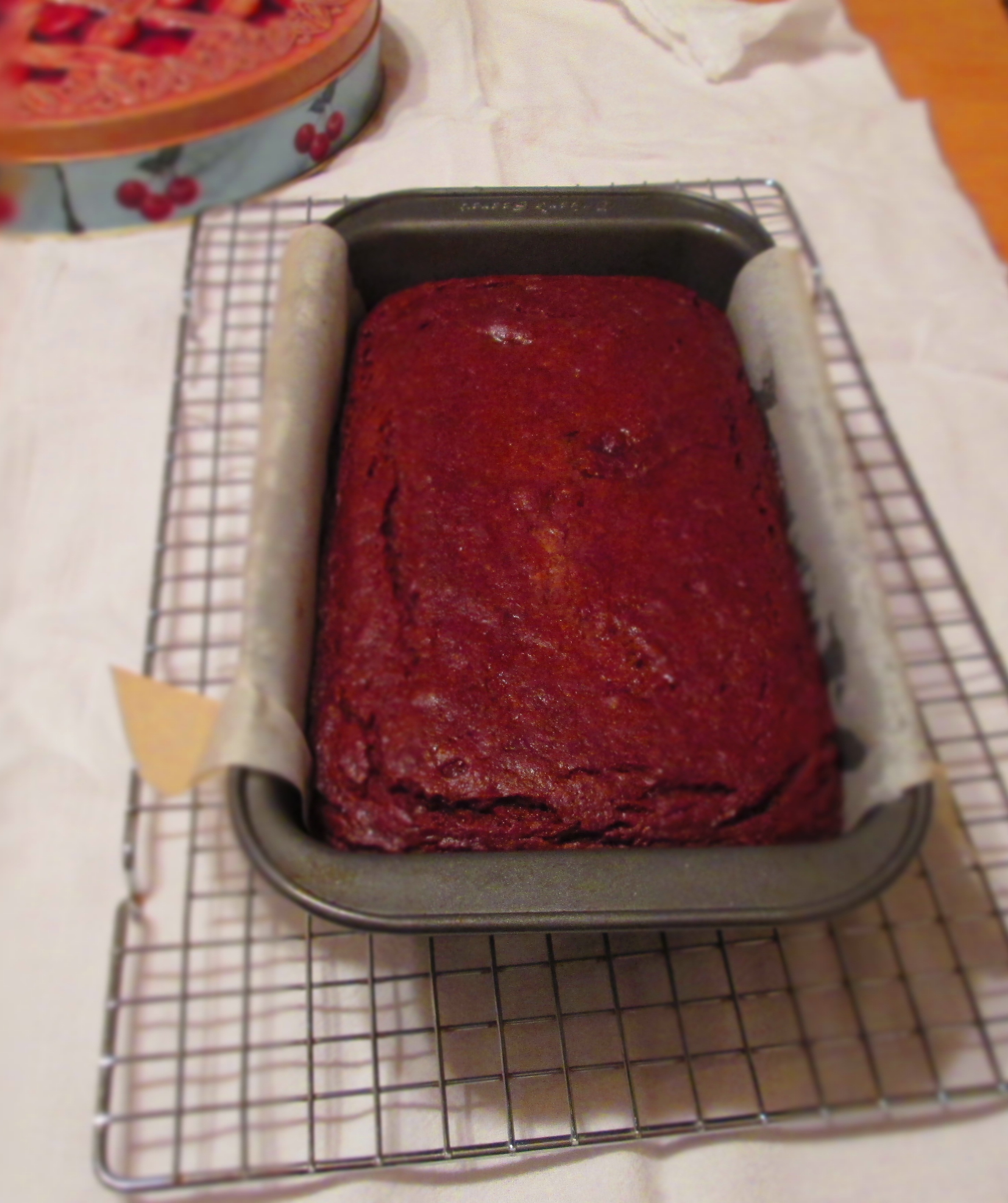
Transfer to loaf pan and bake 45 to 60 minutes, or until a toothpick inserted into the center comes out clean. Cool on wire rack for 10 minutes; remove from pan and let cool completely.

IMG_1837


Leave a comment

Bourbon-Coconut-Pumpkin Cake

I love having leftover pumpkin in the refrigerator because it prompts me to bake something new with it, and that’s one of the best things about the holidays. I’m not much of a pumpkin pie fan, but I love other baked goodies made with pumpkin.IMG_1820

This started off as a basic pumpkin cake, but I veered off a little and added a couple of items that I thought really brought it up a notch (or two): bourbon and coconut. The flavor and texture made it a huge hit. My only regret is that I didn’t get a shot of the cake after I’d iced it. I hope you all like it.

Enjoy!

Bourbon-Coconut-Pumpkin Cake

1 cup whole wheat pastry flour
1 cup all-purpose flour
1 tablespoon baking powder
1 tablespoon ground cinnamon
1 teaspoon ground allspice
½ teaspoon ground nutmeg
½ teaspoon salt
½ cup butter, softened
1 cup organic sugar or coconut sugar
1 ½ cups pumpkin puree
1 cup shredded unsweetened coconut
3 large eggs
2 tablespoons bourbon or whiskey

Icing

1 cup confectioners’ sugar
1 to 2 tablespoons bourbon
1/2 cup shredded coconut

Preheat oven to 350 degree. Grease an 8-inch square or round cake pan (or line with parchment).

In a medium bowl, whisk together flours, baking powder, cinnamon, allspice, nutmeg, and salt.

In a large bowl, whip butter and sugar until fluffy (the consistency should be sort of like wet sand). IMG_1812

Gently mix in the pumpkin, coconut, eggs, and bourbon.

IMG_1813

Fold in the flour mixture.

IMG_1814

Spoon into pan and smooth out the top.

IMG_1816

Bake until a toothpick inserted into the center comes out fairly dry (a couple of crumbs is okay), about 1 hour.

IMG_1818

Move to a wire rack and let cook 5 minutes. Invert it onto the rack, then invert it again to be top-up. (If you used parchment paper, you can just lift it right out of the pan.) Let cook completely.

Make icing: Combine sugar and 1 tablespoon bourbon in a small bowl and stir until smooth. If too thick, add a little more bourbon; if too thick, add more sugar. Pour over top, spreading it out so that it falls over the sides. Sprinkle coconut over the top.

Makes 1 10-inch cake.


2 Comments

15 Things to Do With Leftover Stuffing

Well, now that another Thanksgiving has come and gone, many of us are left with the stuffingserious question of what to do with all those leftovers, especially the stuffing (or dressing, depending on where you are). Personally, I just eat it the way it is for days. But others want to use their leftovers in different and creative ways. So, here are some ideas for using up all that delicious stuffing in your fridge.

These ideas will work with any kind of bread or cornbread stuffing. Other kinds of stuffing (such as those based on rice or other grains) may or may not work, depending on the recipe and what you add to it.

I’d love to hear from you and find out what you made with your leftovers this year.

15 Things to Do With Leftover Stuffing

  1. Stuffed Peppers (Cut the peppers in half, remove the seeds and membranes, and press the stuffing into the cavities. Bake at 350 degrees for about 20 minutes, until peppers have softened.)
  2. Frittata (Beat 6 eggs and stir in about a cup of stuffing. Cook in a nonstick pan over medium-high heat until underside has browned. Flip over or place in a 350 degree oven until other side has browned.)
  3. Turkey casserole (Replace the rice or bread in your favorite turkey casserole recipe with stuffing.)
  4. Dumplings for soup, stew, or chili (Mix 1 beaten egg into 4 cups stuffing and roll into balls. If too loose, add breadcrumbs. Drop into soup, stew, or chili and let cook.)
  5. Vegetable pie (Using the stuffing as the bottom layer where mashed potatoes would be used.)
  6. Stuffing cakes (Flatten stuffing into a patties and pan fry; serve with leftover cranberry sauce or gravy.)
  7. Turkey sandwich with stuffing (Self-explanatory.)
  8. Stuffed artichokes (Trim artichokes. Press stuffing between the leaves. Place in a baking pan with a 1/2 inch of water in the bottom and cover with foil. Bake at 375 degrees until tender.)
  9. Stuffed chicken breasts. (Flatten chicken breasts with a mallet. Place a tablespoon or two of stuffing and roll up the chicken. Pan fry or bake until cooked through.)
  10. Vegetable calzone (Make your favorite calzone recipe and just mix some stuffing into the vegetables.)
  11. Vegetarian meatballs (Add 1 beaten egg to 4 cups stuffing. Add grated tempeh or crumbled tofu and, if you like, some grated cheese. Pan fry or bake at 350 degrees until browned.)
  12. Rice balls (Add stuffing to any kind of rice–this is a good way to also use leftover rice–and roll into balls. Dip in beaten eggs and roll in breadcrumbs. Pan fry or baked at 350 degrees until lightly browned and heated through.)
  13. Vegetable sauté (Make your favorite vegetable saute recipe and mix in some stuffing. Keep cooking until well blended and heated through.)
  14. Meatloaf or Veggie Meatloaf (Replace the breadcrumbs in your favorite meatloaf recipe with stuffing. If the stuffing is moist, reduce the amount of any liquid you use.)
  15. Veggie burgers (Mix stuffing into your prepared vegetables. Form patties and cook as you normally would.)