Miz Chef

Cooking Up a Healthy Life


1 Comment

Chocolate Cake with Avocado Mousse

This week, I wanted to offer my recipe for Chocolate Cake with Avocado Mousse. It received raves when I made it and I’m finally getting around to posting it.

The first ingredients is a chocolate sheet cake. You can certainly make it from scratch, but if you’re pressed for time, you can go and buy one from the store.

Rich chocolate cake paired with a zesty avocado mousse makes a luscious sweet-tart flavor combo. The white chocolate chips give it a gratifying chewy element without competing with the cake. Besides, with antioxidants in chocolate and omega-3 fatty acids in avocado, who can argue that this is a decadent dessert with health benefits? And it’s vegan!

Chocolate Cake with Avocado Mousse

1 chocolate sheet cake (9×13”)
2 Haas avocados
1/4 cup lime juice
1 teaspoon vanilla extract
1 tablespoon honey
1 tablespoon citrus zest (orange, lemon, lime or a combo)
1 teaspoon maple crystals
1/3 cup white chocolate chips

1. Trim off about 1 inch from each end of the cake. Split the cake in half, lift off the top half, and set aside.

DSCF0016

2. Combine avocados, lime juice, vanilla, honey, citrus zest, and maple crystals in a food processor and process until completely smooth. (Stop the machine and push down the mixture with a rubber spatula, if necessary.)

3. Spread the avocado mixture evenly over the bottom half of the cake. Sprinkle the chips evenly over the avocado. Replace the top half of the cake.

DSCF0022

4. Cut into 12 squares, or use a 2 1/2-inch ring mold to cut out circles. Serve as is or sprinkle powdered sugar over the top.

Makes 12.

DSCF0026DSCF0027


4 Comments

Chestnut-Chocolate-Bourbon Brownies

chestnut chocolate bourbon brownies

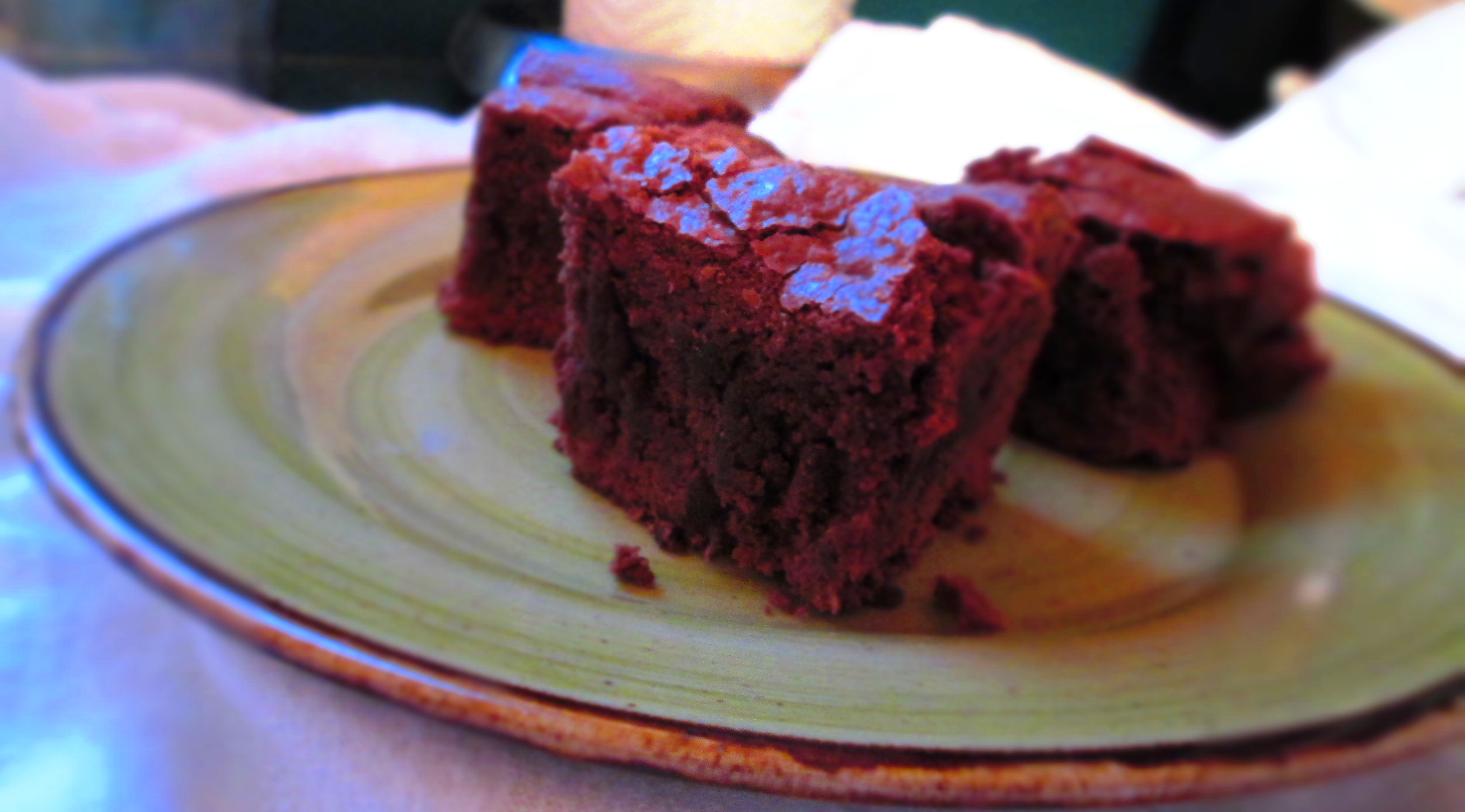
If you’re still looking for something to bring to the family meal for the holidays, try this one. It’s Chestnut-Chocolate-Bourbon Brownies. What gives them a seasonal touch is the chestnut spread, which is flavored with vanilla and sugar, so additional sugar is unnecessary.IMG_1840

These are the perfect party treat. Chestnut is a classic holiday ingredient, and who doesn’t love brownies? As for the bourbon…well, let’s just say it makes the holidays go down easier.

You can find the chestnut spread at gourmet shops (I found mine at Dean & Deluca in Manhattan).

For those of you who celebrate, I hope that you have a wonderful, joyous Christmas, or a bountiful, happy Kwanzaa.

Chestnut-Chocolate-Bourbon Brownies

Makes 16 servings

8 oz. bittersweet chocolate or 1 cup bittersweet chips
1 can chestnut spread
4 tablespoons butter, at room temperature
1 large egg
2 tablespoons bourbon
1 cup all-purpose flour, sifted
1 teaspoon baking powder

Preheat oven to 350 degrees. Grease an 8 x 8-inch square baking pan and line it with parchment.

IMG_1839

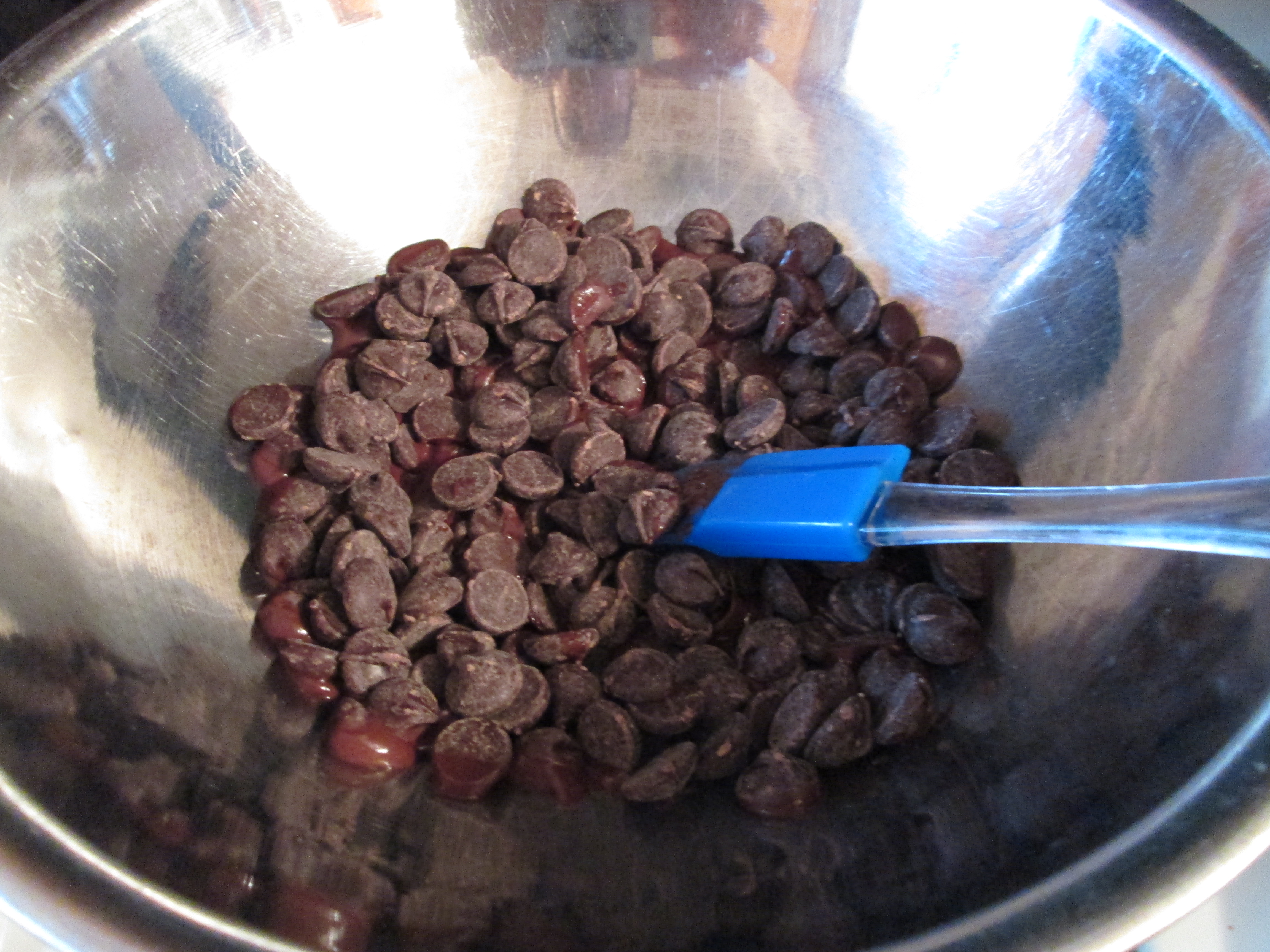
Melt chocolate in a double boiler or an aluminum bowl set over a pot of simmering water.

IMG_1842

In a medium bowl, combine the chestnut spread and butter. Stir to break up butter. Stir in egg, then bourbon and melted chocolate. Add flour and baking powder and stir just until blended.

IMG_1845

Transfer batter to baking pan. Bake 45 to 60 minutes, or until a toothpick inserted in the center comes out fairly clean. If top get dark before cake is done, cover with aluminum foil.

IMG_1850

Transfer pan to wire rack and let cool for 10 minutes, then lift cake out of pan using parchment and place on rack. Let cool completely. Cut into 2-inch squares.


Leave a comment

GF Pumpkin-Coconut-Walnut Cupcakes

’Tis the season for pumpkin.

As we enter November, everyone loves finding new recipes that use pumpkin. And when the recipes are gluten-free, that makes a whole lotta people happy.

A friend of mine asked me to make cupcakes to bring to a bridal shower. This friend has health issues that necessitate her to be on a gluten-free diet and she asked that I make the cupcakes gluten free, and she specifically requested pumpkin. I came up with this recipe, and they were a hit.

I took the basic combination of ingredients for pumpkin cake and altered the recipe to make it less sweet than most cakes and, of course, gluten free. Actually, I should probably say “low gluten” instead because I substituted all-purpose flour with spelt flour. Spelt is a low-gluten wheat variant, so most people with wheat sensitivities can tolerate spelt, but those with full-blown Celiac Disease usually cannot.

I also wanted to make it lower in sugar, so I cut back on the amount called for in most pumpkin cake recipes. And because I substituted brown sugar for white, it made it a little fluffier and more flavorful.

Now here’s where I had to make a decision between a whole-food/holistic diet versus a weight loss diet. In the first category lies the basic tenet that you should eat foods in their whole forms—i.e., all its edible parts. In the case of dairy, that means with full fat. When fat is removed from dairy, the enzymes which make it digestible are also removed, making it a bigger issue for lactose-intolerant people than full-fat dairy would be.

BUT everyone is concerned about their weight, cholesterol, etc. My friend was concerned about bringing the cupcakes to the shower in the first place because the bride is overweight. She asked me if I could make them even lower in sugar than the samples I brought her. I told her that if I took out any more sugar, they would taste like nothing. Then she asked me if I could keep the frosting off, and I explained that cupcakes without frosting are muffins and hardly party fare. At first, I offered to try and experiment with alternate sweeteners (honey, applesauce, maple syrup, maple crystals) but I was faced with a time crunch. Experimenting like that—substituting ingredients that are vastly different than the original—often takes multiple tries to get right. I didn’t have the luxury of time in which to do that.

So, to compensate, I made the decision to use low-fat cream cheese for the frosting. My teachers at the Natural Gourmet Institute would tsk-tsk me, I’m sure. But I think they would also agree that we have to compromise sometimes—they themselves taught me that we can’t be “good” one hundred percent of the time. All we can do is do our best as often as possible. So, here’s my recipe for a gluten-free, low-sugar, low-fat (not vegan) but really delicous (no, really!) Pumpkin-Coconut-Walnut Cupcakes with cream cheese frosting.

IMAG0280

Pumpkin-Coconut-Walnut Cupcakes

Yield: 20 cupcakes

3 cups spelt flour
2 teaspoons baking powder
1 teaspoon baking soda
1 teaspoon cinnamon
½ teaspoon nutmeg
¼ teaspoon salt
1 cup unsalted butter, softened
1 to 2 cups brown sugar (depending on how sweet you want it)
4 eggs
1 (15-oz. can) pumpkin
2 teaspoons vanilla or almond extract
½ cup desiccated (unsweetened) coconut
¾ cup chopped walnuts

Frosting

¾ cup unsalted butter, room temperature
2 (8-oz.) packages low-fat cream cheese, room temperature
4 cups powdered sugar, sifted
2 teaspoons vanilla extract

1. Heat oven to 350 degrees. Place 20 paper muffin cups into muffin tins.

2. In a medium bowl, whisk together the flour, baking powder, baking soda, cinnamon, nutmeg, and salt.

3. In a stand mixer, beat the butter until smooth. Add the sugar and beat until light and fluffy, about 3 or 4 minutes. Add the eggs, one at a time, beating in each one before adding the next. Add the pumpkin and vanilla and beat until well blended. (The mixture will look curdled but that’s okay.)

4. At low speed, add the flour mixture, a little at a time, to the pumpkin mixture. Increase speed and beat until well blended. Fold in the coconut and walnuts.

5. Place about ¼ cup of the batter into each paper cup. (Pour water into any empty muffin wells, about ¼ of the way up, to prevent them from scorching.)

6. Bake for about 30 minutes, or until a toothpick inserted into the center comes out clean. Remove from oven and let cool for 5 minutes, then transfer them to racks and let cool completely. Meanwhile make the frosting.

7. Beat the butter until white and fluffy. Beat in the cream cheese and then the vanilla. Begin adding the sugar a little at a time; alternate beating at low speed (when first adding the sugar) and high speed (to blend it in well). Stop adding when you’ve reached the consistency you want. Continue beating until completely smooth.

8. When cupcakes have cooled, spread or pipe on the frosting. Decorate as desired.


2 Comments

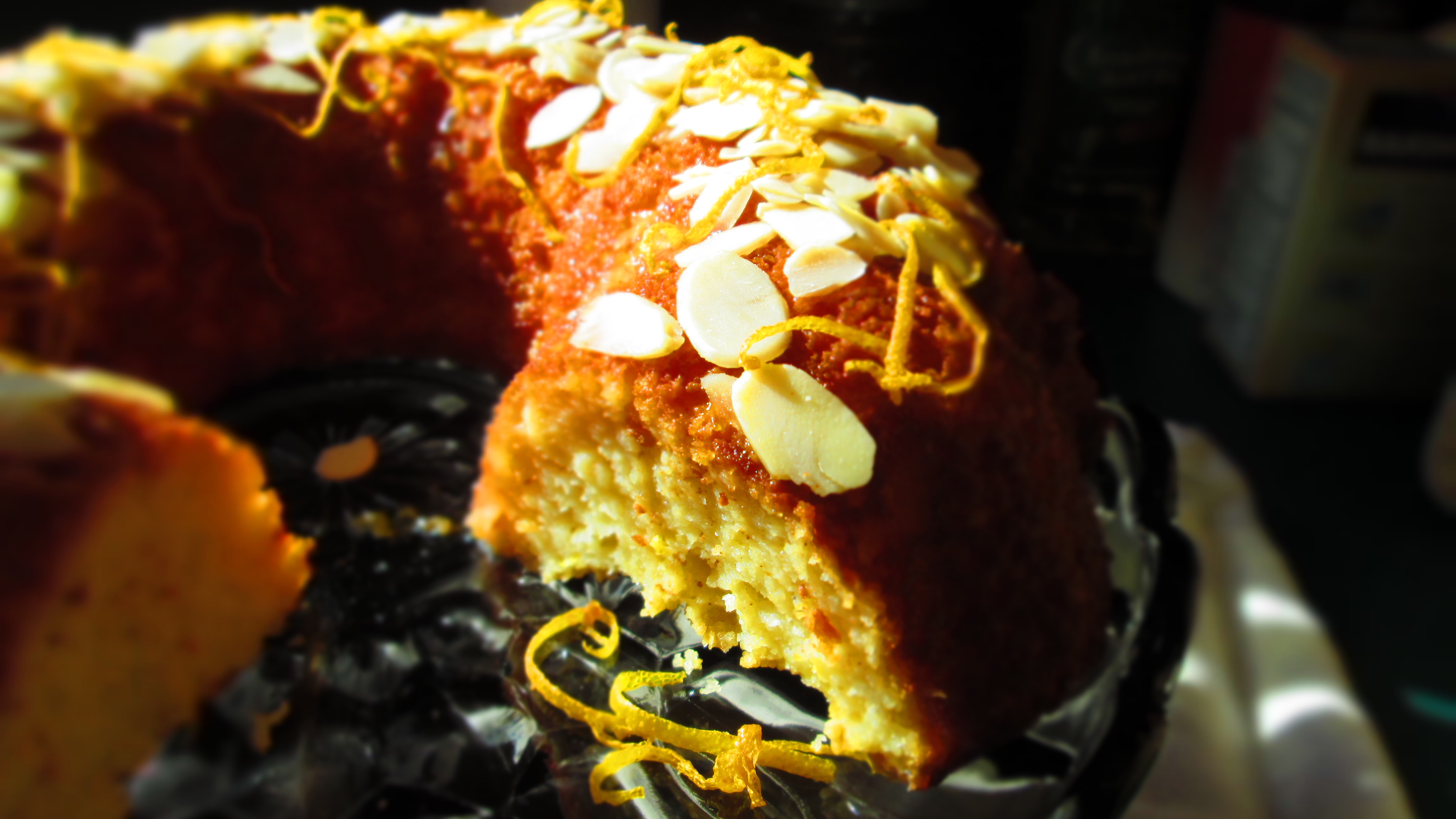
Meskouta (Moroccan Orange-Almond-Yogurt Cake)

The past few months, I’ve been working on a special project, which led me down the road of Moroccan cuisine and ended up at Meskouta. Meskouta is a traditional cake, usually made with yogurt (although I’ve seen a few recipes that did not use it). This is also known as “butterless cake” because it was created during the French/Spanish colonization in the early part of the 20th century, a period when butter was scarce and expensive.

There are many variations, the most popular of which is an orange version, which also seemed to frequently be the one that did not have yogurt in it. I also found some recipes that used almond flour and others that did not.

In the end, I took the elements that I wanted and created an entirely new version. Here it is.

Meskouta (Orange-Almond-Yogurt Cake)

 Makes 8 to 10 servings.

Meskouta

Meskouta

1 cup all-purpose flour
1/3 cup finely ground almonds
2 teaspoons baking powder
¼ teaspoon cardamom
¼ teaspoon salt
2 large eggs
¾ cup sugar
¼ cup olive oil (not extra virgin)
1 cup plain yogurt
¼ cup freshly squeezed orange juice
1/2 teaspoon orange blossom water or orange extract
1 tablespoon orange zest

Orange Syrup:
¼ cup freshly squeezed orange juice
¼ teaspoon cinnamon
2 tablespoons sugar

Garnish:
Orange strips
¼ cup almond slivers

Grease an 8- or 9-inch Bundt pan and set aside. Preheat oven to 350 degrees F.

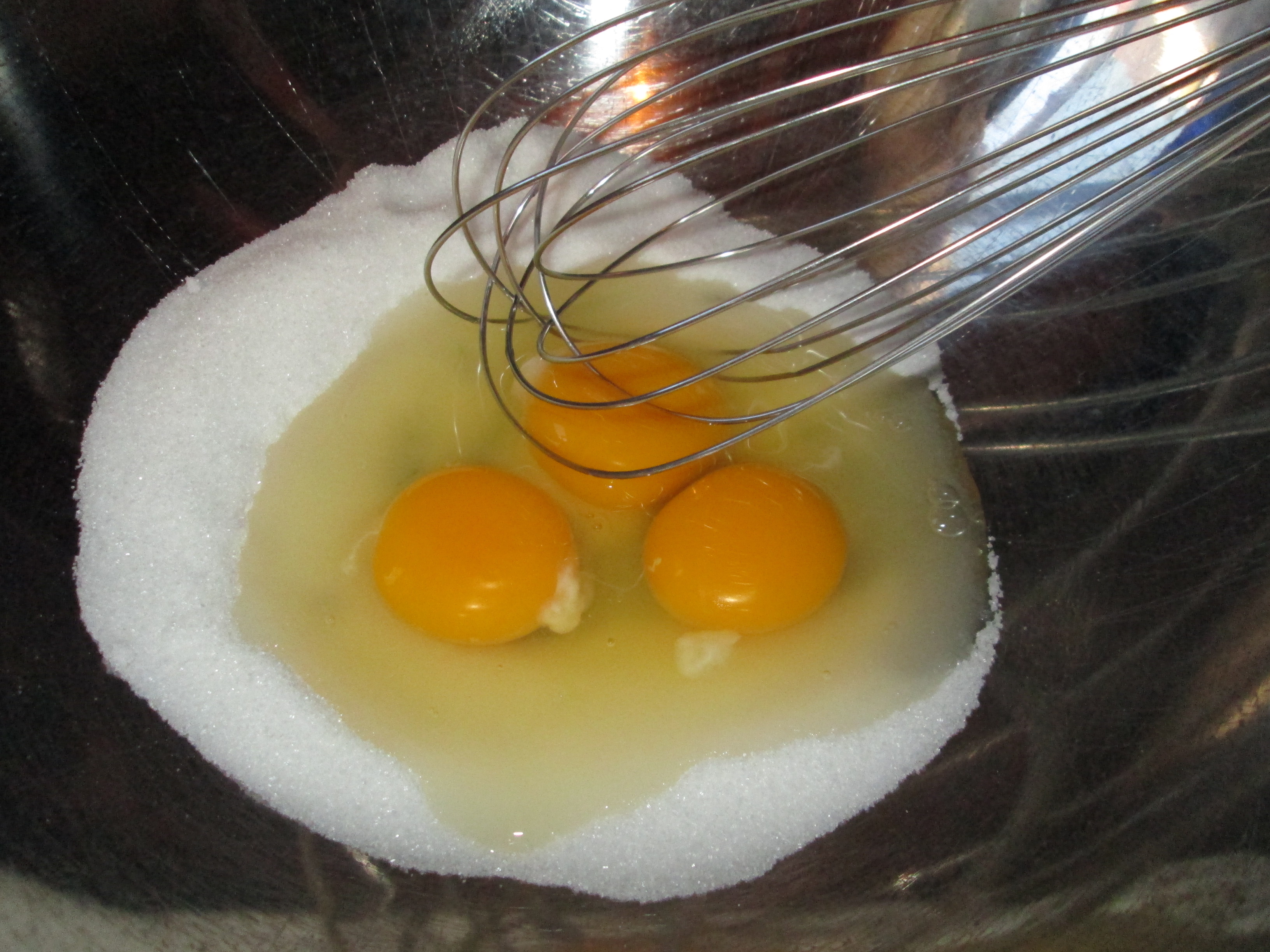
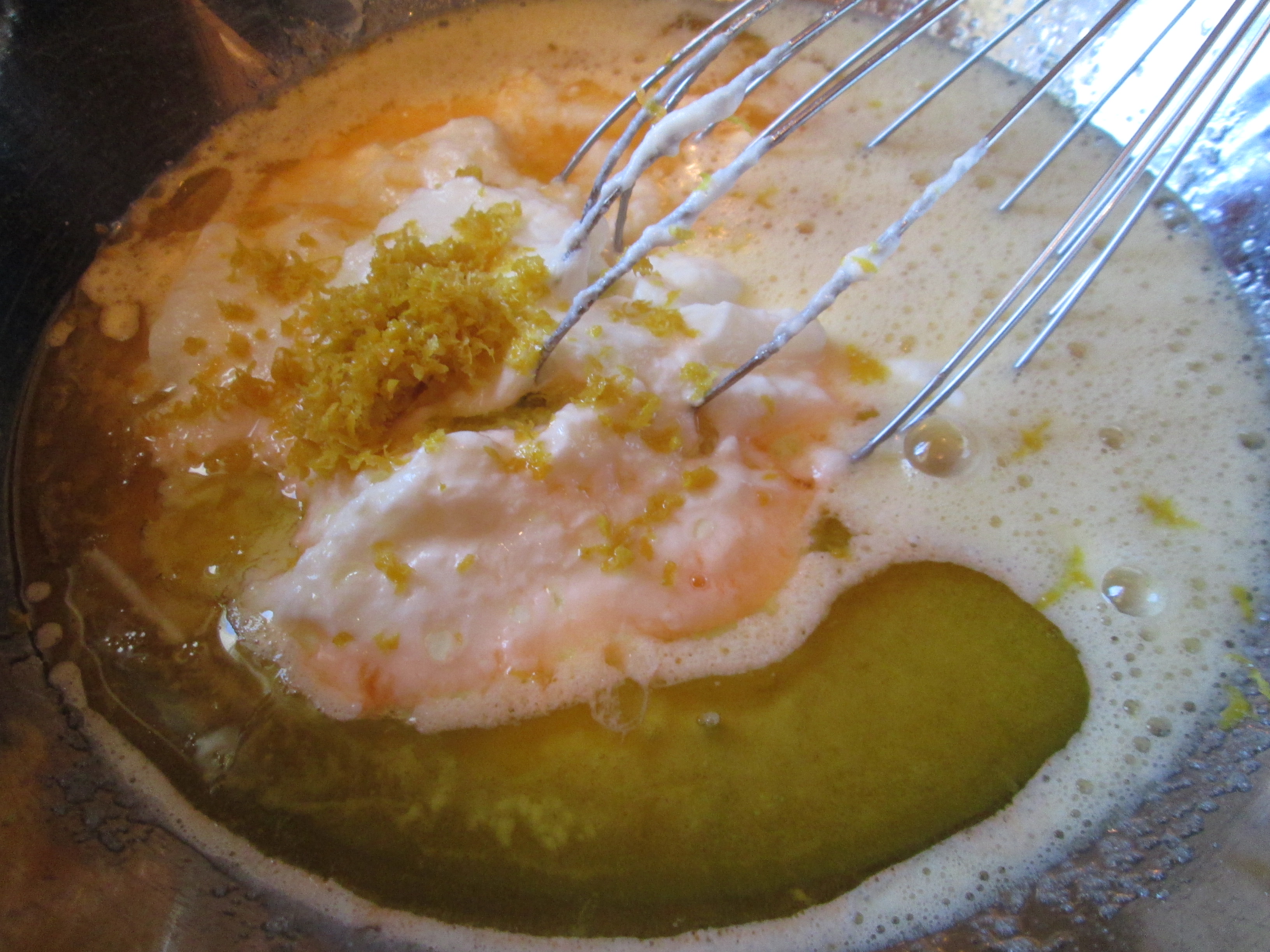
In a medium bowl, whisk together flour, almonds, baking powder, cardamom, and salt. In a large bowl, whisk together eggs and sugar; add oil and yogurt, then add orange juice, blossom water or extract, and zest and blend.

IMG_1166IMG_1167

Add dry ingredients to wet and mix just until fully blended.

IMG_1169

Pour into Bundt pan and bake 45 to 60 minutes. A toothpick inserted into the center should come out clean. Remove from oven and let cool 5 minutes. Invert it onto a cooling rack and let cool completely.

IMG_1170IMG_1172

Meanwhile, make the syrup. Whisk together juice, cinnamon, and sugar in a small bowl.

When cake is cooled, poke holes all over the top with a toothpick or skewer. Pour syrup over the cake, letting it absorb. Sprinkle almond slivers over the top and decorate with orange slivers, if you like.

Refrigerate leftovers.

IMG_1188


Leave a comment

Jamaican Black Cake, aka Christmas Cake

As stunned as I am that it’s late September, I have to face the fact that summer is over. With that comes the realization that it’s time to start my Jamaican black cake, which is also called Christmas cake.

Jamaican Black Cake

Jamaican Black Cake

Several years ago, a co-worker, who was from Jamaica, introduced me to black cake and I asked her for a recipe, which I shared on Epicurean.com. It’s a tradition in Jamaica (and other parts of the West Indies) to serve this cake at Christmas, as well as weddings and other special occasions.

The problem is that in order to get a really good black cake, you have to begin the process at least several weeks in advance, and who’s thinking about Christmas in September? (Okay, well, many of you probably start your Christmas shopping in July, but the way my life has been going the past several years, my thoughts about Christmas have had me on the brink of nervous breakdowns trying to find gifts on Christmas Eve.)

Black cake/Christmas cake is also sometimes called plum pudding because it’s derived from the traditional British Christmas cake of the same name. Plum pudding is basically fruit cake and it was soaked in brandy to keep it fresh on long voyages across the seas. (Plum pudding is traditionally lit aflame at presentation time. I suspect that this was done the first time by accident as a result of being so soused in brandy and someone getting too close to it with a candle or something.) When the British began trading through the Caribbean, the plum pudding went with them. But rum, rather than brandy, was the liquor available on the islands, and sugar and molasses became the sweeteners. The addition of allspice and nutmeg are more Island touches on the old recipe.

It is said that the original recipe for plum pudding dates to Medieval times, when it called for 13 ingredients—1 for Jesus Christ and 12 for his apostles—and was to be made on Christmas Eve. Since then, it’s become a more elaborate affair. As with other fruit cakes, a black cake contains various dried fruits that are macerated in rum and, sometimes, port wine for weeks. The ideal time to bake it is a couple of weeks before Christmas, and as the days go by, it’s periodically basted with more booze.

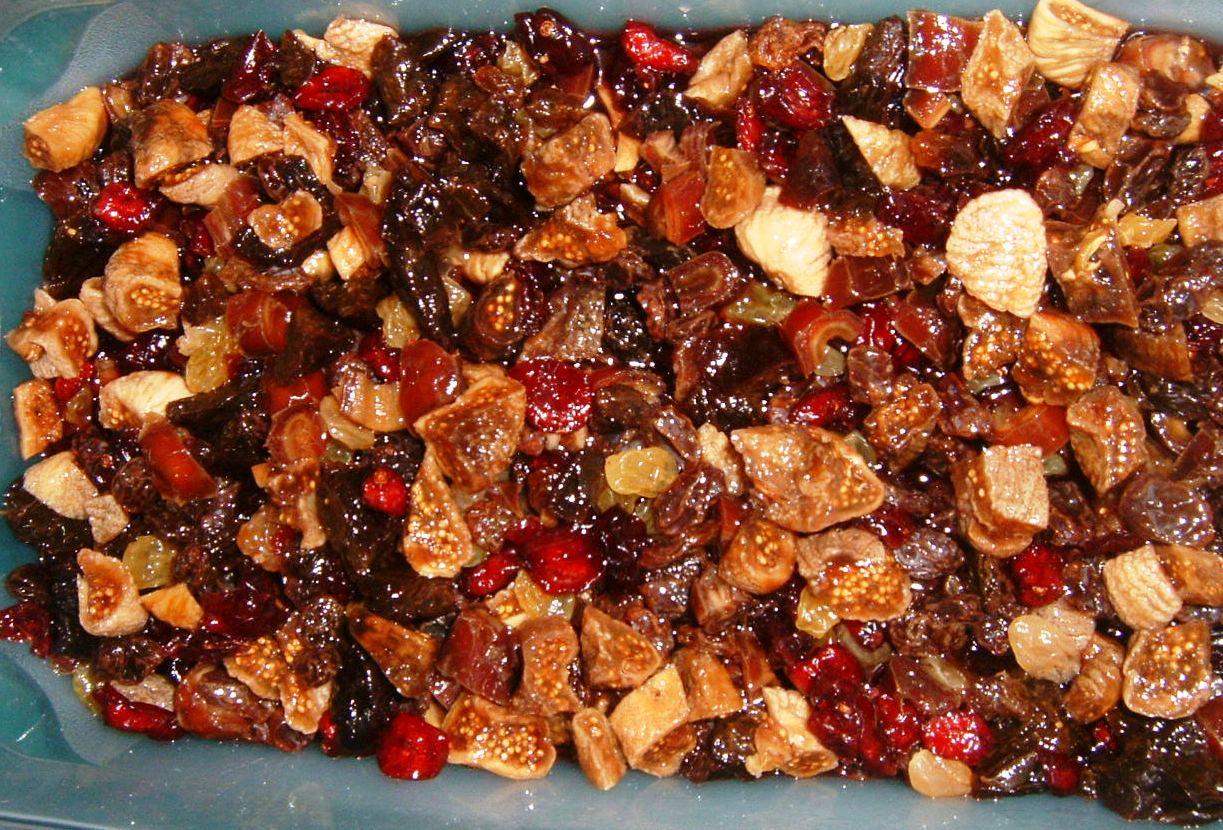
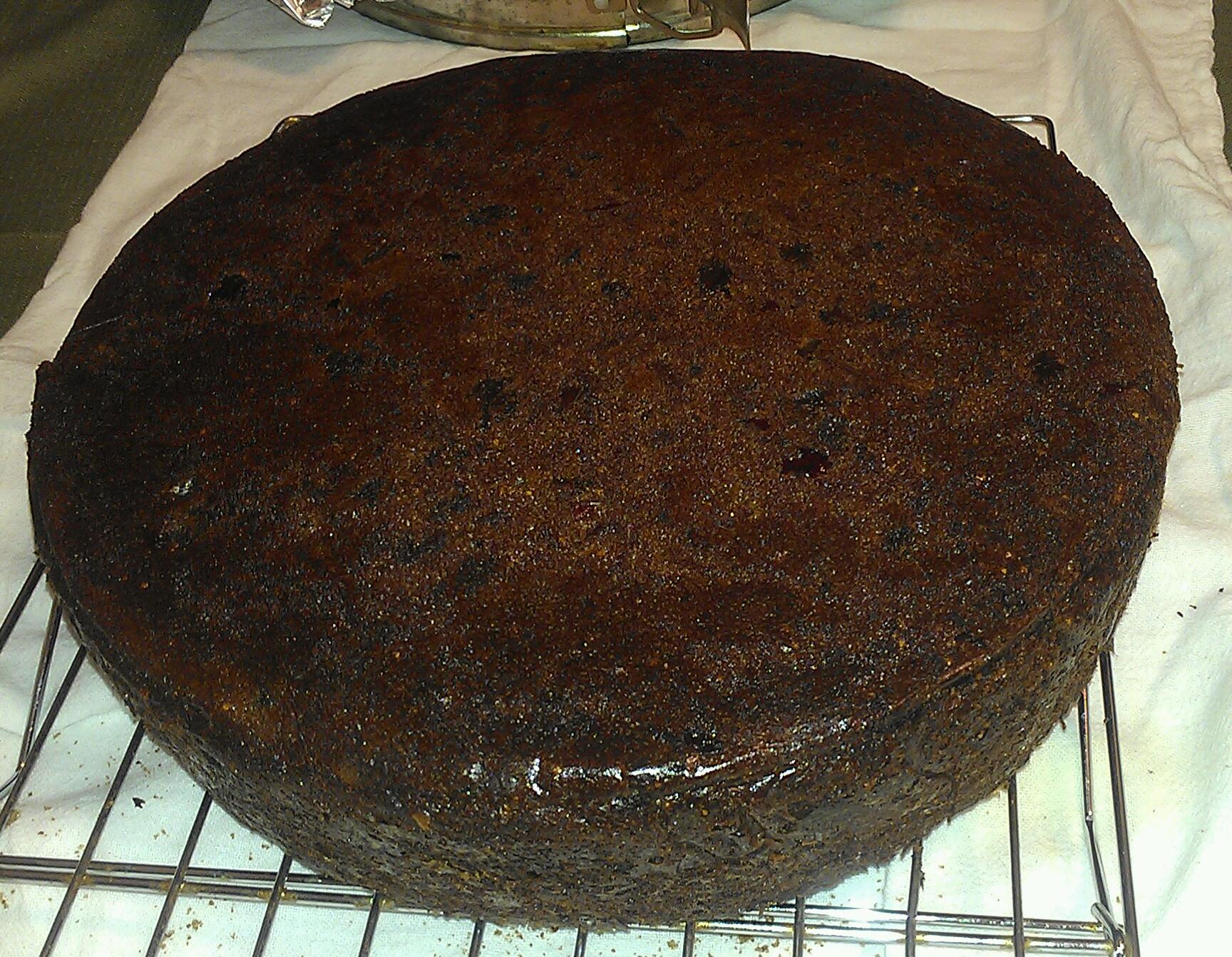
The photos here are from last year, so that you can see the process from start to finish. So, in September, I put my fruit—raisins, golden raisins, plums, figs, dates, and cranberries—in a large container with a cover and poured in a wee bit of rum and port wine and let that sit until December. About a week before Christmas (I couldn’t get around to it before then), I baked the cake, basted it a few times, and brought it for Christmas Eve dinner. It came out really, really good. It’s not like any fruit cake you’ve ever had, I guarantee it. Normally, black cake is served as is, but I wanted it to look a little more festive so I iced it with a basic powdered sugar icing (which eventually melted). The only thing was that my cake was not as dark as it should be (it is called black cake, after all). I was told to increase the amount of browning or molasses. This recipe contains the increased amounts. (Browning is also known as burnt sugar and can be found in West Indian markets.)

Give it a shot. This is one fruit cake that will not get passed around. Enjoy!

Christmas Cake (Jamaican Black Cake)

4 cups mixed dried fruits (raisins, currants, prunes, citron, cherries, dates)
3 cups port wine
3 cups white rum (preferably Appleton)
1/2 lb. butter
1 cup brown sugar
6 eggs
12 oz. all-purpose flour
2 tbsp baking powder
2 tbsp browning
1/4 molasses
1 tsp Benjamin vanilla extract
1 tsp almond extract
1 tsp nutmeg
1 tsp ground allspice
2 tsp lemon juice

Preparing Fruits for Baking:

Wash fruit well. Soak fruits in 2 cups port wine and 2 cups rum for at least 4 weeks before baking.

Soaking the fruit

Soaking the fruit

To bake the cake:

1. Preheat oven to 350 degrees F.

2. Grease a 10-inch baking tin with butter or margarine. Line the tin with wax paper.

3. Mix butter and sugar until light and fluffy.

4. Add eggs, one at a time, and continue beating until mixture is smooth.

Dried fruit after soaking several weeks

Dried fruit after soaking several weeks

5. Add flour and baking powder and continue to mix.

6. Blend in browning, molasses, vanilla, almond, nutmeg, allspice, and lemon juice.

7. In a blender or processor, grind fruits and add to mixture.

8. Add 1 cup rum and 1 cup wine and mix well. Place in oven.

Baked Black Cake

Baked Black Cake

Cake is baked when a knife is inserted into center of cake and comes out clean. Check cake after an hour. This will make approximately 4 lbs. of cake. If you’re baking it weeks or months in advance, continue basting it periodically with wine. Decorate if you wish, but it can be served as is.