Miz Chef

Cooking Up a Healthy Life


2 Comments

Mixed Dal Soup

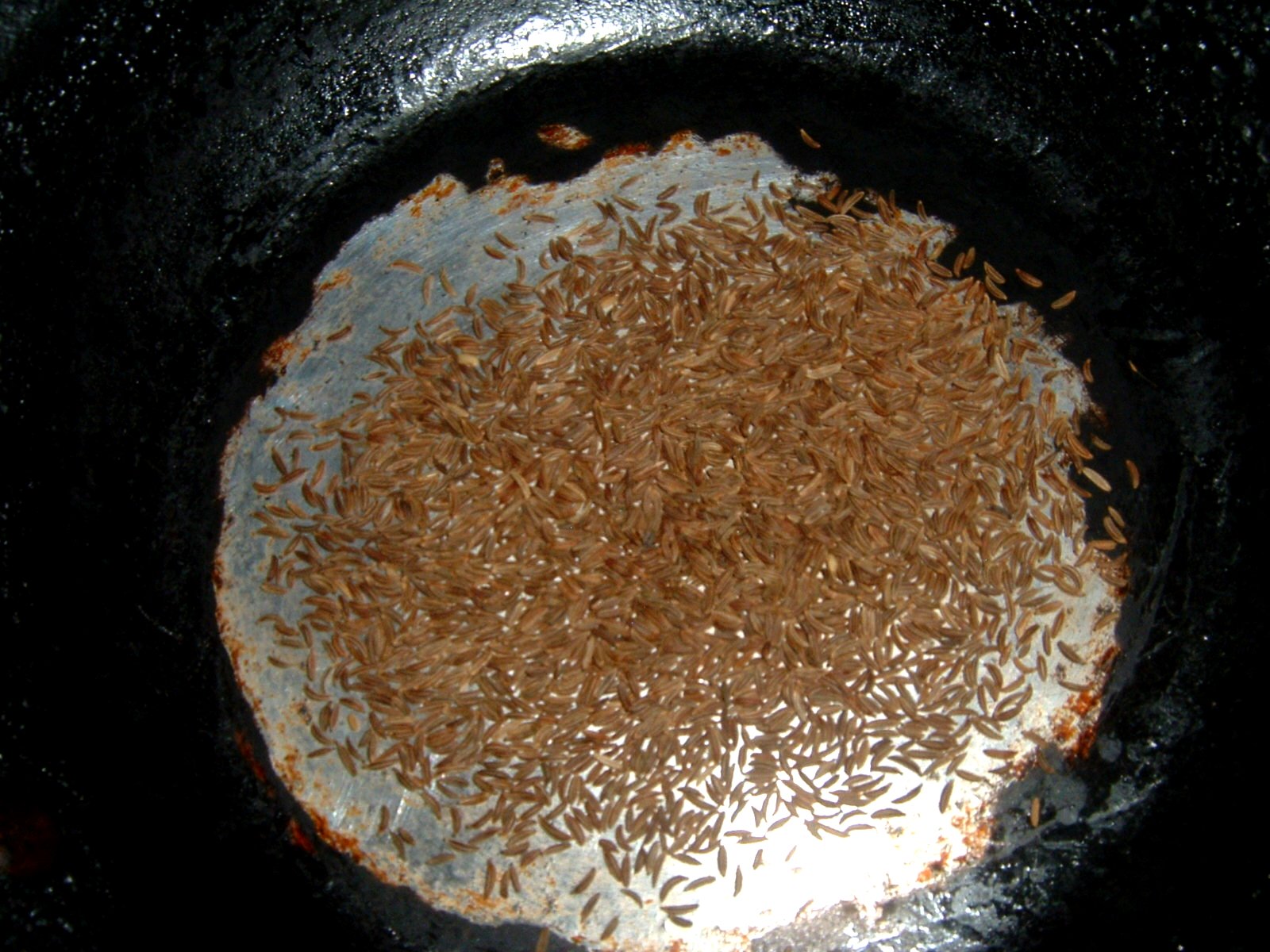
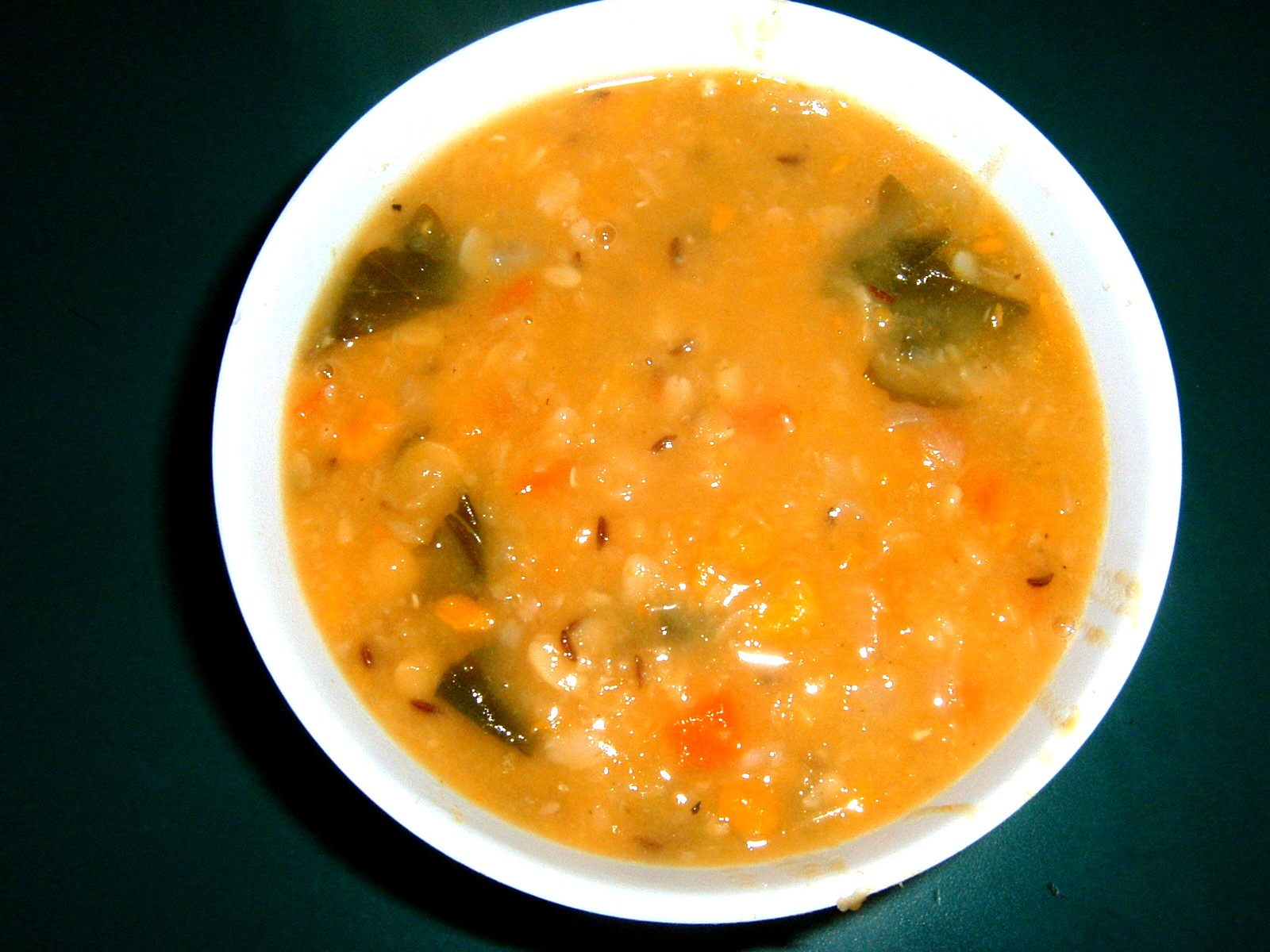
I picked up some mixed dal at an Indian store in Jackson Heights and since the weather was DSCF0007about to take a turn for the worse, I decided to make mixed dal soup. Mixed dal is a mixture of different split lentils and they make delicious meals. They’re also packed with protein, and with a few greens thrown in, you’ve got a complete, filling, satisfying meal. Toasting the caraway seeds gives the soup a great, complex flavor. And it was just right on a rainy, dreary day. So here’s my version of mixed dal soup.

Mixed Dal Soup DSCF0008

2 tablespoon olive oil
1 small onion, diced small
1 medium carrot, diced small
1 celery rib, finely chopped
¼ lb. sweet potato, diced small
½ teaspoon kosher salt
1 cup mixed dal
1 tablespoon caraway seeds, toasted (optional)
1 teaspoon ground fennel seeds
1 teaspoon garlic salt
freshly ground black pepper
½ lb. bok choy (green tops only), chopped

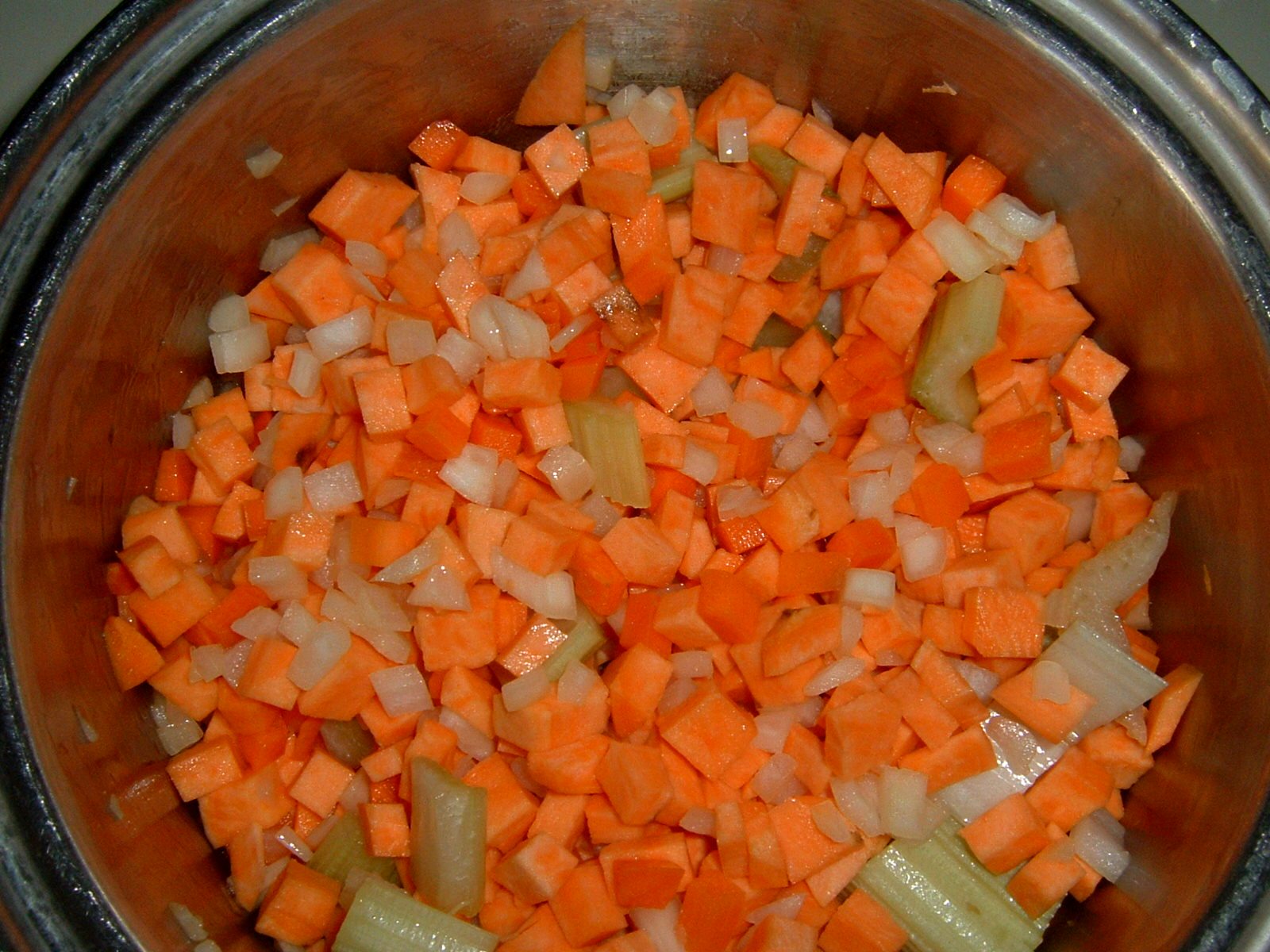
1. Heat the oil in a medium-large pot. Add the onion, carrot, celery, sweet potato, and kosher salt and sauté 5 minutes, or until vegetables have softened and onions are translucent.

DSCF0009

2. Add the dal, caraway seeds, fennel, garlic salt, pepper, and 4 cups water; mix well. Bring to a boil; lower the heat and cook, partially covered, until the dal are completely soft and disintegrating, about 1 to 1 ½ hours. Stir occasionally.

DSCF0013

3. Add the bok choy and continue cooking a few more minutes until the greens have softened.

DSCF0014

4. Taste the soup for seasoning; adjust as desired. Serve hot.

Makes about 6 servings.


Leave a comment

New Year’s Dish for Luck: Black-Eyed Peas & Quinoa

This is my last post of 2013. It was a head-spinning year for me, and my calendar looks like one big ink blot from all the markings. I attended and participated in many culinary events, including “An Evening with Dorie Greenspan” and “An Evening with Mollie Katzen and Sara Moulton,” thanks to the New York Women’s Culinary Alliance (NYWCA). Rick Bayless Mollie Katzen-Sara Moulten IMAG0436I had the pleasure of cooking something out of their cookbooks for everyone to enjoy at the events.

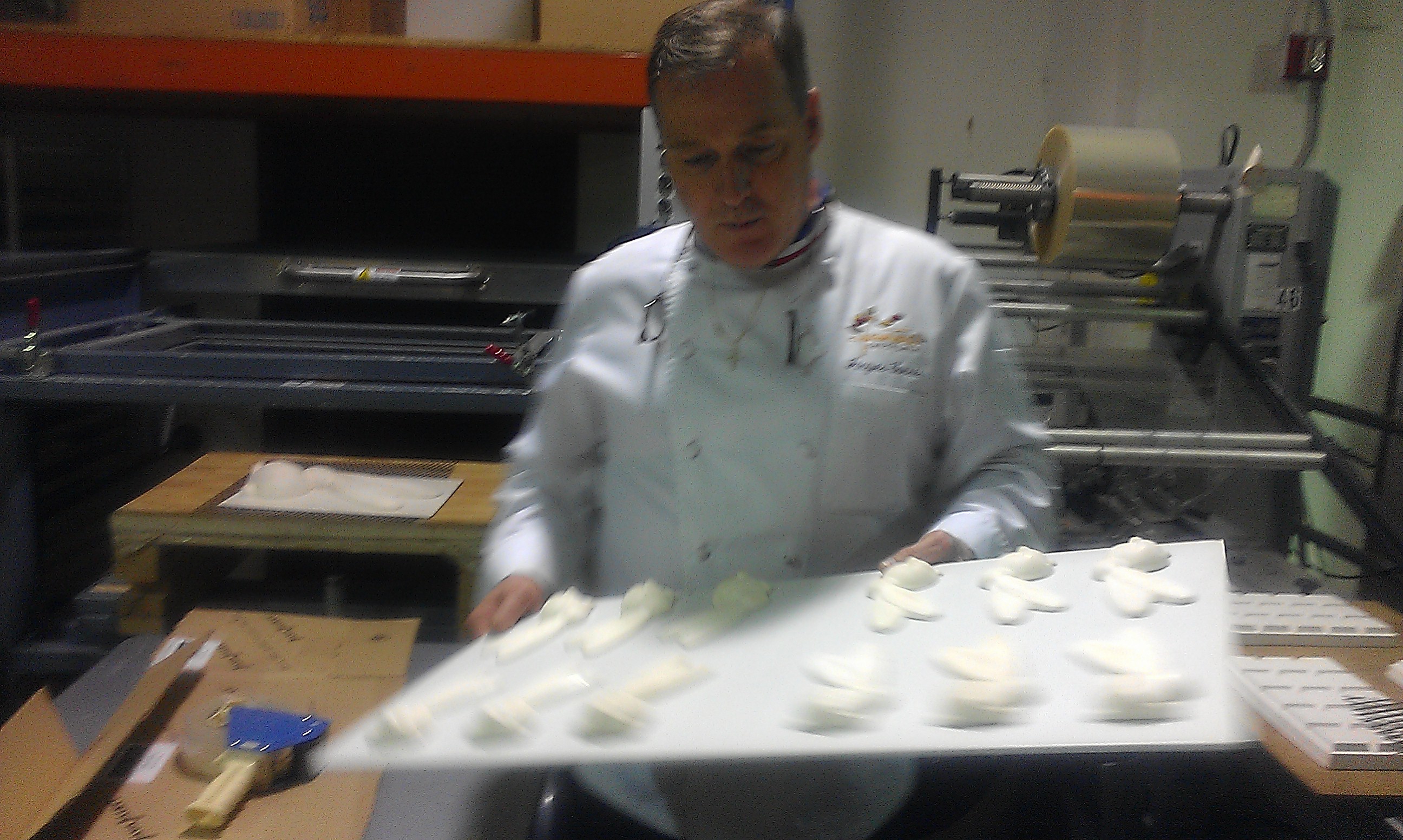
I volunteered at the Food Network Food & Wine Festival, where I had the honor of working with Rick Bayless at  Bobby Flay’s “Tacos & Tequila” event. For Women Chefs & Restaurateurs, I was on a panel about media skills for chefs. I also attended FoodBlogSouth in Birmingham in January, went on a tour of Jacques Torres’ chocolate factory in Manhattan with Jacques himself, and attended many other fun events throughout the year.

Also this year, I took on the role of copyeditor for the NYWCA member newsletter, and I am involved with the NYWCA’s fundraising raffle taking place on February 3, “An Evening with Mollie O’Neill.” Proceeds of the raffle will go to GEMS (Girls Educational and Mentoring Service) for young women 12–24 who have experienced sexual exploitation and abuse; Spoons Across America; WISCAH—Chef Training Program; and FamilyCook Productions—Teen Battle Chef Program. Prizes include: $1,000 OXO Gift Certificate; Wine-Pairing Dinner & Hotel for Two ($600 value); Cuisinart Elite Collection Package ($600 value); and Dinner for 8 at Murray’s Cheese Bar ($500 value). If you’re interested in attending the event and/or purchasing raffle tickets, just contact me via the form below and I’ll hook you up.

Now, onto food.

Around the world, different people have their own traditions and rituals for ringing in the New Year. And food always plays a part.

For example, in Japan, it is customary to eat soba noodles during the New Year’s celebration to ensure a long life. In many Latin American countries, as well as Spain, 12 grapes are eaten—1 for each month—and it is hoped that the grapes are sweet as a harbinger of a sweet year ahead. In many countries, legumes are popular for New Year’s because they swell when cooked, symbolizing increased financial prosperity. Lentils, particularly, are used in Italy and Brazil.

In the United States, black-eyed peas are popular (the musical group and the legume) and Hoppin’ John is a staple New Year’s dish in the South. I made my own black-eyed peas dishred quinoa salad 2 incorporating the healthy grain quinoa. And to make it more festive, I used red quinoa. So, here’s the recipe for my New Year’s Red Quinoa and Black-Eyed Peas Salad. Enjoy.

Happy New Year, everyone! Have a fun, safe time, and may 2014 bring you joy and happiness.

New Year’s Red Quinoa and Black-Eyed Peas Salad

1 1/2 cups red or white quinoa, rinsed
2 3/4 cups vegetable stock
2 cups cooked black-eyed peas
1 1/2 cups chopped bell peppers, mixed colors
5 scallions, thinly sliced
1 Haas avocado, cut into small dice
1/4 finely chopped fresh Italian parsley

Dressing:
1/4 cup extra virgin olive oil
2 tbsp balsamic vinegar
1 tbsp flavored mustard
salt and pepper to taste

1. Cook the quinoa in the vegetable stock until liquid has been absorbed and grains are tender. Transfer to a large bowl and let cool.

2. When quinoa has cooled, add remaining ingredients (except dressing).

3. Whisk together the dressing ingredients and pour over salad. Mix well and adjust seasoning as desired. If it’s dry, add more oil a little at a time and mix well.

← Back

Thank you for your response. ✨


1 Comment

Cranberry Sauce with a Sorghum Twist

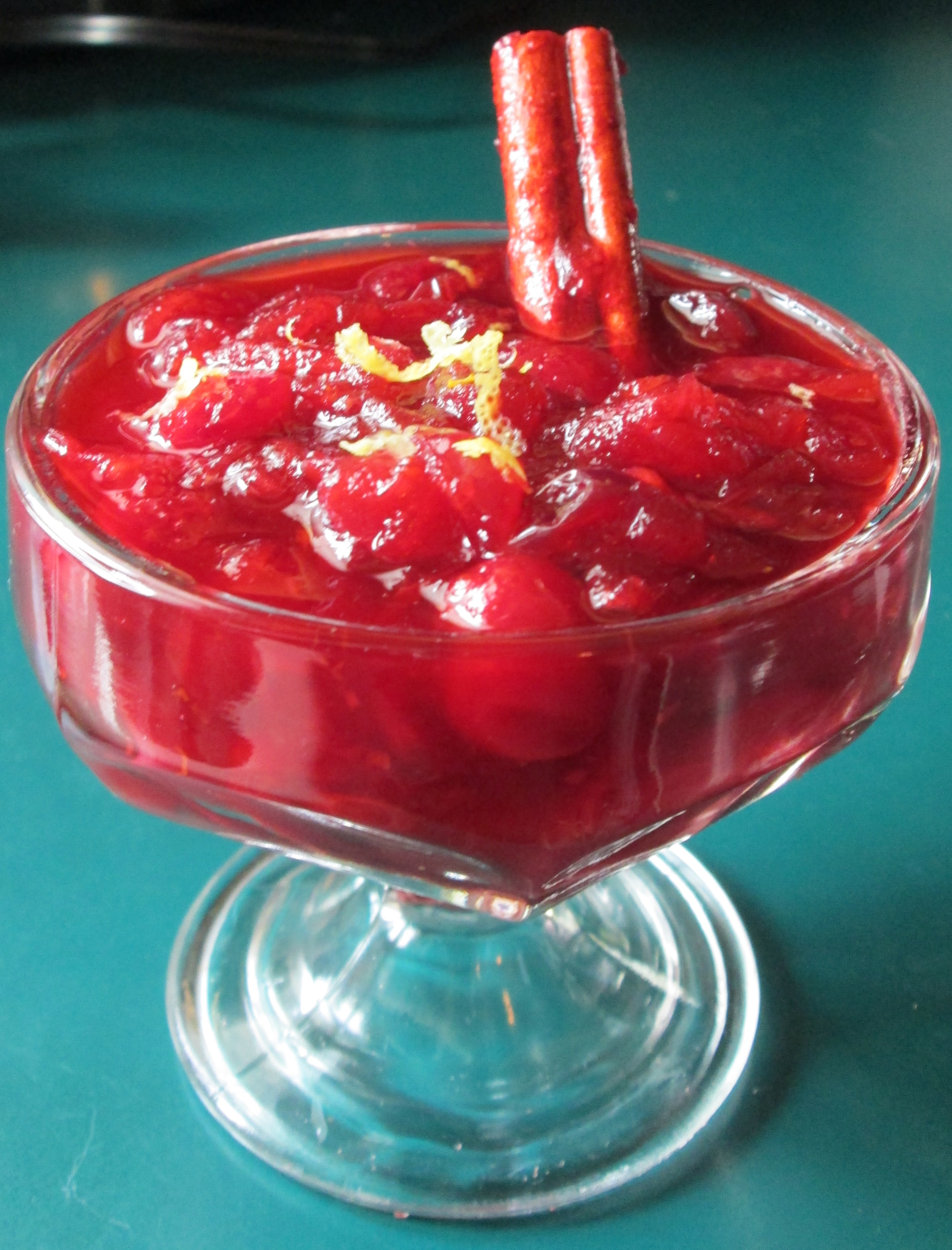
cranberry enhancedWell, here we are again, preparing for that iconic American holiday, the Most Important Meal of the Year: Thanksgiving.

Every year, I make fresh cranberry sauce. Some people prefer the canned variety to freshly made, but when I see that gelled log with can rings around it, I can’t help but feel that I can do better. In fact, anyone can. Fresh cranberry sauce is extremely simple, and the end product is so much better than the canned log. (Although, I know some of you feel like it’s truly not a traditional Thanksgiving without that log with the rings around it, so I say, whatever floats your boat.)

Cranberries are a tart fruit and cranberry sauce requires plenty of sugar to make it palatable enough for most people. But I always cringe a little when I start dumping the amount of sugar that most recipes call for into my pot of cranberries. So, this year, I decided to try some of the sorghum molasses that I brought up from a trip to the South.

The recipe I’ve always used calls for 2 cups granulated sugar. That’s a lot of sugar. So, I started with 1 cup brown sugar. Brown sugar is a nicer product to use than granulated sugar because it lend the sauce a delicate molasses flavor and it thickens it up better. My sauce was still a little too tart, but I really didn’t want to add any more sugar, so I reached for the sorghum molasses. I started with 2 tablespoons and I liked the results. However, I knew that most people would want it sweeter (I don’t have a big sweet tooth), so I added 2 more tablespoons. It worked wonderfully.

Sorghum molasses is a Southern staple, but it can be found in specialty stores elsewhere in the U.S. If you can’t find it, substitute brown rice syrup, barley malt syrup, or honey (the honey will be sweeter than the others).

If you’re looking for that cloying candy-sweet taste of canned cranberry sauce, this isn’t it. But if you want something that is a little more complex, texturally pleasing, and not as loaded with refined sugar, give this a try.

IMG_0022

Cranberry Sauce with a Sorghum Twist

Makes 3 cups

1 16-oz. package fresh cranberries
1 cup loosely packed brown sugar
¼ cup sorghum molasses
1 teaspoon grated orange zest
1 teaspoon grated lemon zest
1 cinnamon stick
¼ teaspoon nutmeg or ground cloves
1 whole star anise
Tiny pinch sea salt

Combine all ingredients with 1 ½ cups water in a 2-quart pot. Bring to a boil; lower the heat to low and simmer until cranberries start to pop. Continue simmering and stirring for about 5 minutes, smashing the cranberries along the sides of the pot (you can leave some whole). Taste and adjust sweetener level to your taste.

Remove from heat and let cool. Transfer to a jar or bowl and refrigerate until needed. Remove the cinnamon stick and star anise before serving or use them for garnish.

Variation: Add a tablespoon of raspberry or cherry liqueur or ½ teaspoon vanilla extract.


Leave a comment

Beet-Apple-Chia Salad

Laugh if you will, but chia seeds are the new superfood. Well, not so new, since they’ve been around since ancient times.

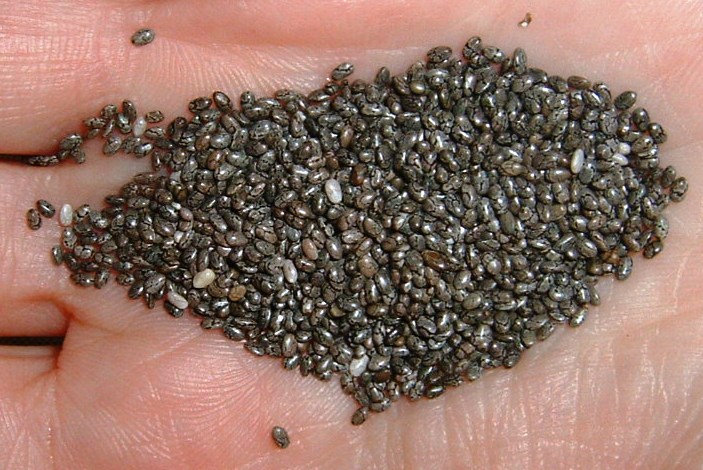
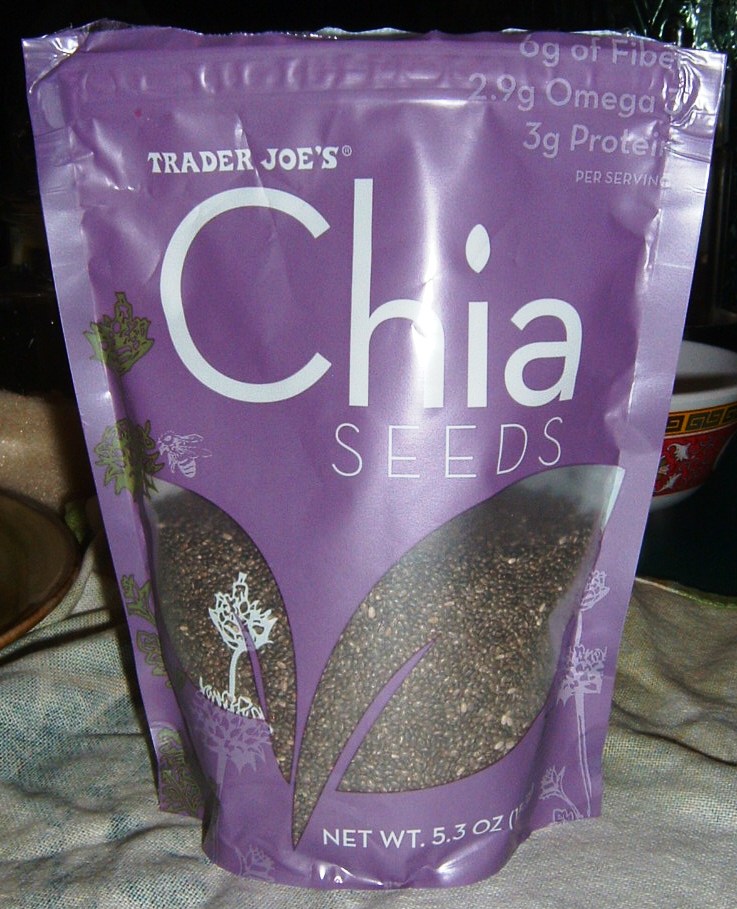
Chia Seeds

Chia Seeds

Yes, I’m talking about the same chia seeds that get watered on a head or little kitties and grows into a little mini landscape. Those seeds contain antioxidants, essential minerals, such as phosphorus, manganese, calcium, potassium, more iron than spinach, and more omega-3 fatty acids than salmon.  (Don’t use the ones that come in the Chia Head packages for consumption, though.)

Like quinoa, chia seeds are one of the few plant-based sources of complete protein, and have been used for hundreds of years for sustained energy. They were once a staple of Native American diets of both North and South America. In fact, I’ve read that “chia” is a Mayan word for “strength.”

Chia seeds purportedly increase strength and energy, helps retain hydration, and aids in weight loss. It’s great for diabetics because it lowers blood sugar levels. It’s also been said that chia seeds help in relieving thyroid conditions, IBS, acid reflux, hypoglycemia, and even Celiac disease.

You can use chia seeds in just about anything you would use flax seeds in: salad dressings, smoothies, yogurt, or just sprinkled on top of any dish. If you’re looking to replace eggs in baked goods, grind chia (or flax) seeds and use that in place of the eggs. The quantity depends on how many eggs are called for in the recipe, but here’s a general formula:

To replace 1 egg:
1 tablespoon chia or flax seeds—grind in a spice grinder
Mix with 3 tablespoons water

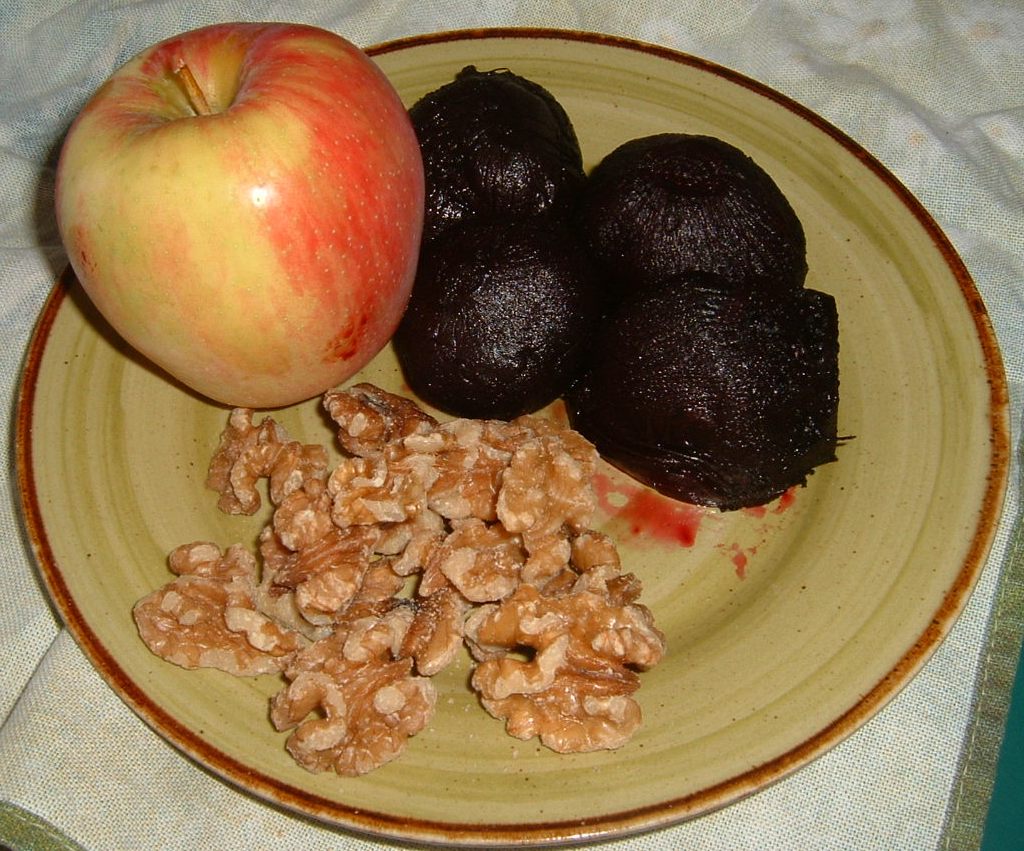
Note that products made with seeds instead of eggs will have a chewier consistency, so be judicious about what products you use them in.DSCF0002

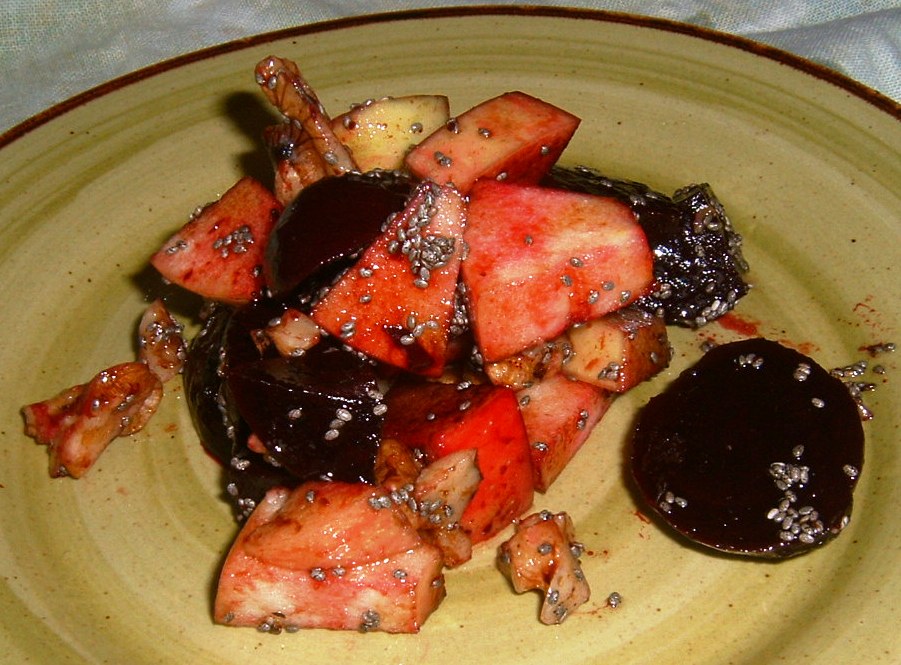
This is my recipe for Beet-Apple-Chia Salad, which I like to have for lunch. Between the walnuts and chia seeds, there’s enough protein in here to get you through the afternoon. It makes 2 portions if you’re making it to serve alongside something else. But for lunch, I eat the whole enchilada.

Beet-Apple-Chia Salad

4 small beets, roasted or boiled, peeled
1 tart apple, cored but not peeled
1/3 cup coarsely chopped walnuts
1/2 tablespoon chia seeds*
1 tablespoon extra-virgin olive oil
1 tablespoon balsamic vinegar
Salt and pepper to taste

Cut the beets and apples into bite-sized pieces. Combine them in a bowl, along with the walnuts, chia seeds, oil, and vinegar. Mix well. Season with salt and pepper, if desired.

Makes 2 servings.

DSCF0007

*Chia seeds can be purchased in natural/health food stores, but may also be found in larger supermarkets with an organic/natural food selection. I found my bag at Trader Joe’s.DSCF0003


Leave a comment

Romanesco Cauliflower

I don’t know if you’ve ever seen a romanesco cauliflower, or broccoli, but it’s a gorgeous vegetable. Its shape is what they call “fractal.” Merriam-webster.com defines fractal as “any of various extremely irregular curves or shapes for which any suitably chosen part is similar in shape to a given larger or smaller part when magnified or reduced to the same size.” I’ll just say that it’s amazing. I mean, take a look at it.Romanesco

Also known as broccoflower and Roman cauliflower, romanesco is part of the brassica family, which includes cruciferous vegetables (cauliflower, broccoli, cabbage, bok choy, Brussels sprouts, etc.) and was first seen in Italy around the 16th century. Although its color is closer to broccoli, its texture and flavor is that of cauliflower.

It’s such a visually stunning vegetable that whenever I see it, I can’t pass it up. Nature is a wonderous thing.Romanesco

This is a very simple old Italian recipe that usually uses regular cauliflower, but romanesco is easily substituted.

Pasta with Romanesco Cauliflower and Pignoli

1 small head romanesco cauliflower
1/2 pound whole wheat spaghetti
3 teaspoons kosher salt plus more
2 large garlic cloves, minced
1/4 cup olive oil
1/3 cup pignoli,  toasted
1 teaspoon paprika
Freshly ground black pepper to taste
Extra virgin olive oil (optional)
Grated parmigiano or pecorino romano

Bring a large pot of water to a boil. Add pasta and 3 teaspoons salt; and cook until al dente, about 10 to 12 minutes. Drain well.

Meanwhile, cut up cauliflower into florets. Heat olive oil in a large pan; add garlic and saute for one minute; sprinkle in paprika then immediately add cauliflower. Sauté over medium heat, stirring occasionally, for about 5 minutes. Add 1/4 cup water; cover the pan, lower the heat to medium-low, and cook until tender but firm, about another 5 minutes. Uncover and stir in the pignoli and salt to taste.

When the pasta is cooked, drain well and transfer to a serving bowl. Pour the cauliflower mixture on top and mix. If the pasta seems dry, drizzle some extra virgin olive oil on top and mix. Sprinkle some parmigiano or pecorino over the top and serve hot.

Makes 2 servings.


2 Comments

Kantola Secret

Okay, that was a very bad play on words. Forgive me. But kantola is a secret, at least to the Western world.

Kantola

Kantola

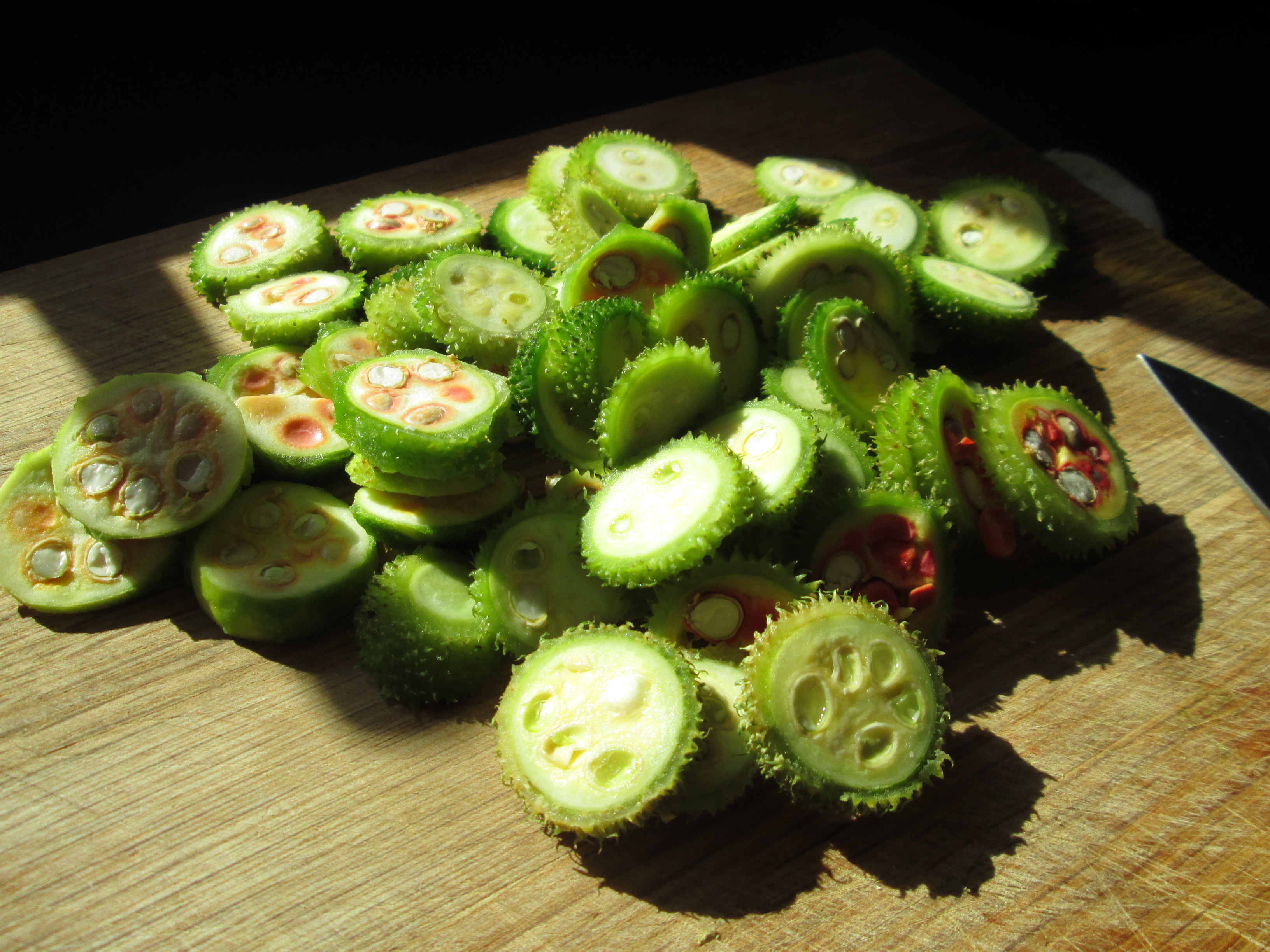
Kantola, also known as spiny gourd, is a member of the gourd family and is used mainly in India and parts of South Asia. I saw them in my favorite Indian market and was fascinated. I bought a few and looked up how to use them.

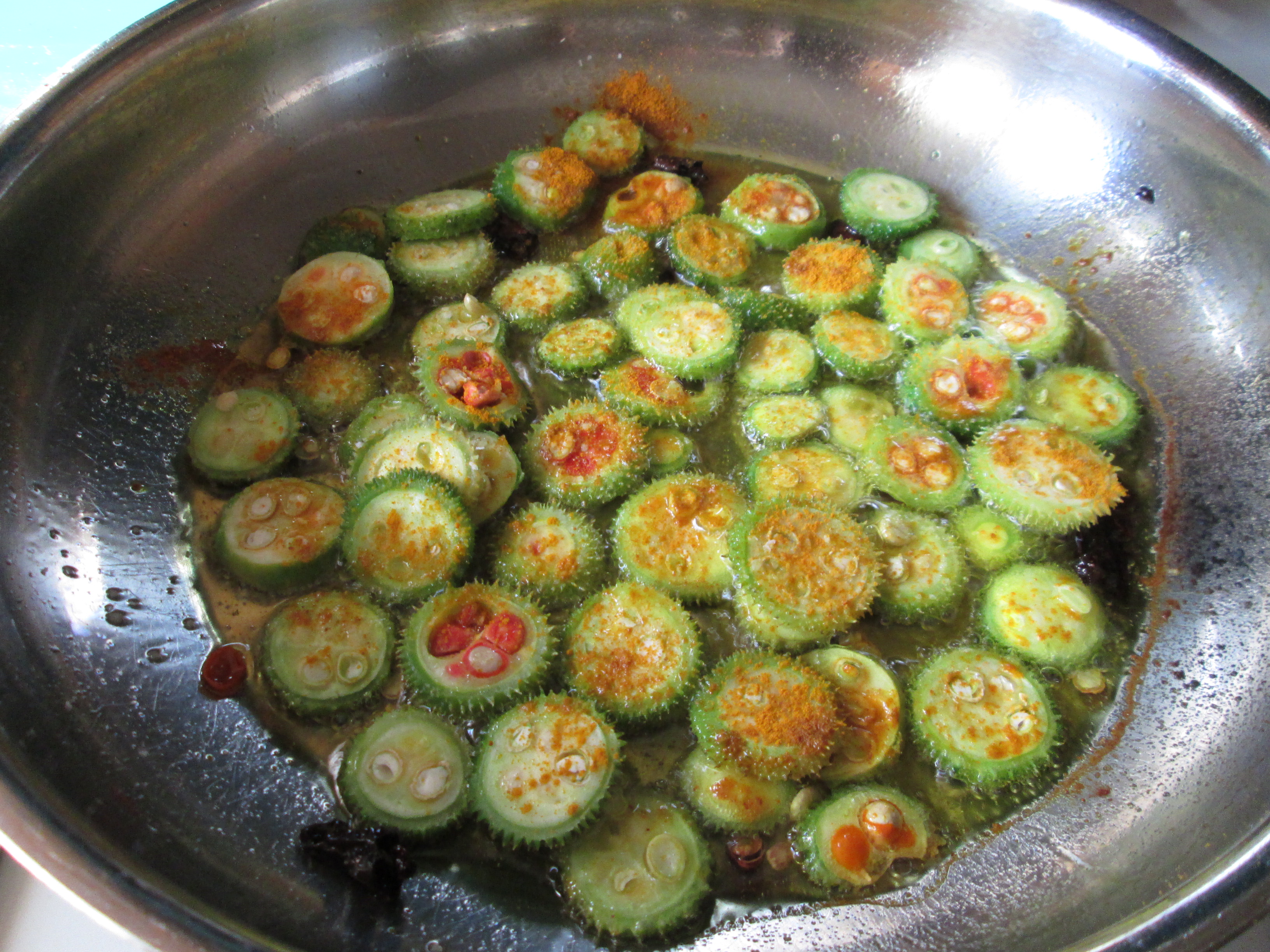
Most recipes I found called for slicing and frying them, or, occasionally, boiling them. I decided to fry them for my first experiment, but kept the spices to a minimum, since I wanted to taste their natural flavor. I added a little salt, a bit of crumbled chile flakes, and a dash of turmeric, since that seems to be the spice de rigueur for this vegetable. Some sources said to peel them, while others said not to peel them. I peeled a couple and found it to be tedious because they’re so small. In the end, the skin was not an issue.IMG_1254

So, I sliced up the kantola and, as you can see, they have seeds very much like squash or cucumber (also part of the gourd family).IMG_1256

I heated up some oil (I found this extra virgin olive oil-sunflower oil and I wanted to give I a try). I toasted the chile flakes, then added the kantola and, after a minute, the seasonings. Then I transferred them to a paper towel to drain.IMG_1257

And you know what? They tasted like—surprise—fried squash. The flavor was very mild, although a few had a slightly bitter aftertaste, but it wasn’t unpalatable.

IMG_1258

So, that was my timid first adventure with kantola. I’m going to go get some more and just go crazy. Maybe I’ll even mix them with other ingredients!


3 Comments

Minty Peach Salsa

Summer is almost over. Technically, we have until September 22, but the kids are back in school, the stores are already displaying holiday merchandise, and my neighbor’s trees have red leaves in them. As much as I love autumn, I’m always sad when the summer comes to a close. It’s never long enough, is it?

Minty Peach Salsa

Minty Peach Salsa

But there’s still time to enjoy some summer activity and summer deliciousness, including the wonderful stone fruit that are still available. And if you grow your own mint, it’s probably out of control by now. Here’s a way to use both: Minty Peach Salsa.

This salsa was inspired by a peach salsa I bought at a farmer’s market in Virginia. I set out to replicate it and made a few modifications to make it a little less sweet and a bit spicier. It’s very simple and perfect for those last summer picnics or barbecues. It also makes a great condiment for grilled veggies, chicken, or fish.

You can substitute the peach with nectarines, plums, or apricots, but I find that peach works the best. It has the right flavor and texture to complement the other ingredients.

Enjoy the salsa and what’s left of summer!

Minty Peach Salsa

Makes about 2 ½ cups.

2 cups chopped peaches
1/3 cup chopped shallot or finely chopped Vidalia onion
¾ cup chopped red pepper
1 small jalapeno, minced
2 tablespoon minced mint
1 tablespoon apple cider vinegar
½ teaspoon sea salt
½ teaspoon sugar
½ teaspoon garlic powder
1/2 teaspoon chili powder
2 teaspoon spiced rum (optional)

1. Combine all ingredients in a medium bowl. Refrigerate for an hour before serving to allow the flavors to blend.

2. Taste for seasoning and adjust, if necessary, before serving. Serve with tortilla or pita chips.


2 Comments

September is Better Breakfast Month

How many times have you heard that breakfast is the most important meal of the day? A million times since you were a kid, right?

I’ve never been much of a breakfast person. I can’t really eat first thing in the morning. My stomach just will not accept food when I first get up. It amazes me to know that some people roll out of bed, shuffle into their kitchens, and start eating. My routine is, I go to work, have a cup of coffee, and right around 10:30 or so, I’m ready to eat a little something. I know that’s not a great way to start my day, but it’s the best I can do.

IMG_0158

Multigrain Morning Porridge

What I do try to do, however, is to make it a good, energy-inducing breakfast: oatmeal with walnuts or pecans; yogurt with fruit and seeds (sunflower, pumpkin, chia, and flax); whole grain bread with some kind of nut butter. Lately, I’ve been doing a lot of green smoothies. The point is not only to curb hunger but to give your body and brain the proper fuel to do what it needs to do throughout the day. It appalls me to see people eating doughnuts, crullers, sugary muffins, and soda for breakfast. (I think muffins are good if they have nutritional components to them, like high-protein flours, nuts, and natural sugar alternatives.)

Breakfast porridges are a great choice and can be made with any grain you like, such as steel-cut oats, quinoa, millet, and barley. Below is my recipe for multi-grain porridge. I had the original recipe for this porridge in my collection for a while but never gave it a try. Not because it didn’t appeal to me (otherwise, I wouldn’t have clipped it), but because I so rarely make homemade porridge for breakfast. During the week, I never eat breakfast at home—I prepare whatever it is I’m going to have the night before and take it to work. On the weekends, I still don’t have time and usually just grab leftovers from the fridge. But whenever I can, I’ll make some kind of porridge. IMG_0151

I made some modifications to the recipe, based on what I had on hand and my personal preferences. The good thing is that this stays well in the fridge for a few days, so I can make a big batch and just reheat it.

Clockwise from upper right: Wheat berries, grits, amaranth, oats.

Mulitgrain Morning Porridge

Adapted from “Multigrain Breakfast Porridge” by
Bruce Weinstein and Mark Scarbrough, Cooking Light, Oct. 2007

½ cup wheat berries, rinsed
¾ teaspoon sea salt
1/3 cup steel-cut oats
3 tablespoons regular grits
¼ cup amaranth
¾ cup coconut or almond milk
¼ maple syrup
¼ cup dried blueberries or other dried fruit
½ cup chopped walnuts or other nuts

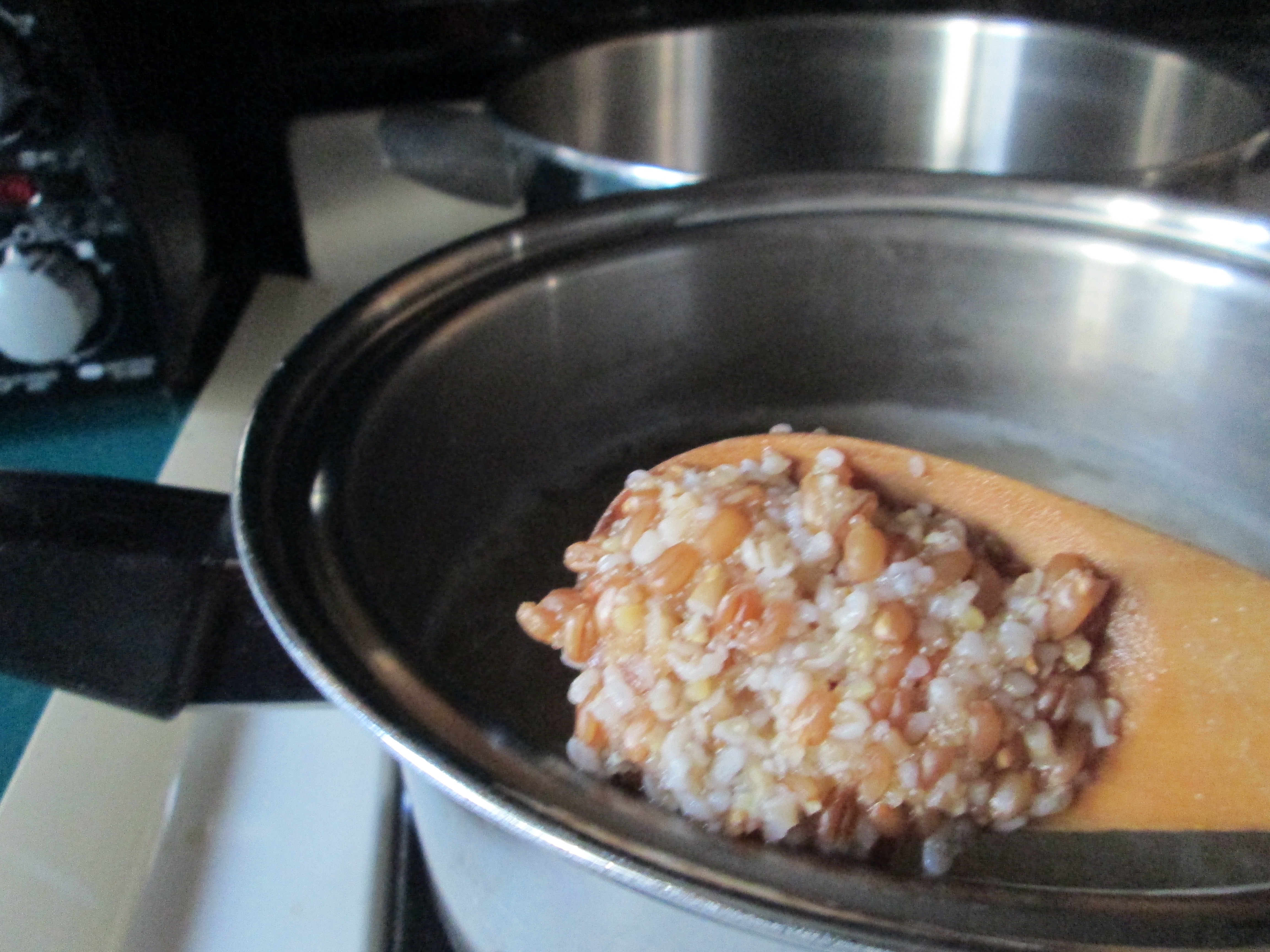
Bring 5 cups water to a boil. Add the wheat berries and salt; reduce the heat to medium-low and simmer, partially covered until almost tender, 20 to 30 minutes.IMG_0153

Add the oats, grits, and amaranth and stir. Continue simmering until all grains are tender, about 15 minutes, stirring frequently. Stir in coconut milk, maple syrup, and fruit and cook another 2 minutes, stirring frequently. Stir in nuts. Serve hot.

IMG_0155

This porridge will keep for several days in the refrigerator. To reheat, stir in a little more coconut milk or water until it reaches the desired consistency. Heat over medium-low heat or in the microwave for 1 to 2 minutes.

Makes 4 servings.


Leave a comment

Enter the Green Goddess

I can’t believe that summer is almost over. How can that be possible? With the crazy weather we’ve had this year, it seems as though our summer was given to us in short spurts, and people are scrambling to enjoy what’s left of it. Everyone seems to be making end-of-summer getaway plans, throwing impromptu barbecues, and packing in those picnics that didn’t happen earlier in the season.

So what do you bring for the stop-over during the car ride? What can you easily make to bring to that last-minute barbecue or picnic? Pasta salad is always a good choice. It’s easy to make and people love it.

There are so many ways to make pasta salad, so many ingredients to choose from. And so many dressing you can use. This time around, why not use green goddess dressing?

Green goddess dressing, as you might imagine, is so name because of the green ingredients, chopped up finely and sparkling like gems throughout the dressing. It’s traditionally made with mayonnaise, sour cream, chives, tarragon, parsley, lemon juice, anchovies, and, depending on who you ask, chervil. Many people have taken to using avocado in their green goddess, which enhances its green color and lends it a buttery creaminess. I’m all for that.

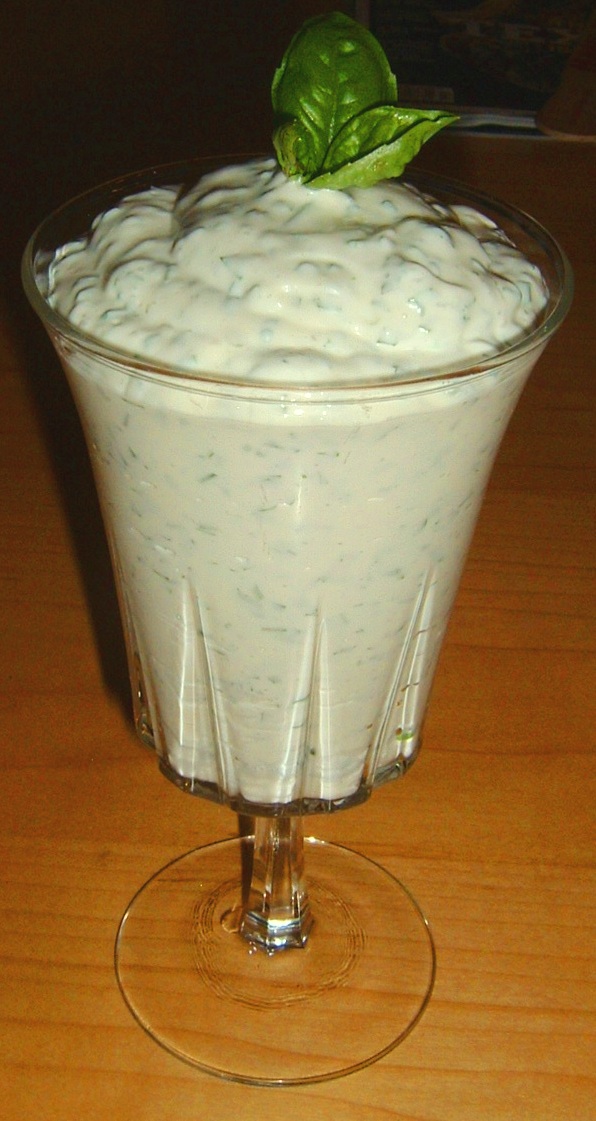
My Green Goddess Dressing

My Green Goddess Dressing

The creation of green goddess dressing is attributed to the Palace Hotel, built in 1875, in San Francisco. Now known as the Sheraton-Palace, it is considered San Francisco’s first “grand” hotel. As the story goes, in 1923, actor George Arliss was in the City by the Bay to star in a play called The Green Goddess, by writer/critic William Archer. Arliss starred in the 1923 silent film adaptation of the play, also called The Green Goddess. Then it was remade in 1930—Arliss reprised his role—and was one of the first “talkie” films ever made. The 1923 version is only one of three of Arliss’ silent films that are known to have survived.

Meanwhile, back at the ranch…

The executive chef at the Palace, Philippe Roemer, wanted to make something special for the banquet that was being prepared in honor of Arliss, so he created the green goddess dressing. It’s actually a variation of an already established dressing created by a chef of the Court of King Louis XIII of France in the 17th century. The sauce was indeed green, hence its name—au vert—but was served with seafood, particularly eel. There’s even a recipe for it in the iconic epicurean tome Larousse Gastronomique, by Prosper Montagne, first published in 1938.

In the 1970s, Seven Seas (now part of the Kraft company) came out with a bottled version of green goddess, and Annie’s Naturals has a vegetarian version (i.e., no anchovies). It’s still a popular dressing on the West Coast.

Below is my (anchovy-less) recipe for Green Goddess Dressing. Because fresh tarragon may be hard to find if you’re not close to a really good market or not, say, living in Provence, I make mine with basil. (On that note, tarragon is one of those herbs that are worth growing yourself.)

This is what I mean whenever I say that food is steeped in history (which I say often in my cookbook, What, No Meat? Traditional Italian Cooking the Vegetarian Way). It’s closely intertwined with politics, folklore, culture, social mores, war, economics, psychology, geography, and superstitions. What we eat did not just land on our plates one day. It took a journey—sometimes a short, uneventful one, sometimes a long, complex one. This is the stuff I share in my book. It’s really amazing what we take for granted.

Next time you have a salad with green goddess dressing, remember what a grand debut in the world it had. Cherish it. Praise it. Kiss it. Okay, don’t do that. Just appreciate the food you have and how lucky you are to have it. Not everyone in the world is that lucky.

Have a great week, and may Mother Nature take pity on us and give us a good rest of the summer.

Roberta’s Green Goddess Dressing

1 cup mayonnaise
1/2 cup sour cream
1/4 cup minced chives
1/4 cup minced parsley
2 tbsp minced basil
1 tbsp fresh lemon juice
1 tbsp white wine vinegar
Kosher or sea salt to taste
White pepper to taste (preferably freshly ground)

Whisk together all ingredients until well blended. Refrigerate until needed. If it’s too thick, thin it out with a little water or canola oil.


7 Comments

Vegetarian Paella and New Beginnings

There so many new things going on in my life, and this blog is one of them. I have moved my blog over from one server to another, and although I already made one post, this is my first one since the official switch-over (I was still in transition when I posted the last one).

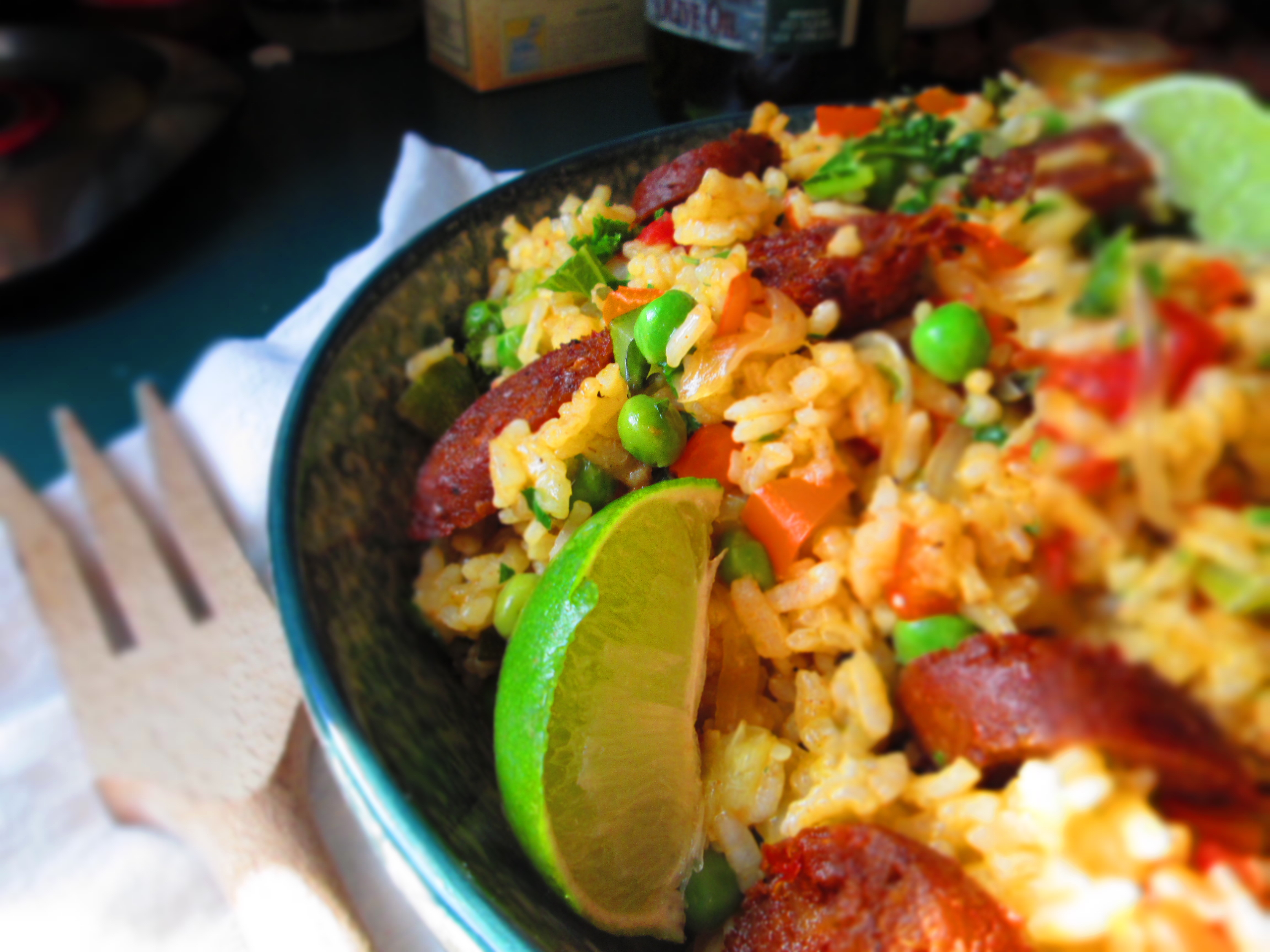
Vegetarian Paella

Vegetarian Paella

Another new thing happening is my cookbook. After speaking with my publisher, I’ve decided to revamp my cookbook, What, No Meat? Traditional Italian Cooking the Vegetarian Way. It’s going to have a new design, new cover, and even a new title. When I first published it on my own in 2008, and then with Bedazzled Ink in 2010, it seemed to work as it was. But a few years down the road, I decided that it was time for a change. I was no longer happy with my book’s appearance, and I don’t really think my publisher was, either.

So, now I’m in the process of editing it. I’m removing material and recipes and taking photos for the interior. It’s been a more complicated process that I had anticipated for various reasons, but I’m getting there. I hope to have the new one ready in the next couple of months.

In the meantime, I wanted to share my recipe for Vegetarian Paella. Those flat, paddle-shaped leaves you see in the photo is a type of fresh oregano, but since fresh oregano is hard to find for many people, I use dry oregano in the recipe. Enjoy!

Vegetarian Paella

2 tablespoons olive oil
1 or 2 vegetarian chorizo sausages, sliced into ¼-inch-thick pieces
1 medium onion, finely chopped
2 teaspoons kosher salt
4 cloves garlic, minced
1 red bell pepper
1 green bell pepper
1 ½ cups Arborio rice, rinsed and drained
Pinch saffron
2 large ripe tomatoes, seeded and diced
1 medium zucchini diced
1 teaspoon dried oregano
4 cups vegetable stock
2 cups chopped kale
1 cup peas
Freshly ground black pepper to taste
¼ cup minced parsley
Lemon or lime wedges

IMG_0793

1. Heat 1 tablespoon oil in a large skillet. Add the chorizo and brown on both sides. Remove to a plate.

Vegetarian chorizo

Vegetarian chorizo

2. Add the remaining oil to the pan and heat. Add the onion and 1 teaspoon salt and sauté until translucent. Add garlic and red and green peppers. Saute until softened. Add rice and saffron; stir to combine and stir-fry to toast a little.

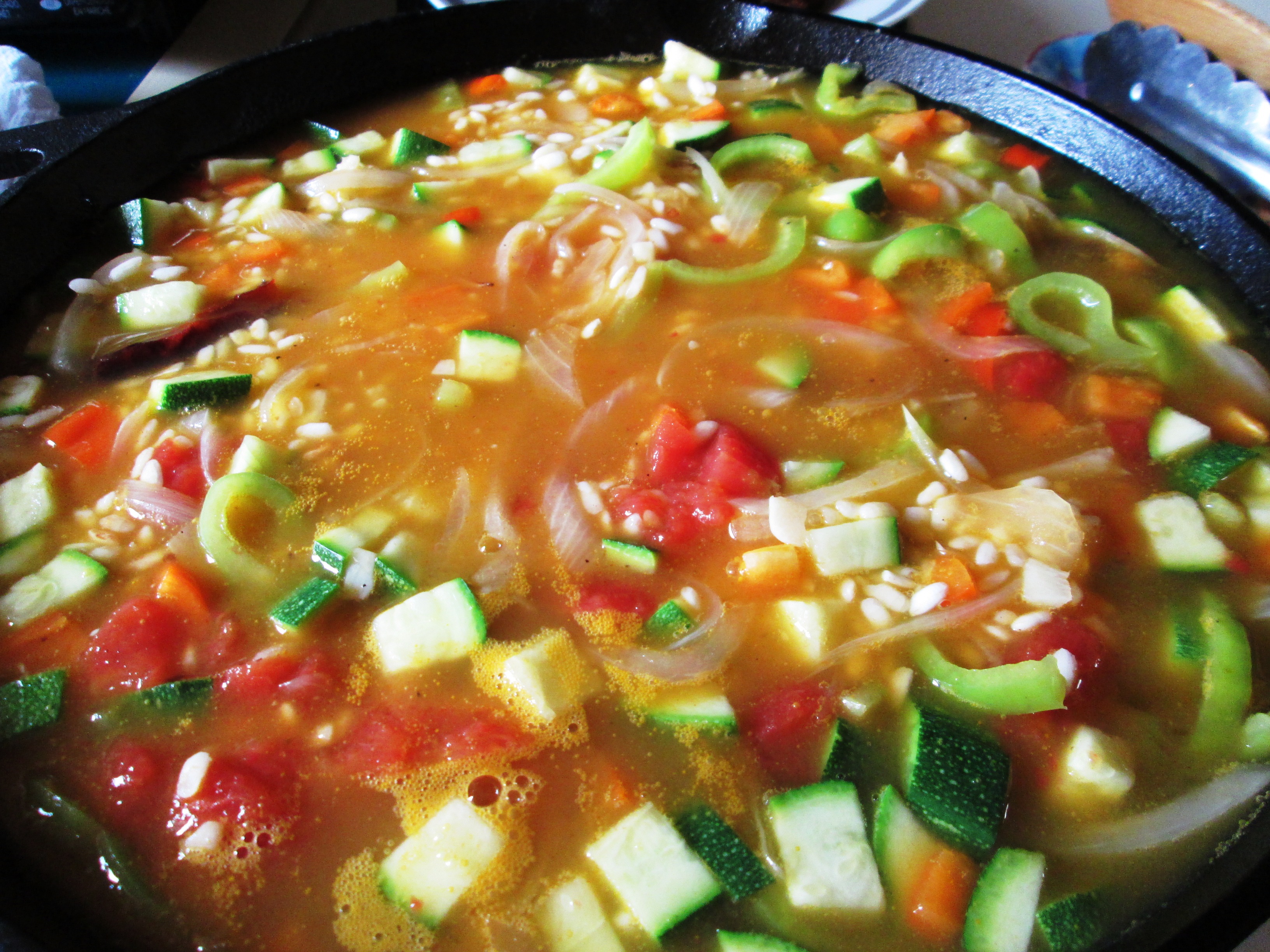
IMG_07983. Mix in tomatoes, zucchini and oregano. Cover and cook 5 minutes. Add stock and kale; cover and simmer 20 minutes. (If rice is not fully cooked, add a little more stock or water and continue simmering until done.) Stir in peas and cook another 5 minutes. Add the remaining salt if desired and season with pepper.

IMG_0799IMG_0800

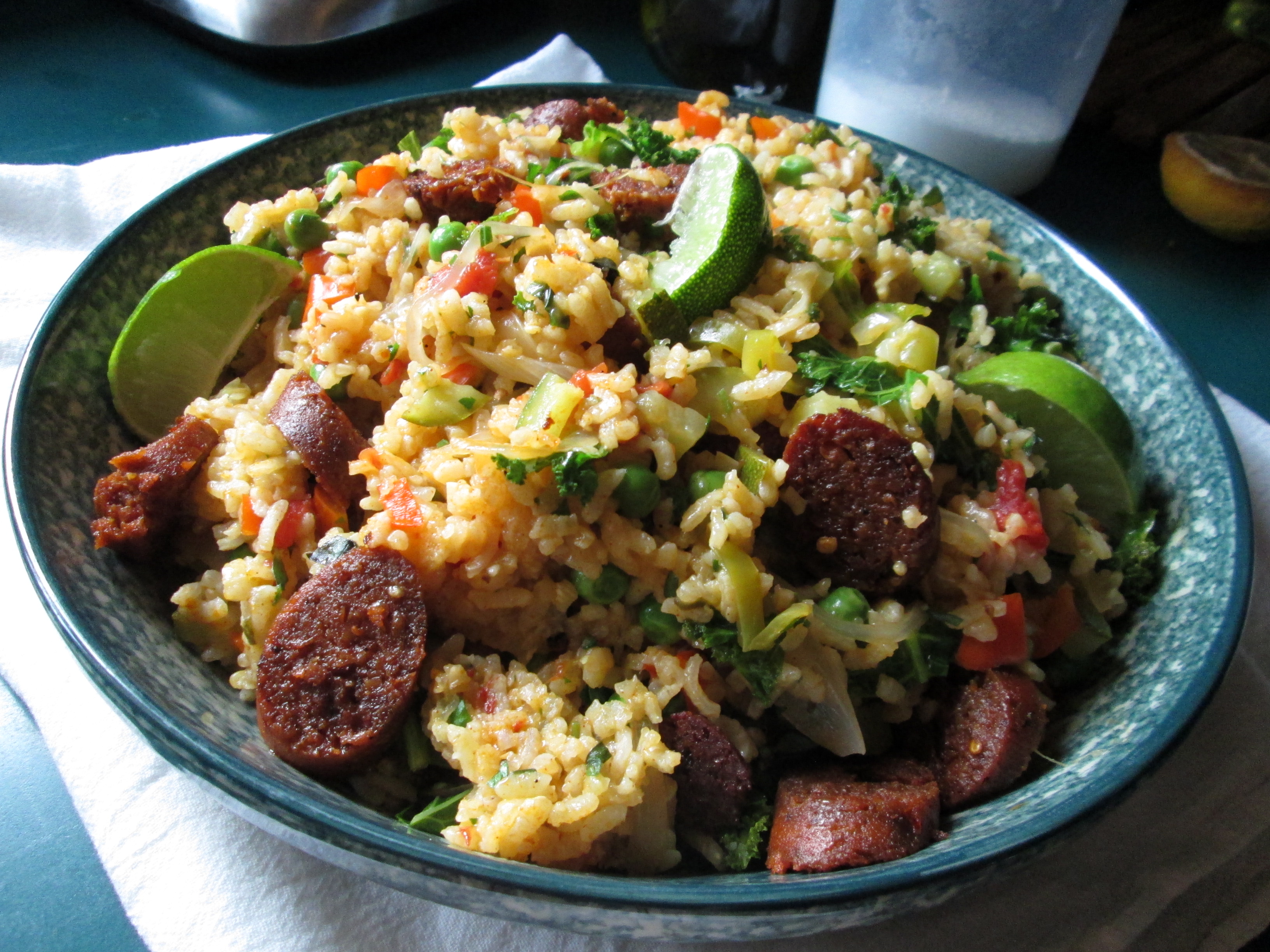
4. Return the chorizo back to the pan and mix in, along with the parsley. Transfer to a serving platter and garnish with lemon or lime wedges.

IMG_0811