Miz Chef

Cooking Up a Healthy Life


Leave a comment

Blue Corn Muffins


IMG_4771For some reason, I got it into my head that I wanted to make blue corn muffins, and what follows is my recipe.

But first, let’s talk about corn. Corn is, unfortunately, one of the most genetically modified crops in the United States. Unless you buy corn that is specifically labeled organic, you can be absolutely certain that the corn you just purchased has been genetically modified. And it isn’t just the corn that you eat, it is also the corn that is fed to the animals that you eat, and that means animal products as well—i.e., eggs, cheese, yogurt, etc.IMG_4718

Organic products aren’t cheap, though. Some people who are health conscious but can’t afford to go totally organic have a list of products that, if nothing else, they always buy organic. If you are one of those people, keep corn on that list.

Organic blue cornmeal is available (Arrowhead Mills has it and can be found in Whole Foods, other natural food markets, and sometimes well-stocked supermarkets). However, I wasn’t able to get my hands on organic blue corn meal in time to make the muffins when I wanted to make them. So, I made the conscious decision to use blue corn meal that I picked up at a Latin supermarket near where I work. Having said that, I urge you to use organic corn—in all its forms—whenever possible.IMG_4720
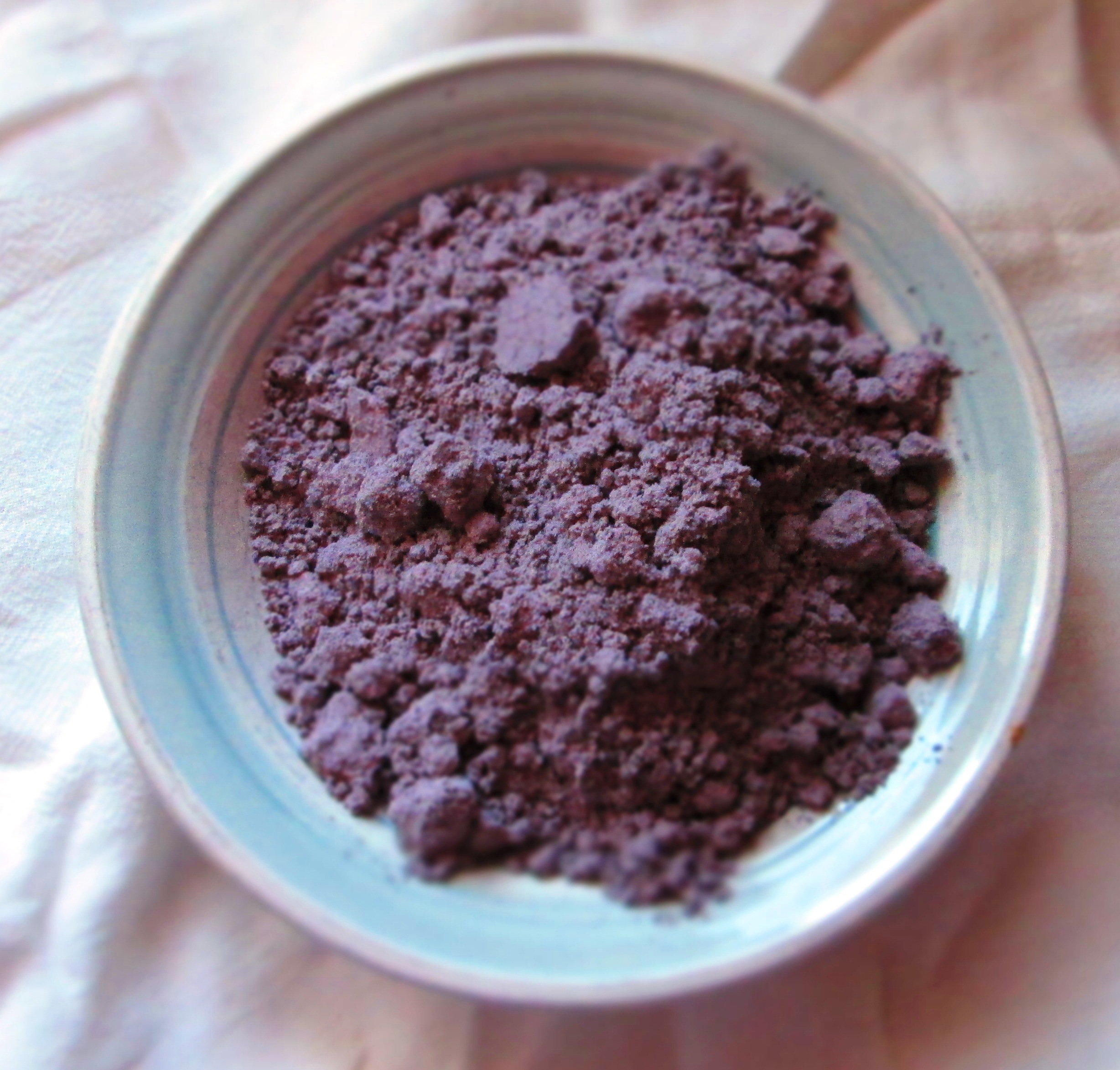
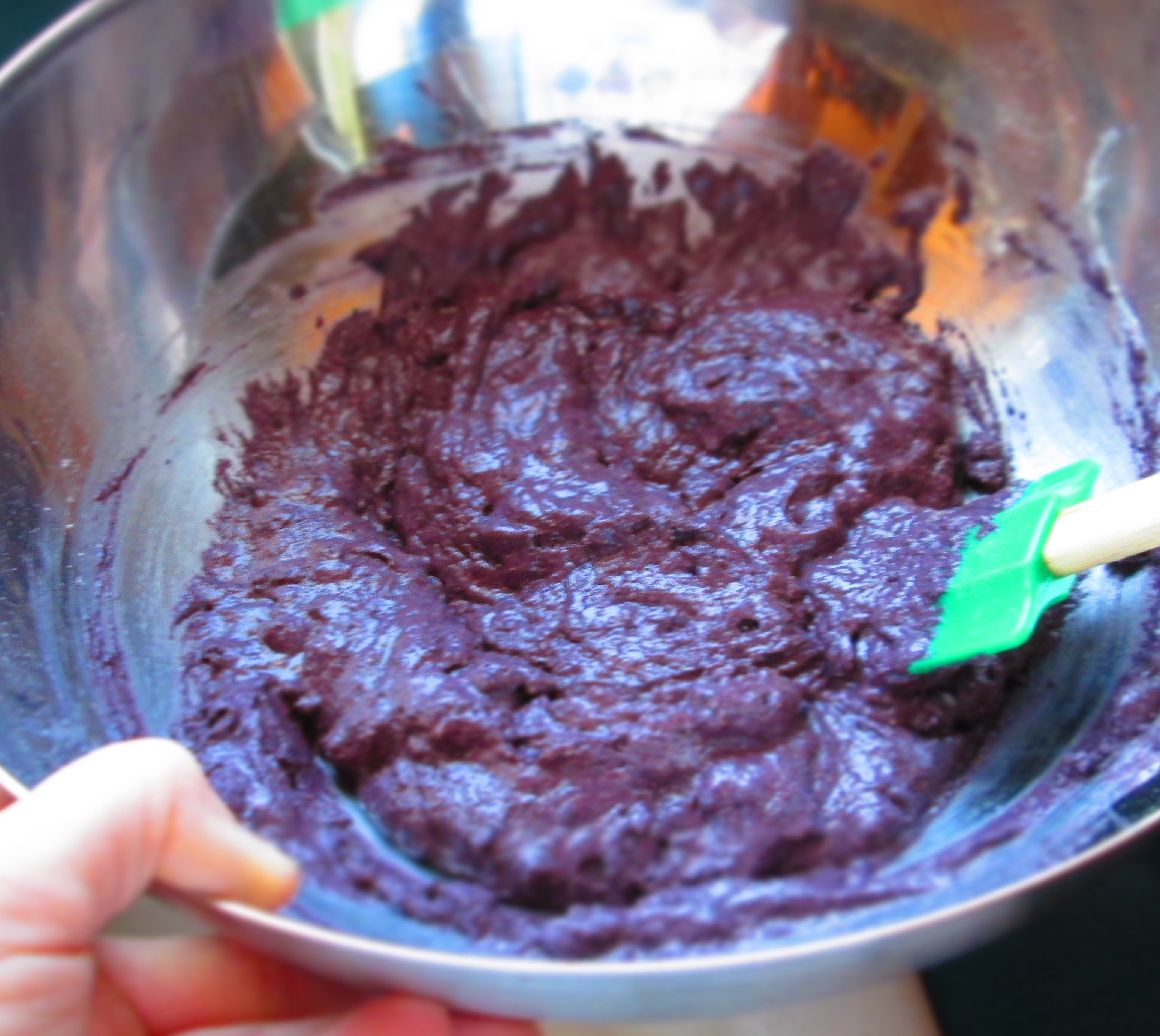
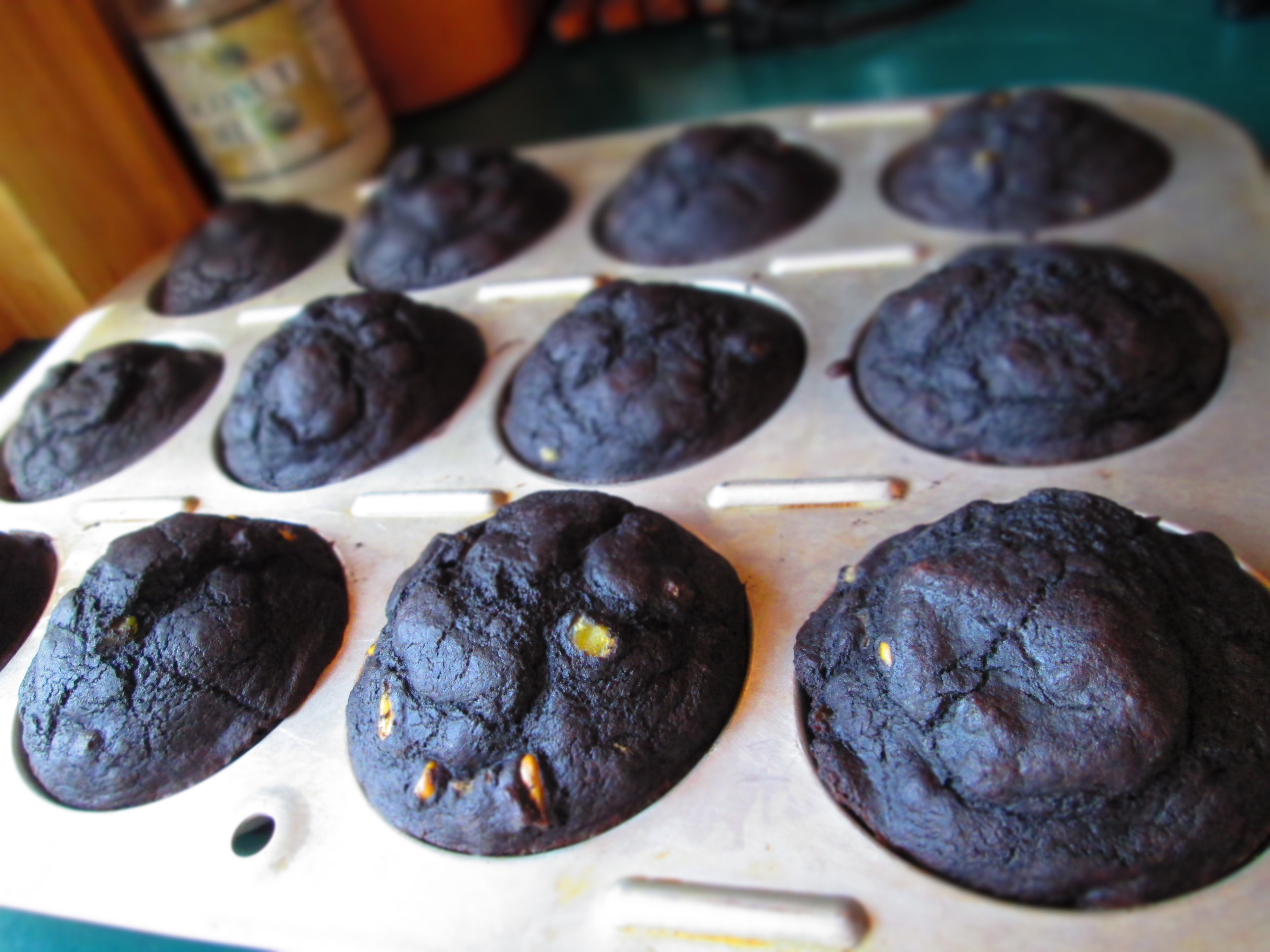
Now, onto the recipe. Blue corn meal makes for a beautiful purple batter, but the final product isn’t as vibrant. It’s usually a light lavender color. I’m not quite sure why mine came out so much darker than the average blue corn muffin—I suspect that my ratio of cornmeal to all-purpose flour was too high. Nevertheless, I decided that I like them and am keeping the recipe as is—at least for now. I like to add corn to the batter for an extra bit of texture, but you can omit it if you like.

Next time, I’m going to do a gluten-free version. Enjoy!

Blue Corn Muffins

Makes 12 muffins.

1½ cups blue cornmeal
½ cup all-purpose flour
1/4 cup grapeseed (or other) oil
2 teaspoons baking powder
1 tablespoon sugar
1 1/4 teaspoons salt
1/2 teaspoon baking soda
1 cup buttermilk
2 medium eggs
1 cup corn

Preheat oven to 425°F. Grease the cups of a medium 12-cup muffin tin, or line them with paper cupcake wrappers.

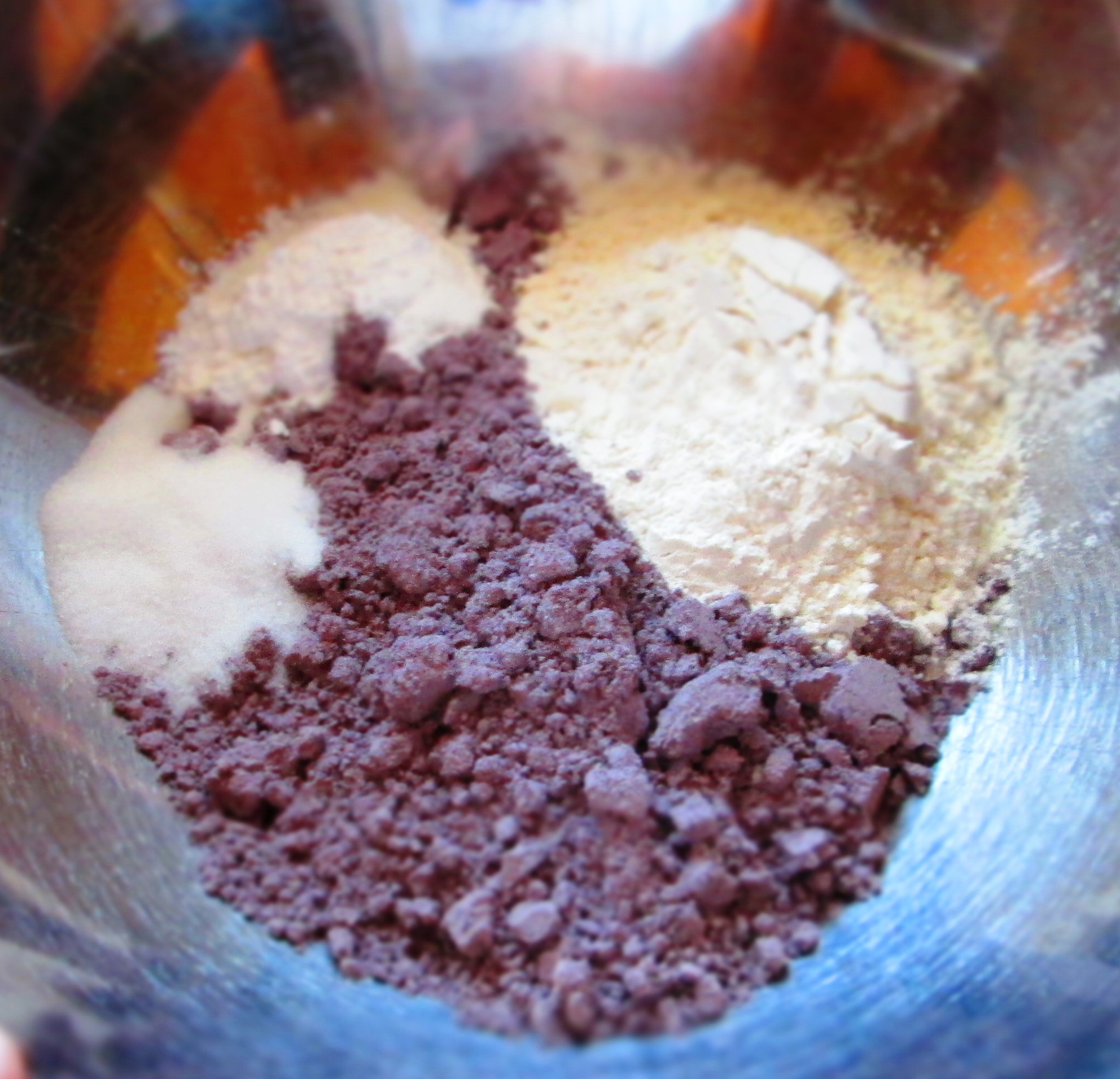
In large bowl, mix all the ingredients, except the corn, with spoon or rubber spatula just until mixed.IMG_4742IMG_4750Fold in the corn, if you’re using it.IMG_4751Fill the muffin cups equally. Bake 20 to 25 minutes or until a toothpick inserted into the center comes out clean. Place the tin on a rack and let cool. If you try to remove them immediately, they’ll crumble. If you have to, run the tip of a knife around the edges to loosen them.IMG_4759Turn them out onto the rack. Serve warm or at room temperature.IMG_4762Enjoy with butter and jam.


Leave a comment

Sweet Potato Flour Scones

IMG_3807

For those of you who don’t know, I took all my own photos for Vegetarian Italian: Traditions, volumes 1 and 2 (volume 1 is available now from all online retailers, and volume 2 is due out some time next year). I am taking photos for my upcoming cookbooks as well. What this means for me is that I’m in a constant testing/shooting mode. Which in turn means that I don’t often have a chance to cook just for the pleasure of it or to randomly experiment. Between a full-time job, my fiction writing, and my cooking/writing, I just don’t have the time.VegItalCover FINAL_Page_1

Lately, though, I’ve been in a bit of a slump in my fiction writing, so I’ve been able to devote a little bit more time to my cooking/writing. The following recipe is one result.

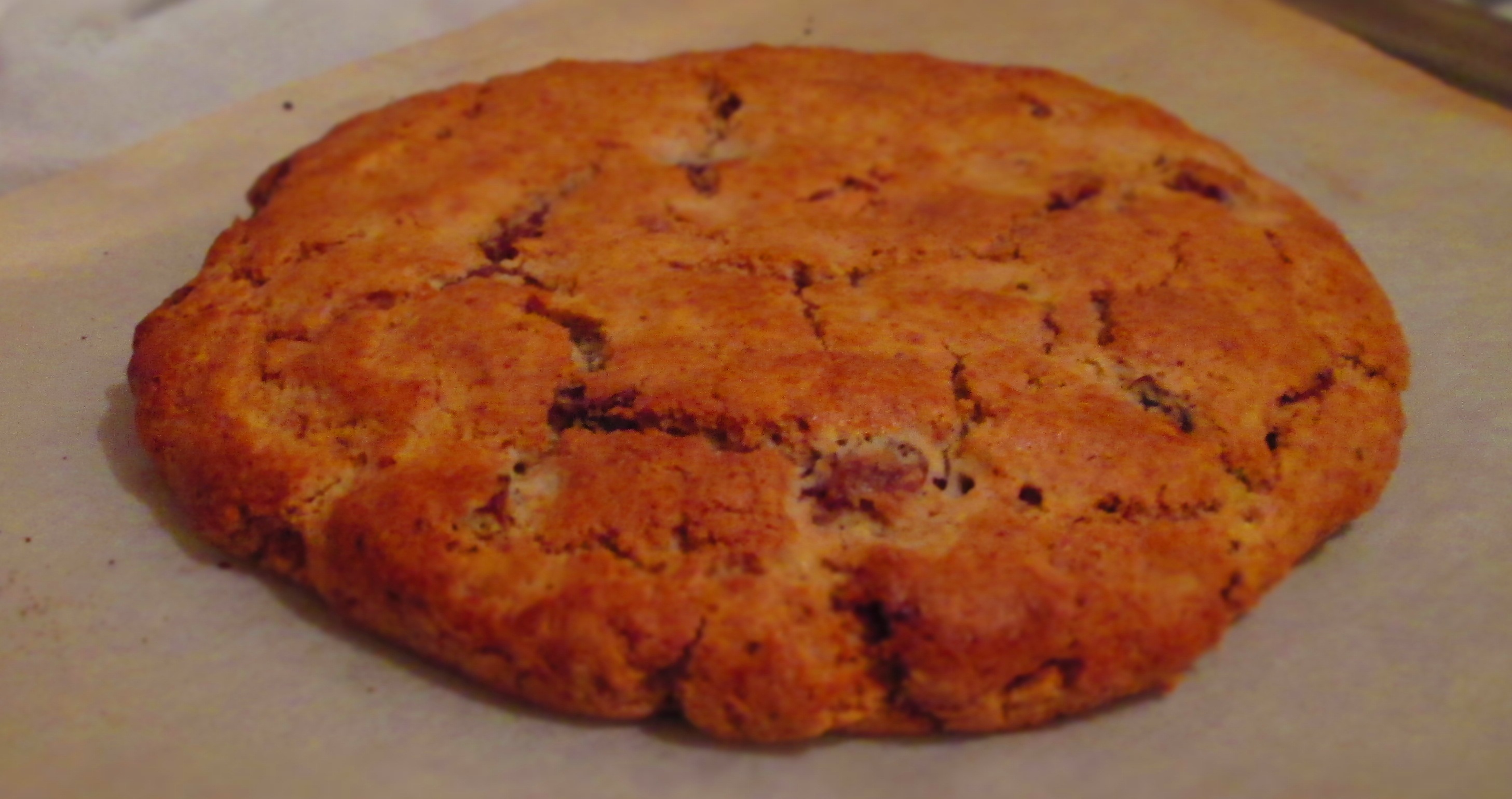
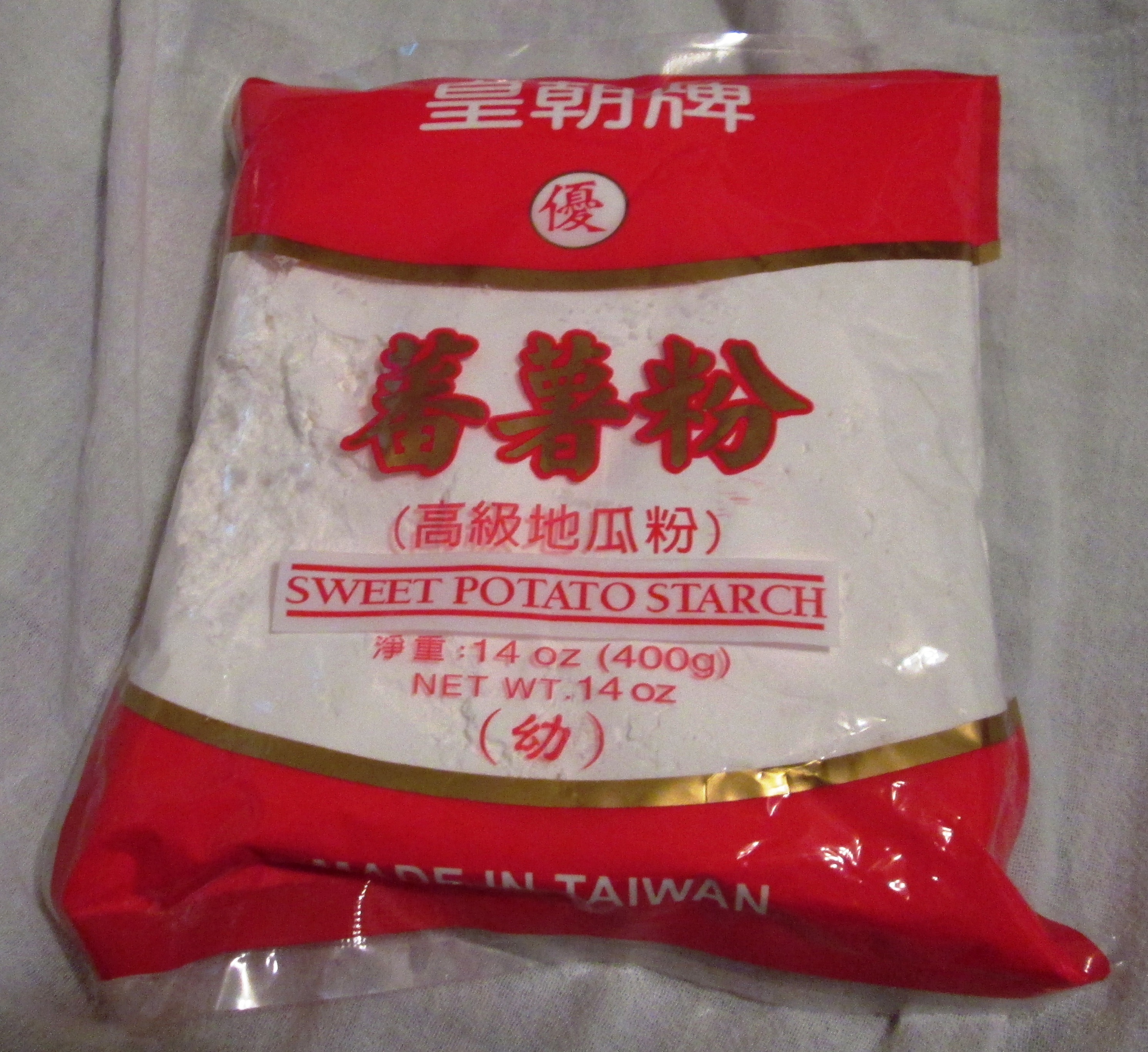
If you read this blog regularly, you know that I go out all the time to the specialty and ethnic markets near where I work and buy something new to try. The Asian markets have sweet potato flour, which I’d never seen before, so I picked up a bag and finally got to use it. It’s great for gluten-free baking, and I decided to try out a scone. I started with a standard gluten-free flour combination and incorporated the sweet potato flour. It turned out very well.IMG_3792

You can alter the recipe any way you like. I prefer dried cranberries, blueberries, or other dried fruit, but if you prefer to go traditional and stick with raisins, go right ahead. For added moisture, you can soak the fruit for an hour or so before adding them to the batter. Or omit them altogether. You can add nuts or change the flavor profile by adding orange or lemon zest, or your favorite flavor extract. And if you like scones on the sweeter side, add a bit more sugar.

Gluten-free scones tend to dry out faster than regular scones, so they’re best eaten fresh. Store leftovers in a plastic bag at room temperature for the first couple of days (unless it’s very hot and humid, then put it in the refrigerator). If you have any longer than that, then put it in the refrigerator. You can freeze it up to 3 months as well. I shaped mine flat to mimic some of “gourmet” scones I’ve seen, but it actually might come out better if you mound it in the traditional dome shape.

As much as I love warm scones, gluten-free baked goods tend to have a weaker structure and often crumble easily. This is one of those, so it’s best if you let it cool completely before cutting into it. But if you want it warm, go ahead and dig in right away, just be aware that it will crumble. But, then, you may like that! Enjoy!

Sweet Potato Flour Scones

Makes one 9-inch round scone.

1 cup sweet potato flour
1 cup rice flour
½ cup almond flour
¼ cup tapioca starch
2 tablespoons brown sugar
2 ½ teaspoons baking powder
1 teaspoon baking soda
½ teaspoon cinnamon
¼ teaspoon allspice
¼ teaspoon salt
6 tablespoons unsalted butter, cold
½ cup dried cranberries
½ cup buttermilk
1 large egg, lightly beaten
1 tablespoon honey
1 tablespoon maple crystals

Line a baking sheet with parchment paper. Preheat oven to 400 degrees.

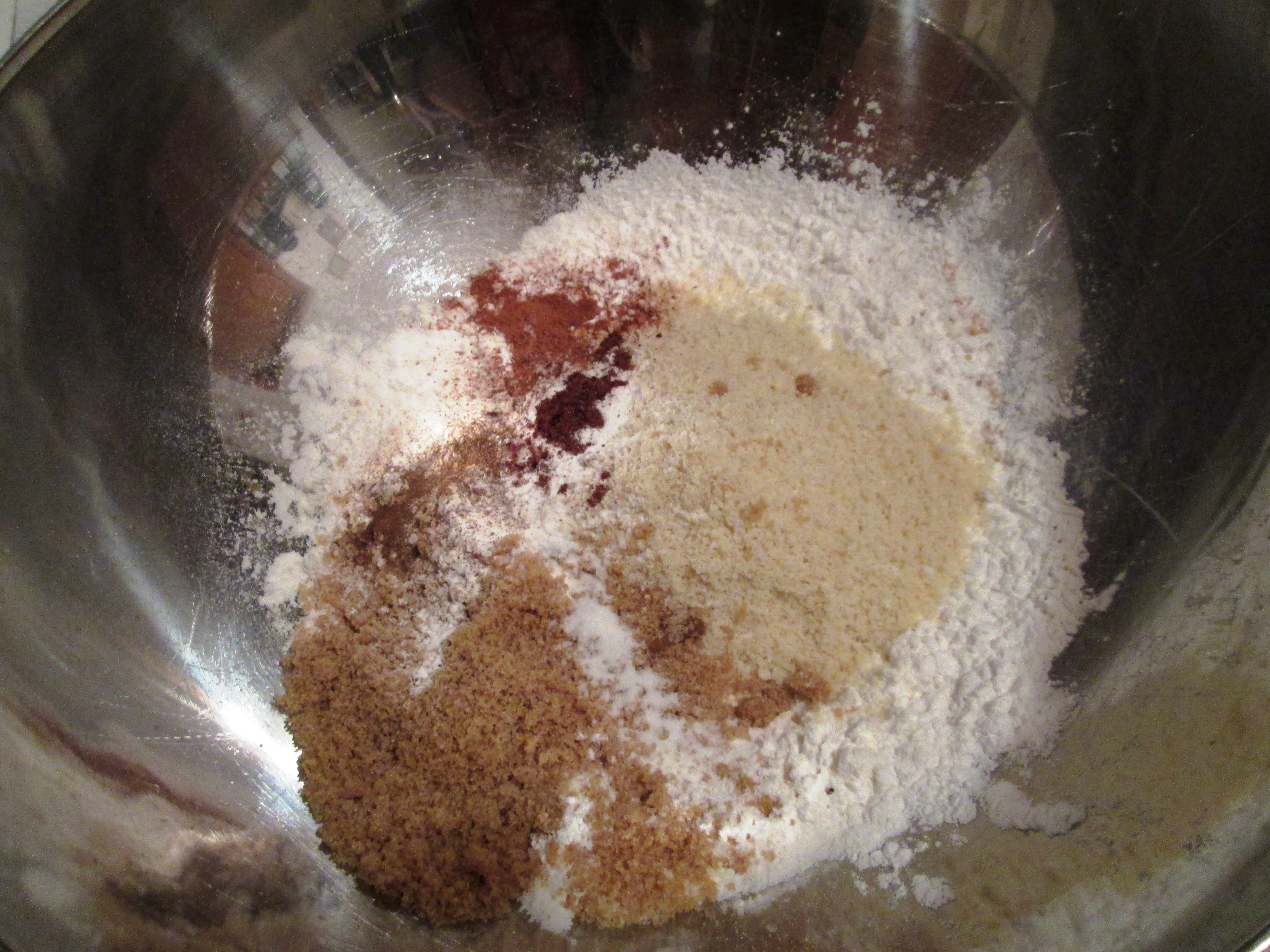
In a medium bowl, whisk together sweet potato flour, rice flour, almond flour, tapioca starch, brown sugar, baking powder, baking soda, cinnamon, allspice, and salt.

IMG_3793

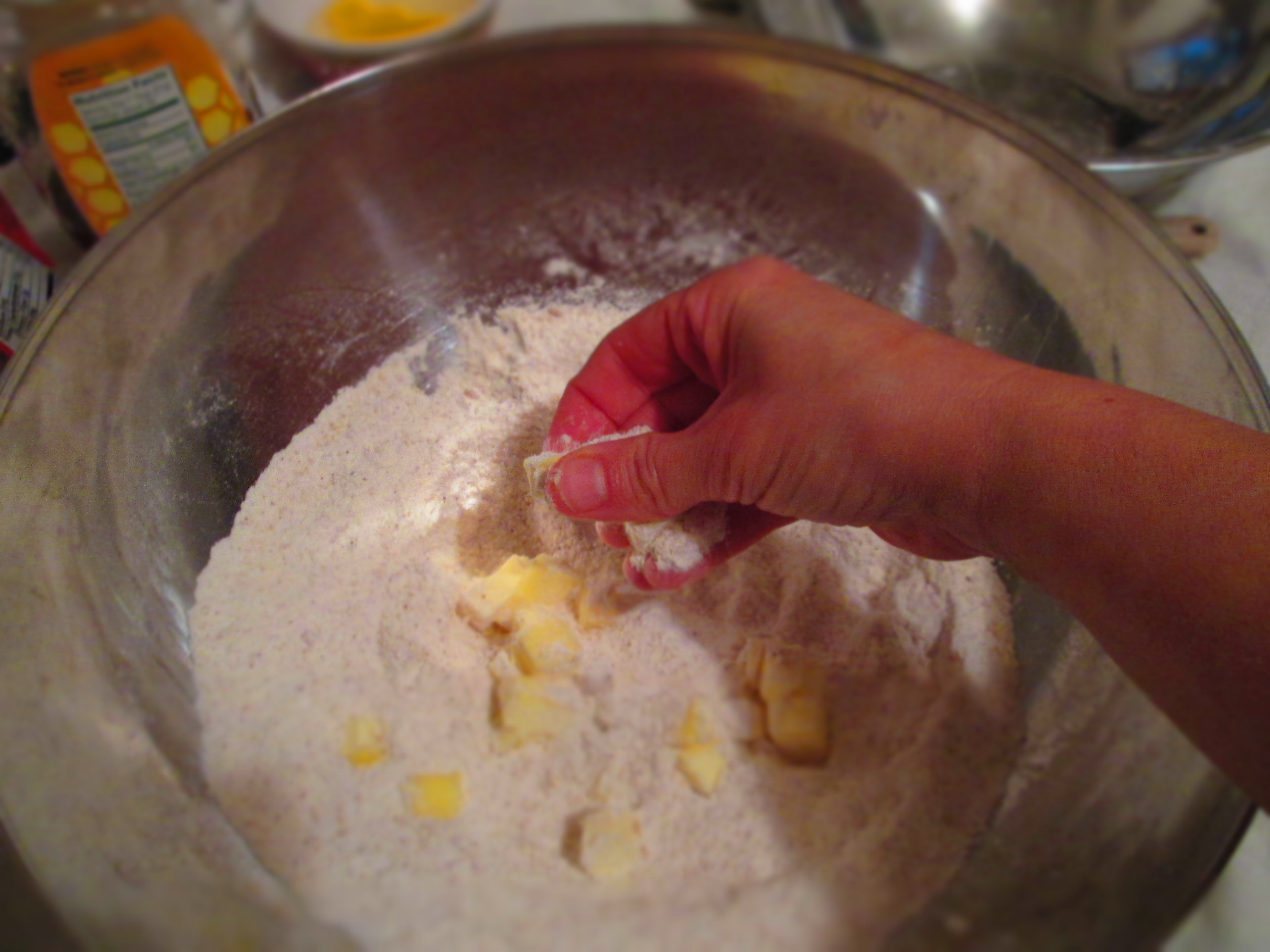
Cut the butter into little pieces and add to bowl. Using a pastry cutter, a fork, or your fingers, blend the butter into the flour until you have coarse crumbs.

IMG_3794

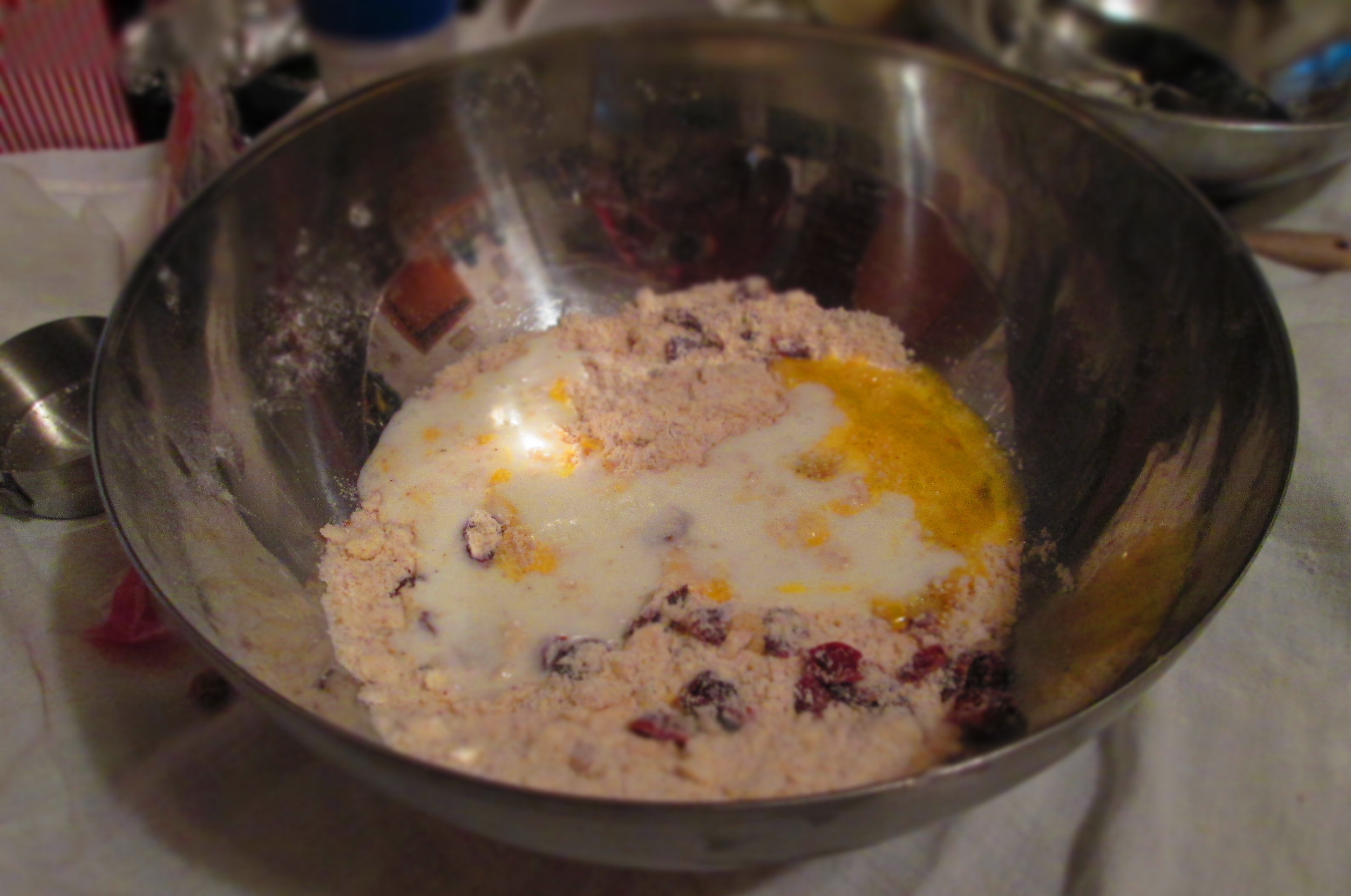
Stir in cranberries. Reserve 2 tablespoons of the buttermilk and add the rest to the bowl, along with the egg and honey.

IMG_3799

Gently combine just until all dry ingredients are moistened and you have a soft dough.

IMG_3800

Transfer to the baking sheet and shape it into a round loaf. Brush with some of the reserved buttermilk and sprinkle maple crystals on top. Score the top with a knife (optional).

IMG_3803Bake for 20 minutes. Lower the heat to 375 and bake another 15 minutes, or until golden brown and top feels firm (but not hard!). Transfer with parchment to a rack and let cool completely.

IMG_3814


Leave a comment

Going Flakey with Quinoa

IMG_3478

I call Jackson Heights, Queens, the United Nations because half of the world’s cultures, nationalities, and identities can be found there. And where there are ethnic enclaves, there are markets that cater to those enclaves.IMG_3474

This New York neighborhood is home to just about every Central and South American nation you can find on the map, and I’m always going home with some new product I’ve never seen or tried before.

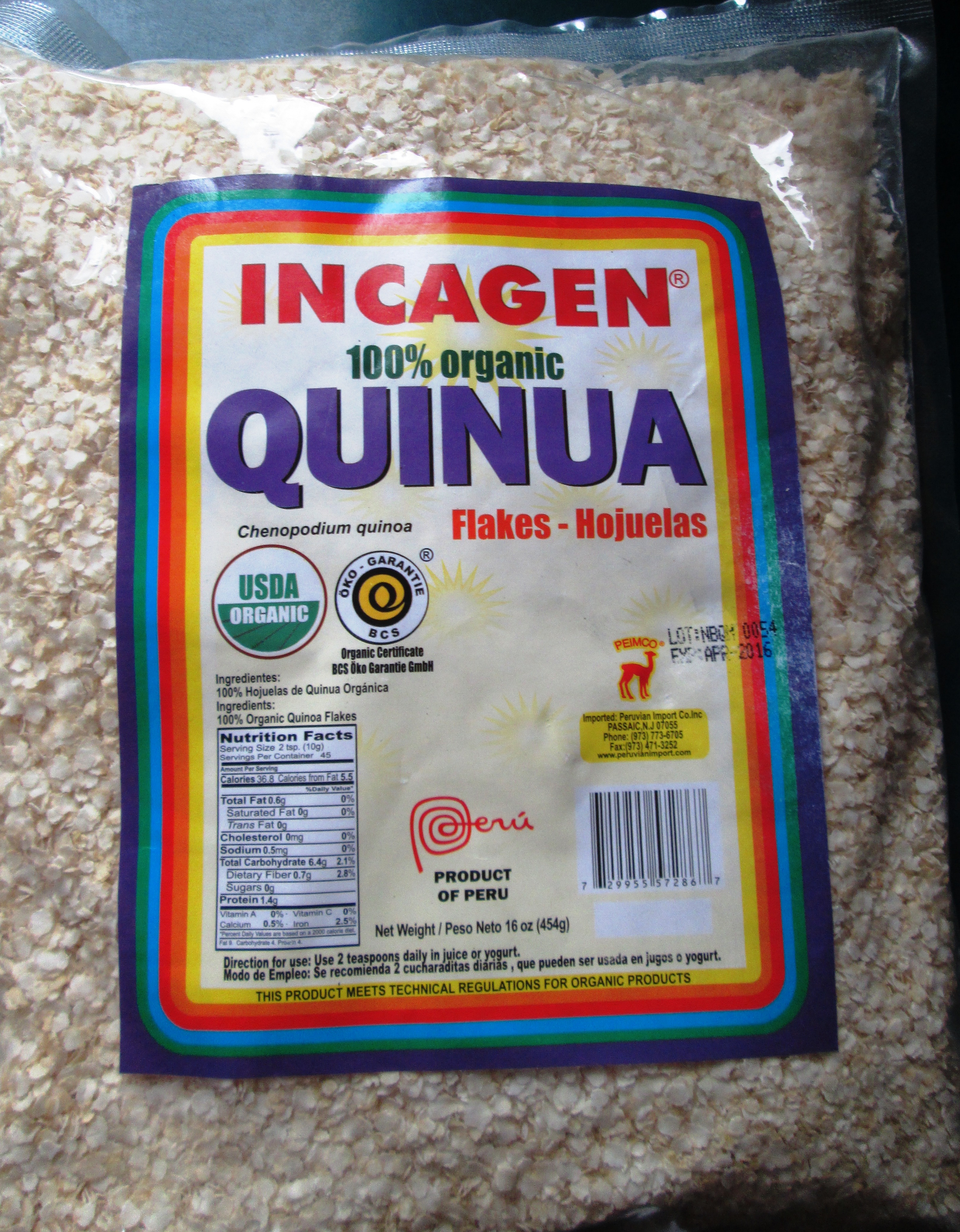
My forays into various ethnic markets have introduced me to many different grains in many different forms, from rice flakes to lotus nut puffs (okay, not technically a grain) to cracked corn. This past week, I found quinoa flakes.

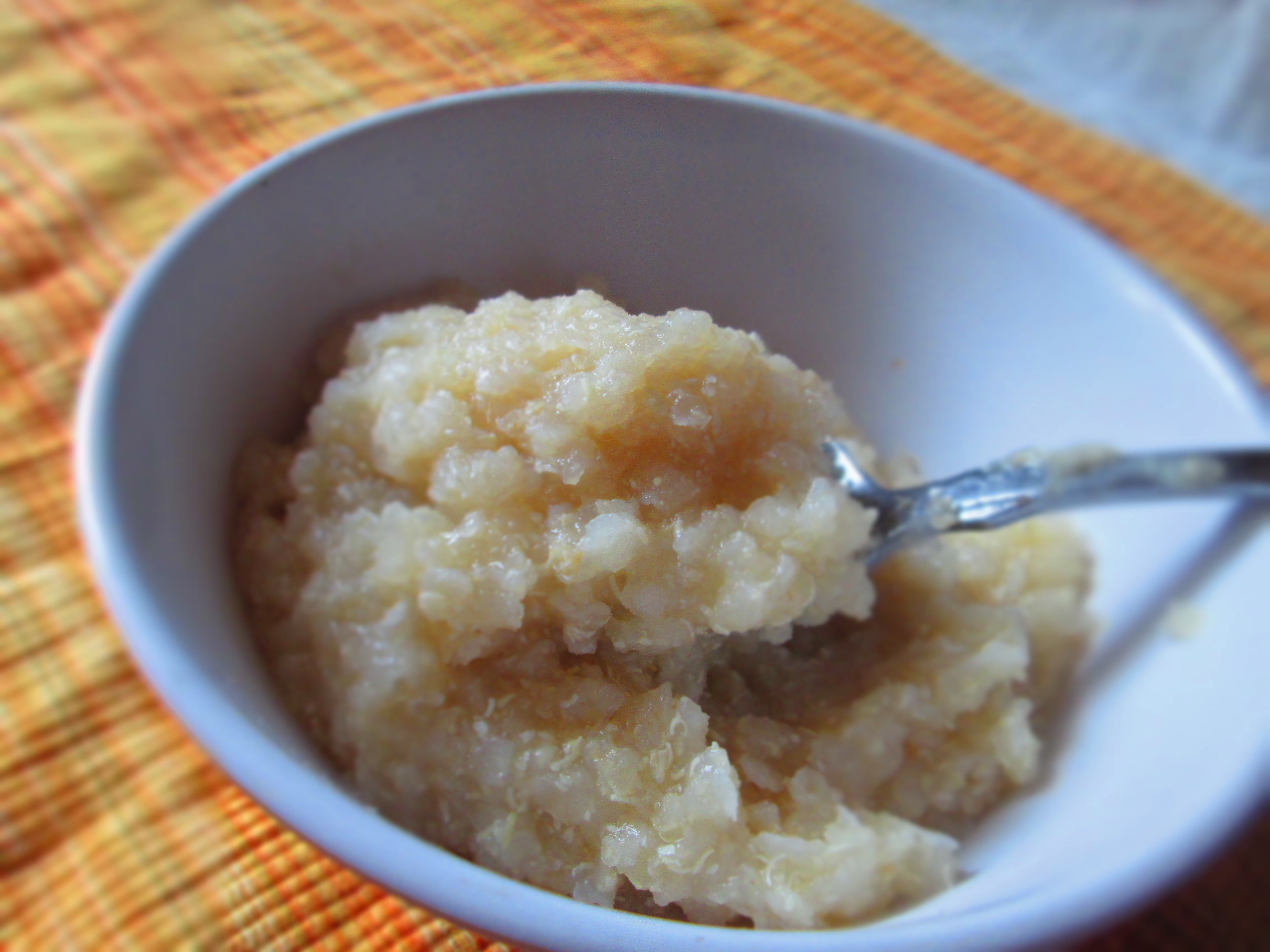
The package recommends putting a couple of tablespoons into a smoothie or yogurt, and I’ve read suggestions to put it in baked goods in place of flour or oats. But I figured it would make a good breakfast porridge, too. I cooked a small quantity by itself, just to see what it was like. It tasted like…well…quinoa. It even had the little signature “strings” of cooked quinoa. But I found it to be a bit blah. Kind of like baby food.IMG_3484

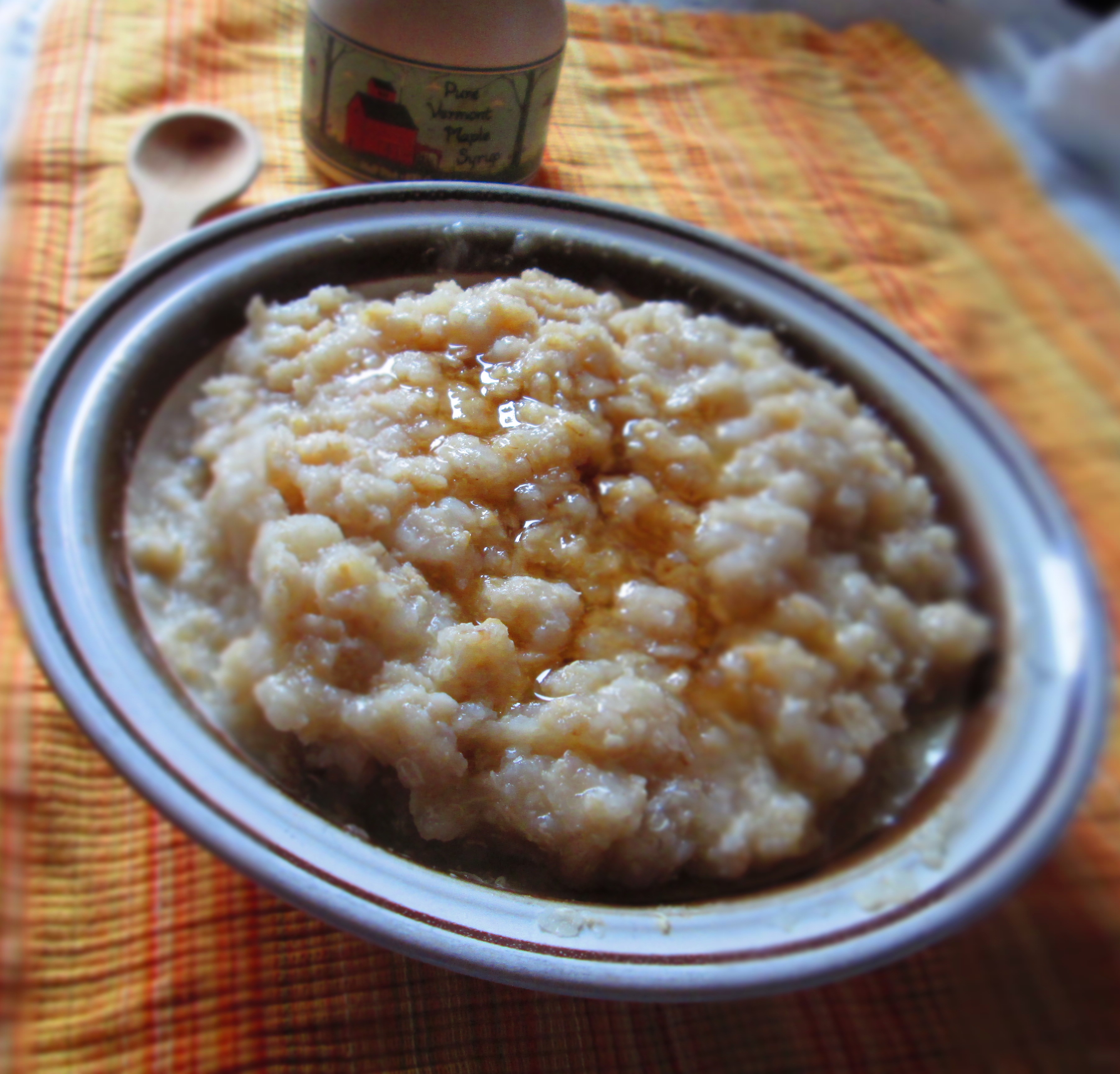
So then I blended it with rolled oats and made a half-and-half porridge. I added some maple syrup to give it some flavor, and topped it off with some chopped pecans for texture. It turned out much lighter than regular oatmeal, but because quinoa has protein, it’s filling nevertheless. And because it’s lighter, I think it would make a great breakfast for someone who is sick or has stomach issues.

Here’s the recipe for my preparation:

IMG_3488

Quinoa-Oat Porridge

½ cup quinoa flakes
½ cup rolled oats
Pinch salt

Optional toppings:
Maple syrup
Honey
Chopped nuts
Fruit

Bring 2 cups water to a boil in a small pot. Add quinoa flakes, oat, and salt; lower heat, cover, and simmer 5 minutes, or until desired thickness. You can add more water if you want it looser.

Transfer to 2 bowls. Top with whatever toppings you like.


3 Comments

Apple Corn Muffins

You know me—always picking up some odd thing or another in the plethora of ethnic markets throughout New York City.IMG_2510

This time, it was canned apples in sugar syrup from my favorite Indian market in Jackson Heights, Queens. Normally, I don’t buy canned fruit, much less anything in sugar syrup. But it just caught my attention on the shelf and I was curious about what they tasted like and what their appeal was. So, I bought a can.

Okay, now I know that it states right there on the can that they’re packed in sugar syrup. But I was not prepared for the cloying sweetness that almost put me into a diabetic coma. Yowza.

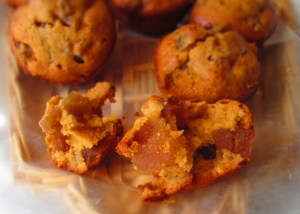
So, this is what I did. I drained the apples from the syrup and threw together a quick cornbread mix and made muffins. I found that the cornbread balanced out some of that sweetness. Keep the syrup for another recipe (for example, poke holes in a cake and pour the syrup over the top, or strain it and use it for a cocktail).IMG_2512

Here’s my recipe. It’s really easy and quick and a great way to use those canned apples that everyone has lying around. I mean, don’t you have them in your pantry?

Do not add sugar to the cornbread mix—it will make the muffins over-the-top sweet. Let me know what you think. Enjoy!IMG_2522

Apple Corn Muffins

1 cup fine cornmeal
¼ cup whole wheat flour
½ teaspoon cinnamon
¼ teaspoon nutmeg
pinch salt ¼ cup milk
1 egg
1 container apples in syrup, drained

Preheat oven to 350 degrees F. Grease a 6-cup muffin tin.

In a medium bowl, combine cornmeal, flour, cinnamon, nutmeg, and salt. Whisk together.

IMG_2513

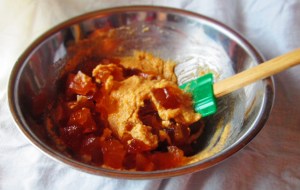
Add milk and egg and whisk in. Fold in apples just until all apples incorporated.

IMG_2514IMG_2515

Divide batter into cups of muffin tin.

IMG_2516

Bake for about 30 minutes, or until golden brown. Remove from oven and let cool 10 minutes; turn out onto wire rack.

Makes 6 muffins.IMG_2523


2 Comments

September is Better Breakfast Month

How many times have you heard that breakfast is the most important meal of the day? A million times since you were a kid, right?

I’ve never been much of a breakfast person. I can’t really eat first thing in the morning. My stomach just will not accept food when I first get up. It amazes me to know that some people roll out of bed, shuffle into their kitchens, and start eating. My routine is, I go to work, have a cup of coffee, and right around 10:30 or so, I’m ready to eat a little something. I know that’s not a great way to start my day, but it’s the best I can do.

IMG_0158

Multigrain Morning Porridge

What I do try to do, however, is to make it a good, energy-inducing breakfast: oatmeal with walnuts or pecans; yogurt with fruit and seeds (sunflower, pumpkin, chia, and flax); whole grain bread with some kind of nut butter. Lately, I’ve been doing a lot of green smoothies. The point is not only to curb hunger but to give your body and brain the proper fuel to do what it needs to do throughout the day. It appalls me to see people eating doughnuts, crullers, sugary muffins, and soda for breakfast. (I think muffins are good if they have nutritional components to them, like high-protein flours, nuts, and natural sugar alternatives.)

Breakfast porridges are a great choice and can be made with any grain you like, such as steel-cut oats, quinoa, millet, and barley. Below is my recipe for multi-grain porridge. I had the original recipe for this porridge in my collection for a while but never gave it a try. Not because it didn’t appeal to me (otherwise, I wouldn’t have clipped it), but because I so rarely make homemade porridge for breakfast. During the week, I never eat breakfast at home—I prepare whatever it is I’m going to have the night before and take it to work. On the weekends, I still don’t have time and usually just grab leftovers from the fridge. But whenever I can, I’ll make some kind of porridge. IMG_0151

I made some modifications to the recipe, based on what I had on hand and my personal preferences. The good thing is that this stays well in the fridge for a few days, so I can make a big batch and just reheat it.

Clockwise from upper right: Wheat berries, grits, amaranth, oats.

Mulitgrain Morning Porridge

Adapted from “Multigrain Breakfast Porridge” by
Bruce Weinstein and Mark Scarbrough, Cooking Light, Oct. 2007

½ cup wheat berries, rinsed
¾ teaspoon sea salt
1/3 cup steel-cut oats
3 tablespoons regular grits
¼ cup amaranth
¾ cup coconut or almond milk
¼ maple syrup
¼ cup dried blueberries or other dried fruit
½ cup chopped walnuts or other nuts

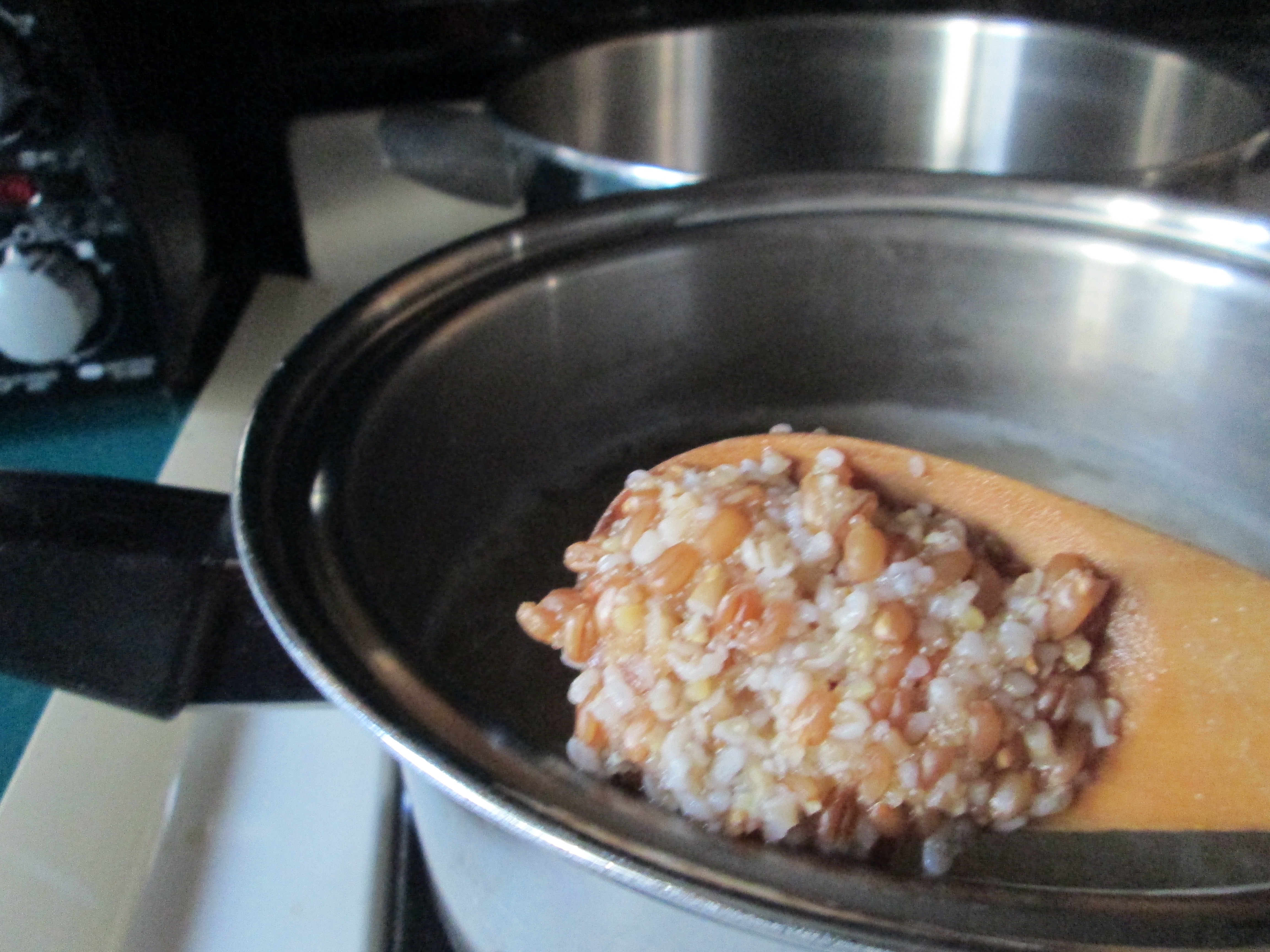
Bring 5 cups water to a boil. Add the wheat berries and salt; reduce the heat to medium-low and simmer, partially covered until almost tender, 20 to 30 minutes.IMG_0153

Add the oats, grits, and amaranth and stir. Continue simmering until all grains are tender, about 15 minutes, stirring frequently. Stir in coconut milk, maple syrup, and fruit and cook another 2 minutes, stirring frequently. Stir in nuts. Serve hot.

IMG_0155

This porridge will keep for several days in the refrigerator. To reheat, stir in a little more coconut milk or water until it reaches the desired consistency. Heat over medium-low heat or in the microwave for 1 to 2 minutes.

Makes 4 servings.