Miz Chef

Cooking Up a Healthy Life


1 Comment

Bedeviled Egg Salad

IMG_4556Earlier this year, I learned about Barnraiser.us, whose mission it is to promote sustainable farming by raising and providing funds for farmers and food producers who want to provide sustainable products. When they were helping Carole Morison, a farmer, go free range, I contributed an egg recipe for a promotional collection they were putting together. I thought I’d share it with you.

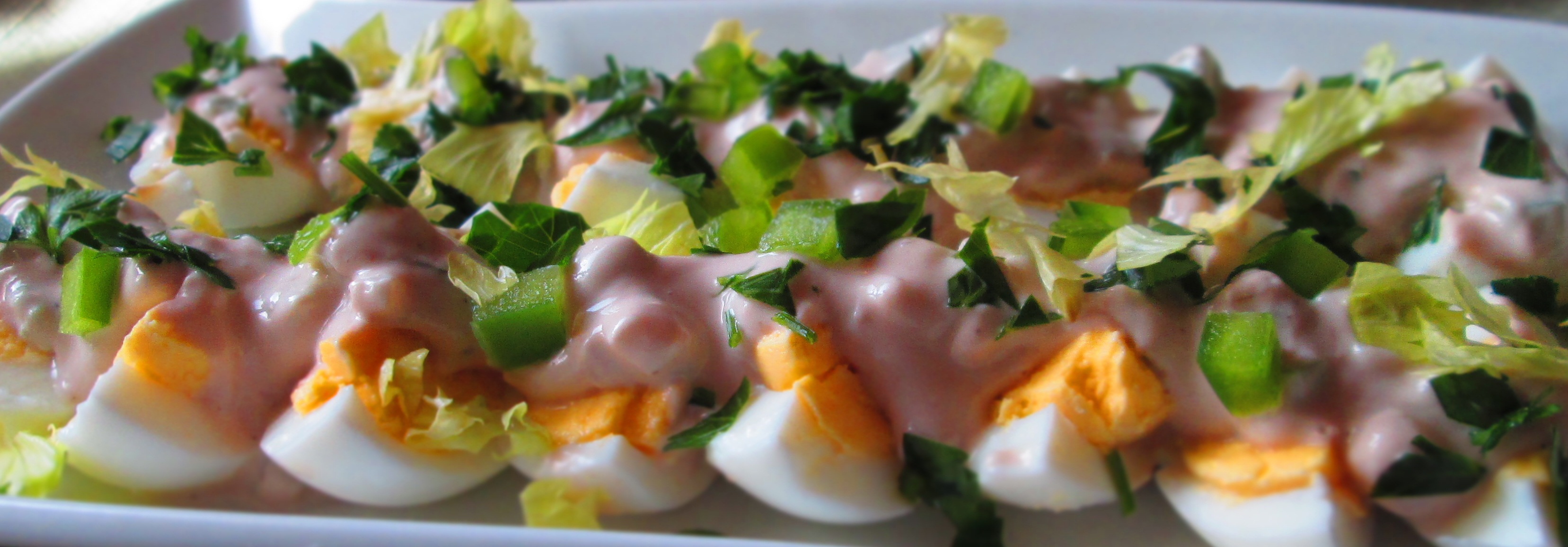
This is a cross between deviled eggs and egg salad. What makes this egg salad special is the dressing, which bursts with flavor, partly from the balsamic vinegar and partly from the mustard, and it’s healthier because rather than using the typical mayonnaise, I used Greek yogurt.

Choose a good-quality, flavored mustard—I first tried this with a wonderful bourbon-molasses mustard and it was a huge hit. Also, I suggest using whole-milk yogurt because low- or non-fat yogurt can be tarter and grainier than whole milk yogurt.

Try this at your next party, barbecue, or picnic. Enjoy!
close up

Bedeviled Egg Salad

12 eggs
1 teaspoon sea salt, plus more
½ cup Geek yogurt
2 tablespoons balsamic vinegar
2 tablespoons minced shallot
1 teaspoon flavored mustard (like honey, beer, or bourbon or a fruit mustard)
1/3 cup finely minced celery
2 tablespoons minced green pepper
Black pepper to taste
Garnish: slivered red onion, chopped green pepper, minced parsley and/or celery leaves

Place the eggs in a pot big enough to hold them without crowding them. Fill pot with cold water to cover by at least an inch. Add ½ teaspoon salt. Cover and bring to a boil. Turn off the heat, keep the lid on, and let them sit for 10 minutes off heat.

Meanwhile, in a medium bowl, whisk together yogurt, balsamic vinegar, shallot, mustard, celery, green pepper, pepper, and remaining salt. Taste and adjust, as needed. Set aside.

Drain the eggs and place them in a bowl with cold water. Drain and refill with cold water a couple of times. Gently tap and roll the eggs on a counter or plate to crack the shells then place them back in cold water and let them sit about 15 minutes (this allows the water to seep underneath the shells, making them easier to peel).

Peel and rinse to remove all shell remnants. Dry on paper towels. Cut into quarters lengthwise and arrange them neatly on a platter.

Place dollops of the dressing over the eggs, spreading it out so that all the eggs are covered. Garnish as desired. Keep chilled until ready to serve.

Makes 48 pieces (about 24 servings).

IMG_4557


4 Comments

Almond-Lucuma Cake

IMG_4798 _V2

Photo: Akramm via Wikimedia Commons

Photo: Akramm via Wikimedia Commons

If you haven’t heard of lucuma, it’s because it’s a fruit indigenous to Peru, Chile, and Ecuador that hasn’t really had much play outside of its native region, especially since it only thrives in subtropical climates. It has a dark green skin, and a pit (sometimes two) that look like avocado pits. Its yellow flesh is dry and often compared to hard-boiled egg yolk, and its mild flavor has been likened to maple syrup, caramel, and sweet potatoes.

Indigenous Andean peoples used lucuma not just as food but medicinally as well. The Incas believed it to be a symbol of fertility and creation and it was dubbed “Gold of the Incas.” Modern studies of lucuma show that the fruit contains beta carotene, iron, zinc, vitamin B3, calcium, and protein. It aids in warding off heart disease and hypertension, maintaining skin health and blood sugar levels (and it is hoped that it will help people with diabetes), and supporting healthy digestion.lucuma[1]
Continue reading


Leave a comment

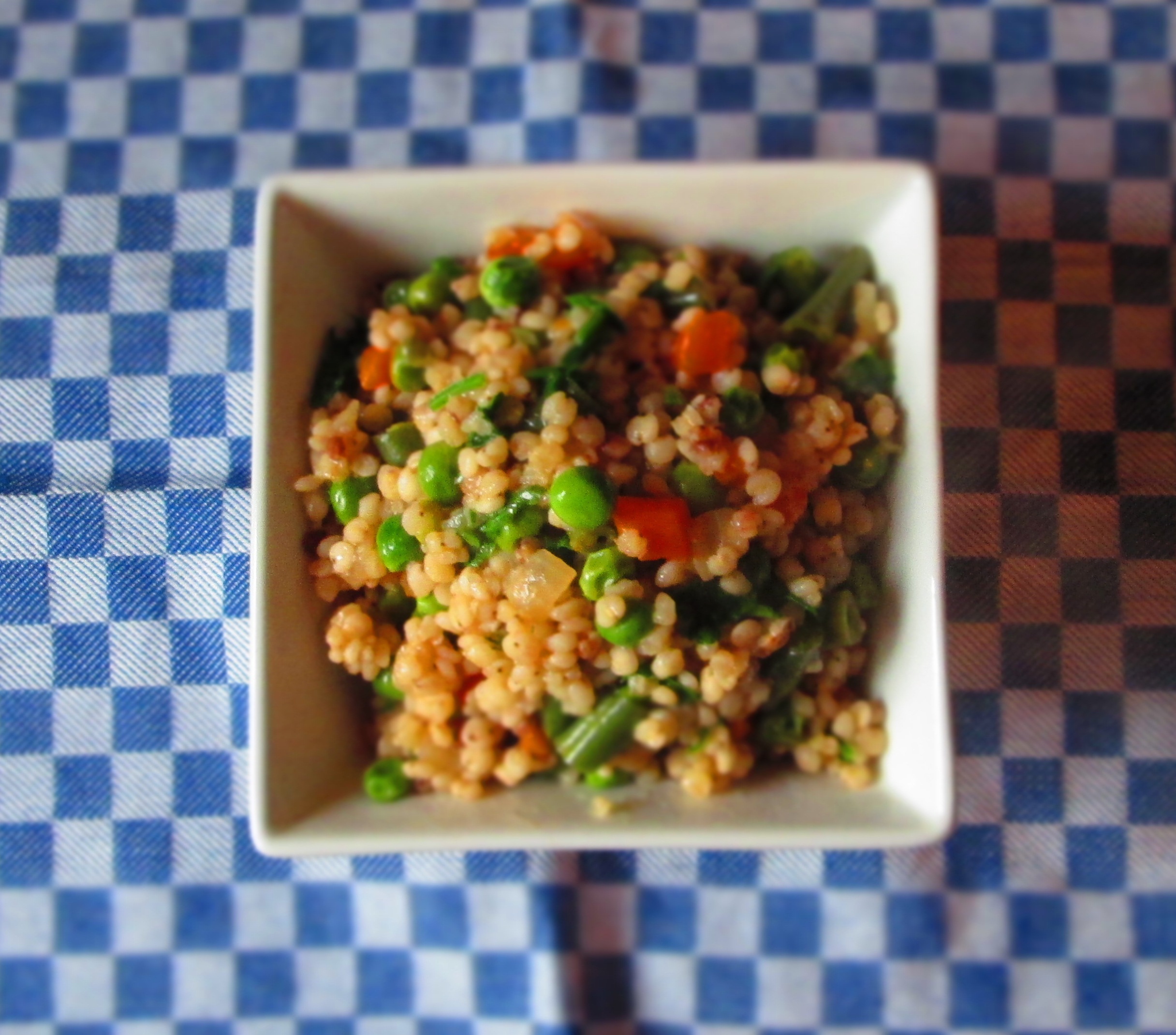
Sorghum Pilaf

IMG_4640

Sorghum is technically a grass (but for culinary purposes is classified as a grain) that is native to Africa, and was introduced to to the U.S. in the 1800s. It’s always been an important food crop around the world, but in the U.S., it’s been used primarily as animal feed. The exception to this is in the U.S. South, where sorghum molasses is a traditional sweetener, used much in the same way as honey or maple syrup. However, with the rising interest in gluten-free and ancient grains, sorghum is becoming more and more popular as human food in the U.S.IMG_4625

The great thing about sorghum, apart from the fact that it’s gluten free, is that it doesn’t have an outer shell that has to be removed to make it edible. That means that it’s a whole food, and that means that it’s healthy and just plain awesome.
Continue reading


Leave a comment

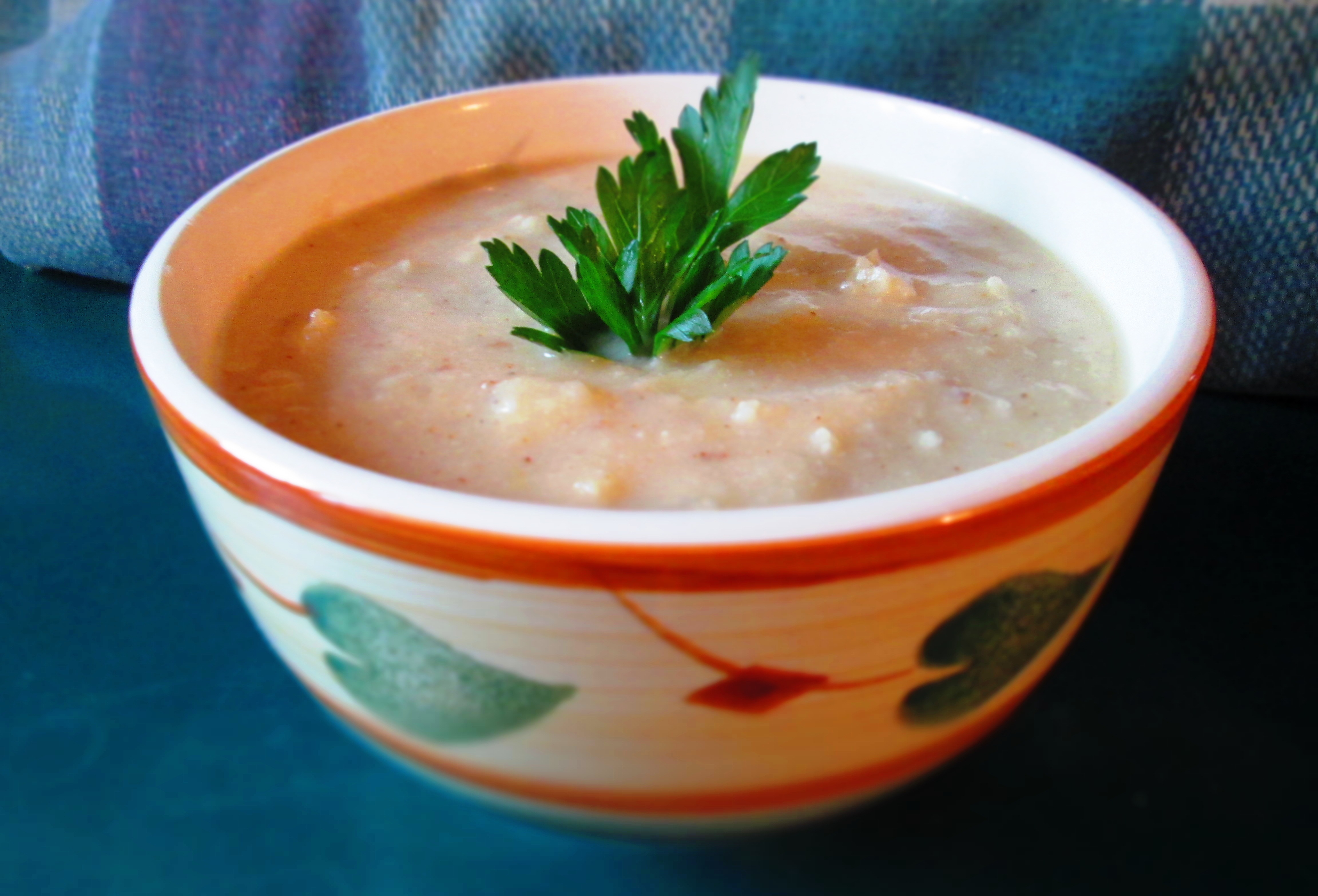
Creamy Roasted Cauliflower Bisque

IMG_4620

I had no plans for cauliflower over the course of my very busy weekend, but when I saw big, beautiful heads of cauliflower in the store the other day, I couldn’t resist buying one.

It’s cold, snowy, wintry weather, and days like this just scream soup, and what I wanted was a creamy bisque. But before I get to my recipe, let’s talk a bit about this wonderful cruciferous vegetable.

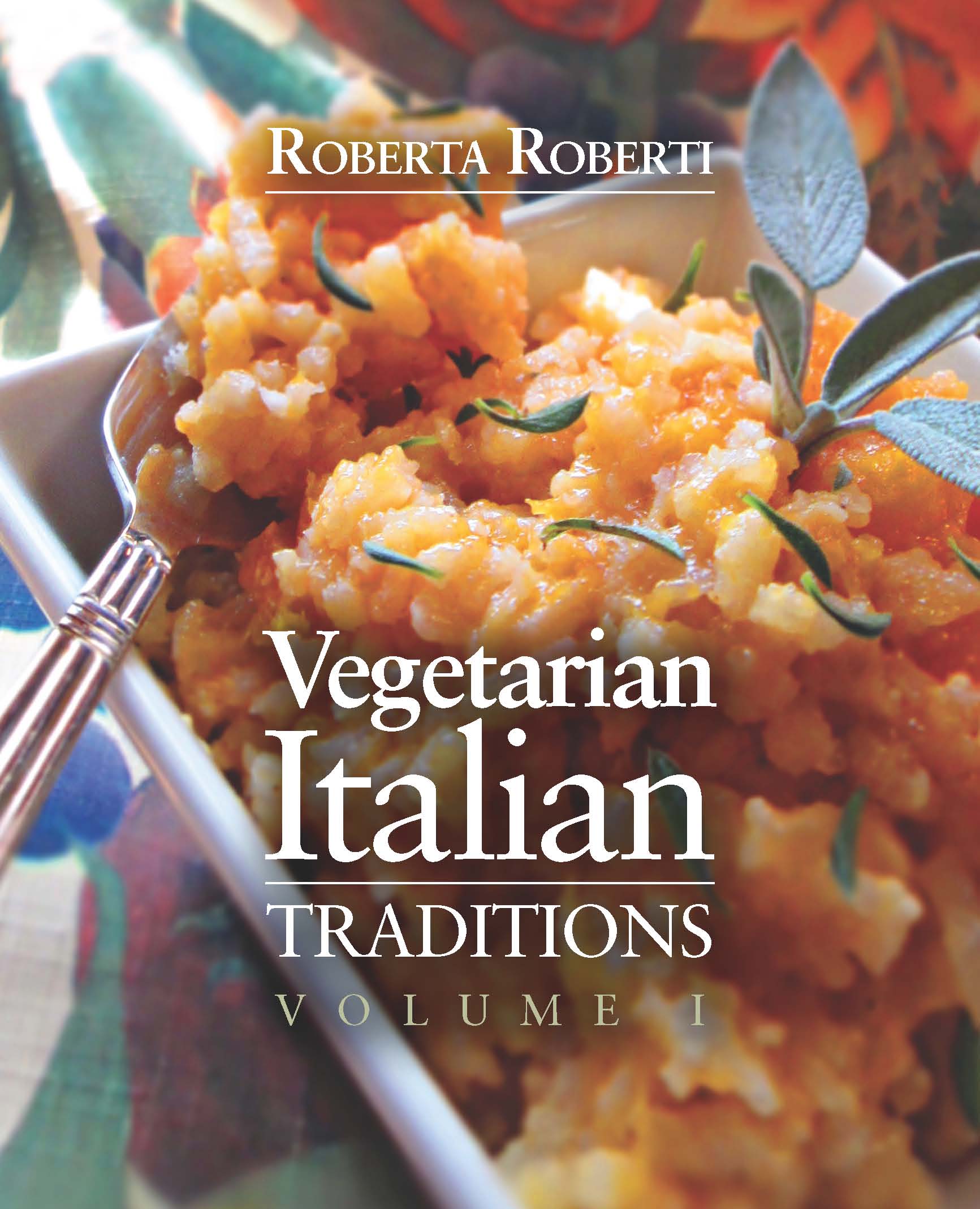
Cauliflower is part of the Brassicaceae family and is related to cabbage, broccoli, Brussels sprouts, bok choi, collard greens, and some other leafy green vegetables. In my cookbook, Vegetarian Italian: Traditions, Volume 1, I talk a little bit about the history of cauliflower and its health benefits:
Continue reading


Leave a comment

Gluten-Free Lemon-Poppy Berry-Topped Cake

IMG_4573

On this deep-in-winter February day, I’d like to offer a recipe for a gluten-free cake that is really easy to make and very versatile. The batter doesn’t rise much, which makes it a great vehicle for all kinds of toppings.

I like it because it’s not overly sweet and it can be paired with lots of different things. Instead of berries, you can top it with lemon curd or orange marmalade, or buttercream frosting. You can put the batter into 4 small loaf pans for individual desserts. You can also substitute the lemon zest and juice with orange or other citrus. And with the exception of 1 egg, it’s also dairy free, so for those of you who are lactose intolerant, it’s a great choice.

Enjoy!

Gluten-Free Lemon-Poppy Berry-Topped Cake

Makes 1 8-inch cake.¼ cup sorghum flour

¼ cup chickpea flour
2 tablespoons tapioca flour
2 teaspoons baking powder
1 teaspoon baking soda
Pinch sea salt
2 teaspoons lemon zest
2 tablespoons poppy seeds
1 large egg
¼ cup plus 2 tablespoons maple crystals or coconut sugar
¼ cup plain yogurt
1 tablespoon melted coconut oil
2 tablespoons fresh lemon juice
2 cups fresh berries
2 tablespoons confectioners’ sugar (optional)

Preheat oven to 350 degrees. Grease an 8-inch cake springform pan.

In a medium bowl, whisk together flours, baking powder, baking soda, salt, zest, and poppy seed.

In another medium bowl, whisk egg, sugar, yogurt, oil, and lemon juice. Fold in dry ingredients, just until all ingredients are moistened.

Bake about 25 to 30 minutes, or until a toothpick inserted in center comes out clean. Transfer to a wire rack and let cool 5 minutes. Remove ring. Invert onto a plate, remove pan plate, then invert again back onto rack. Let cool completely.

Transfer to a plate. Decorate with berries and dust with confectioners’ sugar, if desired. (The best way to do this is to put sugar in a fine mesh sieve set over a bowl. Then shake the sieve gently over the cake.)

IMAG2572


Leave a comment

The Dark Mistress of Valentine’s Day…and Pudding Hearts

IMG_4491

It’s kind of fascinating how you can point to any holiday on the calendar at any time of the year and, invariably, there will be food associated with that holiday. And if it’s not about the things you should eat, then it’s the things you should not eat. Or, it’s that you should not eat at all (as in fasting).

Personally, I think holidays are just excuses for eating lots of delicious things that we normally stay away from, or otherwise berate ourselves for indulging in when there’s no holiday to make it permissible.

Photo: André Karwath

Photo: André Karwath

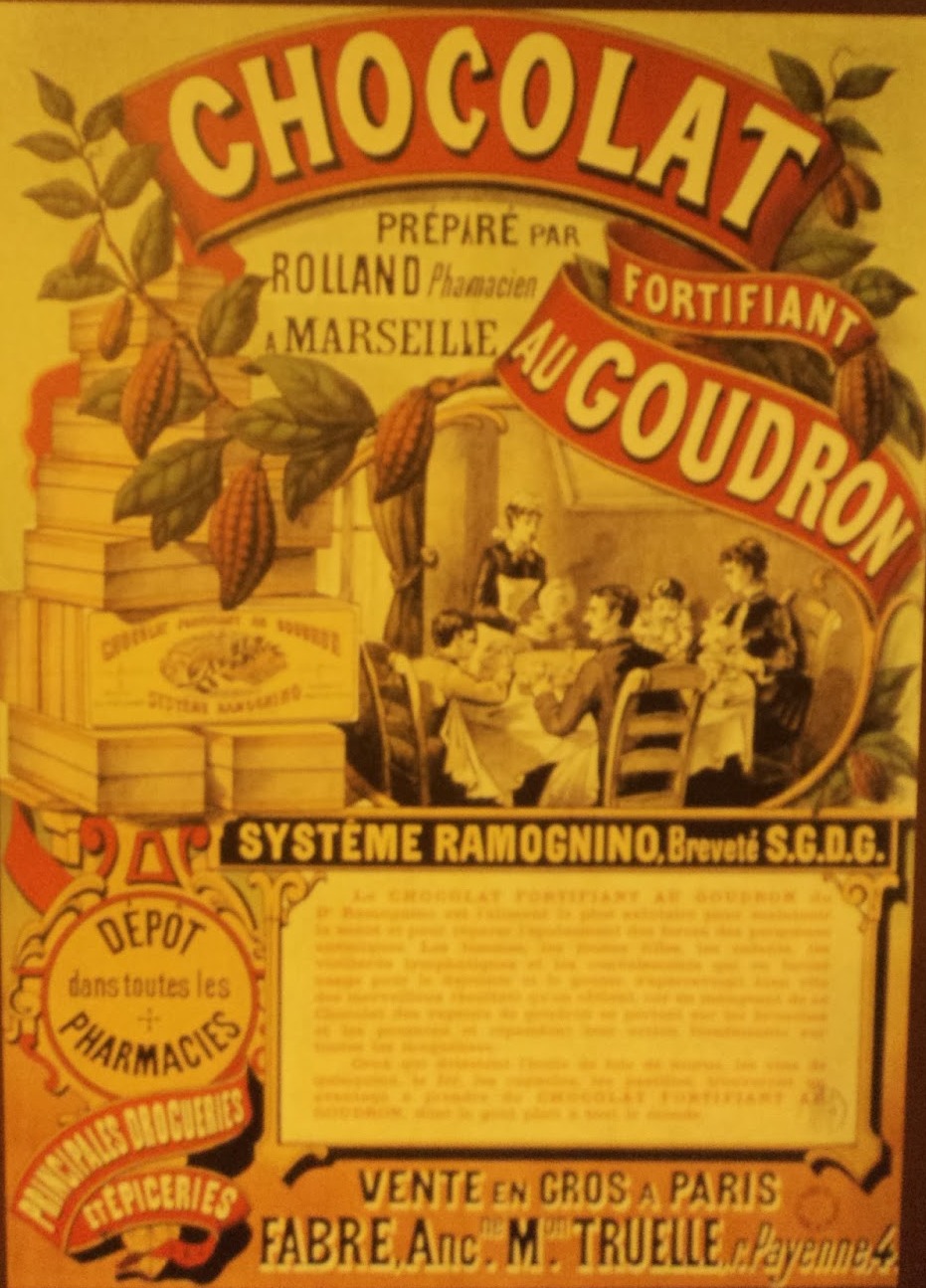
St. Valentine’s Day is no exception. The number one food for V-Day, of course, is chocolate. What would this lovers’ holiday be without the sweet, dark mistress of passion? And a mistress she is—when she calls you, you come running, even if you have to jump hurdles to get to her. She seduces you with her aroma and her flavor, and when you get a taste of her, you savor her, letting her linger on your palate. And once she whips you into submission, she makes you beg for more. There’s a reason why the Aztecs called it the food of the gods.Choco Story Museum in Bruges Belgium (9)

Continue reading


Leave a comment

Avocado Pineapple Cake

IMG_4411

This weekend was my mother’s birthday. She just turned 81. She’s very spry for her age and still sharp in mind, and I’m thankful every day for that.

She’s also set in her ways. She likes what she likes, and doesn’t like what she doesn’t. She’s never liked going out to restaurants much, since, in her opinion, restaurant food lacks in many departments. The one and only time she was ever really excited to go to a restaurant was when my brother and I took my parents to Felidia, Lidia Bastianich’s place in Manhattan. She’s a huge fan of Lidia and just being in her world was a thrill for Mom. (One of my regrets is not getting a picture with Lidia when I met her at the James Beard House when I was interning there. She treasures the picture of me with Jacques Pepin and I think one of me with Lidia would have made her swoon.)

Continue reading


Leave a comment

Italian Vegetable Crackers

IMG_4189

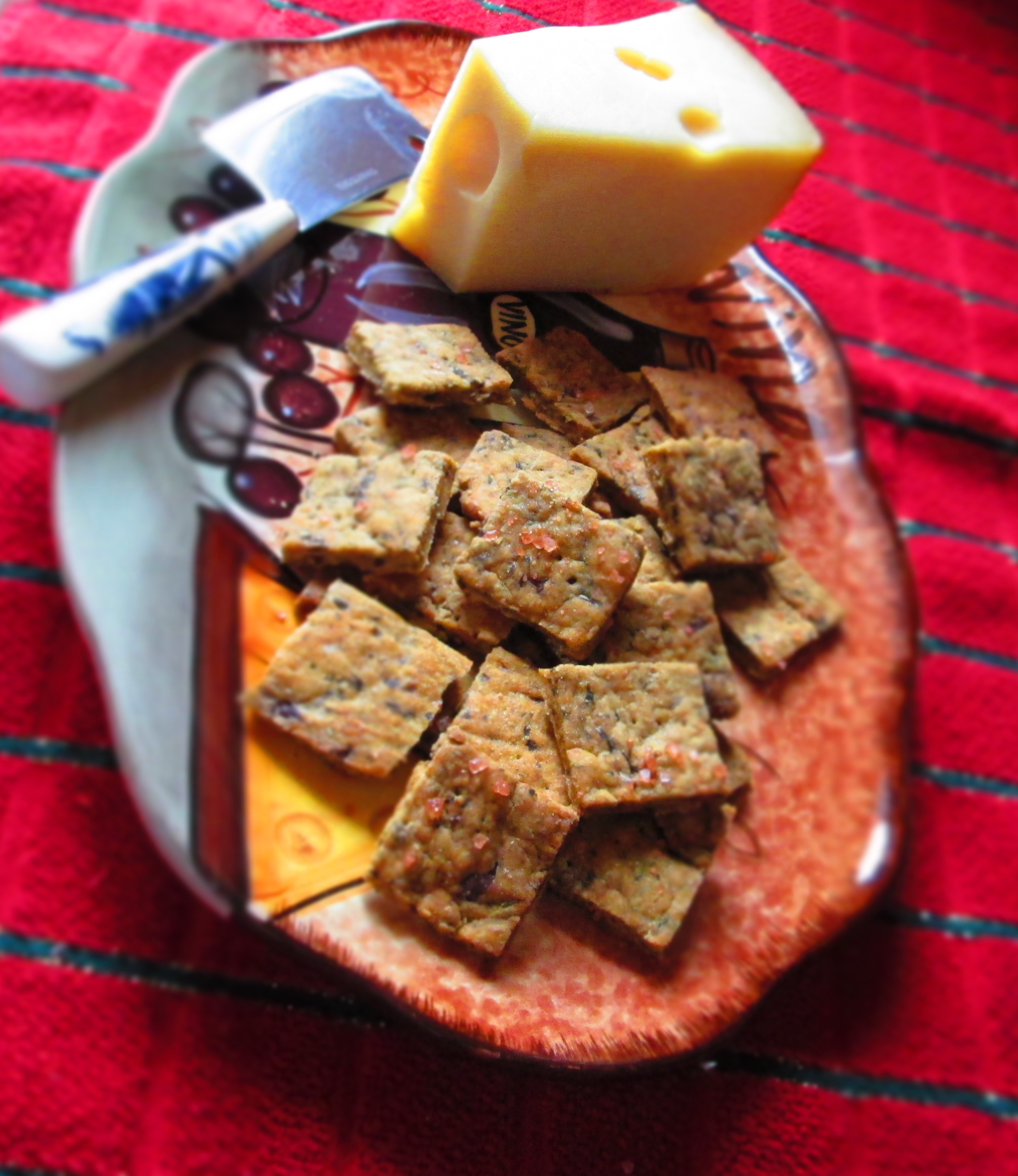
Want to do something different for that  Christmas party? Why don’t you try making your own crackers? They’re really not that difficult.

Crackers have been around for thousands of years—the ancient Romans made them! The word “cracker” comes from the Medieval word craken, meaning “to resound,” which describes the sound they made when broken.

Italians love to put vegetables in everything, and crackers are no exception. These crackers are a nice blend of herbs and fresh greens. Fava beans, in particular, are very popular in Italy and this recipes utilizes fava bean flour. Not only does it eliminate at least a little bit of the white flour, but it lends the crackers a more complex, vaguely nutty flavor.

Put these out with cheese, dips, salsa, or even guacamole. But they’re tasty enough to enjoy on their own.

Enjoy!

Italian Vegetable Crackers

Makes approximately 7 dozen crackers.

½ cup chopped greens (spinach, kale, chard, etc.)
¼ cup +2 teaspoons olive oil
½ cup fava bean flour (or chick pea flour)
1 ½ cups all-purpose flour
1 teaspoon ground rosemary
1 teaspoon oregano
1 teaspoon paprika
1 teaspoon garlic powder
1 teaspoon kosher salt
½ teaspoon ground fennel seed
¼ teaspoon freshly ground black pepper
¼ cup parmesan cheese
Hawaiian sea salt or other finishing salt (optional)

Preheat oven to 375 degrees F.

Place greens and 1 teaspoon oil in a food processor and process until very finely chopped. Set aside.

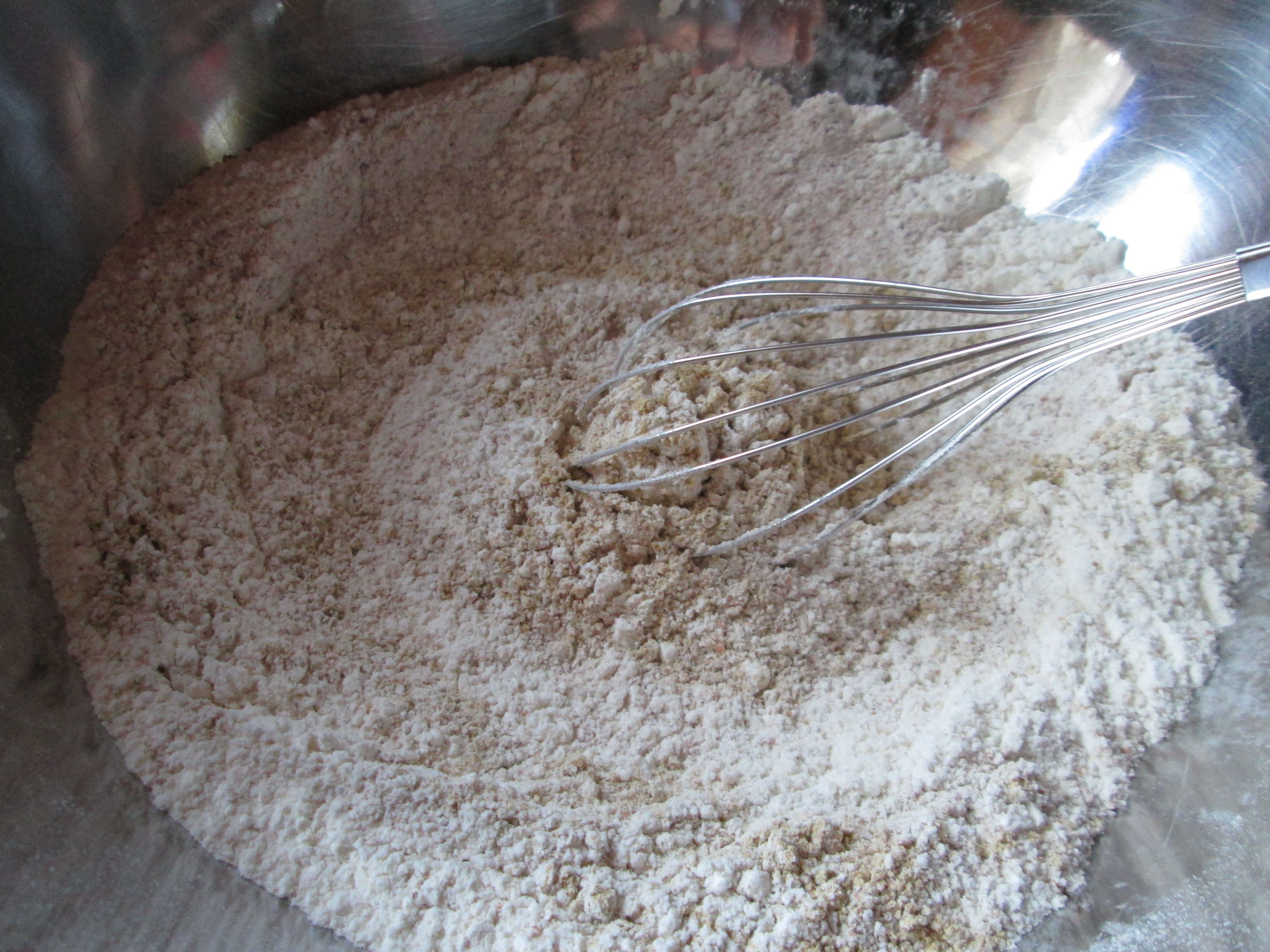
In a medium bowl, whisk together flours, rosemary, oregano, paprika, garlic powder,  kosher salt, fennel seed, pepper, and parmesan. IMG_4165

Add ¼ cup oil and mix until a dough forms. If necessary, add water, a little at a time, until all ingredients come together.IMG_4166IMG_4167

Place a piece of parchment paper down on a clean surface. Place  dough on the parchment and roll out as thinly as possible. IMG_4169

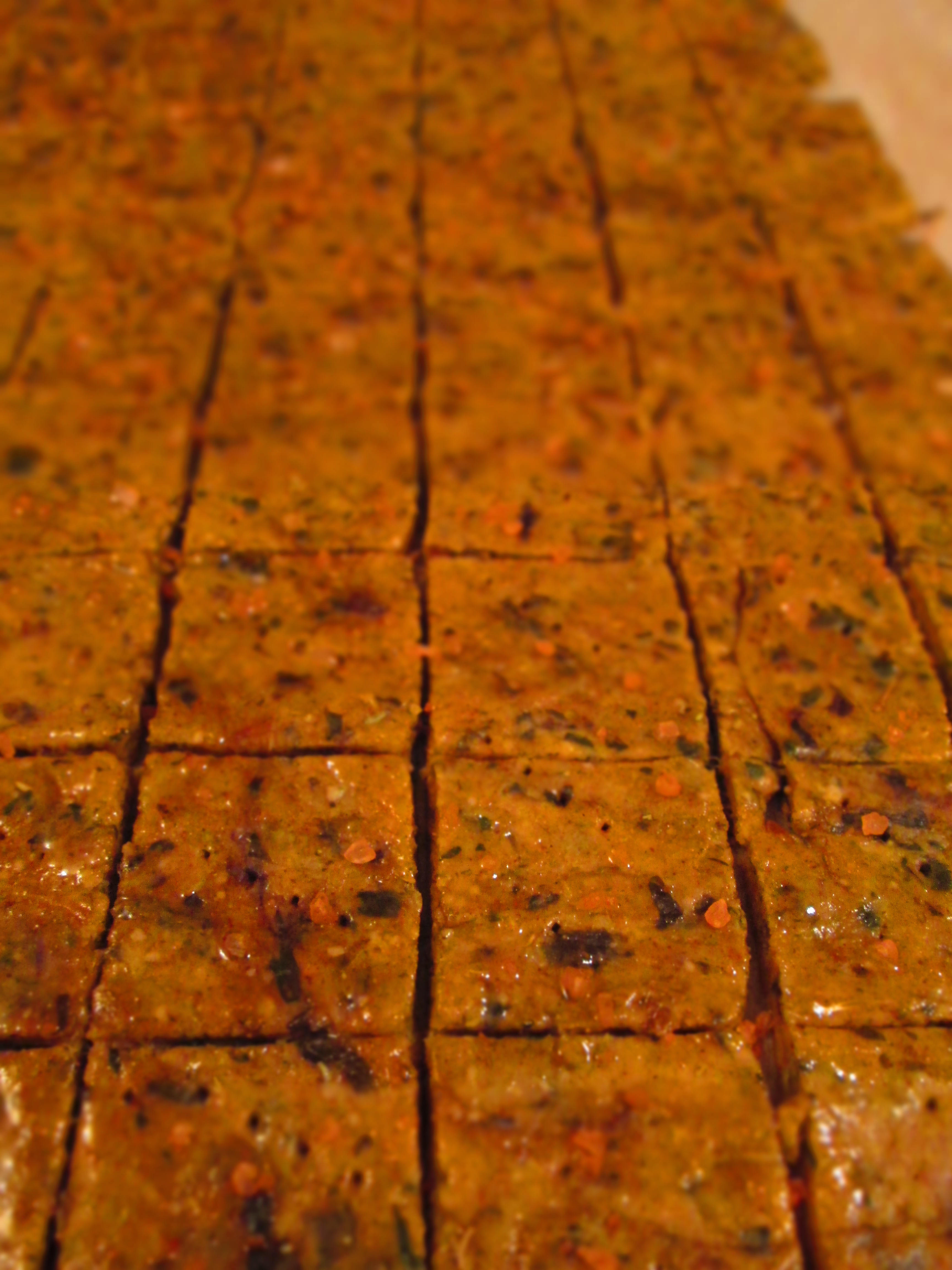
Cut off the edges to make straight lines. With a ruler, score 1 inch rows down and then across. IMG_4171

Brush top with remaining oil; sprinkle with finishing salt, if desired.IMG_4174

Bake until firm and lightly browned, about 25 minutes. Remove from oven and let cool 5 minutes. Then move parchment to a cooling rack. Separate crackers and let cool completely.

Store in a tin.

IMG_4182


2 Comments

Black Bean Flour Bread with Herbs

IMG_4064

Over the past few years, I’ve experimented with quite a few gluten-free flours and I thought I’d seen, or at least heard about, most of them. Then, recently, I found a new one: black bean flour (or powder). The reason I hadn’t seen it before? It was in the coffee and tea aisle in an Asian market.IMG_4031

See, the coffee and tea aisle in an Asian market is not like the coffee and tea aisle in other markets. In an Asian market, next to the Folger’s and Maxwell House and Lipton and Celestial Seasonings, you’ll find an enormous assortment of beverage mixes to which you would add hot water. The teas, of course, include herbal “health” teas, but next to the coffees, you’ll find beverages made of grains, roots, and beans. These are all drunk in various Asian countries for various health purposes. In the case of bean flours, they provide protein.

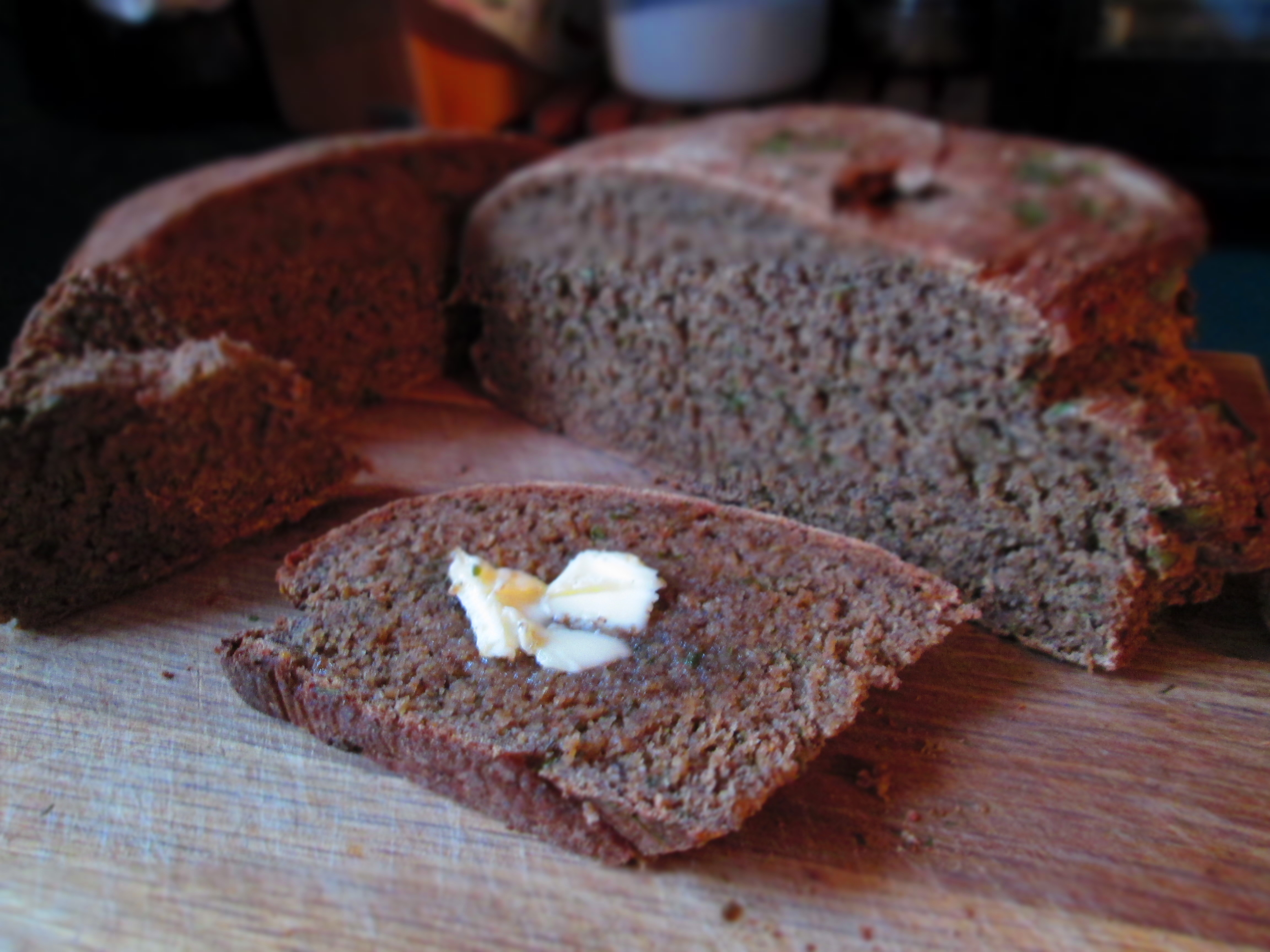
Black bean flour lends a dark color to whatever you add it to, so it’s generally added to breads, chocolate cakes, or dark vegetable dishes, such as black bean quesadillas. I decided to try my hand at bread. It turned out very well, and I’m going to try incorporating it into a gluten-free loaf next time.IMG_4032

Black bean flour has an unusual flavor and takes a bit to get used to. But after I processed the first bite, I found the taste to be pleasant. I think it makes a great snacking bread with butter or jam to accompany coffee or tea. But I think it would also make a good hearty sandwich bread—any kind that you would make with a pumpernickel or dark European-style loaf.

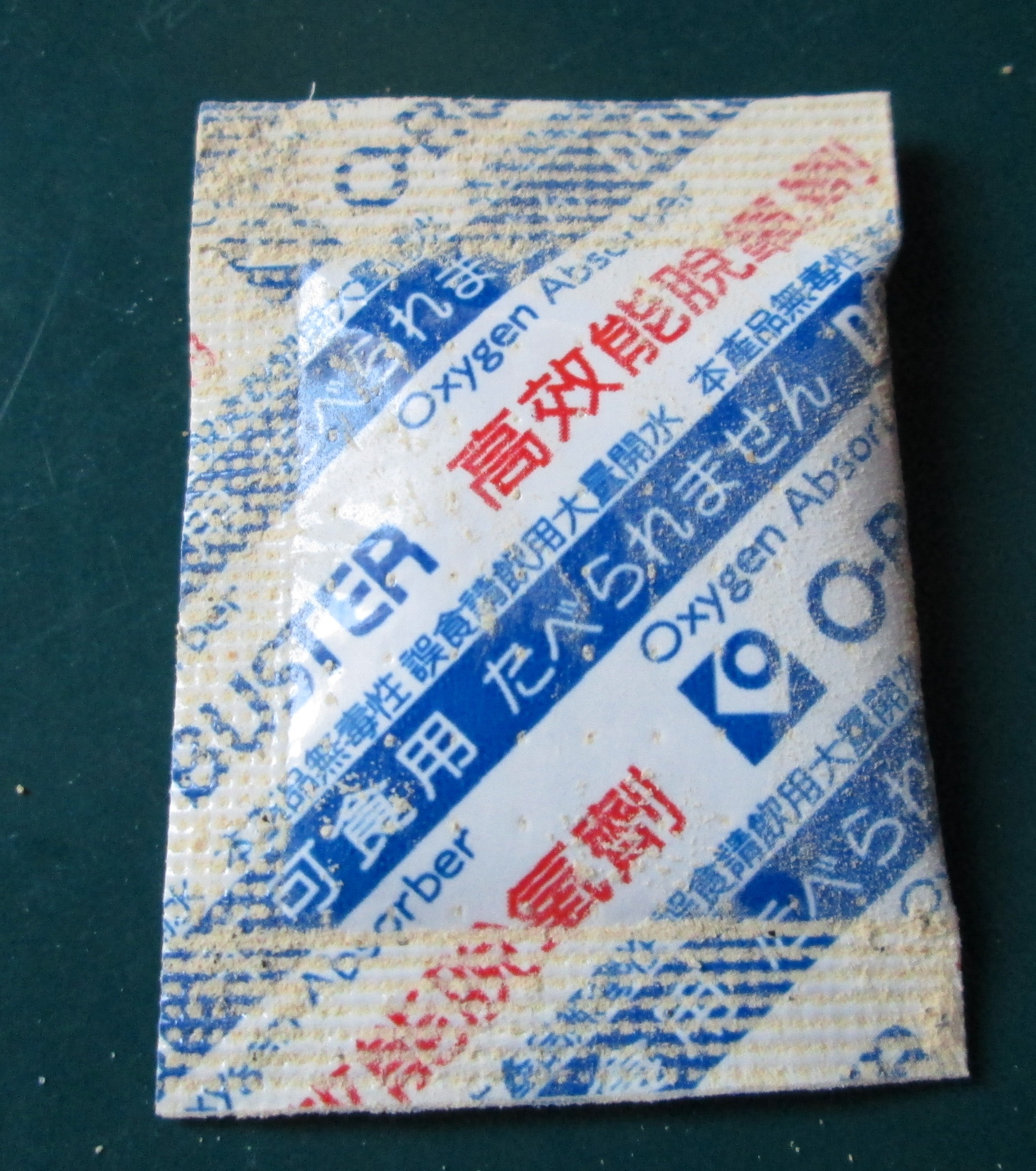
If you want to give it a try, look for black bean flour in an Asian IMG_4033market or Whole Foods. If you can’t find it, Bob’s Red Mill has it (they seem to only have one size, though—6.5 lbs.). Oh, and be careful–I found one of those preservative packets in mine (oddly named “oxygen absorber”).

Black Bean Flour Bread with Herbs

1 tablespoon dry active yeast
1 teaspoon sugar
1 cup black bean flour
1 cup whole wheat flour, plus more for dusting
1 cup all-purpose flour
2 teaspoons kosher salt
2 teaspoons olive oil
¼ cup chopped parsley
¼ chipped dill

In a small bowl, stir yeast and sugar in ¼ very warm water until dissolved. Let sit 5 minutes until foamy.

IMG_4034

Whisk together the flours and salt.

IMG_4036

(If you have a mixer with a dough hook, you can use that. You can also use a food processor. Otherwise, mix the flours and salt together in a large bowl.)

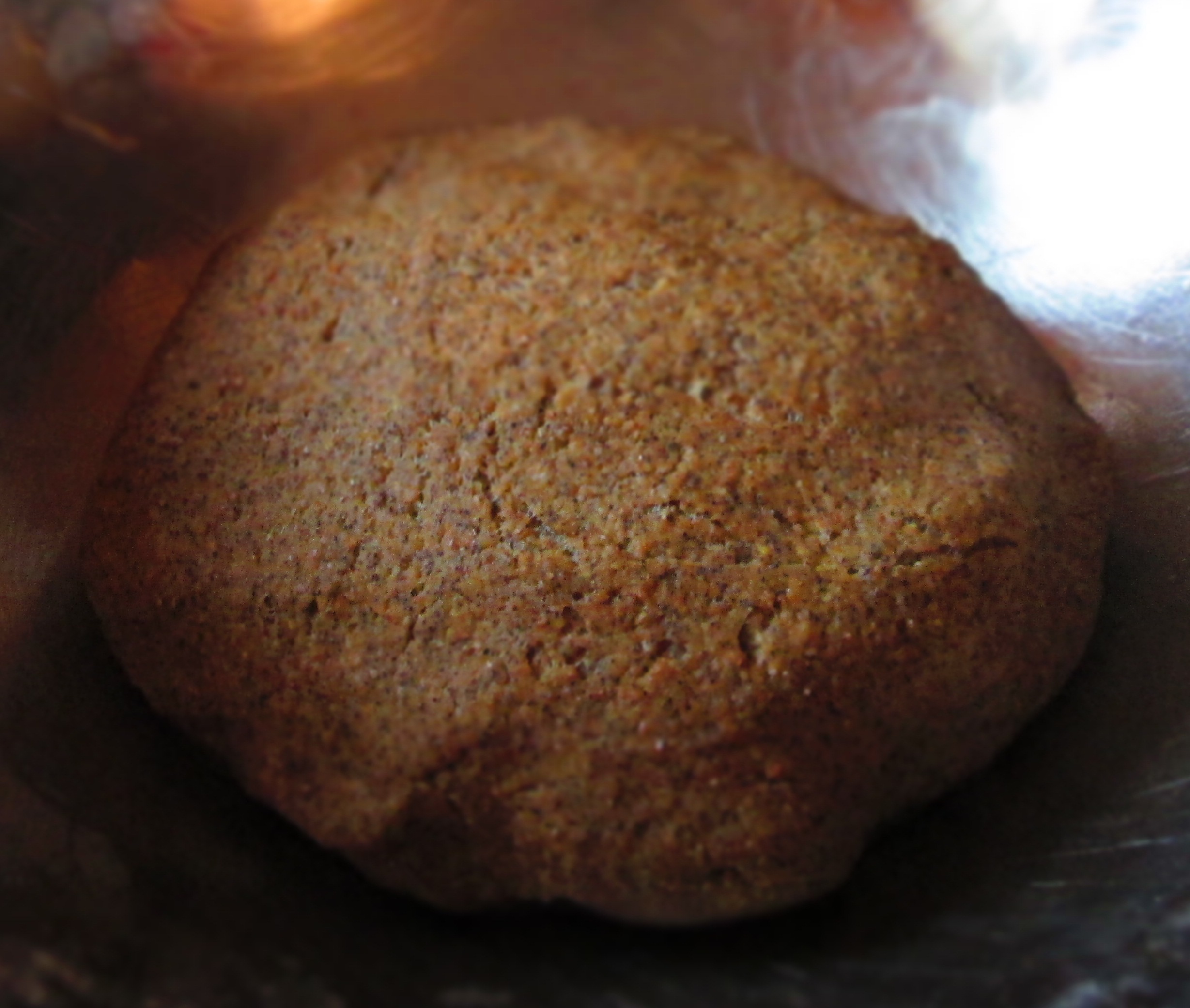
Pour in the yeast along with another cup of very warm water. Mix until all ingredients are well blended. Unlike most yeast breads, you don’t have to knead this. This will be a moist, somewhat sticky dough. Add a little more warm water if it seems dry.

IMG_4038

Coat the bottom of a large bowl with the oil; place dough in bowl and turn it over until completely coated with oil. Cover with a towel and set in a warm, draft-free place and let rise for 2 hours.

IMG_4055

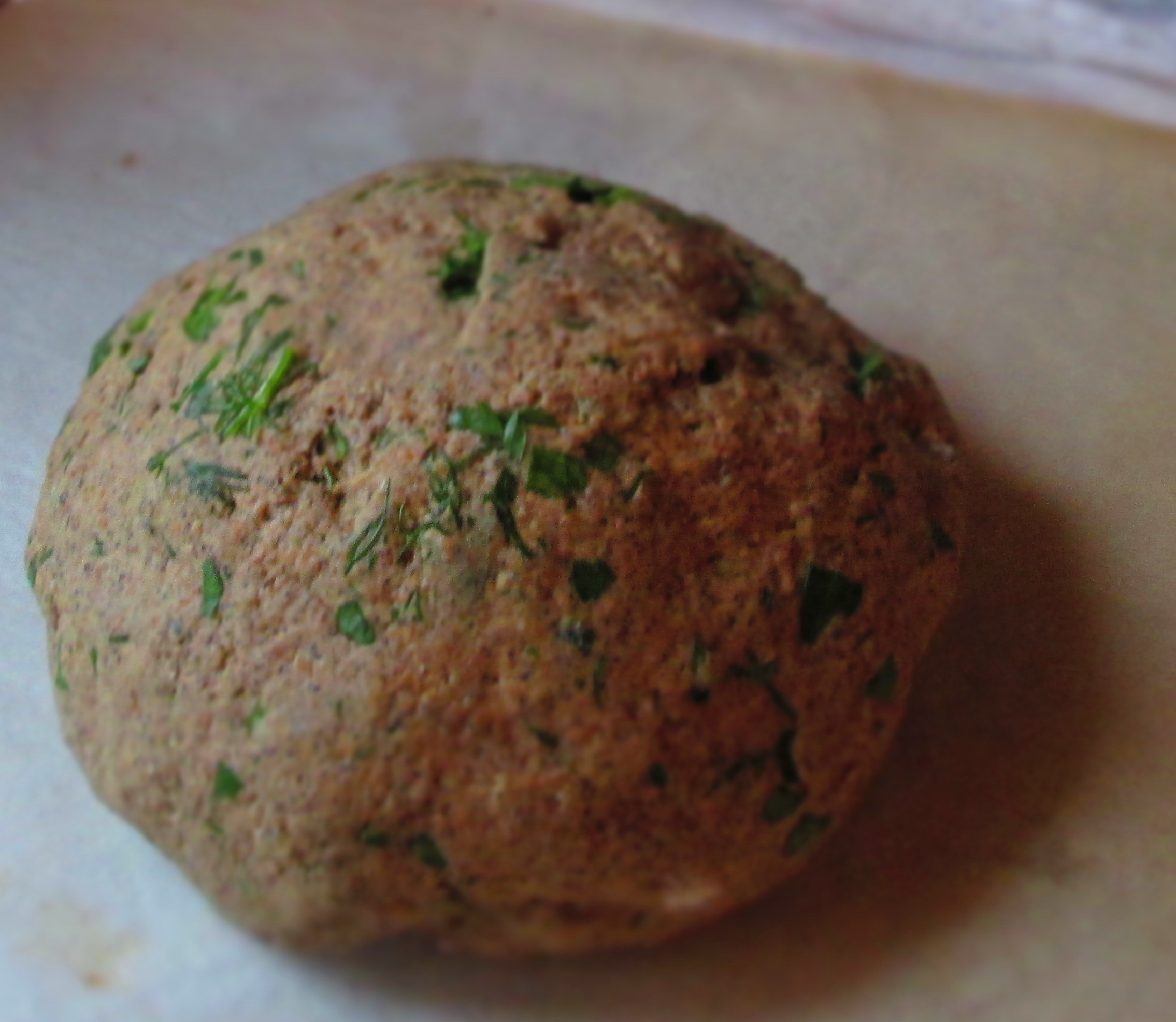
Lightly dust a board with flour and turn the dough out. Flatten it a little. Add the chopped parsley and dill and begin folding it in. When herbs are well incorporated, stop working the dough.

IMG_4059

Place on a baking sheet lined with parchment paper. Cover again with the towel and let rise another hour. (You can divide the dough into 2 loaves, or make 1 big loaf.)

Preheat oven to 400 degree F. Bake bread until it sounds dense when you thump it, about 40 minutes for smaller loaves, 45-60 minutes for a larger loaf.

IMG_4069


Leave a comment

Sweet Potato Flour Scones

IMG_3807

For those of you who don’t know, I took all my own photos for Vegetarian Italian: Traditions, volumes 1 and 2 (volume 1 is available now from all online retailers, and volume 2 is due out some time next year). I am taking photos for my upcoming cookbooks as well. What this means for me is that I’m in a constant testing/shooting mode. Which in turn means that I don’t often have a chance to cook just for the pleasure of it or to randomly experiment. Between a full-time job, my fiction writing, and my cooking/writing, I just don’t have the time.VegItalCover FINAL_Page_1

Lately, though, I’ve been in a bit of a slump in my fiction writing, so I’ve been able to devote a little bit more time to my cooking/writing. The following recipe is one result.

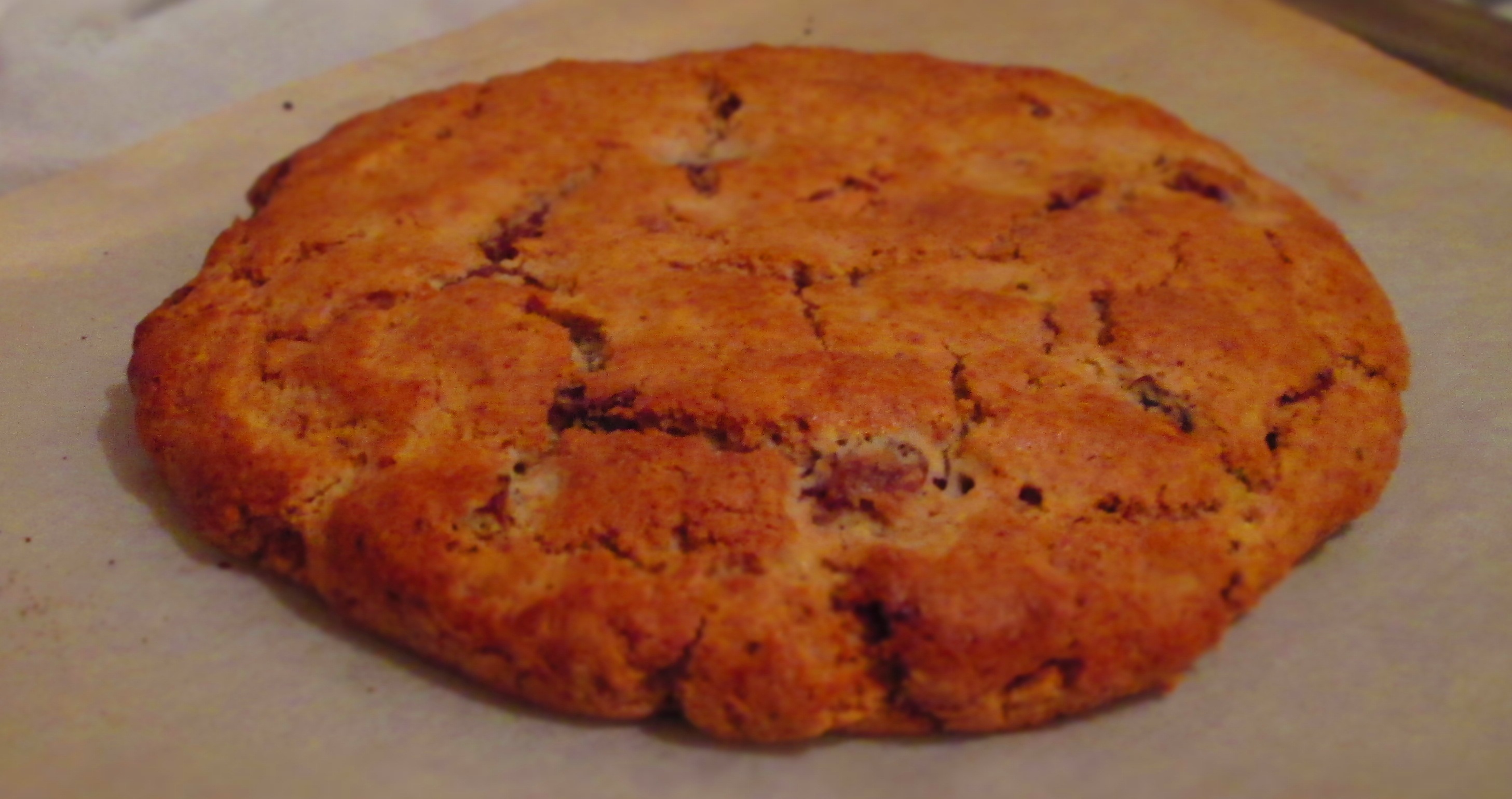
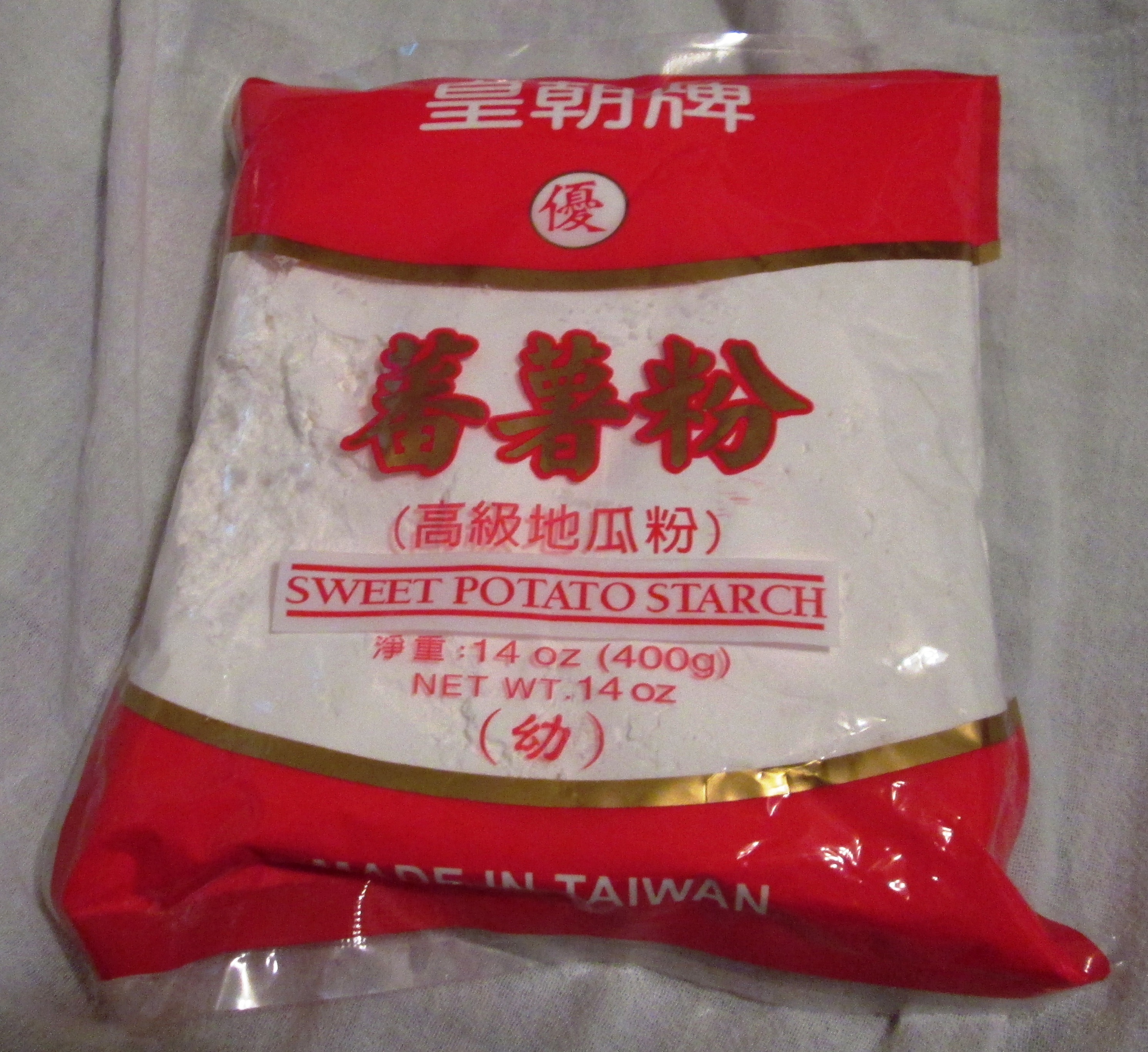
If you read this blog regularly, you know that I go out all the time to the specialty and ethnic markets near where I work and buy something new to try. The Asian markets have sweet potato flour, which I’d never seen before, so I picked up a bag and finally got to use it. It’s great for gluten-free baking, and I decided to try out a scone. I started with a standard gluten-free flour combination and incorporated the sweet potato flour. It turned out very well.IMG_3792

You can alter the recipe any way you like. I prefer dried cranberries, blueberries, or other dried fruit, but if you prefer to go traditional and stick with raisins, go right ahead. For added moisture, you can soak the fruit for an hour or so before adding them to the batter. Or omit them altogether. You can add nuts or change the flavor profile by adding orange or lemon zest, or your favorite flavor extract. And if you like scones on the sweeter side, add a bit more sugar.

Gluten-free scones tend to dry out faster than regular scones, so they’re best eaten fresh. Store leftovers in a plastic bag at room temperature for the first couple of days (unless it’s very hot and humid, then put it in the refrigerator). If you have any longer than that, then put it in the refrigerator. You can freeze it up to 3 months as well. I shaped mine flat to mimic some of “gourmet” scones I’ve seen, but it actually might come out better if you mound it in the traditional dome shape.

As much as I love warm scones, gluten-free baked goods tend to have a weaker structure and often crumble easily. This is one of those, so it’s best if you let it cool completely before cutting into it. But if you want it warm, go ahead and dig in right away, just be aware that it will crumble. But, then, you may like that! Enjoy!

Sweet Potato Flour Scones

Makes one 9-inch round scone.

1 cup sweet potato flour
1 cup rice flour
½ cup almond flour
¼ cup tapioca starch
2 tablespoons brown sugar
2 ½ teaspoons baking powder
1 teaspoon baking soda
½ teaspoon cinnamon
¼ teaspoon allspice
¼ teaspoon salt
6 tablespoons unsalted butter, cold
½ cup dried cranberries
½ cup buttermilk
1 large egg, lightly beaten
1 tablespoon honey
1 tablespoon maple crystals

Line a baking sheet with parchment paper. Preheat oven to 400 degrees.

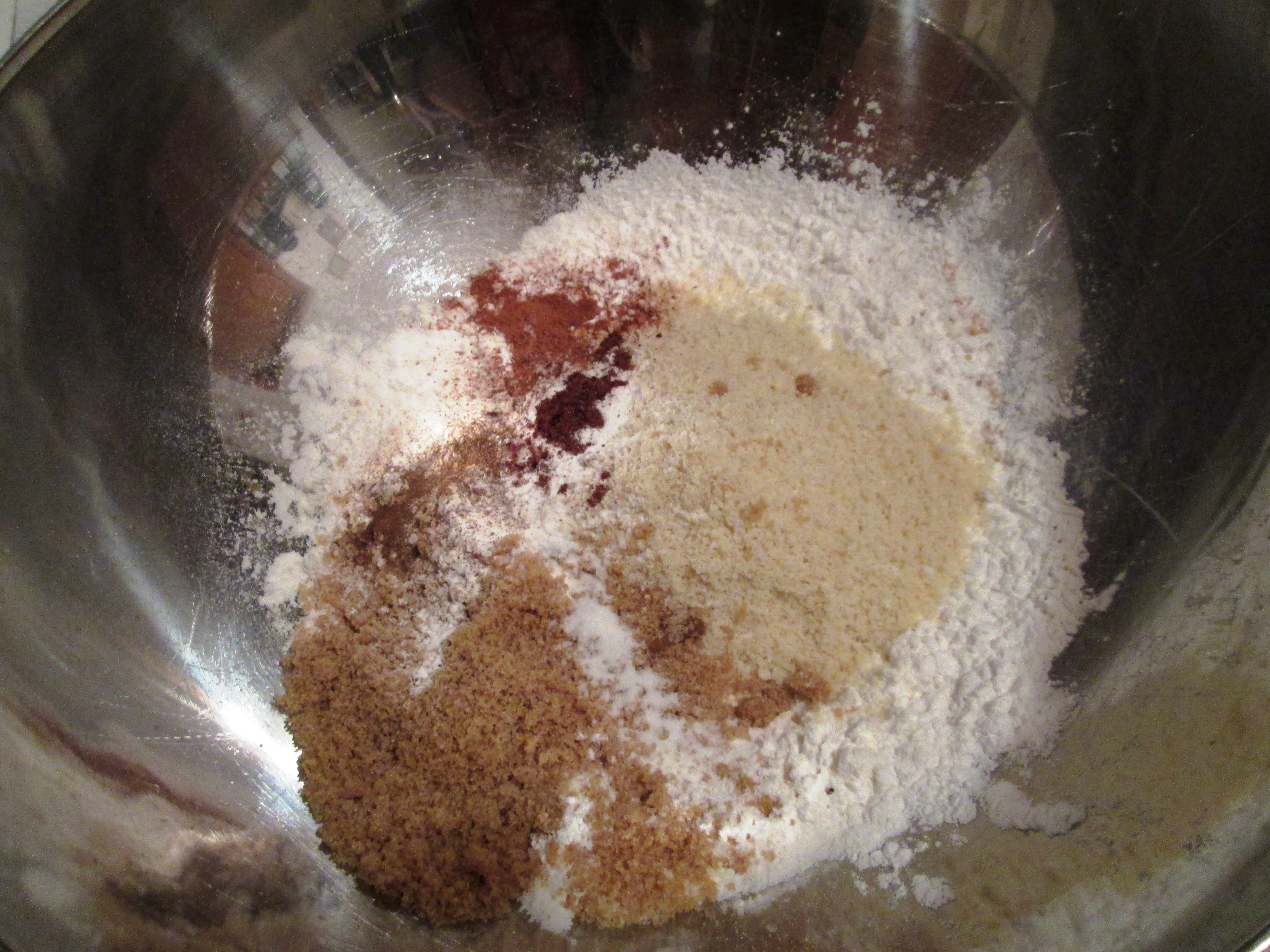
In a medium bowl, whisk together sweet potato flour, rice flour, almond flour, tapioca starch, brown sugar, baking powder, baking soda, cinnamon, allspice, and salt.

IMG_3793

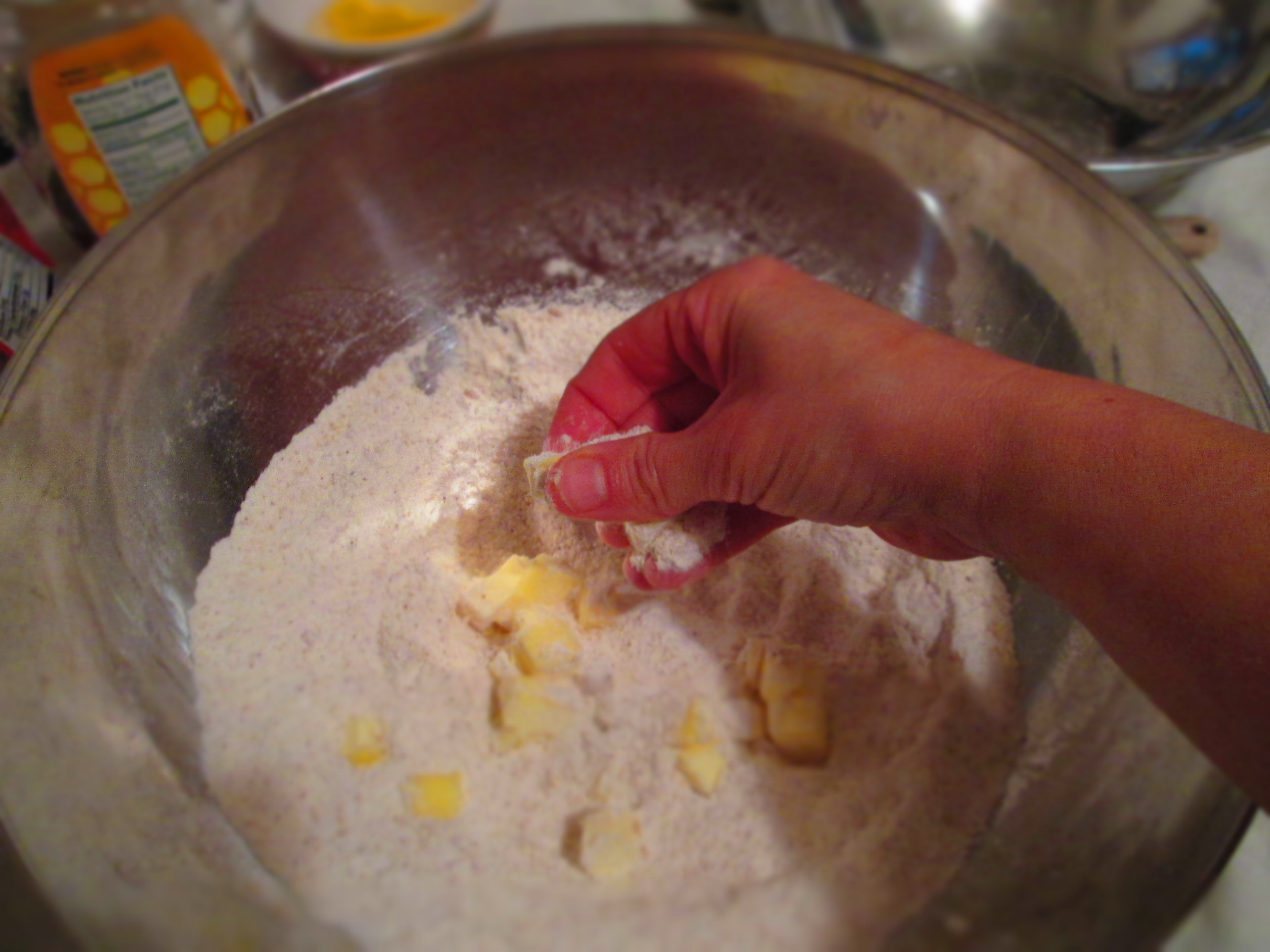
Cut the butter into little pieces and add to bowl. Using a pastry cutter, a fork, or your fingers, blend the butter into the flour until you have coarse crumbs.

IMG_3794

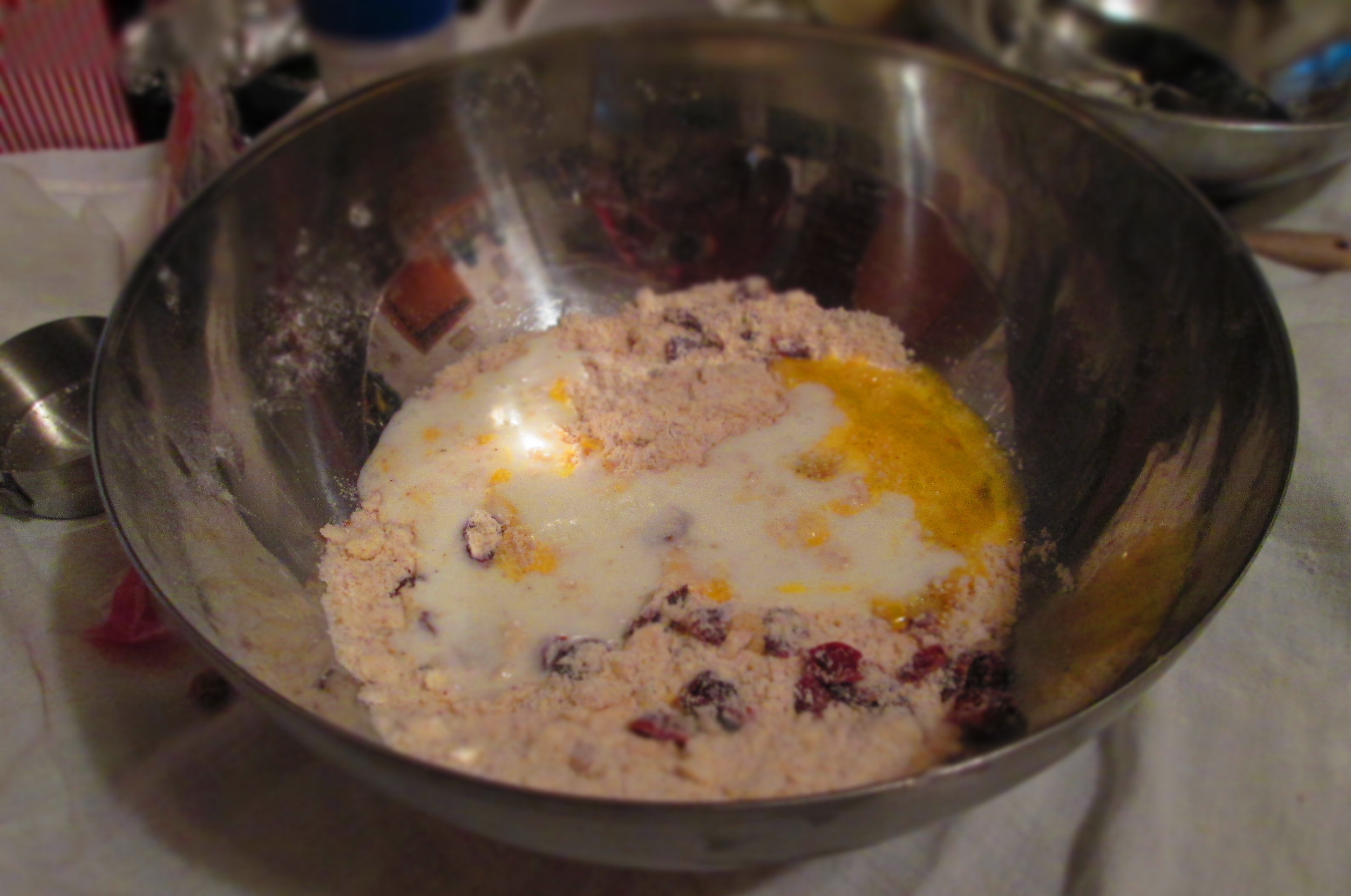
Stir in cranberries. Reserve 2 tablespoons of the buttermilk and add the rest to the bowl, along with the egg and honey.

IMG_3799

Gently combine just until all dry ingredients are moistened and you have a soft dough.

IMG_3800

Transfer to the baking sheet and shape it into a round loaf. Brush with some of the reserved buttermilk and sprinkle maple crystals on top. Score the top with a knife (optional).

IMG_3803Bake for 20 minutes. Lower the heat to 375 and bake another 15 minutes, or until golden brown and top feels firm (but not hard!). Transfer with parchment to a rack and let cool completely.

IMG_3814