Miz Chef

Cooking Up a Healthy Life


2 Comments

Cranberry Bread

IMG_5651

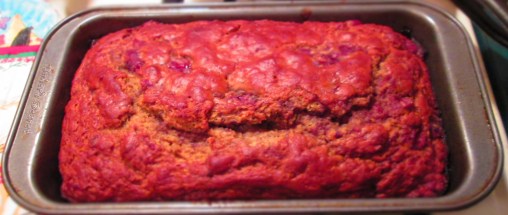
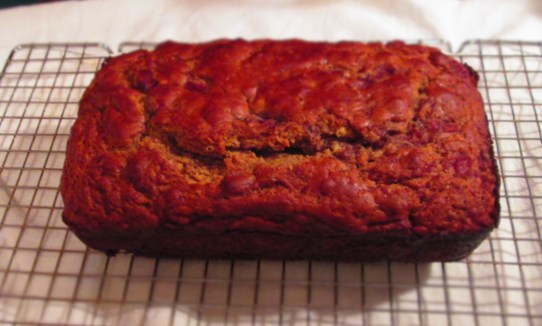
Do you still have cranberry sauce leftover from Thanksgiving? I’ll bet many of you do. Maybe it’s a stray can hanging out in the pantry, or it’s a cup or so in the fridge that you haven’t been able to bring yourself to throw out. That’s okay—cranberry sauce lasts a long time in the refrigerator, but at this point, use it or lose it.

There are many things you can do with leftover cranberry sauce, but making a loaf is one of my favorites. (This is a wheat-free version, but it has spelt flour, so if you have—or are making it for someone with—Celiac disease, this isn’t the right recipe for you. It also contains soy flour, so if you’re avoiding soy, again, this isn’t right for you.)

This is not overly sweet, so it makes a nice breakfast loaf, toasted with some butter or jam. But it’s got enough sweetness and crunch from the walnuts (if you want to use them) that it makes a great snack with an extra dollop of cranberry sauce.Pilcrow & Dagger Cover

I’m happy to say that another version of this loaf (not gluten free) appears in the holiday issue of the literary magazine Pilcrow & Dagger, along with my recipe for homemade cranberry sauce. Check out a sneak preview HERE. And if you’re interested in purchasing a copy, you can do so HERE.

So, rescue that leftover cranberry sauce and make this tasty loaf and enjoy.

I hope you all had a wonderful, joyful holiday season, and may 2016 bring happiness and success, whatever that means for you.

Cranberry Bread

Makes 1 (8 x 4) loaf.

1 cup spelt flour
1 cup soy flour
¾ cup chickpea flour
¼ cup rice flour
½ cup sugar or maple crystals
1 teaspoon baking powder
1 teaspoon baking soda
1/4 teaspoon ground cinnamon
¼ teaspoon allspice
¼ teaspoon nutmeg
1 teaspoon kosher salt
3 medium eggs
1 cup buttermilk
2 tablespoons melted coconut oil
½ cup chopped walnuts (optional)
1 cup cranberry sauce

Preheat oven to 375 degrees F. Grease a 8 x 4-inch loaf pan (or line is with parchment paper).

In a medium bowl, whisk together the flours, sugar, baking soda, cinnamon, allspice, nutmeg, and salt.IMG_5633In a small bowl, mix together eggs, buttermilk, coconut oil, and ¼ cup water.IMG_5634Mix this into the flour mixture just until all dry ingredients are moistened. If it seems dry, add a bit more water.IMG_5635

IMG_5636Stir in the walnuts, if you’re using them, then stir in the cranberry sauce, but don’t mix it in completely—just run it through.IMG_5639Spoon the batter into the loaf pan. Bake until golden and a knife inserted in the center comes out fairly clean, about 45 to 50 minutes. Some moist cranberry on the knife is okay.

If the loaf starts getting very dark or starts burn around the edges but the loaf isn’t done, cover it with a piece of foil and continue baking.IMG_5645Set pan on a wire rack to cool for 10 minutes. Turn loaf out onto the rack. Serve warm or cool completely.IMG_5646
IMG_5654


3 Comments

Wheat-Free Carrot Cake

IMG_5598This is one of those recipes that I made spur of the moment but, luckily, turned out well. So, I needed a quick dessert to make for a lunch at my parents’ house. We were having a guest who is gluten-free and I wanted to make sure there would be dessert for her.

There’s nothing easier than carrot cake. I love carrot cake. It’s not only flavorful and delicious, but it’s also very difficult to do badly. I mean, I’ve had great carrot cake, good carrot cake, and so-so carrot cake, but I don’t recall ever having terrible carrot cake.

That’s probably because it would take a deliberate effort to make a terrible carrot cake. There’s no creaming of butter, no whipping of egg whites, no adding of things in additions, or layering of ingredients. Aside from whisking together the dry ingredients first, everything gets mixed together. (And, quite honestly, you probably don’t even really need to mix the dry ingredients. I just recommend it to ensure that you get no lumps.)

I call this cake “wheat free” and not “gluten free” because it calls for spelt flour. I didn’t want to use all chickpea flour because I didn’t want it to be too heavy or dense or taste to “beany.” Spelt is related to wheat, so it’s the non-wheat flour that is closest to it in chemistry, flavor, and behavior. However, because it’s related to wheat, people who have Celiac disease can’t digest it. People who have a gluten/wheat intolerance, on the other hand, can usually consume it without negative consequences.

I (and everyone else) was pleasantly surprised at how light and moist this cake came out. It has a somewhat unusual flavor because of the chickpea flour but not a bad one. Just different. I hope you like it.

Wheat-Free Carrot Cake

1 cup chickpea flour
¼ cup spelt flour
½ cup coconut (palm) or date sugar
1 teaspoon ground cinnamon
½ teaspoon ground nutmeg
½ teaspoon baking powder
½ teaspoon salt
2 cups shredded carrots
2 medium eggs, lightly beaten
½ teaspoon vanilla extract
½ cup applesauce
¼ cup water

Frosting:
1 (8-ounce) package cream cheese, at room temperature
½ cup confectioner’s sugar
1 tablespoon grated orange zest

Preheat the oven to 350 degrees F. Grease an 8- or 9-inch square baking pan or line it with parchment paper.

In a medium bowl, whisk together the flours, sugar, cinnamon, nutmeg, baking powder, and salt.

Stir in the carrots, eggs, vanilla, applesauce, and water with a wooden spoon or rubber spatula. Transfer the batter to the prepared pan and bake until a toothpick inserted into the center comes out clean, about 30 to 40 minutes.

Transfer to a cooling rack and let it cool completely.

Make the frosting: With an electric mixer, cream together the cream cheese, sugar, and zest until smooth.

Remove the cake from the pan. Invert the cake, then invert it again on a serving plate. If you used parchment, peel it off gently. Spread the frosting evenly on the top and sides. Serve.

IMG_5603

(For the cake in the photo, I chose to use a simpler confectioners’ sugar icing and coconut flakes. Mix 1 cup confectioners’ sugar with a tablespoon of water. Mix until smooth, adding a tiny bit more water at a time, as needed. Spread over the cake, then sprinkle on 1/2 cup unsweetened coconut flakes.)


3 Comments

Homemade Veggie Stock Infographic

Hi there. It was homemade vegetable stock day here at Chez Roberti, so I wanted to offer a quick and easy way to make your own. Just follow along on the infographic below and you’ll be all set.

A note on salt: Traditionally, salt is not used in stock because it’s supposed to act as a base to support other flavors. By not adding salt, you control the salt content in a recipe later on. However, if you’re going to use this stock as a basic soup broth, you can add some kosher salt, if you want.

Soup Stock Infographic


2 Comments

Baby Beets with Balsamic Reduction

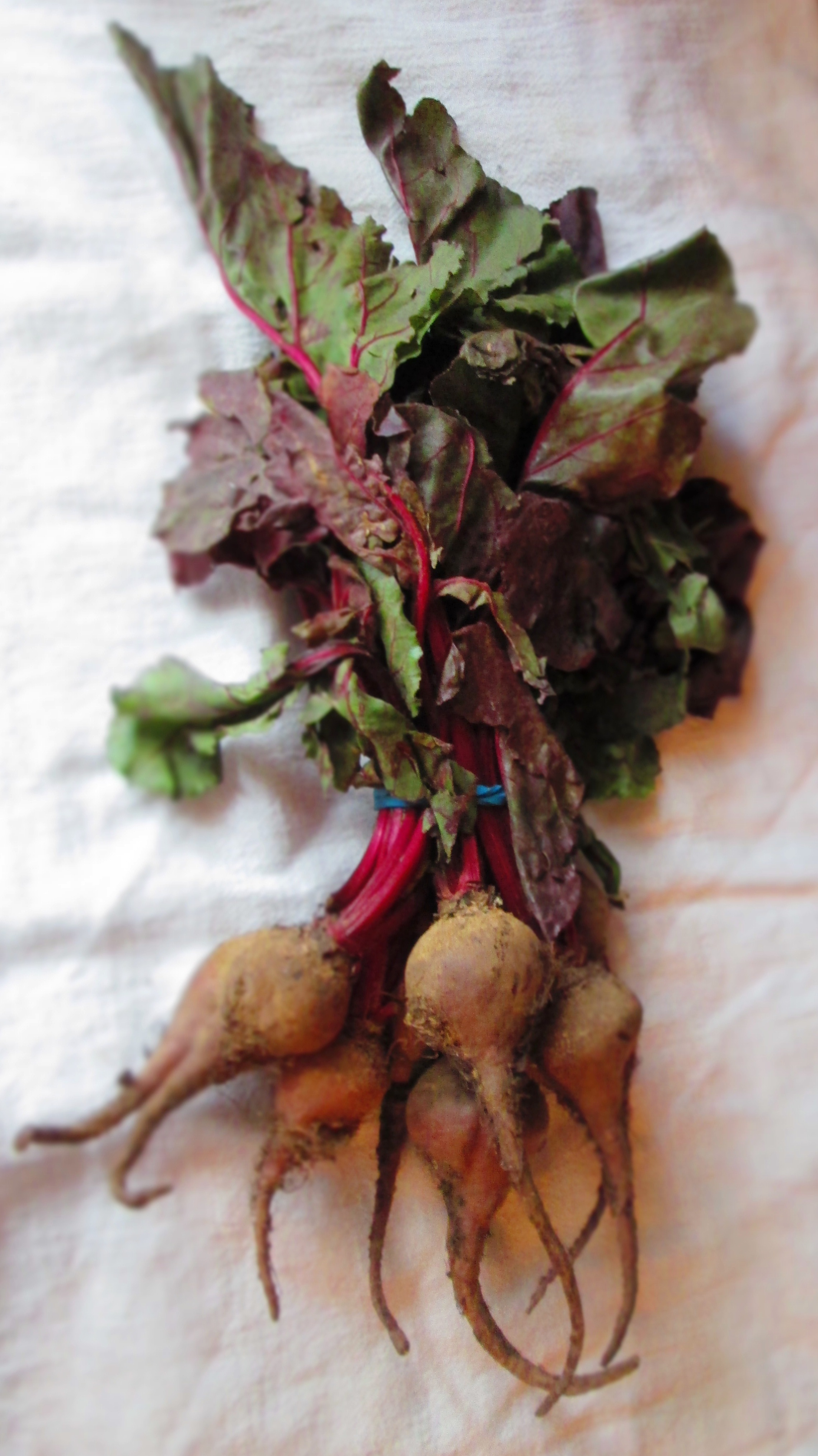
IMG_5544Once again, I was lured by the Siren’s song of the farmers’ market. I picked up some lettuce, some carrots, some cipolline onions. But what caught my eye this week was the box of baby beets. Gigantic red globes can be found anywhere, but baby beets are not quite as easily found. At least not for me. So I pounced on them.IMG_5528

When I was doing my internship at the James Beard House, I worked with different chefs each week. One week, I worked with the crew from Blackberry Farm in North Carolina. They did a plate of roasted baby beets that were like sparkling jewels. And the memory of those little gems is what inspired me to make this recipe.

Continue reading


Leave a comment

Cauliflower Steak with Sun-Dried Tomato-Olive Sauce

IMG_5504Cauliflower steak is a mainstay of many vegetarian and vegan restaurants. I think it’s because once you’ve worked your way through a big slab of cauliflower, you find yourself full and satisfied. Don’t get me wrong, I’m not claiming that a cauliflower steak gives the same feeling of satisfaction that of a regular steak or that it’s a comparable substitute in any way, but for vegetarians, it’s a hearty and delicious option.

Continue reading


Leave a comment

Parsnip-Butternut Soup

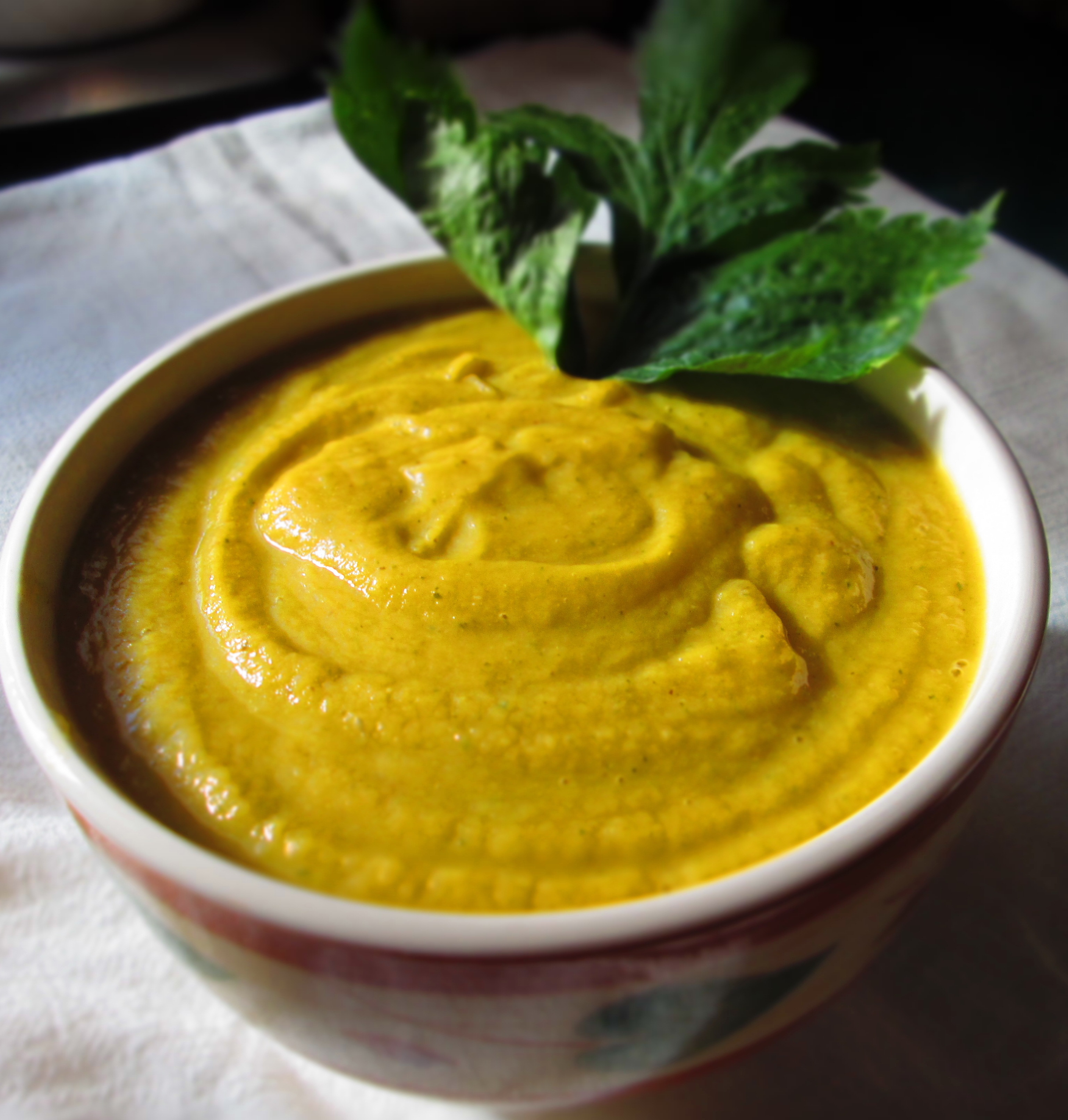
IMG_5468My parents’ garden comes up with great stuff every year. This season, they got butternut squash, and I took a cute little one for myself. The farmers’ market had great-looking parsnips, so I decided to make parsnip-butternut soup.

Because it’s October and I don’t have any fresh herbs left my garden, I turned to my dried herbs. You can use whatever dried herbs you have on hand or particularly like for soup. I used thyme and savory.

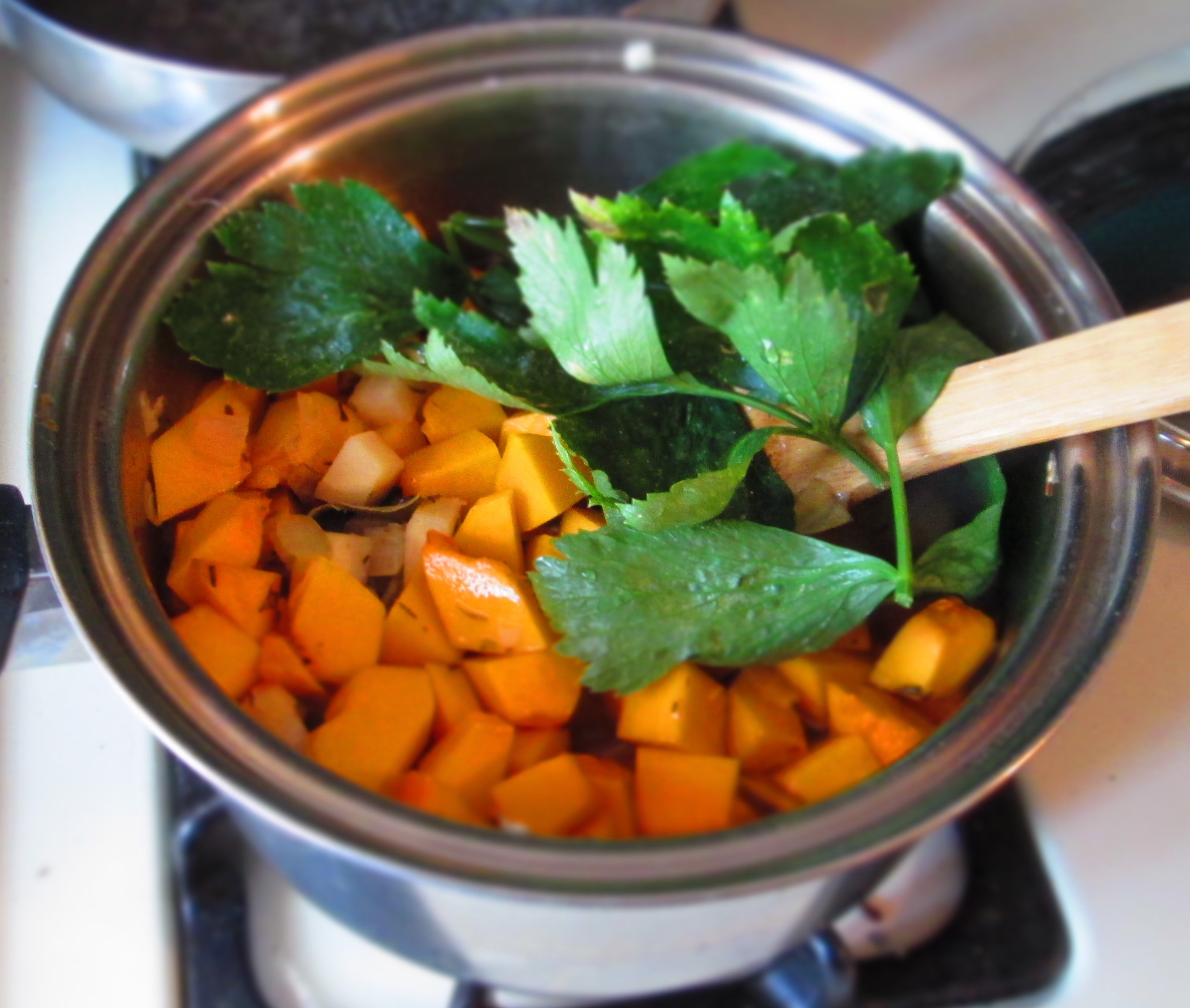
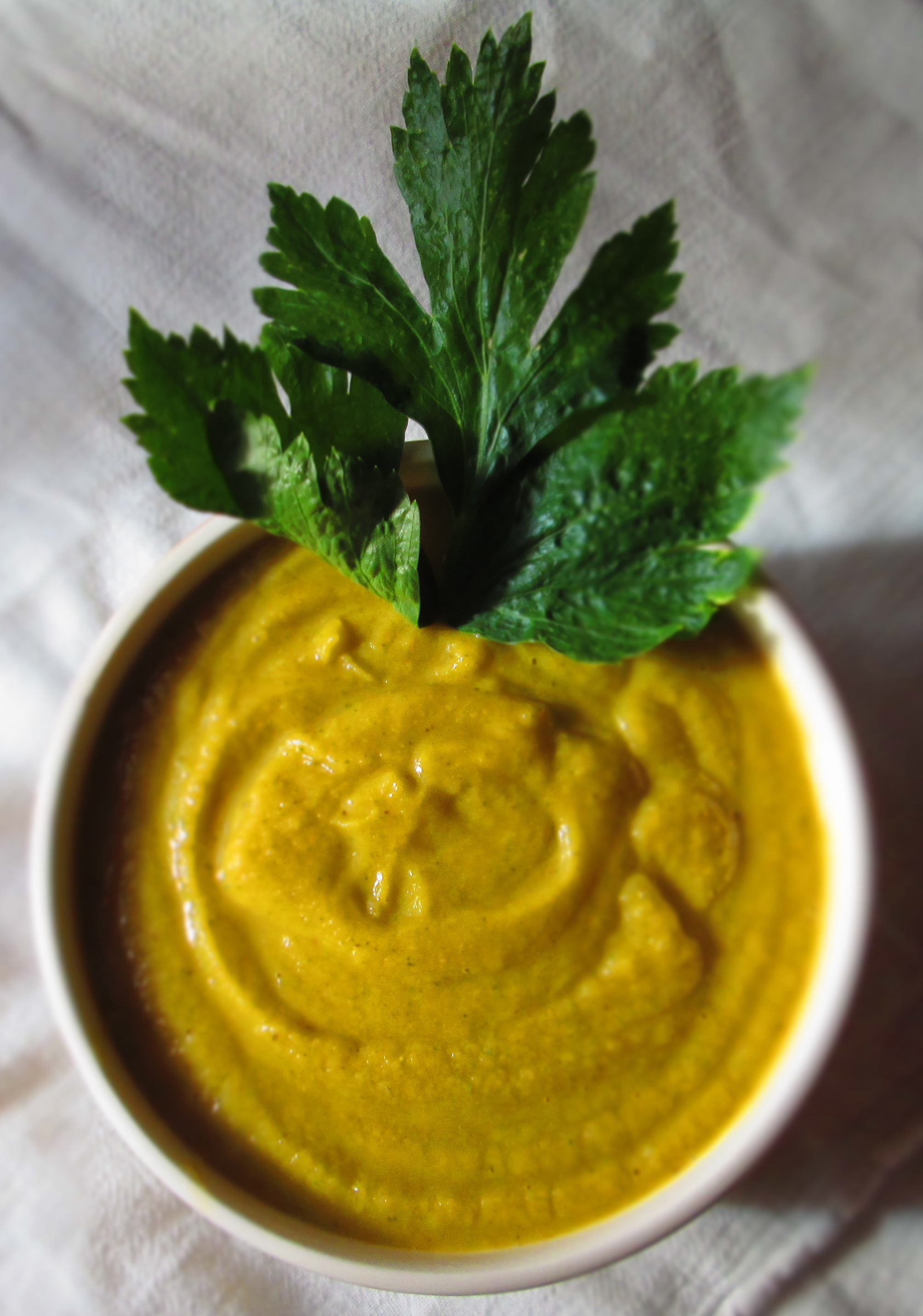
Also growing in my parents’ garden is celery. But it’s a kind of wild celery—in fact, it’s probably lovage, a relative of celery that has big leaves and small, thin stalks. I put some of these leaves into the soup and pureed everything together. It unexpectedly turned my soup green, so it kind of looks like split-pea soup. If I hadn’t done that, I would have ended up with something that looks more like typical butternut squash soup.

Regardless, it’s delicious. The parsnips give the soup an earthy tone, while the squash sweetens it up. It was just what I needed on a brisk autumn day. You can have it with croutons or chopped walnuts or little cooked cubes of butternut.

Give it a try. Enjoy!IMG_5452

Parsnip-Butternut Soup

Makes 4 servings.

1 teaspoon olive oil
1 small onion, chopped
½ teaspoon kosher salt
3 large garlic cloves, coarsely chopped
1 bay leaf
1 teaspoon dried spices (see instructions)
1 teaspoon garlic salt
2 cups cut-up parsnip (from 1 large parsnip)
2 cups vegetable broth
2 cups cut-up butternut squash (from 1 small squash)
Fresh herbs, if available
Black pepper to taste

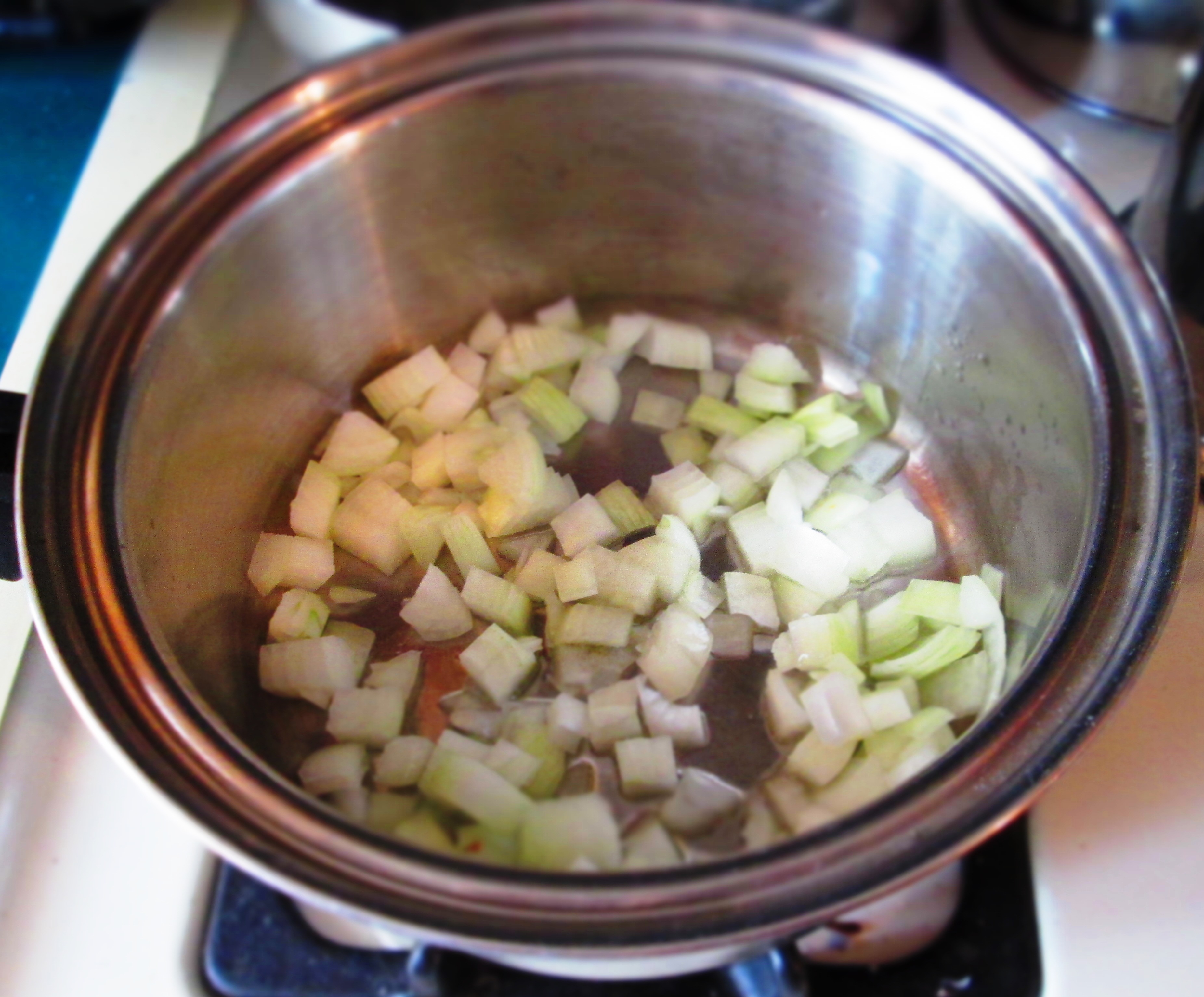
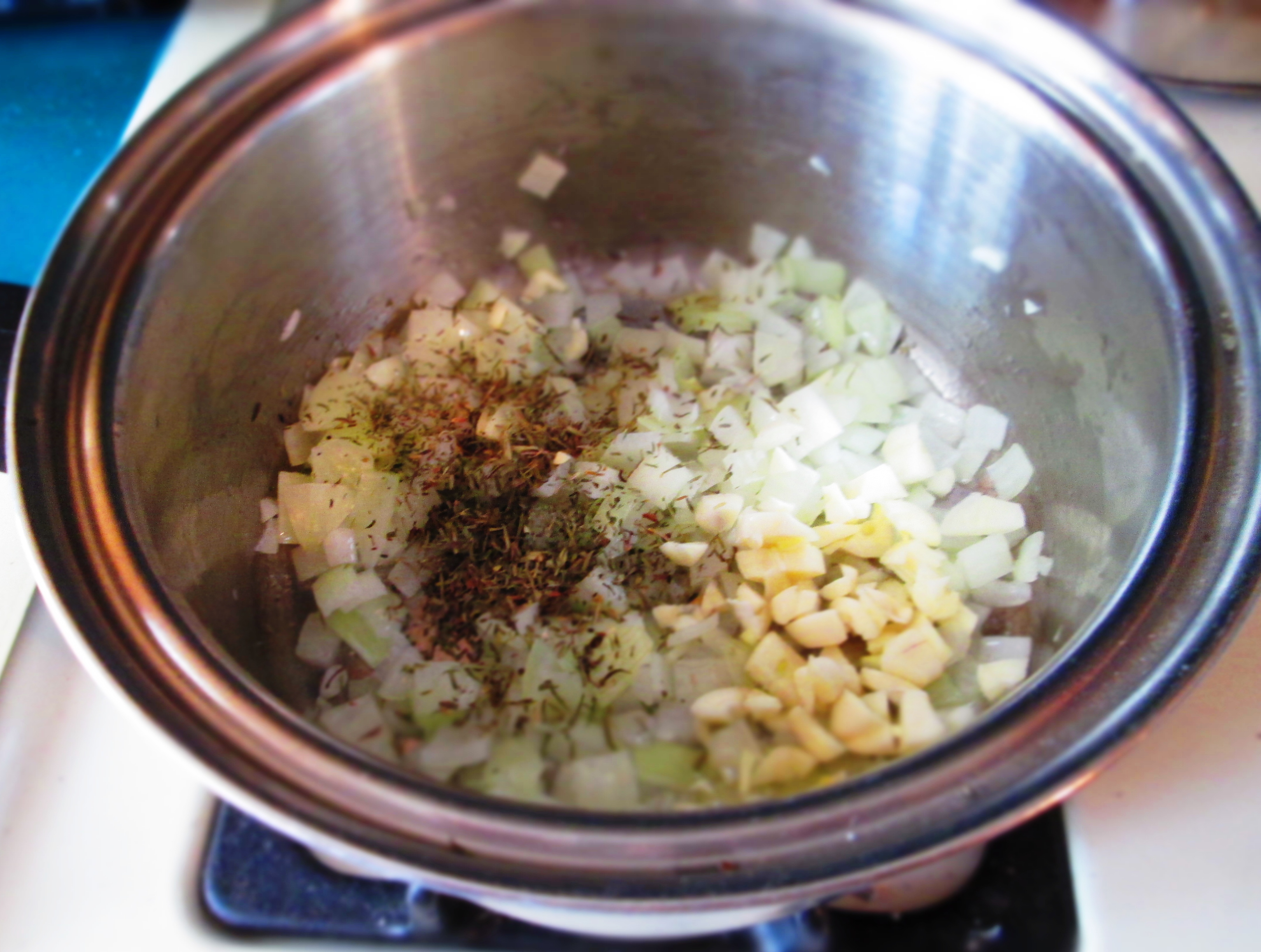
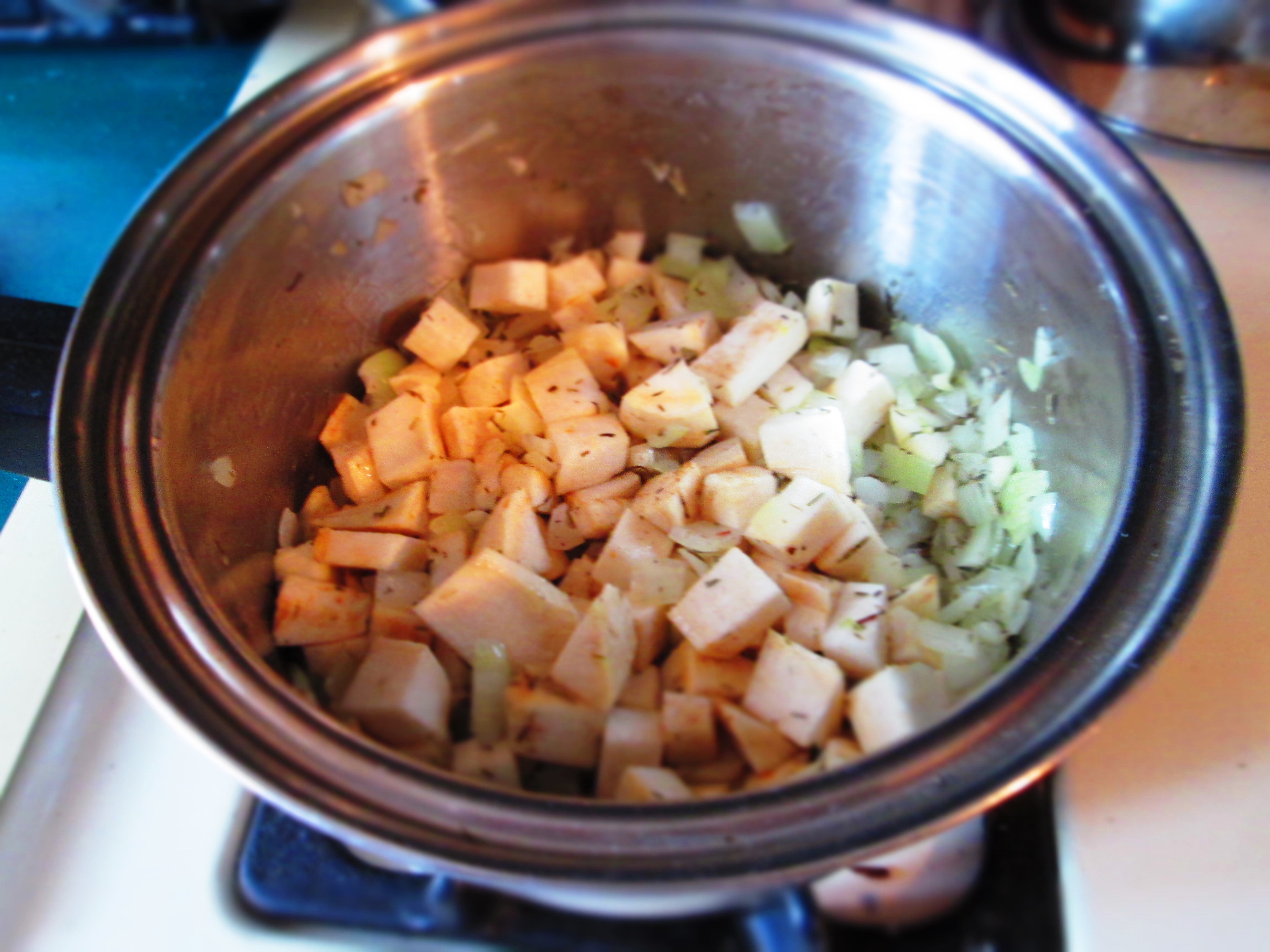
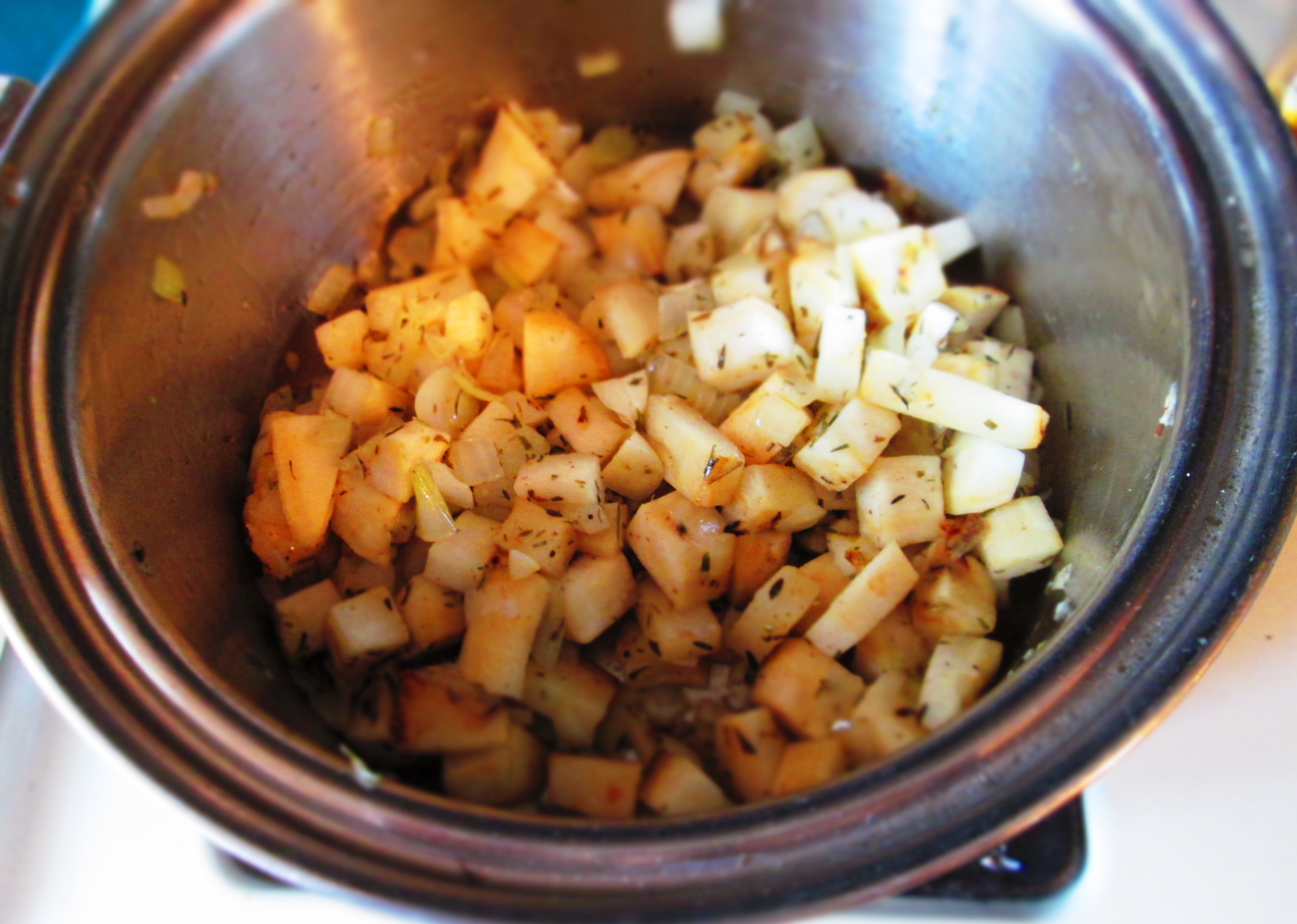
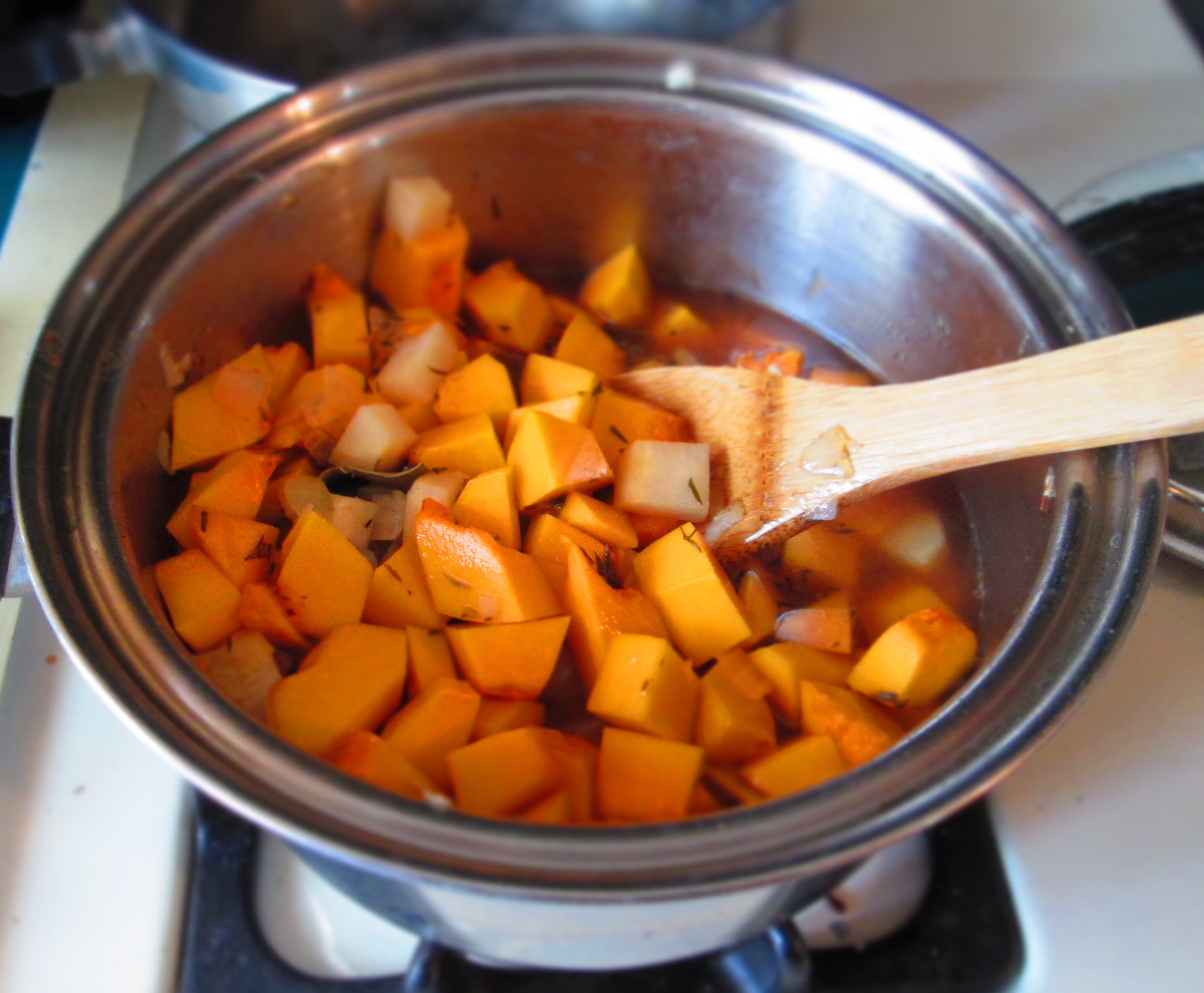
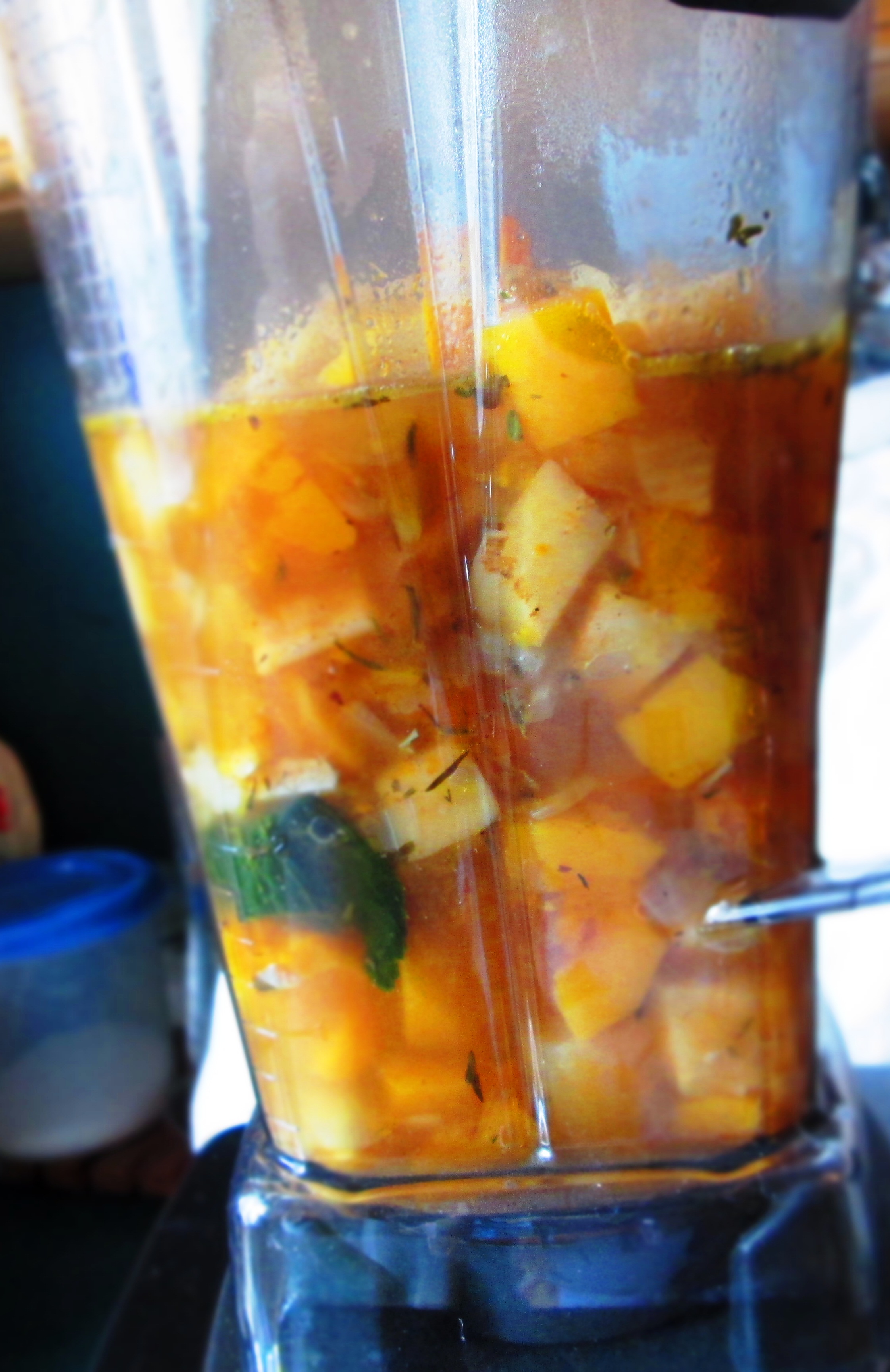
Heat the olive oil in a medium saucepan. Add the onion and salt and cook until translucent.IMG_5454Add the garlic, bay leaf, dried spices (I used 1/2 teaspoon each thyme and savory), and garlic salt. Stir and continue cooking another 2 minutes.IMG_5455Add parsnips and saute, stirring often, until parsnips starts browning.IMG_5456IMG_5457Add broth. Bring to a boil.IMG_5458Add squash and any fresh herbs you want. Lower the heat and simmer, partially covered, until the vegetables are tender when pierced with a knife. Add black pepper.IMG_5460IMG_5461Transfer to a blender and puree. Taste for seasoning and adjust if needed.IMG_5463IMG_5464Serve hot.IMG_5467


2 Comments

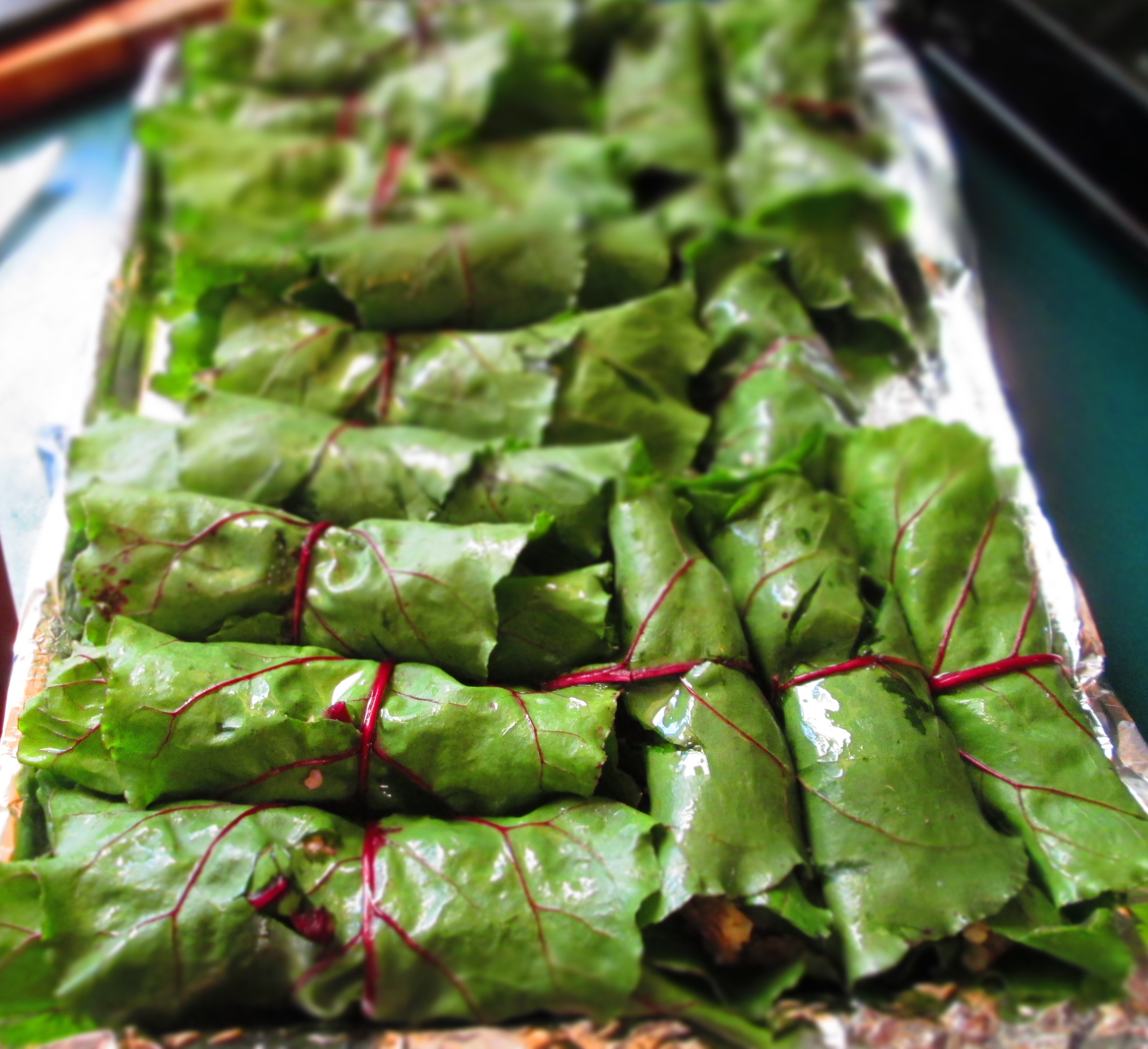
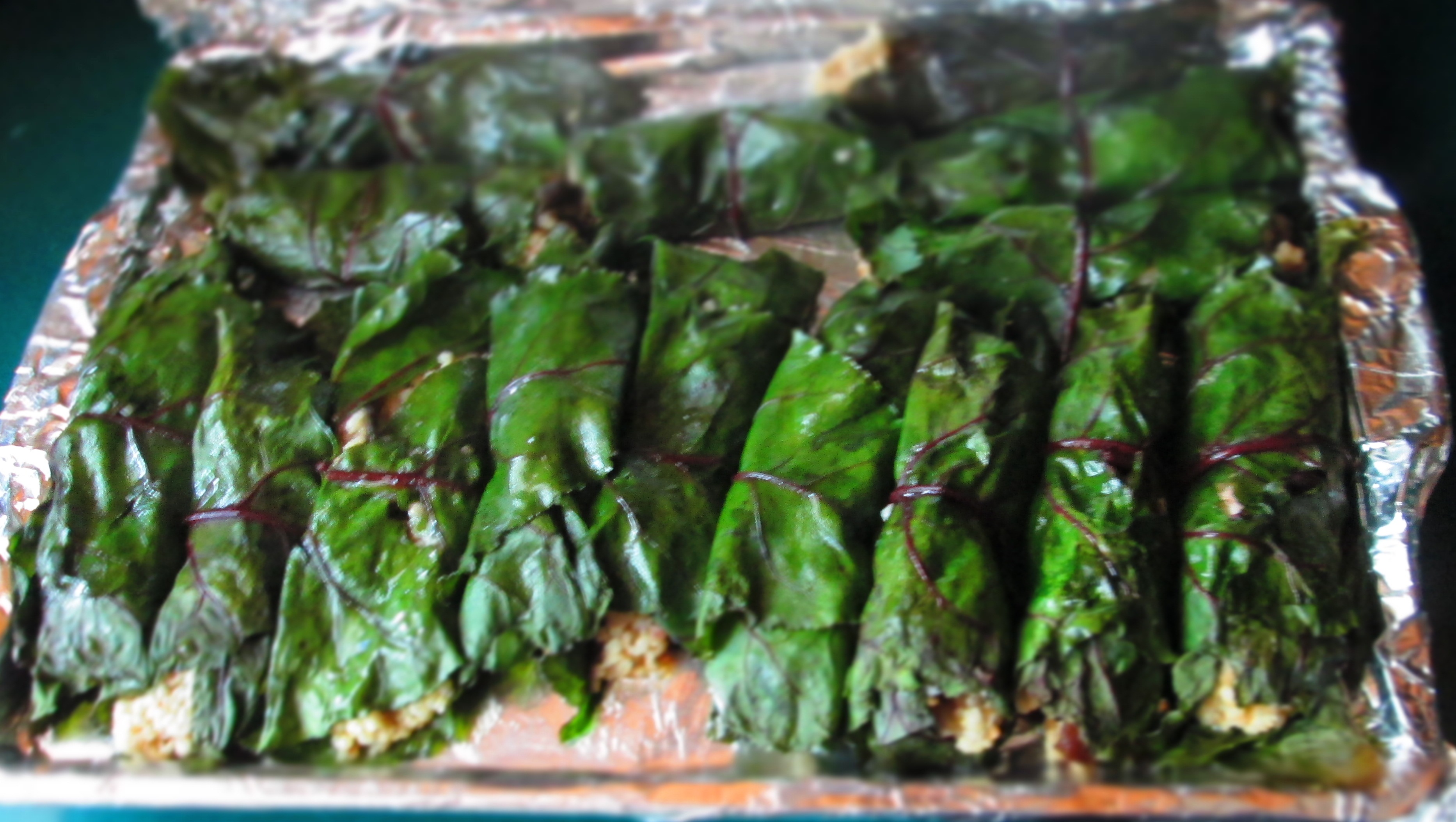
Beet Green Rolls Stuffed with Millet and Eggplant

IMG_5427This recipe is another example of just how good leftovers can be. You can transform the things you have in your refrigerator and pantry, the little bits and pieces that remained behind, into something new and interesting.

I had purchased beets from the farmers’ market and wanted to do something different with the leaves than the usual saute with olive oil and garlic. As much as I like that particular dish, I think I’ve O.D.d on it. So I started thinking about other ways of using them.IMG_5398

I also happened to have leftover roasted eggplant slices and some millet in the pantry. After some thought I came up with this recipe: beet green rolls stuffed with millet and eggplant. Millet is the perfect grain for stuffing because it’s sticky and you won’t have little individual grains skittering across your plate. It will hold everything together. It’s also gluten free, so those of you with (or who have loved ones with) Celiac Disease or gluten intolerance, this is a great recipe for you. Further, beet greens are loaded with iron, vitamin C, beta carotene, and antioxidants.

Since I will assume that you don’t just happen to have roasted eggplant slices already in the fridge, or perhaps not even millet in your pantry (even if you do, I doubt you’d have both at the same time), I’ve written this recipe so that you can start from scratch. Btu it’s a very easy recipe—you can even make the eggplant a few days in advance so that you can just jump right into this recipe.

This is the perfect autumn/winter dish—hearty, delicious, and great to bring to gatherings. You can serve it as an appetizer, a main course, or side dish. Enjoy!

Beet Green Rolls Stuffed with Millet and Eggplant

½ cup olive oil, plus extra
1 medium Italian eggplant
¾ cup millet
Greens from 1 bunch beets
1 tablespoon grated parmesan
Salt and pepper to taste
1 to 2 tablespoons extra virgin olive oil

Preheat the oven to 350 degrees F. Line a large baking sheet with aluminum foil or parchment paper. If you’re using foil, grease it with some of the olive oil.

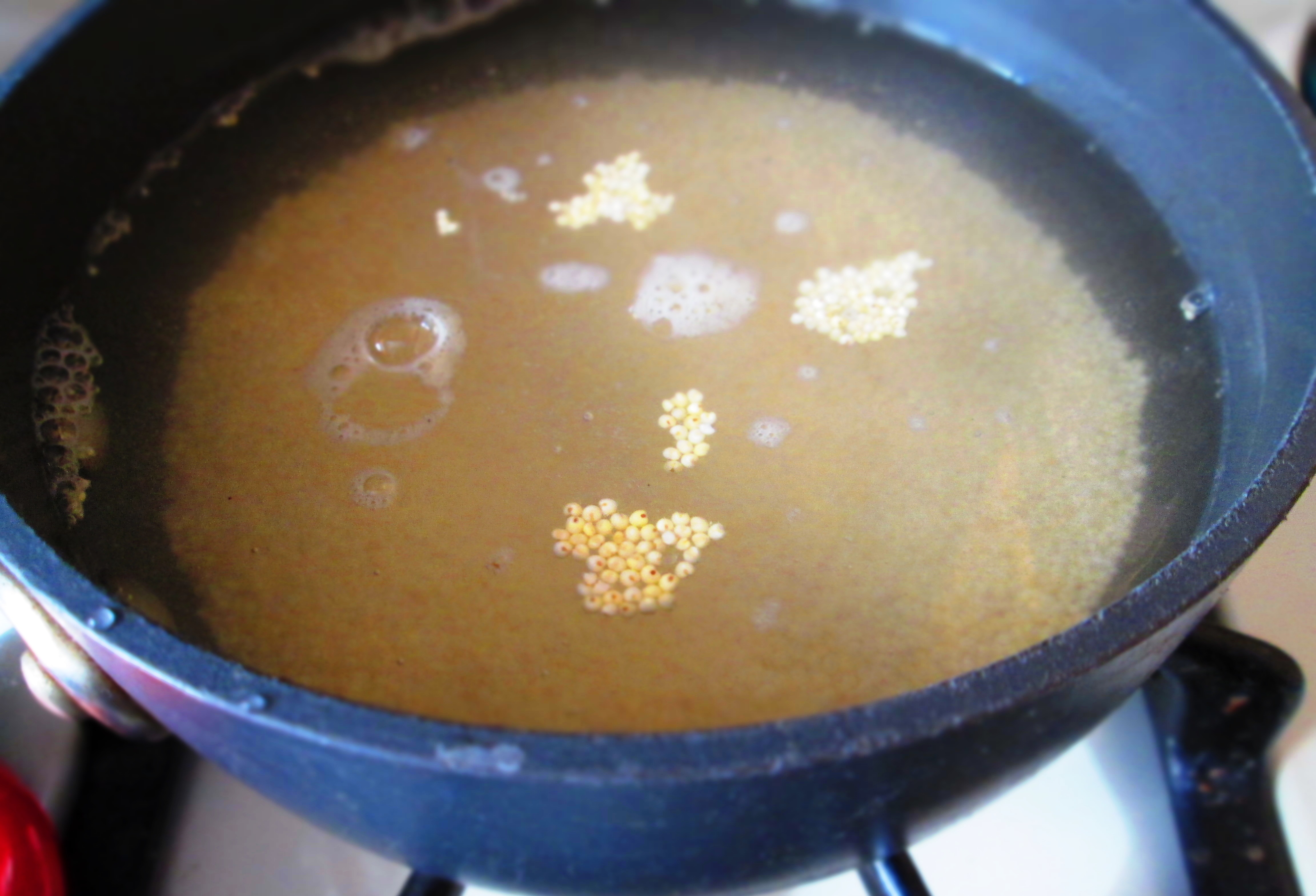
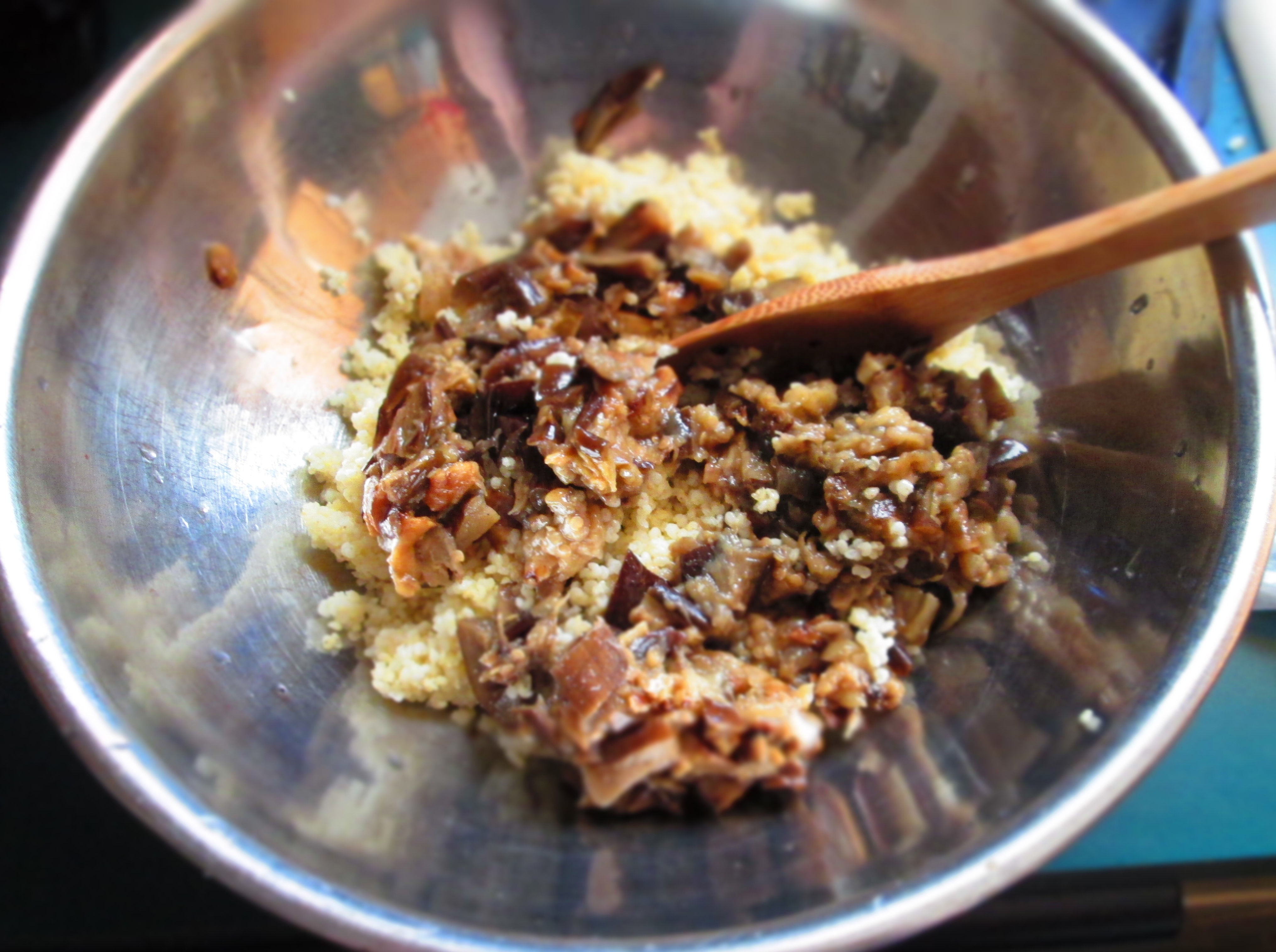
Cut the eggplant into 1/2-inch-thick slices lengthwise and lay them on the baking sheet (use more than one baking sheet if you have to). Set aside 1 tablespoon of the olive oil and use the rest to brush both sides of the eggplant slices. Sprinkle with salt and pepper. Roast, turning over once, until browned on both sides, about 20 to 30 minutes. Remove from oven and let cool. Chop up the eggplant finely and measure out 2 cups. Reserve the rest for another recipe.IMG_5411Meanwhile, place the millet in a small saucepan with 1½ cups water. Bring to a boil; reduce the heat to low and simmer, partially covered, until tender, about 10 minutes.IMG_5399If the water hasn’t been all absorbed, drain the millet in a mesh strainer. If it needs to cook some more, you can add a little more water and continue simmering.IMG_5402Transfer the millet to a bowl. Add the eggplant, parmesan, 1 tablespoon olive oil, salt, and pepper; mix well.IMG_5412IMG_5413Place the beet greens in a large bowl of water and wash the greens in several changes of water.

IMG_5400Pick out the largest, nicest leaves (you’ll need about 14) and place them on a kitchen towel to dry.IMG_5408Cut off the stems of the leaves. You may need to cut out a little bit of the ribs a the bottom if you find the leaves difficult to roll. IMG_5415Place 1/4 cup of the filling—less, if the leaf is smaller–at the base of a leaf and roll the leaf up. (It’s okay if the leaf tears a bit or the rib pokes through—you’re not making rolls that people will eat with their hand. These are fork rolls!)

IMG_5414Place it on the baking sheet. Repeat with remaining leaves. Pack the rolls close together. Gently brush olive oil over them.IMG_5419Cover tightly with foil. Bake 15 minutes. Transfer them to a serving platter, sprinkle more parmesan over the top, then drizzle with the extra virgin olive oil.IMG_5423Serve hot or at room temperature.

Makes about 14 rolls.IMG_5430


Leave a comment

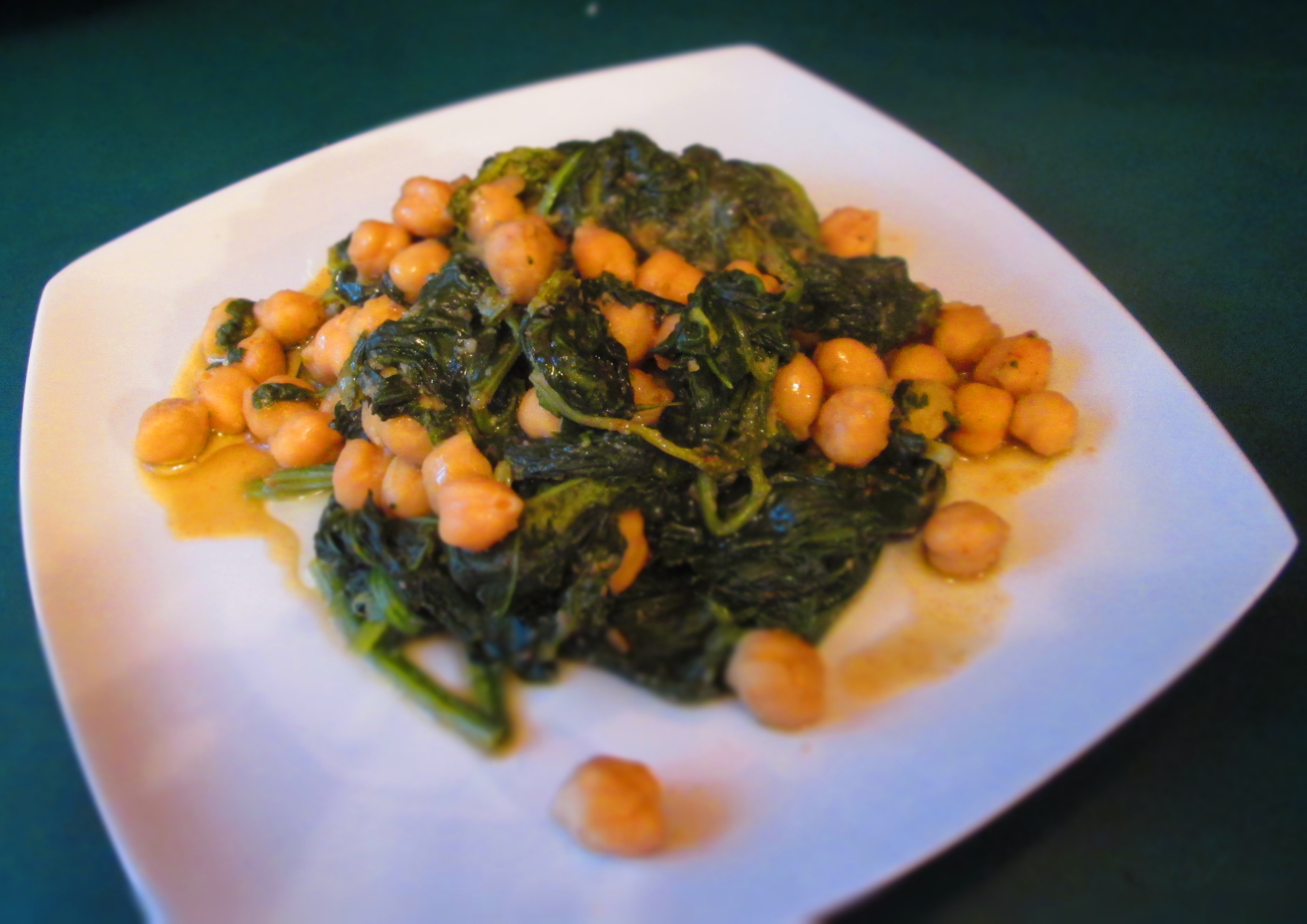
Spanish Spinach & Chickpeas

IMG_5396I was in Seattle this past week and as it usually is when I return from a trip, I found myself with an empty fridge. Well, what I consider empty, anyway. So, I went to the produce market to see what vegetables looked good. I was surprised to be irresistibly drawn to some spinach.

I say surprised because, although I like spinach, I don’t exactly go wild for it. But this particular store had bunches of spinach on sale for $1. And they were nice-looking bunches, too. Not wilted or dried, but fresh and green. So, I bought a couple of bunches.

After giving a little thought to what I might want to do with it, I quickly decided that I wanted to make a Spanish tapa staple: Espinaca con Garbanzos. Or Spinach with Chickpeas.

What makes this dish delectable is the bread crumbs, which turns the flavorful, garlicky spinach liquid into a thick, scoopable sauce. If you are gluten intolerant, you can use gluten-free bread crumbs. You can change the flavor profile very easily by adding any kind of spices you like. And best of all, this is a low-cal, low-fat, high-nutrient dish that is savory and comforting all at once.
Continue reading


Leave a comment

Chickpeas and Beet Salad

IMG_1024Despite the fact that I have less and less time to cook for myself these days, when I walk past the farmer’s market, I’m seduced by the beautiful vegetables. So, then I find myself with vegetables that I have no time to cook, but must.

This week, I had beets. The beets were firm and bright and the leaves were full and green. I couldn’t help myself. But I had to deal with them quickly. So, I went to my go-to beet recipe: Chickpea and Beet Salad. It’s simple, it’s fast (once the beets are cooked), and it’s satisfying.

The greens? My go-to greens recipe: sautéed in olive oil and garlic.

The reason for my lack of time? Well, apart from my work/commute issue, I have multiple projects happening at the same time. One of those is volume 2 of Vegetarian Italian: Traditions, which is finally under way after a very long delay at my publisher. It’s slated for release in April 2016. With any luck, that will be the case.

This beet recipe, by the way, appears in volume 1 of Vegetarian Italian: Traditions, and it’s just one of many delectable dishes straight from the Mediterranean. Continue reading


Leave a comment

Mediterranean White Bean Spread

IMG_5318I recently found myself with an abundance of dried Great Northern beans, and if you stopped by here last time, you saw that I took some of those beans to make Tomato-y White Beans.

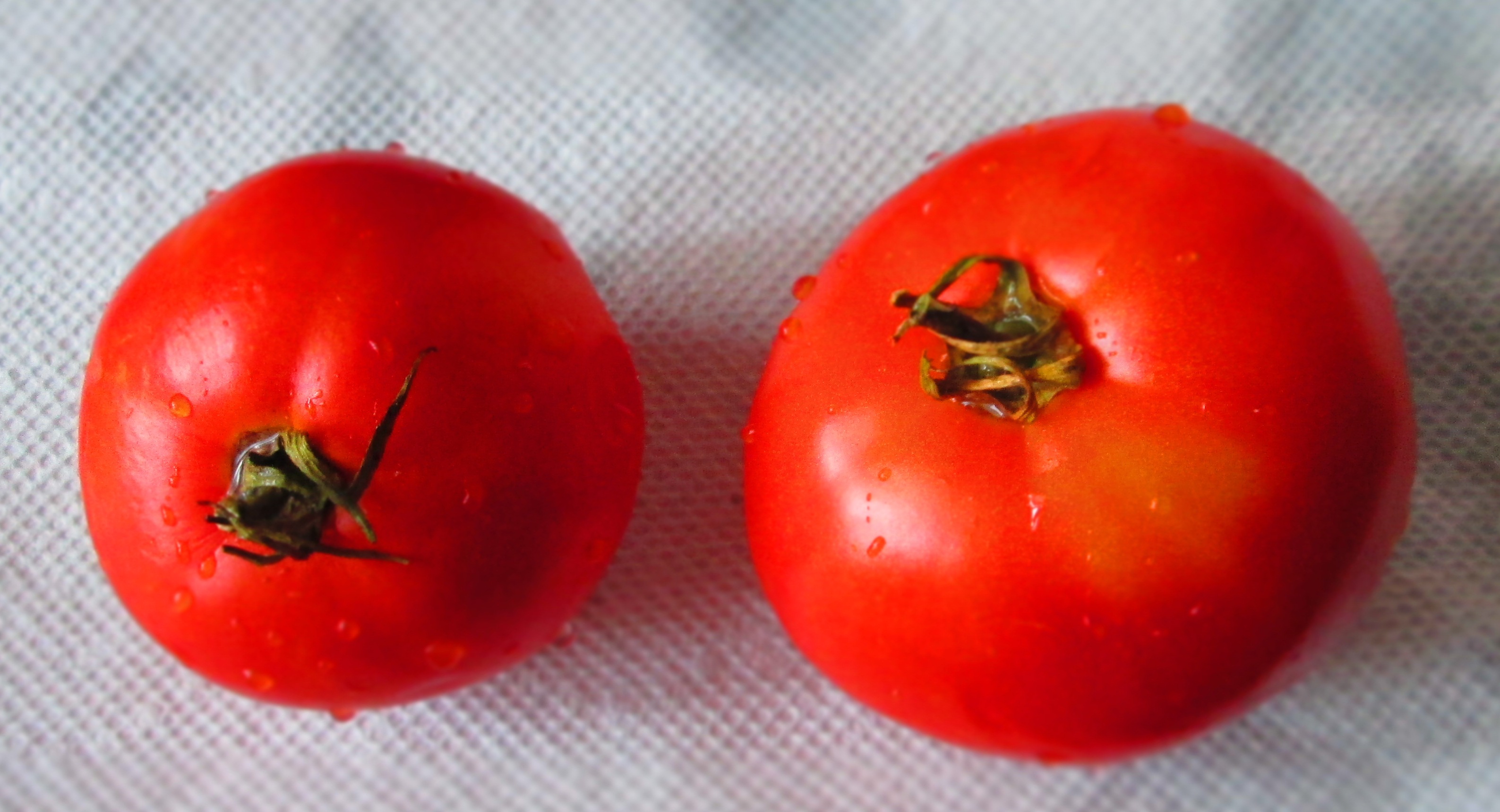
I had cooked up a huge batch, so I needed to come up with something else. And, as I also said last time, because it’s summer, I’ve had access to a bunch of tomatoes. Well, both they went into a food processor for a white bean spread. With a few additional ingredients, this is a flavorful, filling, yet light, snack. It’s also perfect to taking to a picnic or barbecue.IMG_5309

Continue reading