Miz Chef

Cooking Up a Healthy Life


Leave a comment

Warm Sorghum Salad

IMG_5823

This week in honor of last week’s episode of The Walking Dead, I offer you Warm Sorghum Salad.

Okay, the truth is, I already had this blog post and recipe prepared but it seemed like an appropriate time to post it.IMG_5809

Many people don’t know what sorghum is. It’s a grain that originated in Africa and that’s been used in this country for years as fodder—except in the South, where it’s been a fairly popular grain. Also in the South, sorghum molasses often takes the place of regular molasses, honey, maple syrup, and corn syrup. In short, it’s a liquid sweetener that’s used in baked goods, as well for drizzling on biscuits, pancakes, and toast.

I’ve offered other sorghum recipes here, such as Sorghum Pilaf, Sorghum Stir-Fry, and my Cranberry Sauce with a Sorghum Twist (using sorghum molasses) even made it in into the holiday issue of Pilcrow & Dagger.

Sorghum is gluten free and inexpensive. But it’s also very use friendly. It’s a diverse grain that can be used in many different dishes. Here’s my Warm Sorghum Salad. It’s great to bring to dinner in the fall and winter, but also to barbecues and picnics in the warmer seasons. And the kale makes it a well-rounded, healthy dish. Enjoy!

Warm Sorghum Salad

Makes 6 servings

1 cup sorghum grain
1 tablespoon olive oil
½ cup minced shallot
1 teaspoon kosher salt
½ lb. mushrooms (preferably a combination of white and baby bella), thinly sliced
1 tablespoon apple cider vinegar
4 packed cups chopped kale
Fresh pepper
½ small lemon

Dressing
¼ cup extra virgin olive oil

1 teaspoon balsamic vinegar
1 teaspoon Dijon mustard
Freshly ground black pepper to taste

Place the sorghum in a mesh strainer and rinse it under running water for a minute or two. Place it in a small pot along with 3 cups water and bring to a boil. Lower the heat and simmer, partially covered, until tender, about 30 to 40 minutes. Drain well.

IMG_5820

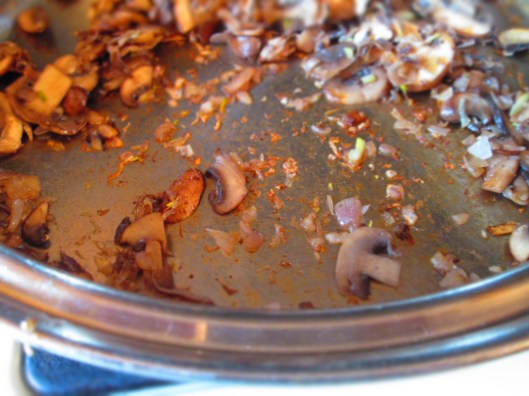
Meanwhile, heat the oil in a wide skillet. Add the shallot, ¼ teaspoon salt, and saute until soft and translucent, 2 or 3 minutes. Add the mushrooms and 1/4 teaspoon salt and saute until the water they release dries up and mushrooms brown.IMG_5813When you see browned bits in the pan, deglaze with the apple cider vinegar (add it to the pan and scrape up the brown bits with a wooden spoon).IMG_5816
Add the kale and another ½ teaspoon salt and cover; cook until kale is tender.IMG_5818While that’s cooking, make the dressing and set aside.
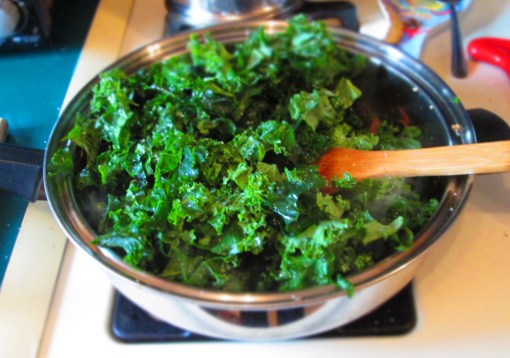
When the sorghum is cooked, add it to the pan with the kale and pepper and mix.IMG_5821Pour in the dressing and mix well. Taste for seasoning and adjust if needed. Squeeze the lemon over it and stir.
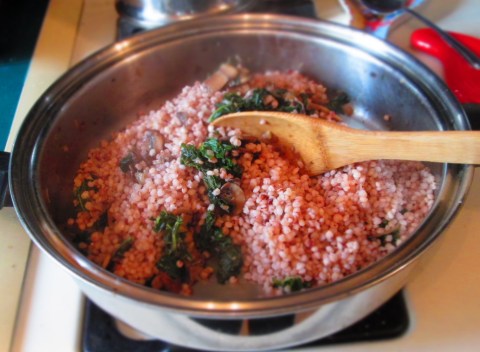
Transfer to a serving bowl and serve warm.IMG_5824


Leave a comment

Chickpeas and Beet Salad

IMG_1024Despite the fact that I have less and less time to cook for myself these days, when I walk past the farmer’s market, I’m seduced by the beautiful vegetables. So, then I find myself with vegetables that I have no time to cook, but must.

This week, I had beets. The beets were firm and bright and the leaves were full and green. I couldn’t help myself. But I had to deal with them quickly. So, I went to my go-to beet recipe: Chickpea and Beet Salad. It’s simple, it’s fast (once the beets are cooked), and it’s satisfying.

The greens? My go-to greens recipe: sautéed in olive oil and garlic.

The reason for my lack of time? Well, apart from my work/commute issue, I have multiple projects happening at the same time. One of those is volume 2 of Vegetarian Italian: Traditions, which is finally under way after a very long delay at my publisher. It’s slated for release in April 2016. With any luck, that will be the case.

This beet recipe, by the way, appears in volume 1 of Vegetarian Italian: Traditions, and it’s just one of many delectable dishes straight from the Mediterranean. Continue reading


Leave a comment

Purple Haricot Vert Salad

IMG_3199

A couple of friends of mine receive CSA boxes. For those of you who don’t know what a CSA box is, it stands for “community-supported agriculture.” You have to join a CSA program and every week, you go and pick up your box, in which there will be a collection of produce based on that week’s crops. It’s basically a “what’s ready” box. You’re getting farm-fresh local and seasonal produce and you are supporting your local farmers.

As much as I believe in local and organic produce and sustainable farming, CSA boxes are not practical for me because when I do have time to cook, I have to focus on recipes that I must make. If you’re a food writer like me, you know exactly what I’m talking about: There are specific recipes that need to be tested, dishes to be photographed, events to cook for… We cook with an agenda, and cooking just for pleasure is a luxury.IMG_3180

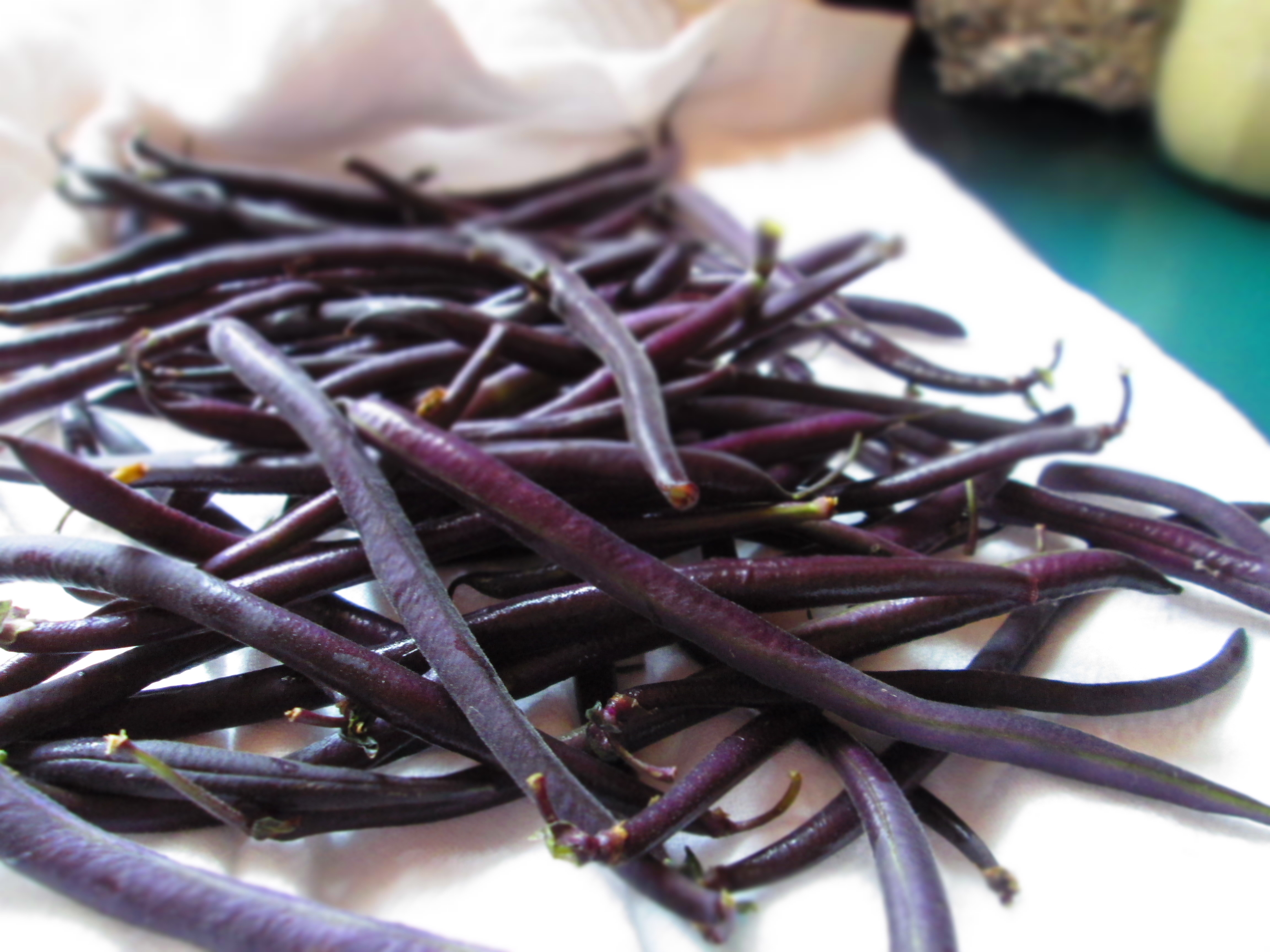
At any rate, these friends were going away for a week and would not be able to use all the produce in their CSA box. They offered me a few items, including some beautiful purple haricot vert.

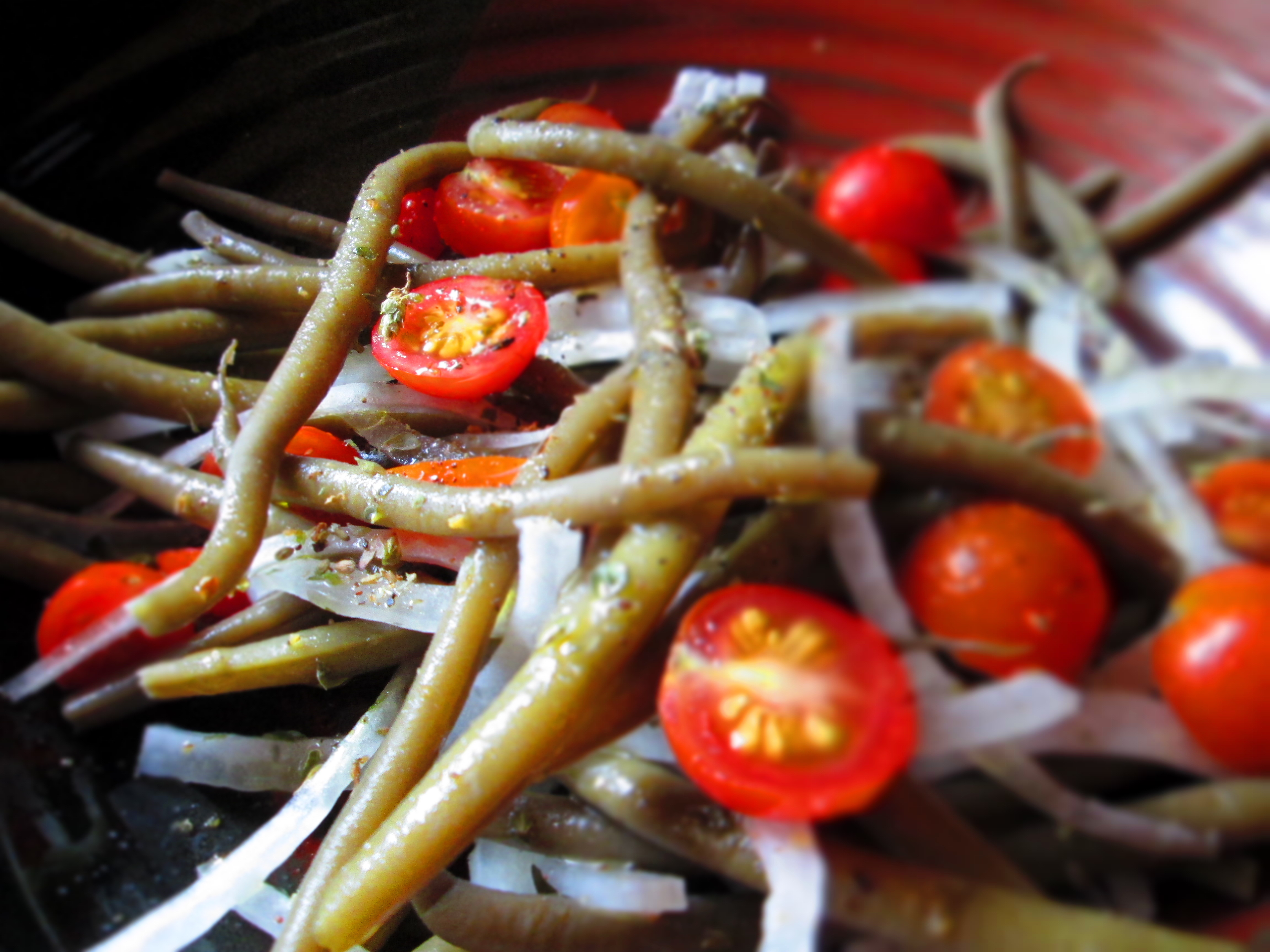
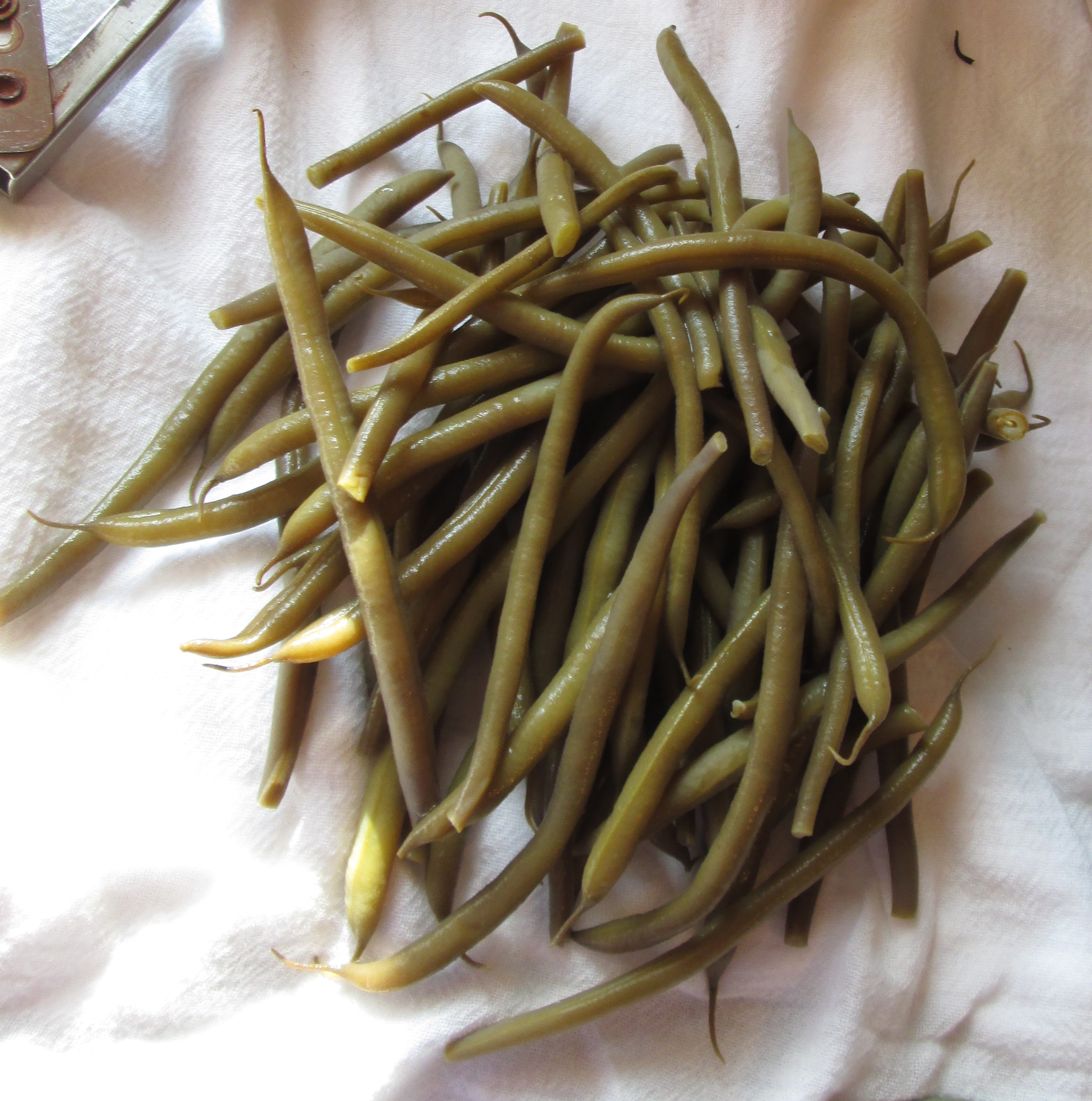
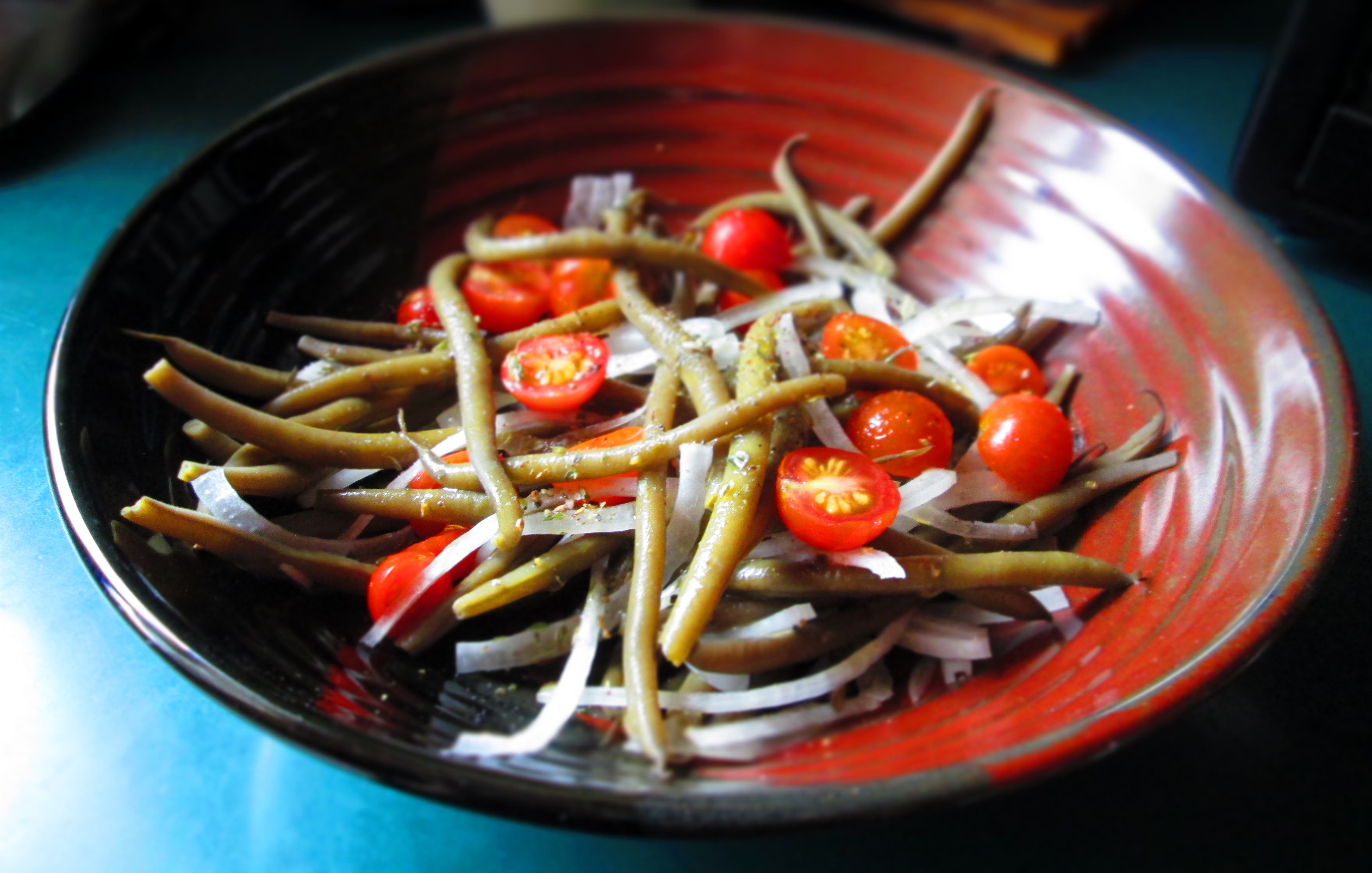
It was my brother’s birthday this past week and my mother wanted to cook him a special lunch with the whole family, and I thought it would be a nice to bring a fresh green bean salad, using the purple haricot vert. This salad is simple and fresh and you can appreciate the grassy notes of the beans. Note that purple beans will, sadly, turn green once cooked. It’s such a shame that they can’t retain their dazzling color. The vinegar will at least keep it a vibrant green.IMG_3183

Haricot Vert Salad

1 lb. purple haricot vert (or other fresh green beans)
1 teaspoon apple cider vinegar
½ small white onion, thinly sliced
½ pint cherry tomatoes, halved
1 teaspoon dried oregano
½ teaspoon sea salt
Freshly ground pepper
2 tablespoons extra virgin olive oil

Bring a medium saucepan of water to a boil; add the beans and vinegar. Return to a boil, then lower the heat and simmer until tender but still firm. Drain and run under cold water. Drain well and place in a serving bowl.

Add remaining ingredients and gently stir. Taste and adjust seasonings, if needed.

Makes 6 servings.IMG_3196


Leave a comment

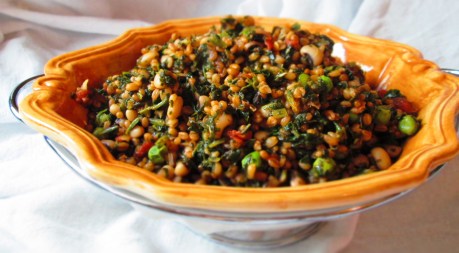
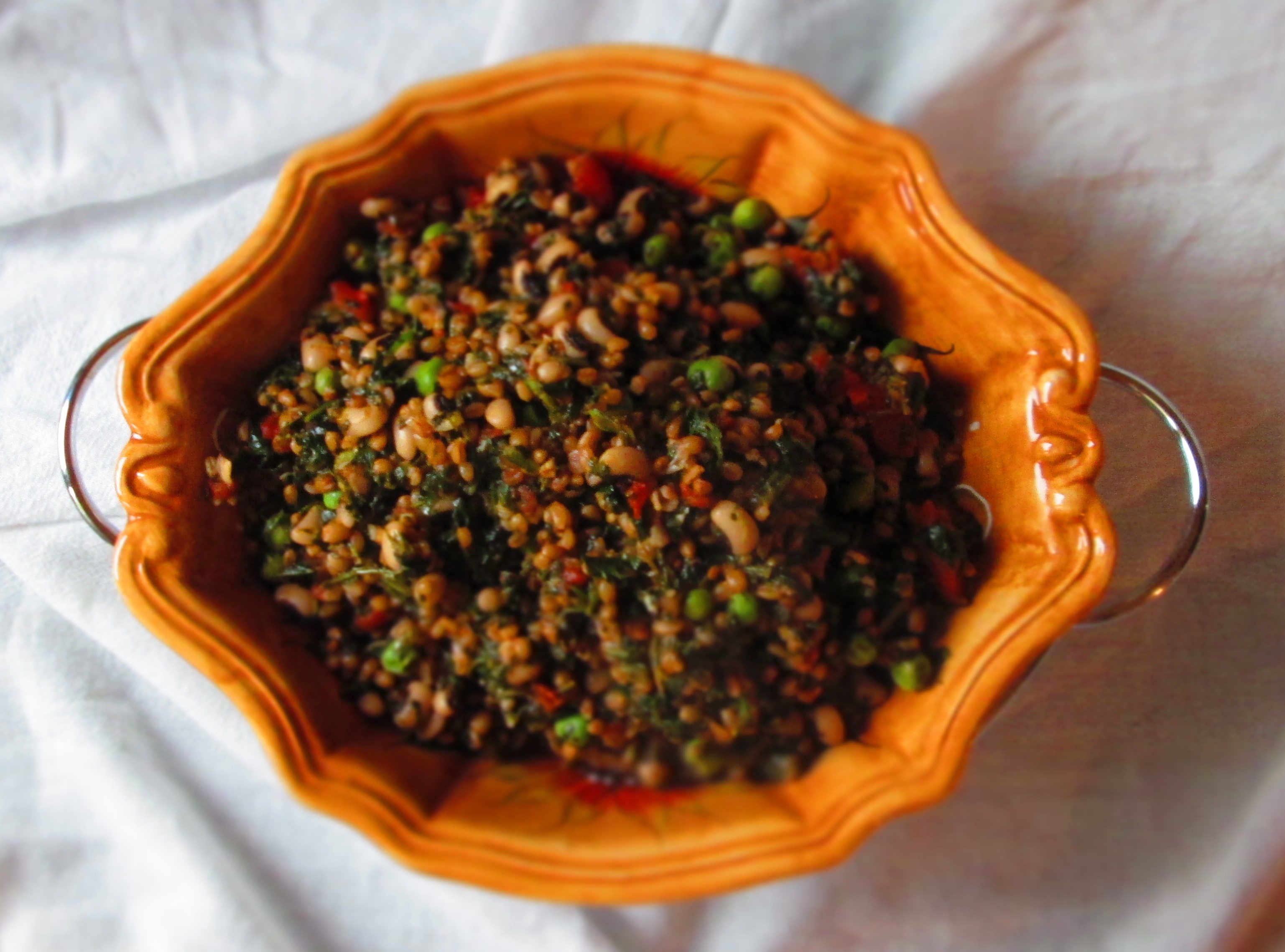
Warm Black-eyed Pea-Spinach Wheat Berry Salad

It’s been a kooky few months for me. I’ve been really busy cooking and photographing my food for volume two of my revised cookbook, now called Vegetarian Italian: Traditions. The Kindle version of volume one is currently on Amazon, and I’m waiting VegItalCover FINAL_Page_1for the print version to be available.

The thing is, all other cooking has been put on the back burner (no pun intended). I’ve even put off photographing dishes for my next cookbook, just to get volume two of Vegetarian Italian done.

Well, I’m almost there. I actually have one dish left to photograph, and this weekend, I found myself able to cook a little for the fun of it—something I haven’t done in a very long time.

I had some cooked wheatberries in the freezer, left over from a batch I had made a couple of months ago, as well as some black-eyed peas, and decided to use them.

A wheat berry is the entire wheat kernel (except for the hull)–meaning, it has its bran, germ, and endosperm intact. That makes them healthy whole grains. There are several varieties: winter and spring, hard and soft, red and white. Soft wheat is considered to have higher protein and, thus, less gluten. So, if you have wheat sensitivities (as opposed to Celiac disease) and want to use wheat berries, you’re better off using soft wheat. 

In the end, I wanted to do something simple but tasty, and this is what I came up with. I hope you like it.IMG_2509

Warm Black-eyed Pea-Spinach Wheat Berry Salad

2 teaspoons olive oil
2 cloves garlic, minced 3 cups cooked wheat berries
½ teaspoon paprika
6 plum tomatoes, chopped
2 cups cooked, chopped spinach
1 ½ cups cooked black-eyed peas
1 cup peas
2 teaspoons kosher salt
1 teaspoon freshly ground black pepper
1 tablespoon walnut oil

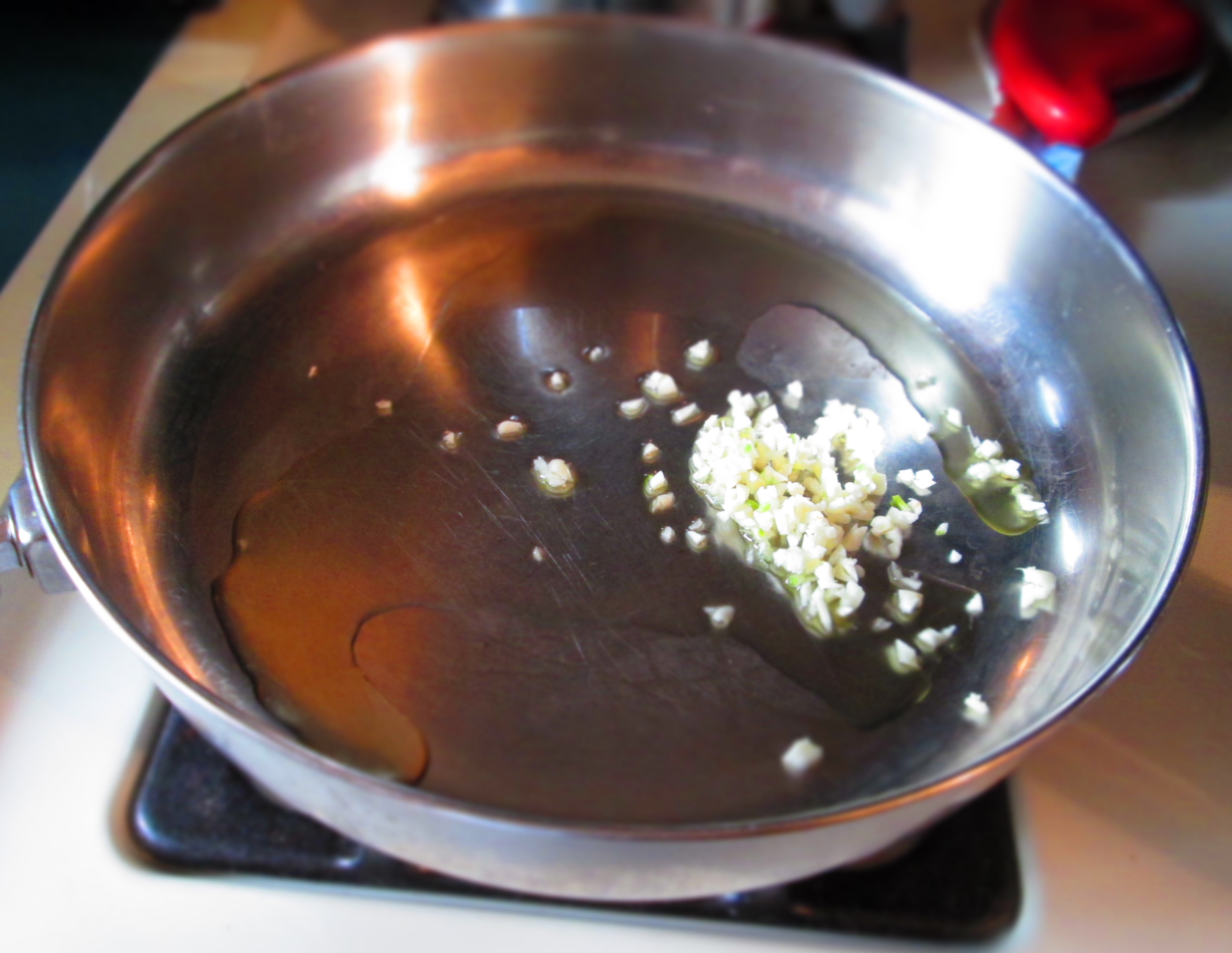
Heat the oil in a wide pan; add the garlic and sauté until fragrant, about one minute.

IMG_2502

Sprinkle in the paprika, then immediately add the tomatoes. Stir and sauté 2 or 3 minutes.

IMG_2503
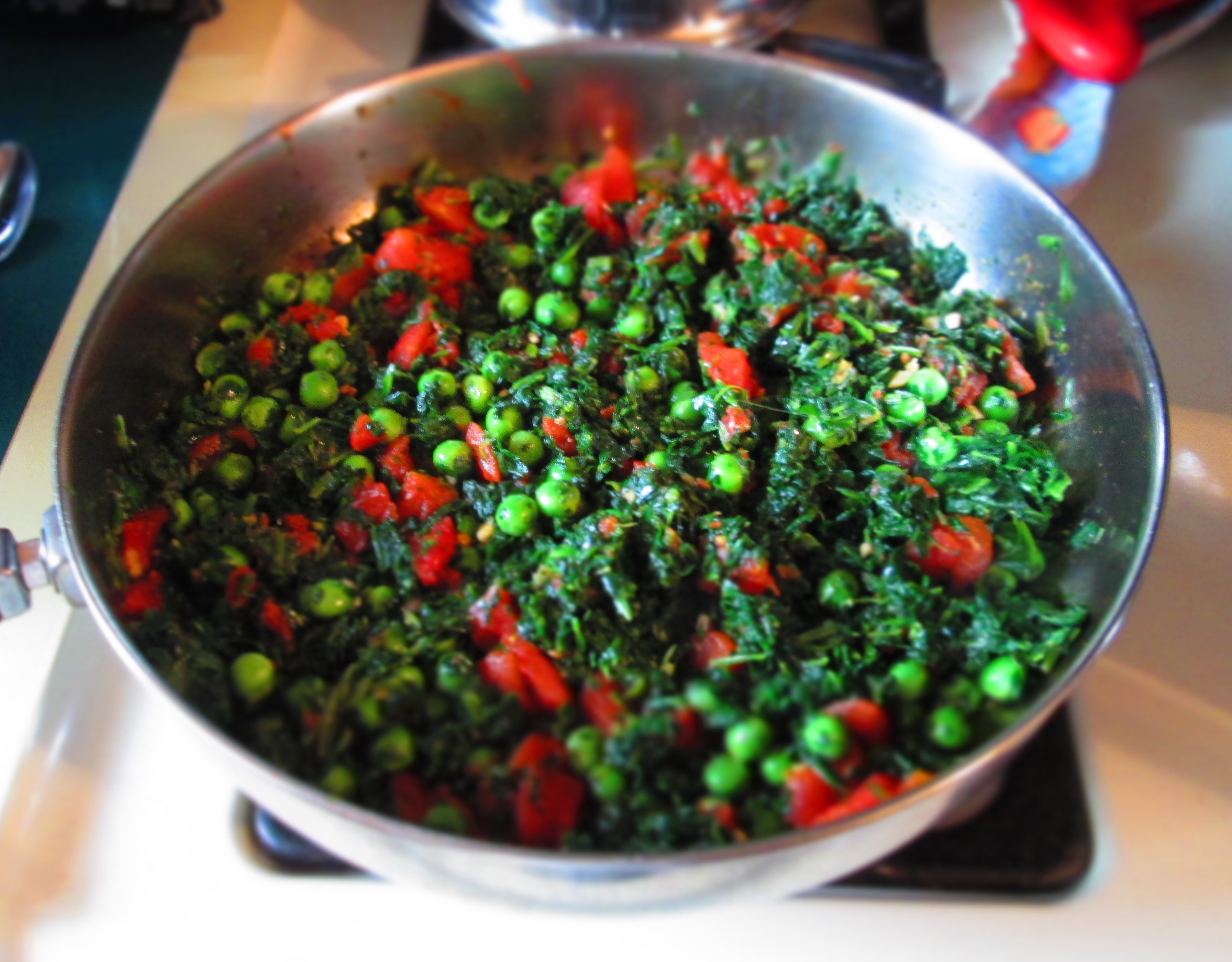
Stir in the spinach, black-eyed peas, and peas and sauté another 3 minutes.

IMG_2504

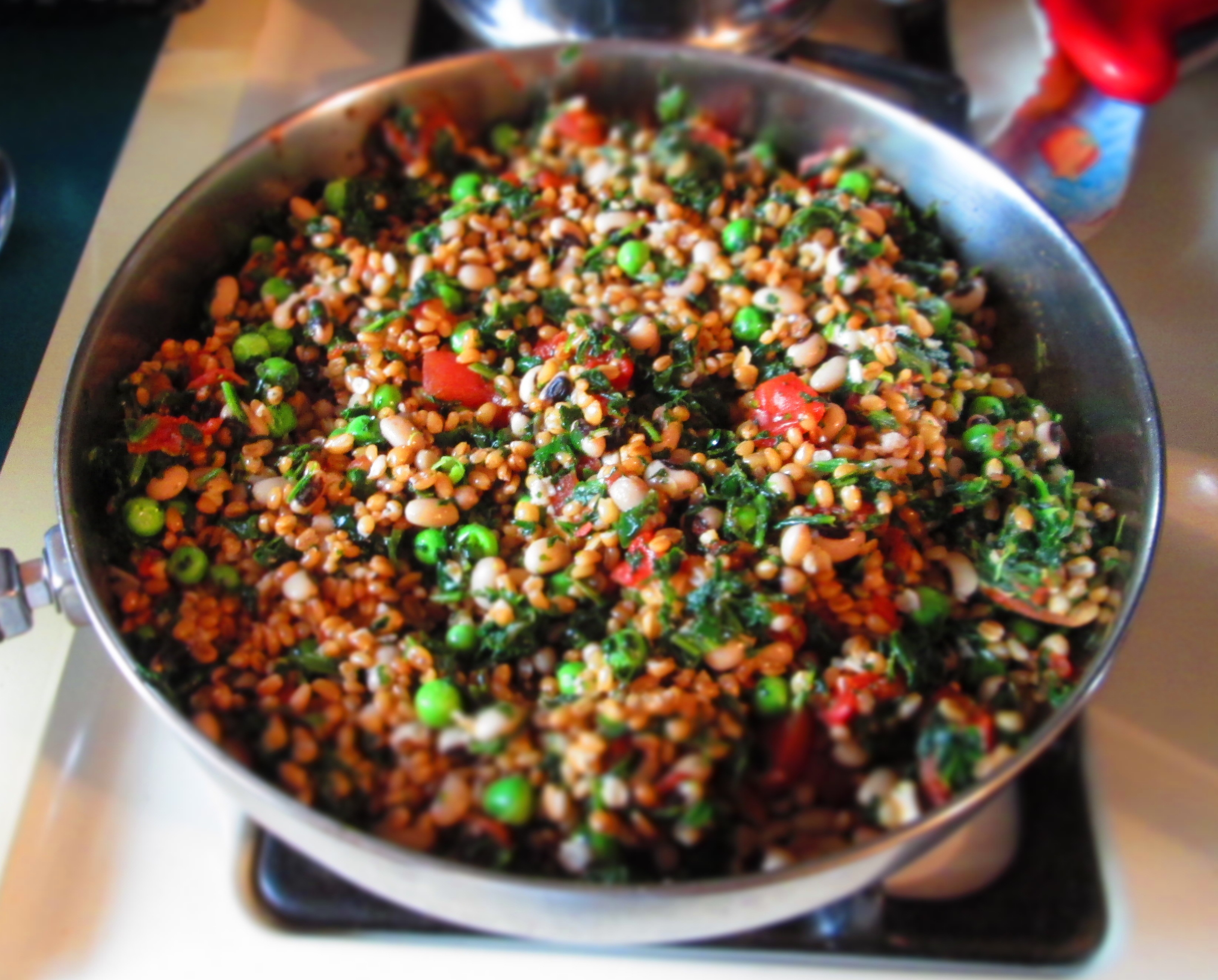
Add the wheat berries and peas, mix and continue cooking until heated through. Season with salt and pepper; adjust to your taste.

IMG_2505

Transfer to a serving bowl; drizzle walnut oil over the top.

Makes 6 servings.IMG_2507


Leave a comment

New Year’s Dish for Luck: Black-Eyed Peas & Quinoa

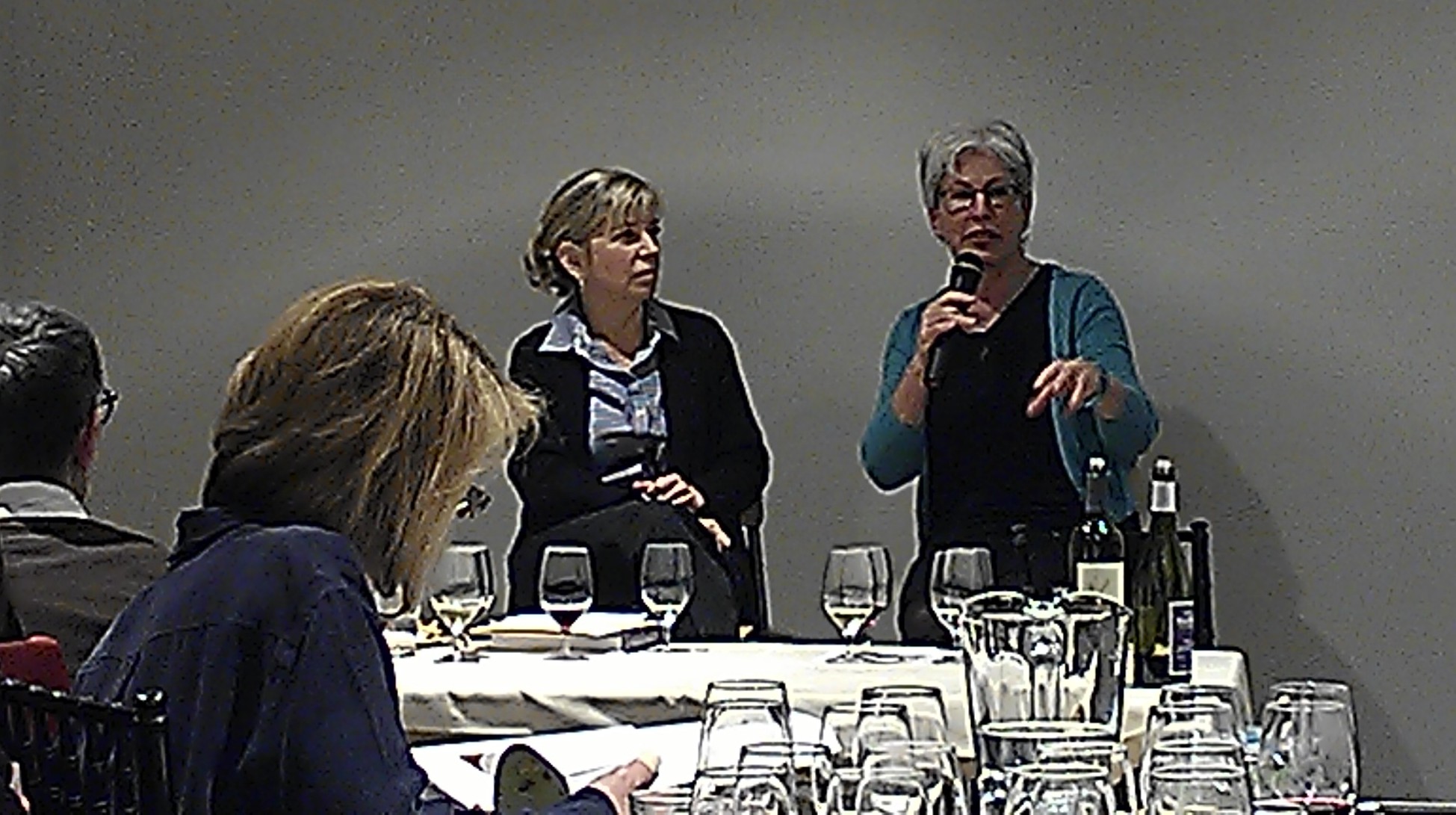
This is my last post of 2013. It was a head-spinning year for me, and my calendar looks like one big ink blot from all the markings. I attended and participated in many culinary events, including “An Evening with Dorie Greenspan” and “An Evening with Mollie Katzen and Sara Moulton,” thanks to the New York Women’s Culinary Alliance (NYWCA). Rick Bayless Mollie Katzen-Sara Moulten IMAG0436I had the pleasure of cooking something out of their cookbooks for everyone to enjoy at the events.

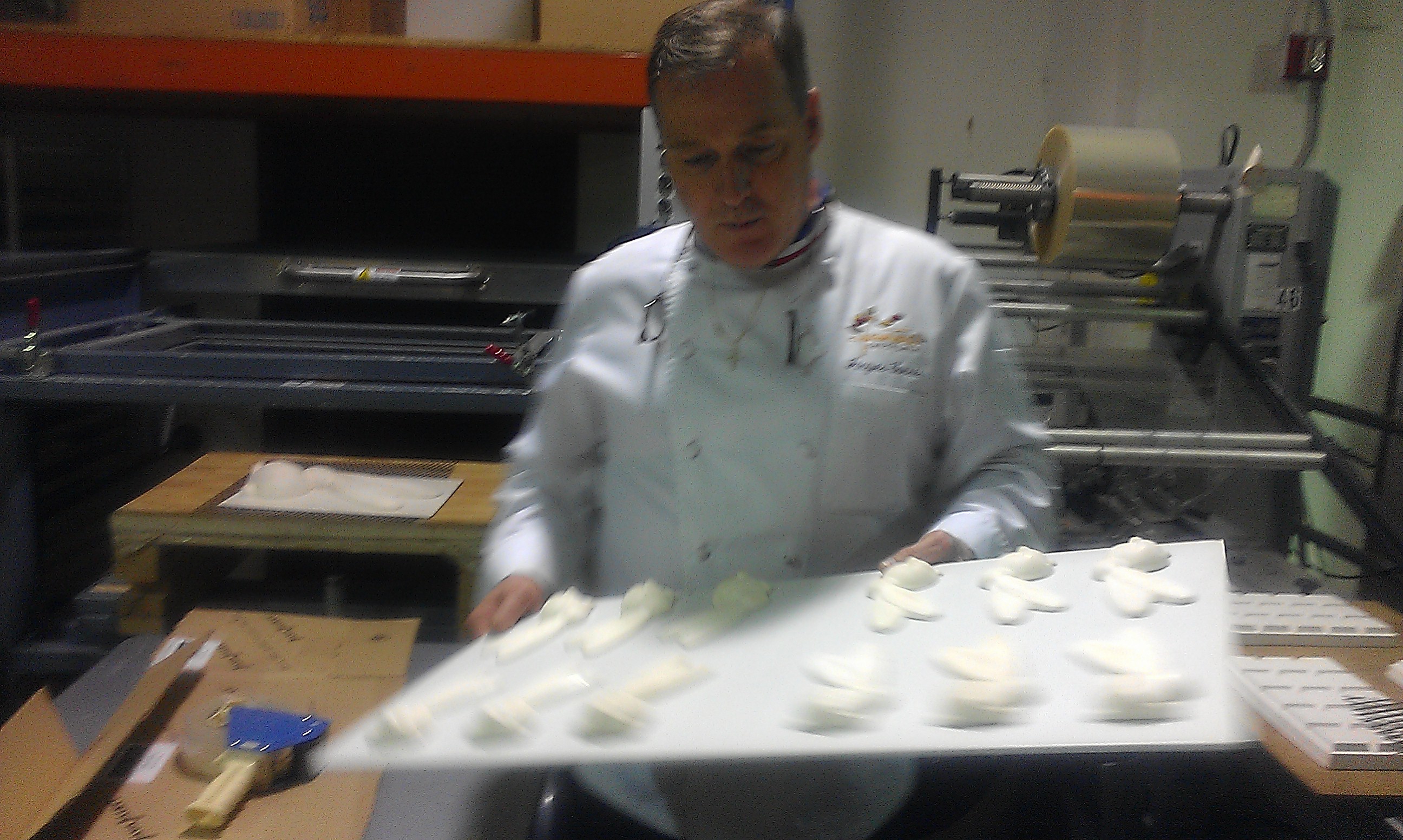
I volunteered at the Food Network Food & Wine Festival, where I had the honor of working with Rick Bayless at  Bobby Flay’s “Tacos & Tequila” event. For Women Chefs & Restaurateurs, I was on a panel about media skills for chefs. I also attended FoodBlogSouth in Birmingham in January, went on a tour of Jacques Torres’ chocolate factory in Manhattan with Jacques himself, and attended many other fun events throughout the year.

Also this year, I took on the role of copyeditor for the NYWCA member newsletter, and I am involved with the NYWCA’s fundraising raffle taking place on February 3, “An Evening with Mollie O’Neill.” Proceeds of the raffle will go to GEMS (Girls Educational and Mentoring Service) for young women 12–24 who have experienced sexual exploitation and abuse; Spoons Across America; WISCAH—Chef Training Program; and FamilyCook Productions—Teen Battle Chef Program. Prizes include: $1,000 OXO Gift Certificate; Wine-Pairing Dinner & Hotel for Two ($600 value); Cuisinart Elite Collection Package ($600 value); and Dinner for 8 at Murray’s Cheese Bar ($500 value). If you’re interested in attending the event and/or purchasing raffle tickets, just contact me via the form below and I’ll hook you up.

Now, onto food.

Around the world, different people have their own traditions and rituals for ringing in the New Year. And food always plays a part.

For example, in Japan, it is customary to eat soba noodles during the New Year’s celebration to ensure a long life. In many Latin American countries, as well as Spain, 12 grapes are eaten—1 for each month—and it is hoped that the grapes are sweet as a harbinger of a sweet year ahead. In many countries, legumes are popular for New Year’s because they swell when cooked, symbolizing increased financial prosperity. Lentils, particularly, are used in Italy and Brazil.

In the United States, black-eyed peas are popular (the musical group and the legume) and Hoppin’ John is a staple New Year’s dish in the South. I made my own black-eyed peas dishred quinoa salad 2 incorporating the healthy grain quinoa. And to make it more festive, I used red quinoa. So, here’s the recipe for my New Year’s Red Quinoa and Black-Eyed Peas Salad. Enjoy.

Happy New Year, everyone! Have a fun, safe time, and may 2014 bring you joy and happiness.

New Year’s Red Quinoa and Black-Eyed Peas Salad

1 1/2 cups red or white quinoa, rinsed
2 3/4 cups vegetable stock
2 cups cooked black-eyed peas
1 1/2 cups chopped bell peppers, mixed colors
5 scallions, thinly sliced
1 Haas avocado, cut into small dice
1/4 finely chopped fresh Italian parsley

Dressing:
1/4 cup extra virgin olive oil
2 tbsp balsamic vinegar
1 tbsp flavored mustard
salt and pepper to taste

1. Cook the quinoa in the vegetable stock until liquid has been absorbed and grains are tender. Transfer to a large bowl and let cool.

2. When quinoa has cooled, add remaining ingredients (except dressing).

3. Whisk together the dressing ingredients and pour over salad. Mix well and adjust seasoning as desired. If it’s dry, add more oil a little at a time and mix well.

← Back

Thank you for your response. ✨


Leave a comment

Beet-Apple-Chia Salad

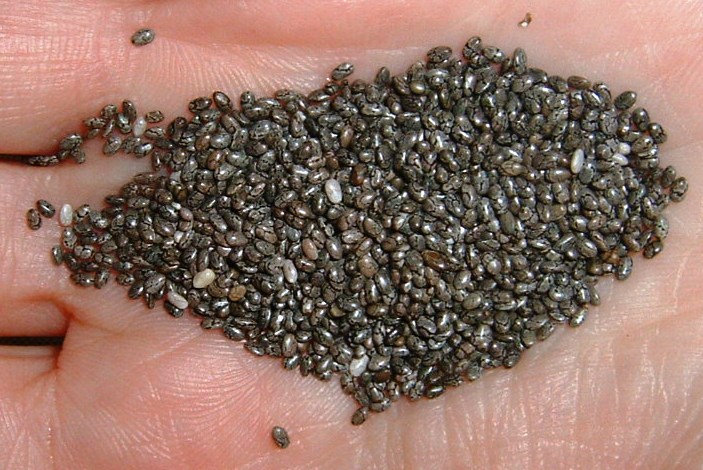
Laugh if you will, but chia seeds are the new superfood. Well, not so new, since they’ve been around since ancient times.

Chia Seeds

Chia Seeds

Yes, I’m talking about the same chia seeds that get watered on a head or little kitties and grows into a little mini landscape. Those seeds contain antioxidants, essential minerals, such as phosphorus, manganese, calcium, potassium, more iron than spinach, and more omega-3 fatty acids than salmon.  (Don’t use the ones that come in the Chia Head packages for consumption, though.)

Like quinoa, chia seeds are one of the few plant-based sources of complete protein, and have been used for hundreds of years for sustained energy. They were once a staple of Native American diets of both North and South America. In fact, I’ve read that “chia” is a Mayan word for “strength.”

Chia seeds purportedly increase strength and energy, helps retain hydration, and aids in weight loss. It’s great for diabetics because it lowers blood sugar levels. It’s also been said that chia seeds help in relieving thyroid conditions, IBS, acid reflux, hypoglycemia, and even Celiac disease.

You can use chia seeds in just about anything you would use flax seeds in: salad dressings, smoothies, yogurt, or just sprinkled on top of any dish. If you’re looking to replace eggs in baked goods, grind chia (or flax) seeds and use that in place of the eggs. The quantity depends on how many eggs are called for in the recipe, but here’s a general formula:

To replace 1 egg:
1 tablespoon chia or flax seeds—grind in a spice grinder
Mix with 3 tablespoons water

Note that products made with seeds instead of eggs will have a chewier consistency, so be judicious about what products you use them in.DSCF0002

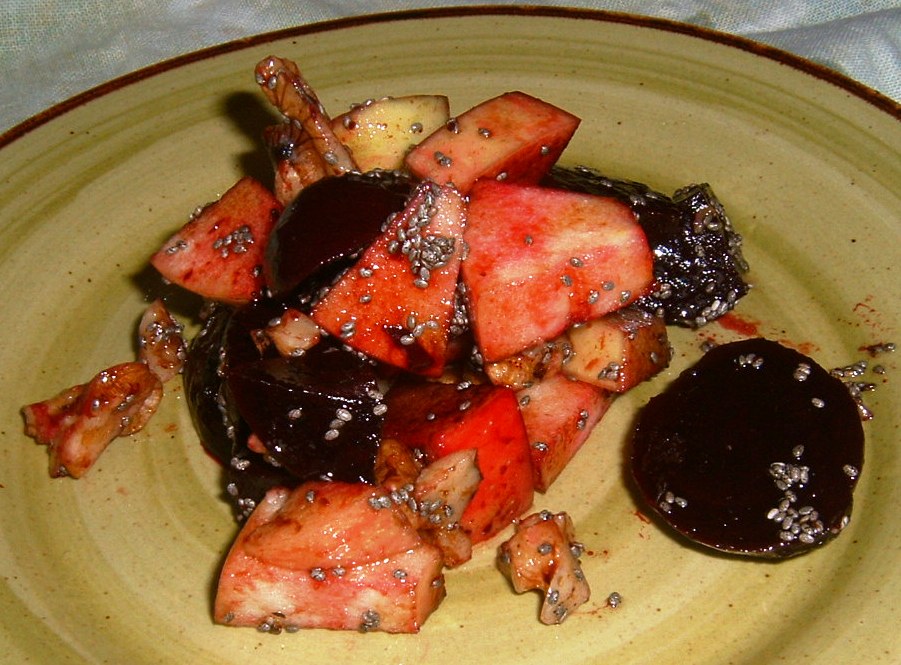
This is my recipe for Beet-Apple-Chia Salad, which I like to have for lunch. Between the walnuts and chia seeds, there’s enough protein in here to get you through the afternoon. It makes 2 portions if you’re making it to serve alongside something else. But for lunch, I eat the whole enchilada.

Beet-Apple-Chia Salad

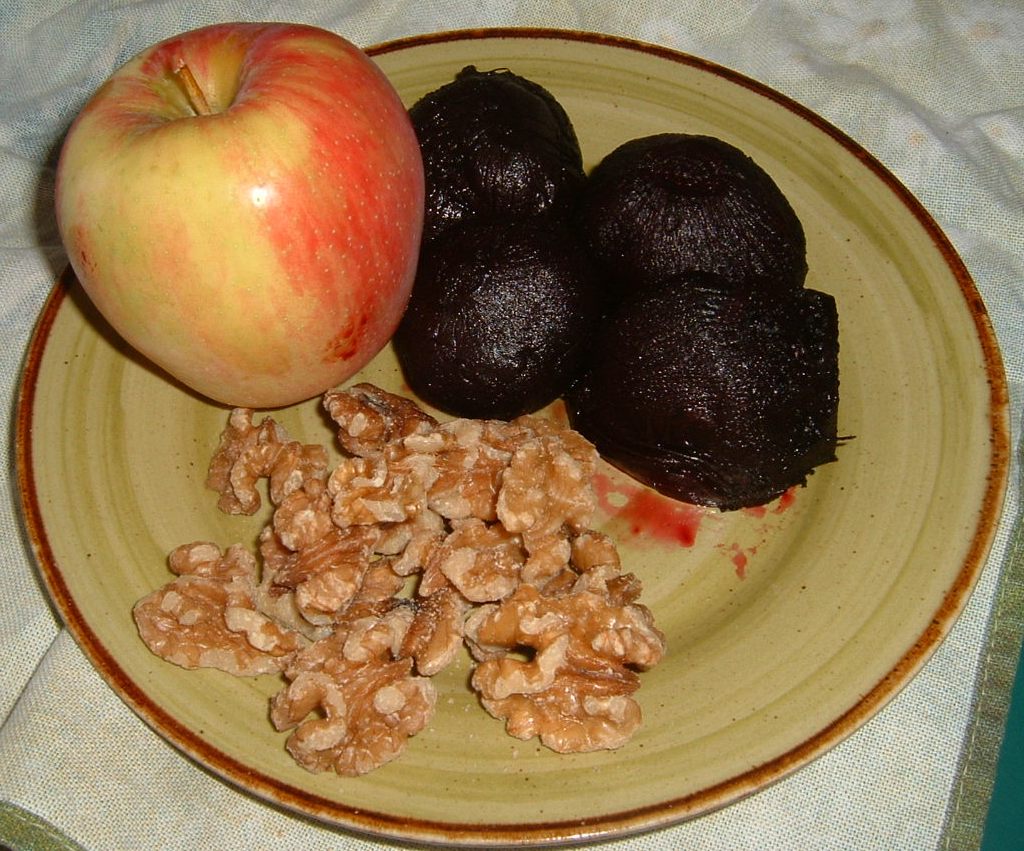
4 small beets, roasted or boiled, peeled
1 tart apple, cored but not peeled
1/3 cup coarsely chopped walnuts
1/2 tablespoon chia seeds*
1 tablespoon extra-virgin olive oil
1 tablespoon balsamic vinegar
Salt and pepper to taste

Cut the beets and apples into bite-sized pieces. Combine them in a bowl, along with the walnuts, chia seeds, oil, and vinegar. Mix well. Season with salt and pepper, if desired.

Makes 2 servings.

DSCF0007

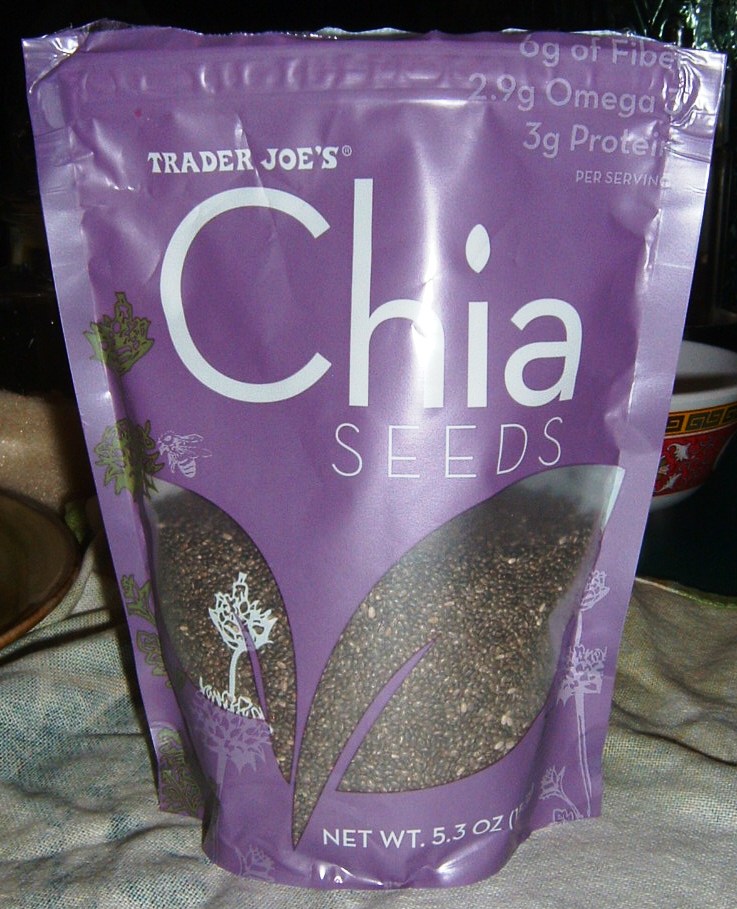
*Chia seeds can be purchased in natural/health food stores, but may also be found in larger supermarkets with an organic/natural food selection. I found my bag at Trader Joe’s.DSCF0003