Miz Chef

Cooking Up a Healthy Life


Leave a comment

Sprouted Quinoa with Roasted Vegetables and Roasted Garlic Dressing

I love cooking with quinoa. It’s not only one of the most nutritious grains—a so-called “superfood”—it’s also deliciously nutty and the texture is slightly crunchy, even while it’s tender.

If you’re already cooking with quinoa, and other nutritious grains, such as amaranth and millet, you’re doing a good deed for your body. Quinoa is one of the only grains that has protein and, of course, it’s gluten free. But if you want to take your healthy ways a step further you might want to incorporate sprouted grains into your diet. You may or may not have heard about sprouted grains, but they are now available as uncooked grains, in dried pastas, and breads, as well as other products.

So what’s the deal with sprouted grains?

Grains contain phytic acid, which is also referred to as an “antinutrient” because of its tendency to block absorption of certain minerals. Phytic acid binds to such nutrients as calcium, magnesium, iron, copper, and zinc. So, while quinoa is a good source of these nutrients, the phytic acid can block them from being aborbed into your system.

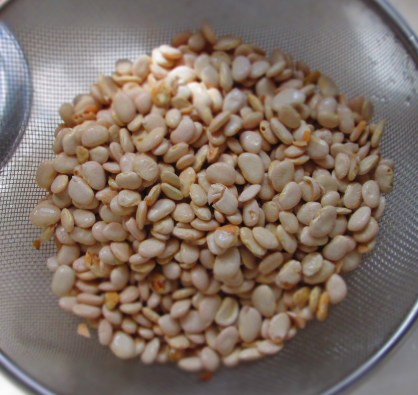
Sprouting neutralizes phytic acids, as well as enzyme inhibitors, making the grains’ nutrients more bioavailable. Essential amino acids, such as lysine, also get blocked. Quinoa is one of the few grains on earth that contains lysine, so sprouting quinoa, in particular, is advantageous. Plus, germination produces vitamin C and increases the grain’s (or bean’s or seed’s) B vitamins. Sprouted quinoa looks and tastes just like regular quinoa, except with the added benefits.

You can find packages of sprouted quinoa in health food stores, but considering how much standard supermarkets’ shelves have expanded to include products for health-conscious consumers, who knows, you might be able to find sprouted quinoa in your neighborhood supermarket—if not now, then in the near future.

Sprouted Quinoa with Roasted Vegetables and Roasted Garlic Dressing

Makes 6 servings.

1½ cups diced eggplant
3 cups diced zucchini
¼ cup + 1 teaspoon olive oil
1 teaspoon + a pinch kosher salt
Freshly ground black pepper
3 large plum tomatoes
4 garlic cloves, skin on
1 cup sprouted quinoa
¼ cup extra virgin olive oil
2 teaspoons Dijon mustard
1 teaspoon sherry vinegar
¼ teaspoon sea salt

¼ cup chopped Italian parsley

Preheat the oven to 350 degrees F. Grease a large baking sheet, or line it with foil or parchment paper. Do the same with a small baking sheet.

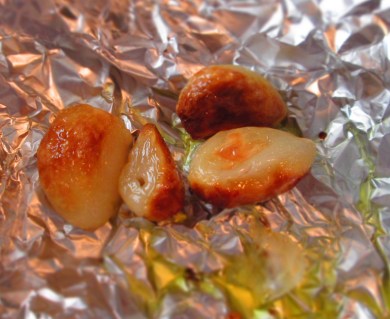
Combine the eggplant and zucchini in a bowl. Pour in 3 tablespoons olive oil, 1 teaspoon kosher salt, grind in some black pepper, and toss to coat. Spread the vegetables out on the large baking sheet. (You can line the sheet with aluminum foil or parchment, if you like.)Roast, stirring occasionally, until tender and browned, about 20 to 30 minutes.Cut the tomatoes in half and removed the seeds. Dice the tomatoes and place in a medium bowl. Toss with 1 tablespoon oil and a pinch of kosher salt. Lay the tomatoes out on the small baking sheet and roast, stirring occasionally until tender and browned, about 30 minutes.Place the garlic cloves on a piece of aluminum foil. Pour 1 teaspoon olive oil on them, and wrap the foil. Place on a small baking sheet (you can place the packet on one of the baking sheets the other vegetables are on).Roast until soft, about 20 minutes.While the vegetables are roasting, combine the quinoa with 2 cups water and a pinch of salt in a small saucepan. Bring to a boil; lower the heat to medium-low and simmer, half covered, until the water is absorbed, about 10 to 15 minutes. Remove from the heat and let sit for 5 minutes. Fluff with a fork.Unwrap the garlic. When it’s cool enough to handle, squeeze the garlic out of the skin into a small bowl. Add the extra virgin olive oil, mustard, vinegar, and sea salt. Whisk until well blended.

In a large bowl, combine the eggplant, zucchini, tomatoes, and quinoa. Add the dressing and mix well. Mix in the parsley. Taste for seasoning and adjust if needed.

Save

Save

Save

Save


Leave a comment

Roasted Spaghetti Squash with Amaranth Pilaf and Red Onions

Roasted Spaghetti SquashMore spaghetti squash? Why not? It’s squash season, after all. Squash is synonymous with autumn. img_6232

Although spaghetti squash can be found from fall through the spring, there’s something comforting and pleasurable about roasting vegetables in the fall, especially squash. And since many people aren’t sure what to do with spaghetti squash, I’ve been offering some recipes. Last week, I offered Easy Spaghetti Squash Chili. This week, I have for you Roasted Maple-Bourbon Spaghetti Squash with Amaranth Pilaf.

Cultivated by the Aztecs 8,000 years ago, amaranth is a tiny little grain that is surprisingly high in protein, as well as other nutrients. One cup of raw amaranth contains 28 grams of protein, 15 milligrams of iron, and 18 milligrams of fiber, which makes it one of the most nutrient-rich grains on earth. img_6256

Amaranth is also a great source of lysine, a protein-rich amino acid. This is good news for those of us who suffer from canker and cold sores. L-lysine has been shown to shorten the life span of canker sores. I can personally attest to this because when one of those little monsters starts making itself known, I start digging into the giant bottle of lysine, and believe me, it works.

So this dish makes the perfect side dish to any autumn meal, but because of the amaranth and almonds, it also is a satisfying entree on its own. And spaghetti squash is low in calories, low in carbs, and almost fat free, so whatever diet you may be on, you can’t go wrong with this squash. You can serve it in lovely slices, or you can scrape out the spaghetti-like flesh and eat it like a pasta dish. Continue reading


1 Comment

Easy Spaghetti Squash Chili

img_6245A few months ago I did a blog where I offered a recipe using spaghetti squash. Some people commented to me that they were glad I had done that because they never quite knew what to do with spaghetti squash.

Spaghetti squash can be used in many different ways. This week I decided to use it in a chili. And because spaghetti squash is a fast-cooking squash (about 15 minutes in a steamer), I made the entire recipe a quick-and-easy chili. You can throw this together in less than an hour.

Enjoy.

Continue reading


Leave a comment

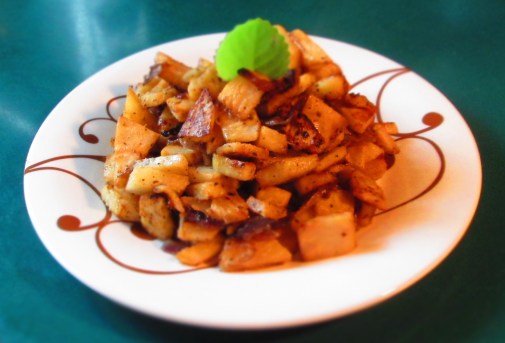
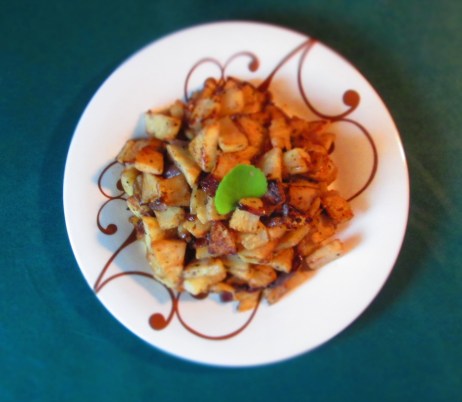
Sauteed Celery Root with Red Onion

img_6224

Celery root, or celeriac, is one of those vegetables that people don’t know what to do with when they see it. Truth is, it can be used in so many ways—essentially, in any dish where root vegetables are called for.

img_6212

Celery root, aka celeriac

You should, however, like the taste of celery. Celery root has a very strong celery flavor and if that’s not your thing, you might not like it. On the other hand, it’s also sweeter than celery, so even if celery isn’t your favorite thing, you may be pleasantly surprised. I happen to like the flavor of celery, but I don’t enjoy chomping on it when it’s cooked. So, while I add it to other foods, I always pick it out. (I do like it raw, though. Go figure.)

Will you like celery root? You won’t know until you try. Here’s a simple way to cook it. If you’ve never had it before, this is an easy introduction to it.

You can find celery root at farmers’ markets, most supermarkets, and sometimes at local produce stores.

Enjoy.

Sauteed Celery Root with Red Onion

Makes about 4 servings.

1 medium celery root
2 teaspoons olive oil
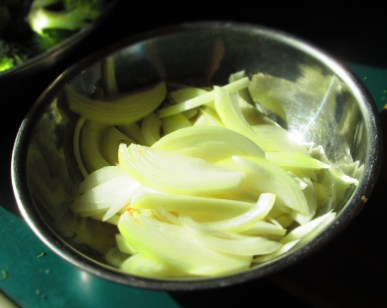
1 medium red onion, thinly sliced
1 teaspoon dry basil
1 teaspoon paprika
½ teaspoon garlic powder
½ teaspoon kosher salt
Freshly ground black pepper to taste

Peel celery root. Cut off root and stem, then slice off the skin with a vegetable peeler or sharp knife.

img_6213

Cut the celery root into wedges, then slice them into ¼-inch-thick pieces. You should get about 2 cups.

img_6214

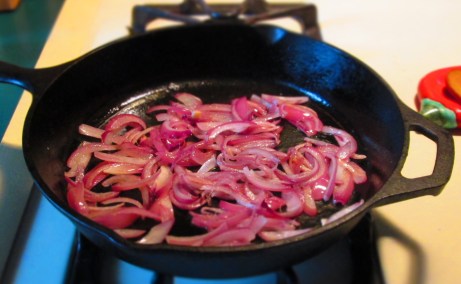
Heat the oil in a skillet. Add the onion and sauté until soft and translucent, about 5 minutes.

img_6218

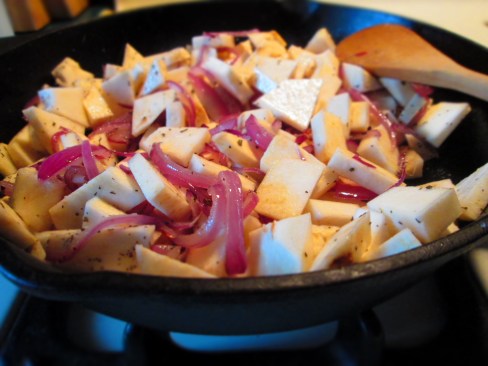
Add basil and paprika. Add the celery root, garlic powder, salt, and pepper.

img_6220

Sauté stirring occasionally, until celery root starts to brown. This could take up to 15 minutes.

Cover and lower heat, cook until tender, about 10 minutes. Taste for seasoning and adjust if necessary.

img_6225


Save

Save

Save

Save

Save


Leave a comment

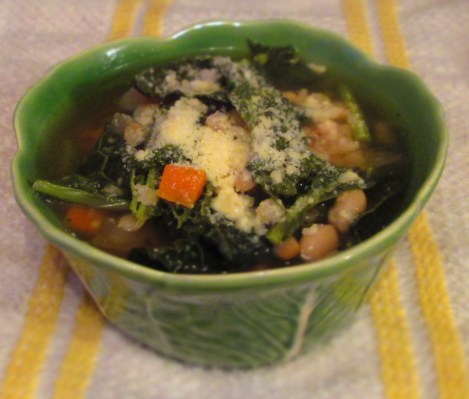
Tuscan Kale-Bean Soup with Fregola

img_6211

img_6191

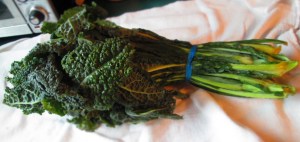
Tuscan Kale

Tuscan kale is a beautiful specimen of the kale family. The leaves are long and dainty looking, and look really pretty in a garden. But like standard kale, the leaves are hearty and the stems tough. Thick stems should be cut off and the leaves need to cook for a substantial amount of time (versus greens such s spinach or chard, which cook down in a few minutes).

Continue reading


2 Comments

White Bean Hummus with Garlic Scapes

white bean hummus garlic scapesBecause garlic scapes have such a short season (early summer), I’ve been on a garlic scape kick, using them in as many ways as I can. Last week, I made Lentils with Garlic Scapes and the week before that, I made Beet Greens with Garlic Scapes.

All delicious. But this week I decided to use the scapes in its purest form: raw.Garlic scapes Continue reading

Lentils with garlic scapes


Leave a comment

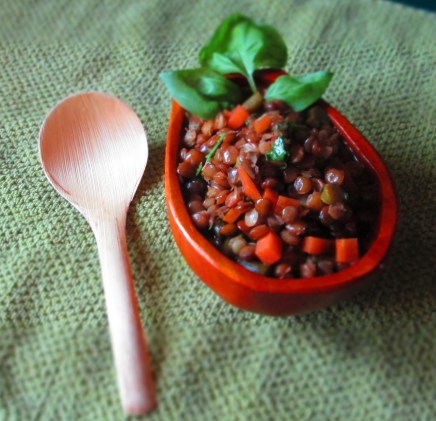
Lentils with Garlic Scapes

Lentils with garlic scapesGarlic scapes are one of summer’s treasures and if you have a farmers’ market near you, try to find some. They’re available for a short time in early summer. Scapes can be used in many different ways—basically, any way you would use garlic or onions. Last week, I used them with beet greens (very tasty!).

Garlic scapes

For this recipe, I used garlic scapes as the flavor base for lentils. Scapes lend the dish a mellow garlic-like taste but there’s more complexity to it. The addition of fresh herbs really elevate this to a gourmet meal, but the simplicity can’t be beat. The final result is so flavorful and something really special. Continue reading


Leave a comment

Whole Wheat Penne with Kale Pesto

IMG_6035When people hear the word pesto, it conjures up images of big bowls of fragrant pesto, bulbs of fresh garlic, and creamy pignoli nuts. (Doesn’t that make your mouth water?) As good as that combination is, pesto has crossed boundaries into new territory. These days, pesto can be made with a variety of ingredients.

I made this pesto with kale. Kale is great to use for pesto because not only is raw kale packed with nutrients, but it’s a sturdy vegetable that holds up very well against the blade of a processor or blender, and it’s flavorful enough to really give a sauce some heft and legitimacy.

But rather than process the greens with raw garlic, as you would with traditional pesto, I sautéed some white onion and garlic in olive oil and added that to the kale. It gave the pesto some sweetness and cut down on the sharpness that the raw garlic would give it. Of course, that sharpness is what many people love about pesto, but the thing about kale is that it’s a heavier, stronger flavor than basil and it can stand to be mellowed out a bit. I also added a handful of cooked green beans to soften the sauce further. But after all is said and done, this is still a flavorful, hearty sauce. You can use it on meats and fish, spread it in sandwiches, or add it to soups, as you would a pistou. For this recipe, I used it with whole wheat penne.

Give it a try. If you like pesto, I think you’ll really enjoy this.

Whole Wheat Penne with Kale Pesto

Makes 4 servings.

2 teaspoon olive oil
1 cup chopped white onion
3 large garlic cloves, chopped
4 cups kale
½ cup cooked green beans
½ teaspoon sea salt
Freshly ground pepper to taste
1 tablespoon extra virgin olive oil
3 cups whole wheat penne
¼ cup grated Parmigiano-Reggiano or Asiago

Heat the olive oil in a small frying pan. Add the onion and sauté until soft and translucent, about 3 or 4 minutes. Add the garlic and sauté another minute. Remove from heat.IMG_6015Place the kale in a food processor or blender.

IMG_6018Add the onion and string beans, salt, and pepper. Begin processing.

IMG_6020Feed the extra virgin olive oil through the feed tube and process until finely minced.

IMG_6023If necessary, stop the machine, scrape down the sides, and continue processing. It should only take a minute or two.

IMG_6028Bring a medium pot of water to a boil; add the pasta and cook until al dente. Drain well and transfer to a bowl. Mix in the pesto. Divide between 4 bowls, sprinkle the cheese on top, and serve.IMG_6036


Leave a comment

Fresh Chickpeas with Kale, Sweet Onions and Rice

IMG_5960

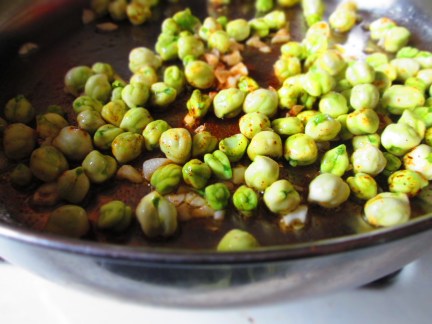
It wasn’t until a couple of years ago that I knew that fresh chickpeas—in the pod—could even be had. One day, I entered an Indian market in Jackson Heights, and there was a bin of what looked like little individual pea pods, shorter and squatter. What are these, I wondered?

The handwritten sign at the top of the bin said chana. I knew that chana meant chickpeas. What?! No way. I picked one up, popped it, and there it was. A fresh, firm, beautiful chickpea. I bought a bunch and cooked my very first batch of chickpeas right out of the shell. It was all very exciting.fresh chickeas in pod

But fresh chickpeas (also known as garbanzos) are not available all the time. In fact, they can only be found in spring. So when I saw them again, I bought some for myself and my mom (I knew she’d love them).

When you have fresh beans like this, not much needs to, or should, be done to them. Fresh beans are meaty, savory, nutty, and have a great feel in the mouth. Plump and pale green, chickpeas are packed with protein, and are a good source of vitamin C, calcium, and iron. They’ve been shown to be a great food to help fight diabetes, hypertension, heart disease, cancer, high cholesterol, and inflammation, and promote healthy digestion.IMG_5976

Between the chickpeas and the kale, this dish is not only filling and delicious, but healthy, substantial, and physically satisfying. The addition of the rice (whatever kind you like), rounds it out for a truly filling meal.

Enjoy!

Fresh Chickpeas with Kale, Sweet Onions and Rice

Makes 2 servings

2 teaspoons olive oil
3 large garlic cloves, minced
½ teaspoon paprika
1 cup fresh chickpeas
1 cup chopped sweet onion
1 teaspoon kosher salt
1 cup vegetable broth
3 cups chopped kale
1 cup cooked rice
¼ cup grated parmigiana (optional)

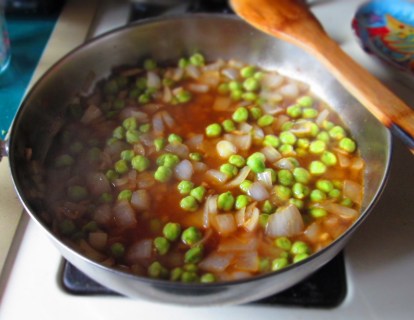
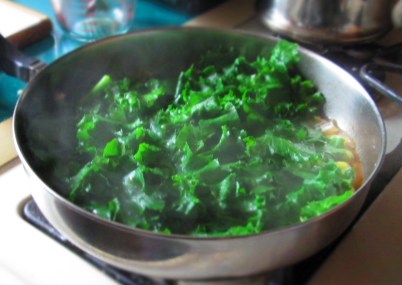
In a wide skillet, heat the oil with the garlic. When the garlic is fragrant, add the paprika and chickpeas. Sauté 5 minutes.IMG_5981Add the onion and ½ teaspoon of the salt. Continue sautéing until the onion is soft and translucent, about 5 minutes.IMG_5983Pour in the broth, then add the kale and remaining salt. Cover and cook until kale is tender, about another 5 to 7 minutes. Stir occasionally. Taste and adjust seasoning, if needed.IMG_5984IMG_5986Transfer vegetables to 2 bowls and stir ½ cup rice into each. Top with a little parmigiano, if desired.IMG_5992


Leave a comment

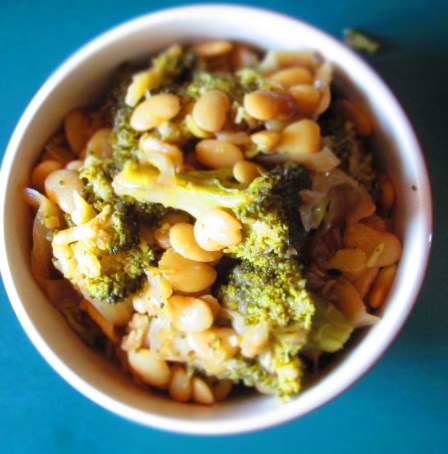
Broccoli and Beans Braised in Saffron Broth

IMG_5923

IMG_5917

Saffron

I’ve been so busy lately that I have a stack of magazines that have been piling up, waiting to be read. I finally read the holiday issue of Saveur magazine. There was an interesting article in there by Andy Isaacson about saffron. What made this particular article different was that it talked about domestic saffron, and, in particular, saffron grown by the Pennsylvania Dutch.

Skunky saffron

Skunky saffron

Yeah. Who know that Amish people grew saffron? Apparently, it’s part of their heritage. And that got me thinking about how very little Americans use saffron, while in some cultures it’s an integral part of their cuisine. Of course, cost is a factor—saffron is the most expensive spice in the world (anywhere from $1500 to 10,000 per pound). I almost laughed myself silly when I saw some saffron in an Asian market for $1.99. It was the skunkiest saffron I’d ever seen and wondered what it really was (it looked like singed gorilla hair).

Well, that in turn reminded me that I still had some great saffron that my brother brought me from Morocco, and I was inspired to use it in this dish. In this recipe, you have protein, heart-healthy vegetables, and the exotic saffron to give it a special flavor, aroma, and color. Enjoy!

Broccoli and Beans Braised in Saffron Broth

2 cups dry white beans
3 cups vegetable broth
Pinch of saffron
1 large head broccoli, cut into large florets
1 large onion, sliced
3 or 4 large garlic cloves, crushed
1 teaspoon kosher salt
Freshly ground black pepper to taste

IMG_5912IMG_5914

Clean the beans by rinsing them and picking out any stones or debris. Place them in a medium saucepan pot and cover with water by about 3 inches; bring it to a boil. Let it boil for about 2 minutes, then shut the heat and let the beans set for about an hour. IMG_5909

IMG_5910

Preheat the oven to 350 degrees F. Crush the saffron into the broth and let it sit for a few minutes.

Drain the beans.

IMG_5918

Transfer the beans to a large casserole dish. Pour in the broth. Combine the broccoli, onions, salt, and pepper and place them on top of the beans. Cover with aluminum foil. Bake for 1 hour.IMG_5919

Stir the contents, and bake another 20 minutes to thicken. If it seems dry at this point, add another 1 cup of broth or water.IMG_5921

Serve with brown rice or noodles.IMG_5924