Miz Chef

Cooking Up a Healthy Life


Leave a comment

Tomato-y White Beans

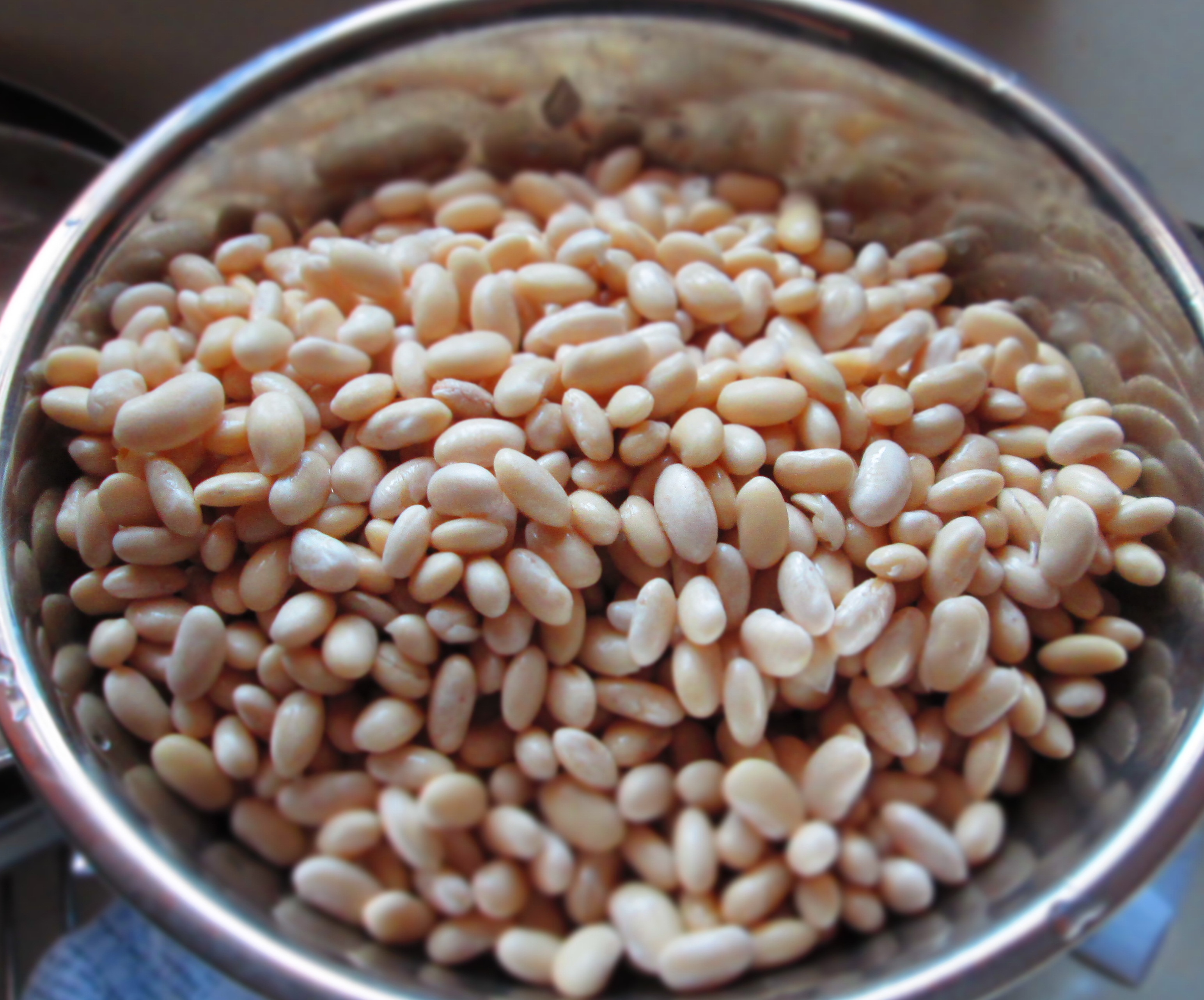
IMG_5305Sometimes you go through your pantry or refrigerator and see a bunch of stuff that you know you have to use or it will go bad. It’s been that way with me and all of these dried beans I realized I had. And since it’s summer, I also find myself with a steady influx of tomatoes.IMG_5298

I’m a whiz at utilitarian cooking. And I say that because it really doesn’t take much to be a whiz at utilitarian cooking. You basically just throw a bunch of stuff you have together and that’s it. And, usually, it works out better than any pre-meditated, planned, plotted, and plated dish you can conjure.

Okay, sometimes it doesn’t work out, but it usually does. I wouldn’t tell you about the stuff that doesn’t work out, anyway.

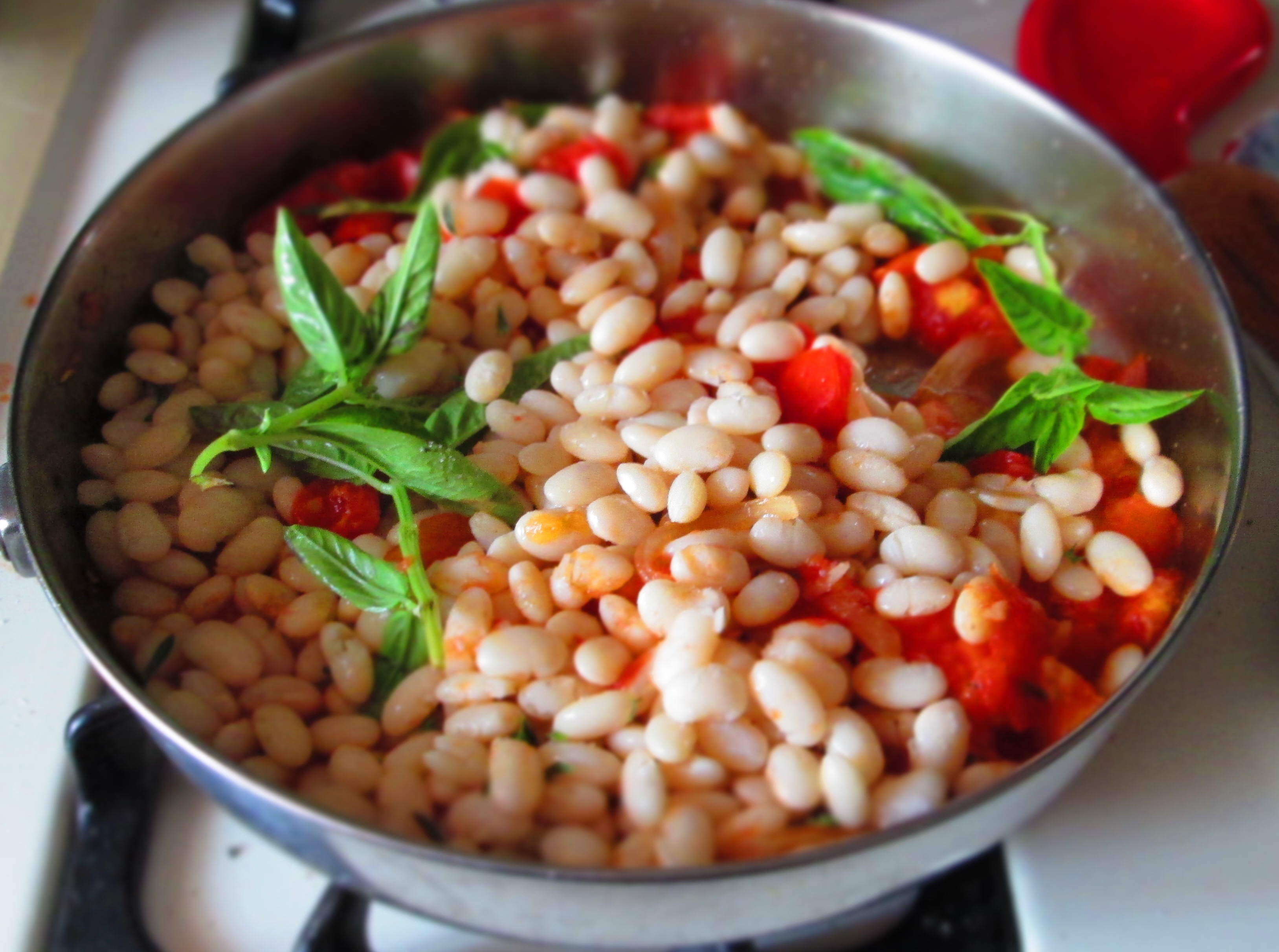
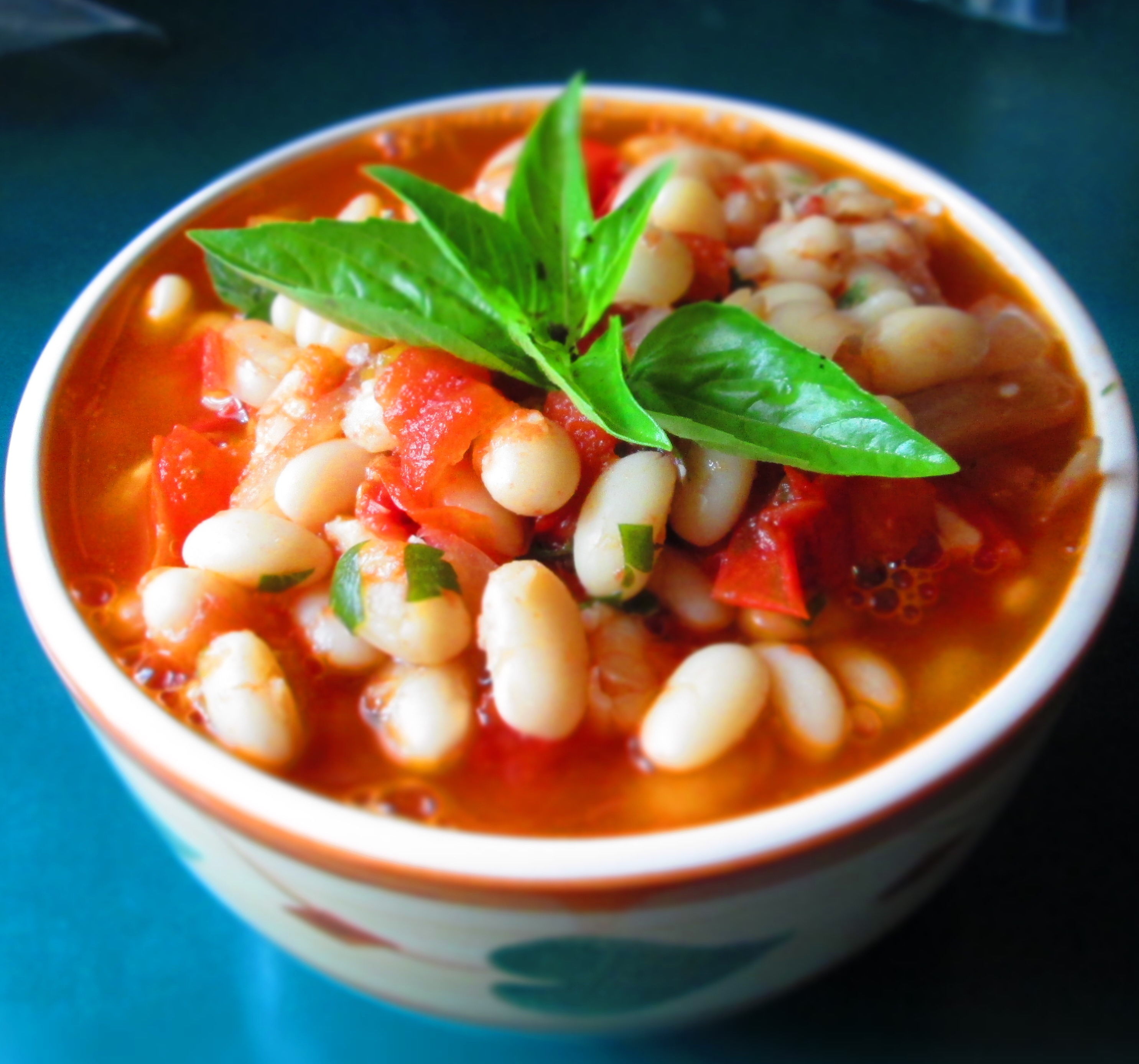
So, I cooked up a mess of Great Northern beans, added some fresh tomatoes from my mother’s garden, and got this: tomato-y white beans. It’s really simple, so I hope you give it a try.

Tomato-y White Beans

Makes about 6 servings.

1½ cups dried Great Northern beans
2 bay leaves
4 large garlic cloves
½ large onion, sliced
2 teaspoons kosher salt
2 teaspoons olive oil
¼ cup white wine
3 or 4 medium tomatoes, seeded and chopped
Freshly ground black pepper
1/2 cup vegetable broth
Fresh herbs (whatever you have available)

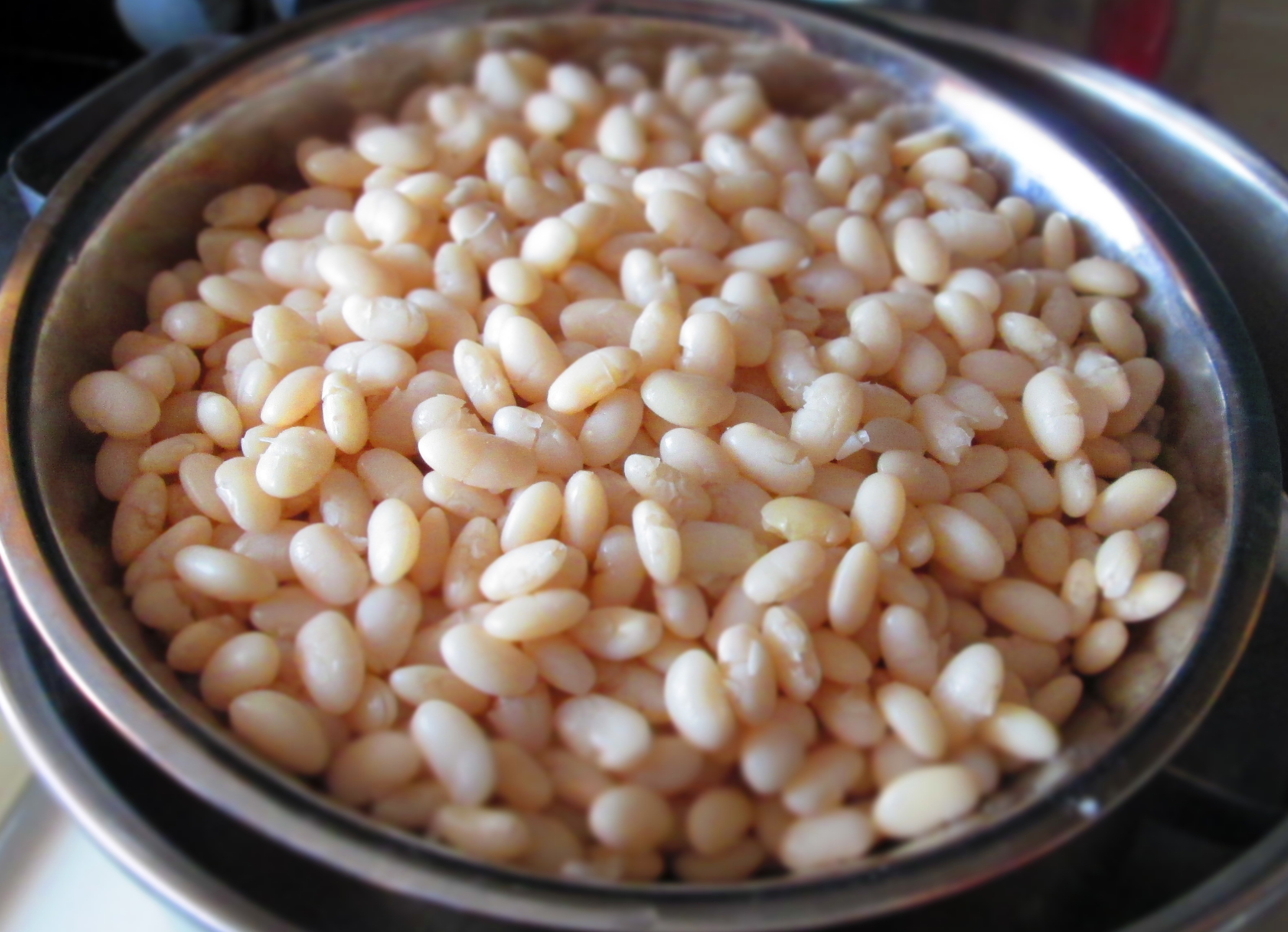
Place the beans in a bowl and cover with water by about 3 inches. Cover and soak overnight.IMG_5297The next day, drain the beans and place them in a medium pot. Add water to cover by about 2 inches. Add the bay leaves. Smash two of the garlic cloves and add them to the pot, along with half the onion, and 1 teaspoon of the salt. Bring to a boil. Lower the heat to low; partially cover the pot, and simmer until the beans are tender but still firm, about 45 minutes.IMG_5299Drain the beans in a colander and remove the bay leaves and garlic and discard. Finely chop the rest of the garlic.IMG_5300Heat the oil, in a wide pan. Add the rest of the onion and cook until translucent. Add the garlic and sauté one more minute. Add the wine and let it cook until it’s evaporated. Add the tomatoes, the rest of the salt, pepper and sauté 5 minutes.IMG_5302Add the beans, broth, and herbs (I had basil, savory, and parsley), and cook for about 5 minutes, or until it thickens.IMG_5303IMG_5304You’re ready to eat. Have it over rice, pasta, or with crusty bread. IMG_5306


2 Comments

Umbrian Cicerchia Soup

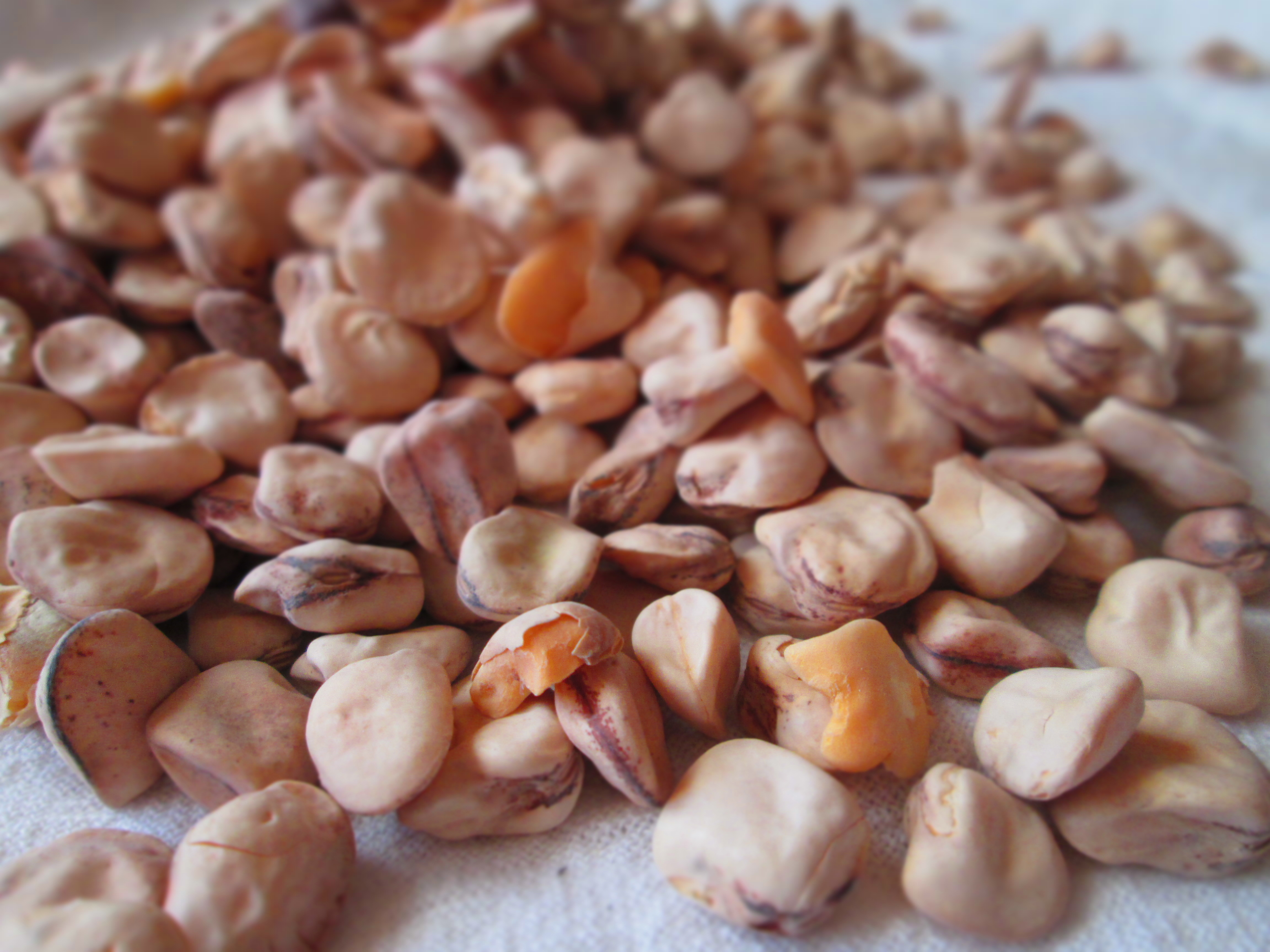
cicerchia soupThere’s one thing I love about Eataly, the Italian market in Chelsea in New York, and it’s not the prices. It’s the fact that you can get products that have been imported from Italy, things that you wouldn’t otherwise find, at least not easily.IMG_5261

During one particular perusal of the market, I found cicerchia, an Umbrian hybrid of chickpeas and fava beans. Ceceri means chickpeas, so I imagine that cirechia is a playful word meaning “in the realm of chickpeas.” Italians love playing with their words almost as much as their food.

It’s probably a good thing, though, that cicerchia isn’t available widely. According to Vorrei Italianfood, they contain a neurotoxin and should not be eaten every day over a prolonged period of time (alhough I don’t know what that means.)IMG_5245

I wasn’t sure what to do with them, though, as this was not a common product, at least not in the region where my family is from (Basalicata). Ultimately, I decided to use them in a typical Umbrian dish: chickpea soup.

If you’re able to get your hands on cicerchia, try this recipe—it’s light but filling and scrumptious.
Continue reading


4 Comments

Chinese Celery Soup

Continue reading


Leave a comment

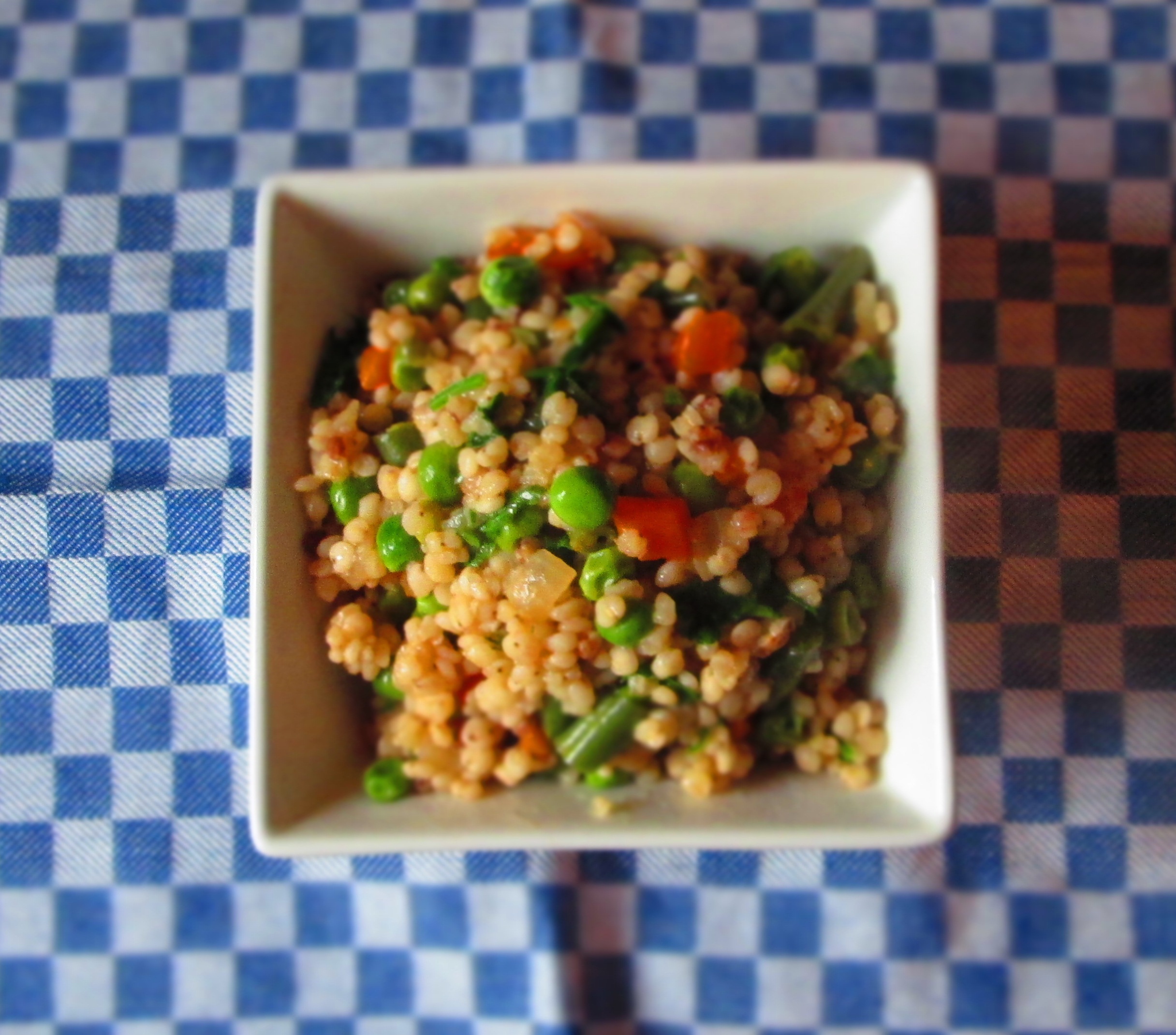
Garlic Scapes with Fresh Peas & Israeli Couscous

IMG_5159Garlic scapes come around once a year for a short period of time and I’ve generally only seen them at farmer’s markets. So when I do see them, I make sure to grab some.

The first time I bought garlic scapes, I used them raw in a pesto. It was delicious but incredibly strong. Very garlicky. So after that, I used them only cooked.IMG_5110When I was at the farmer’s market this past week, I not only found garlic scapes, I found fresh peas as well (also quick to come and go at the market). I decided to combine them with some whole wheat Israeli couscous and the result was fabulous.

IMG_5118Here’s the recipe. I guarantee you’ll love it.
Continue reading


Leave a comment

Sautéed Rainbow chard with Roman Beans

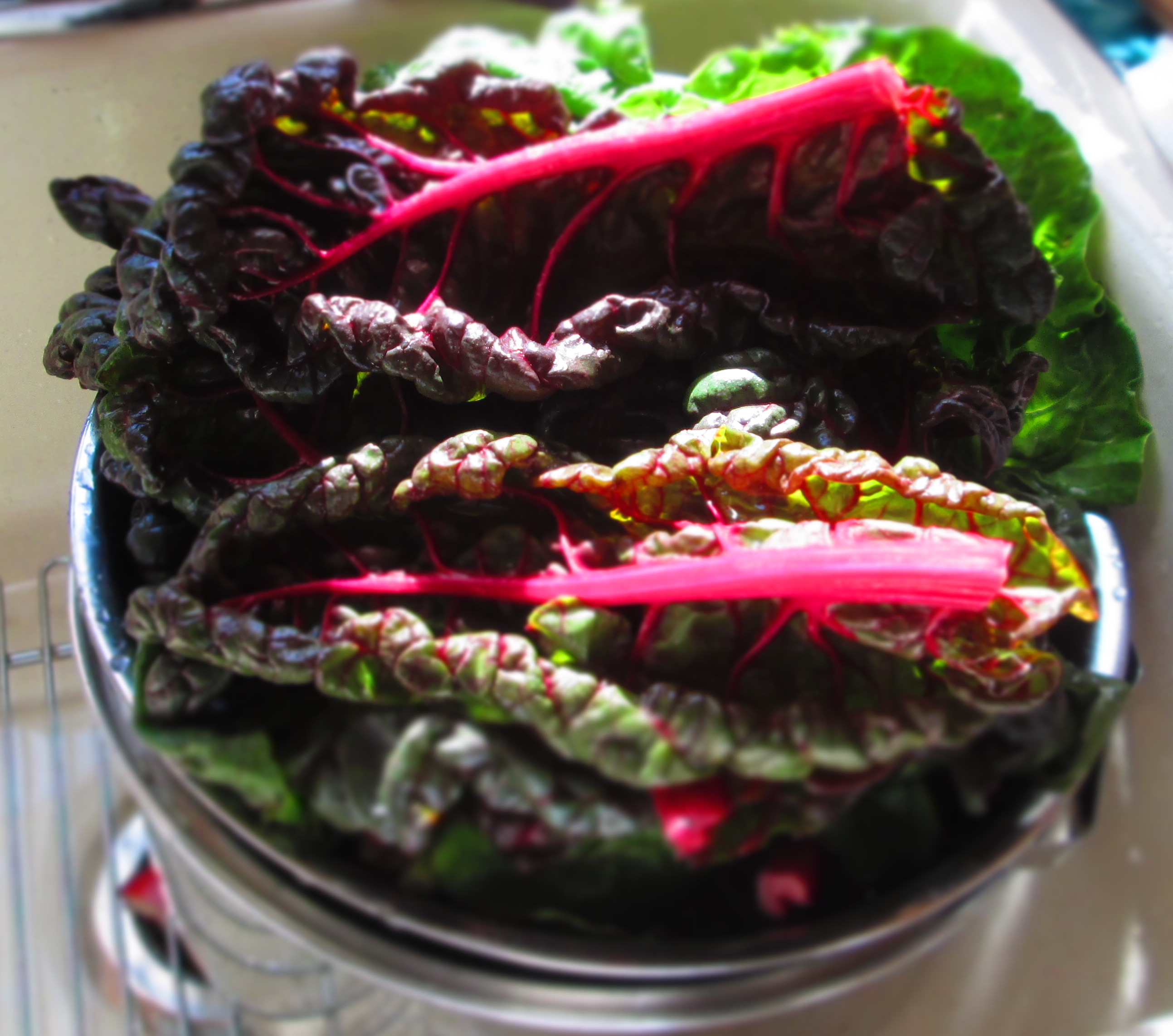
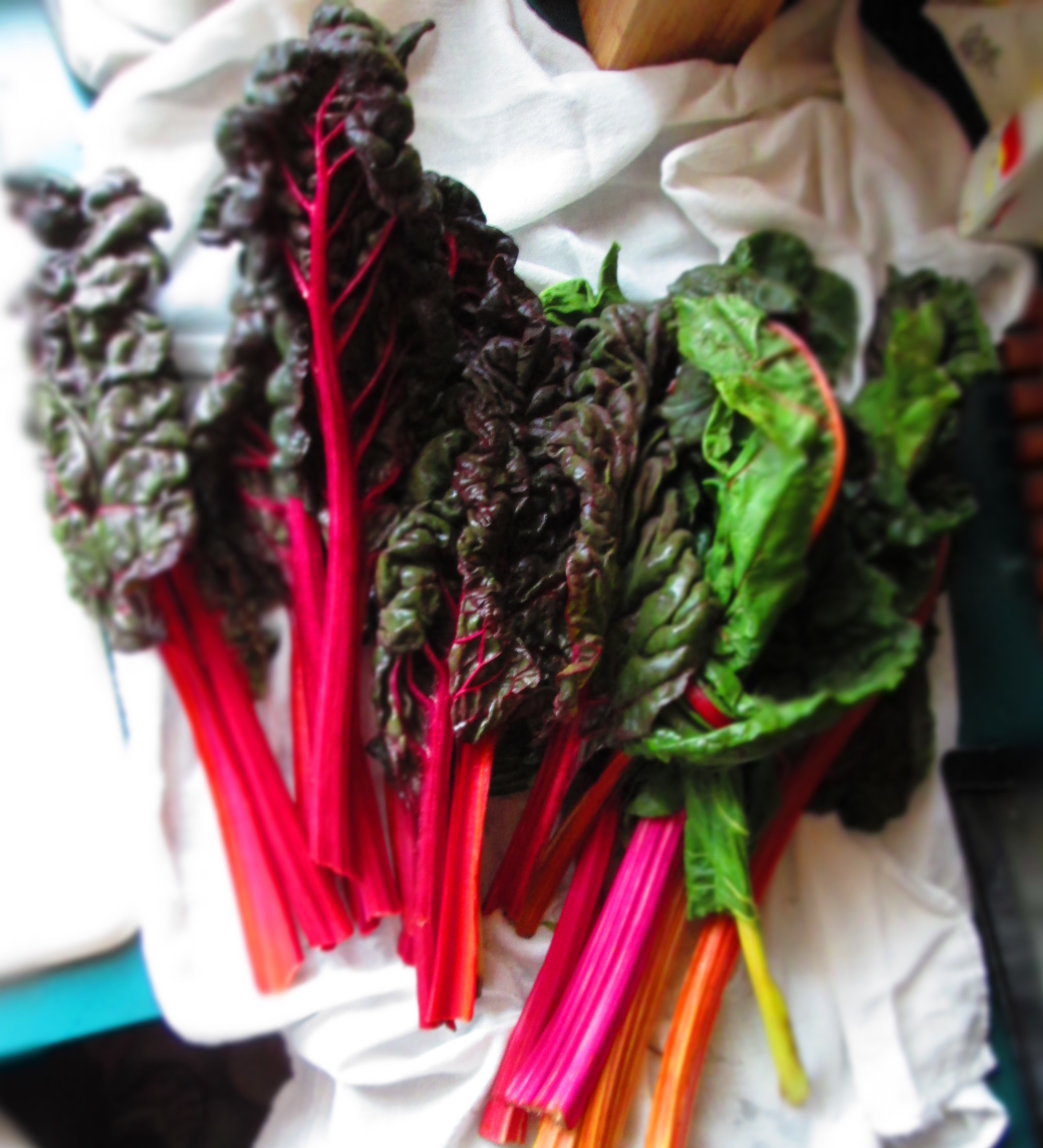
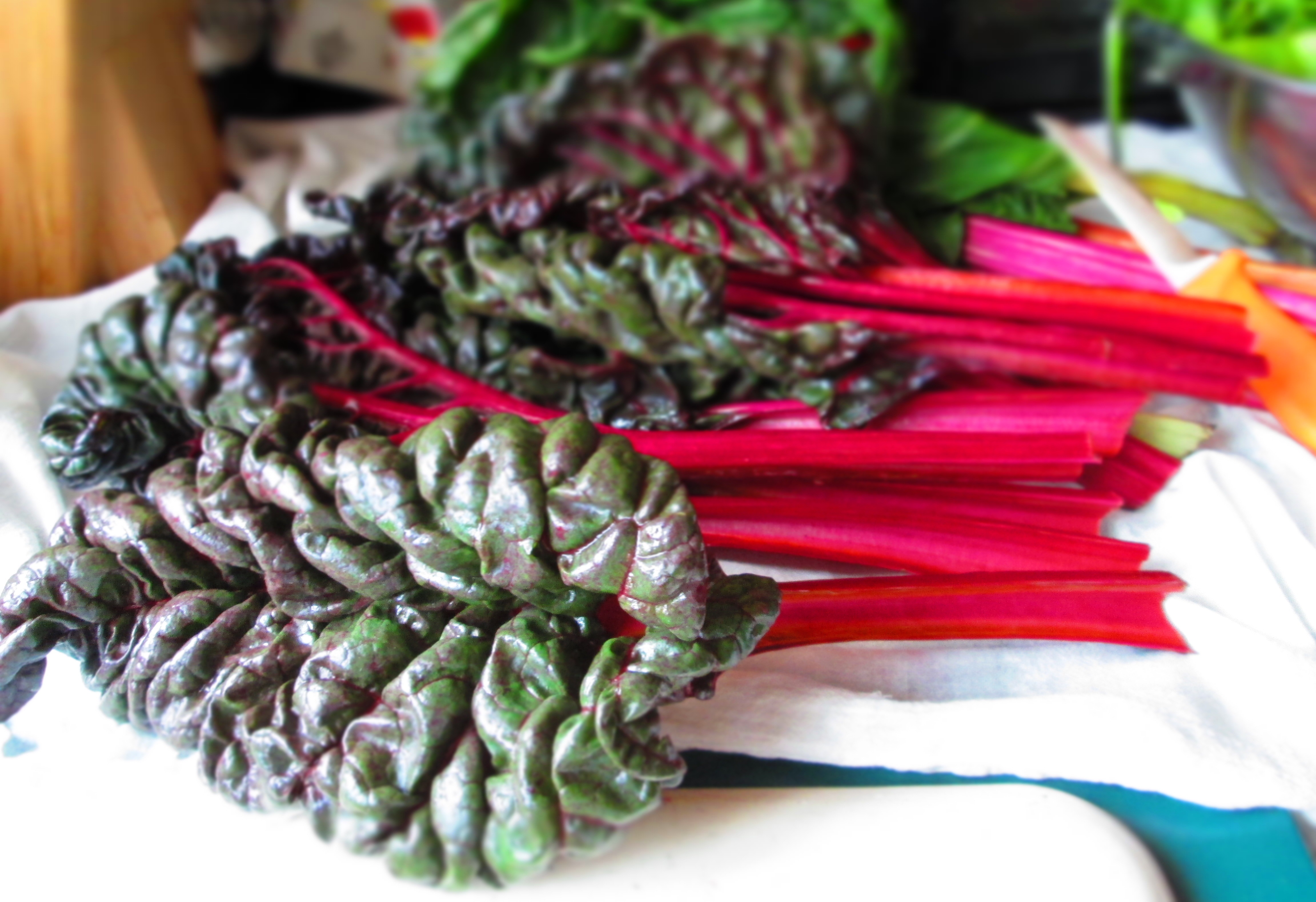
IMG_5114I found the most beautiful rainbow chard at the farmer’s market this week. In fact, it was so beautiful, I hated to cook it. The leaves were so plump and full and the stems so colorful and vivid, I wanted to just look at them all day. They were ruby red, fuchsia, lemony yellow, and light orange. Nature does stunning work.IMG_5081IMG_5087But, alas, uncooked chard soon becomes not so beautiful. So cook it, I must.
Continue reading


2 Comments

Roasted Cabbage

IMG_5071Roasting is probably my favorite way to prepare vegetables. They get golden brown, charred here and there, and caramelized for sweet, intense flavor.

I have never, however, tried roasting cabbage. It’s just never occurred to me. So, I had this head of cabbage sitting in my refrigerator and I was trying to decide what to do with it. Cabbage has may possibilities—I could boil it, steam it, saute it, make soup with it… But I was bored with all those options. I wanted to do something different.

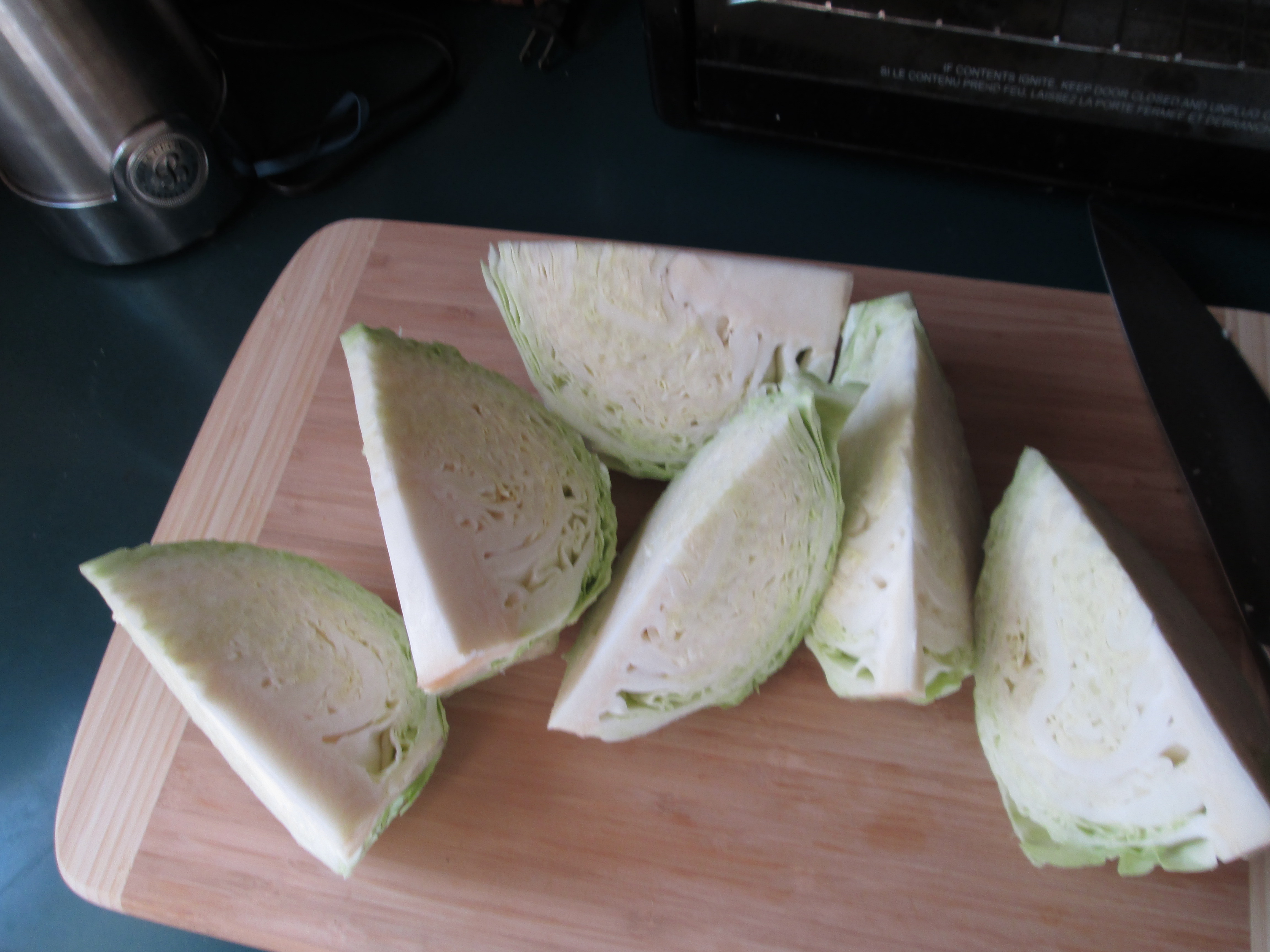
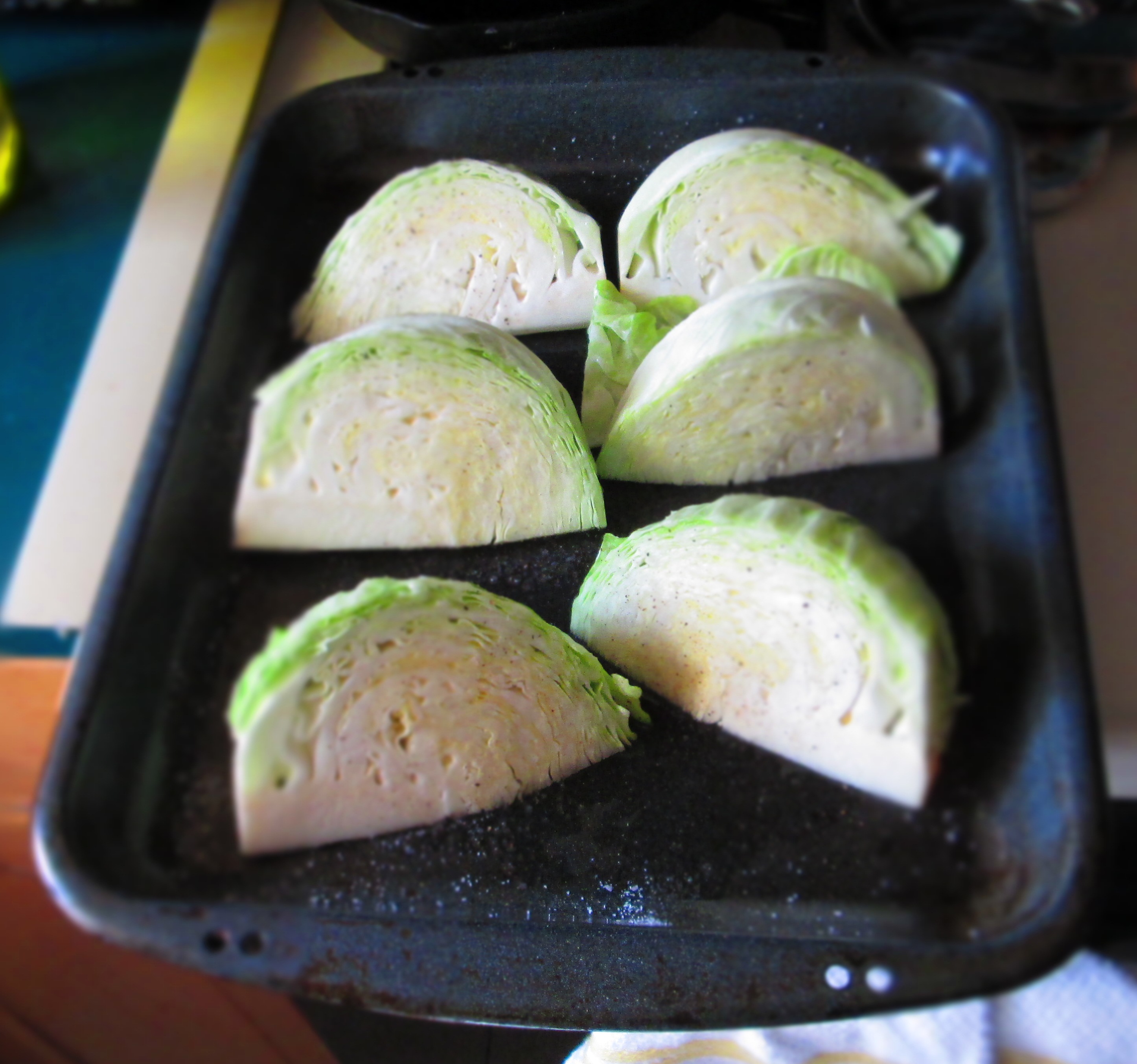
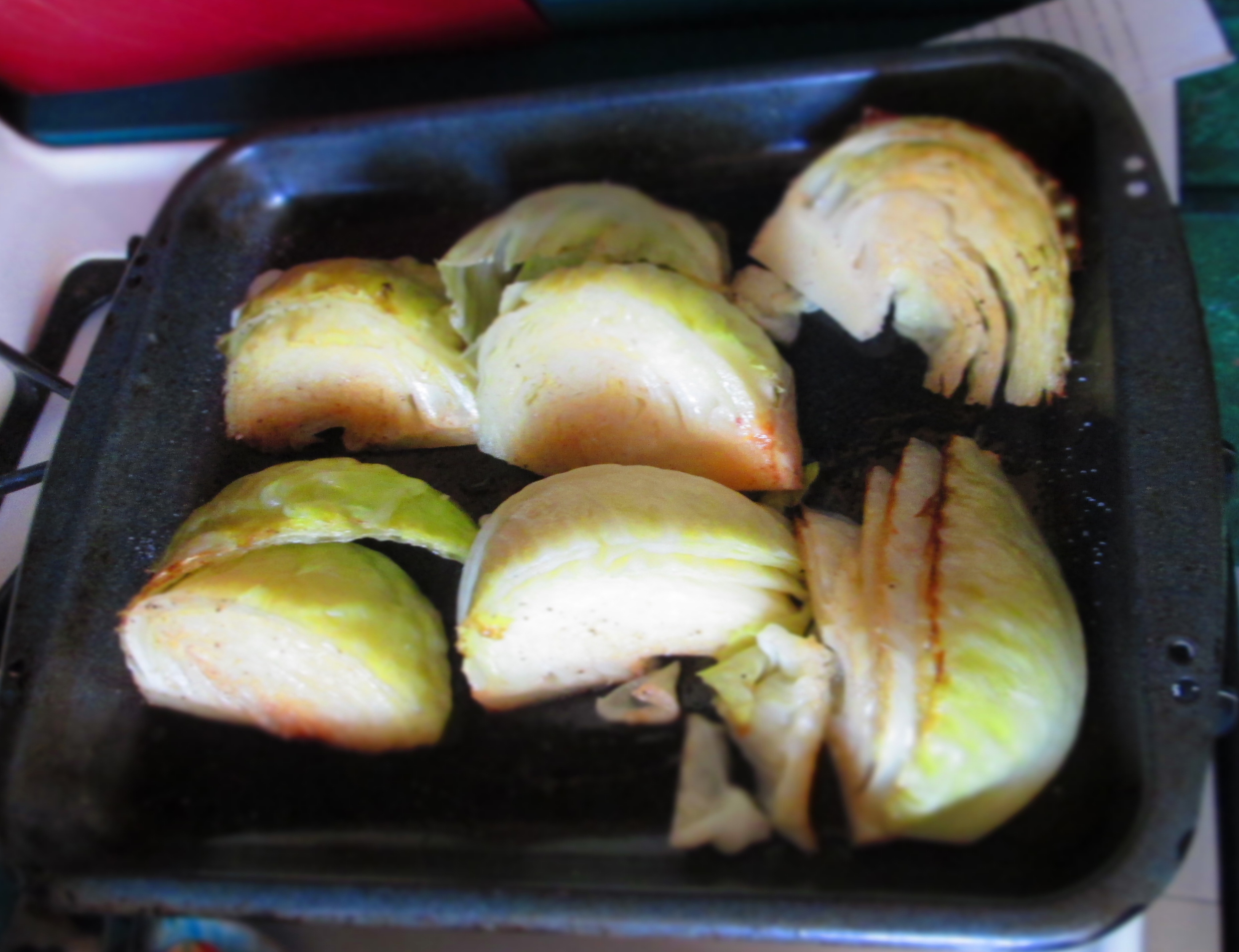
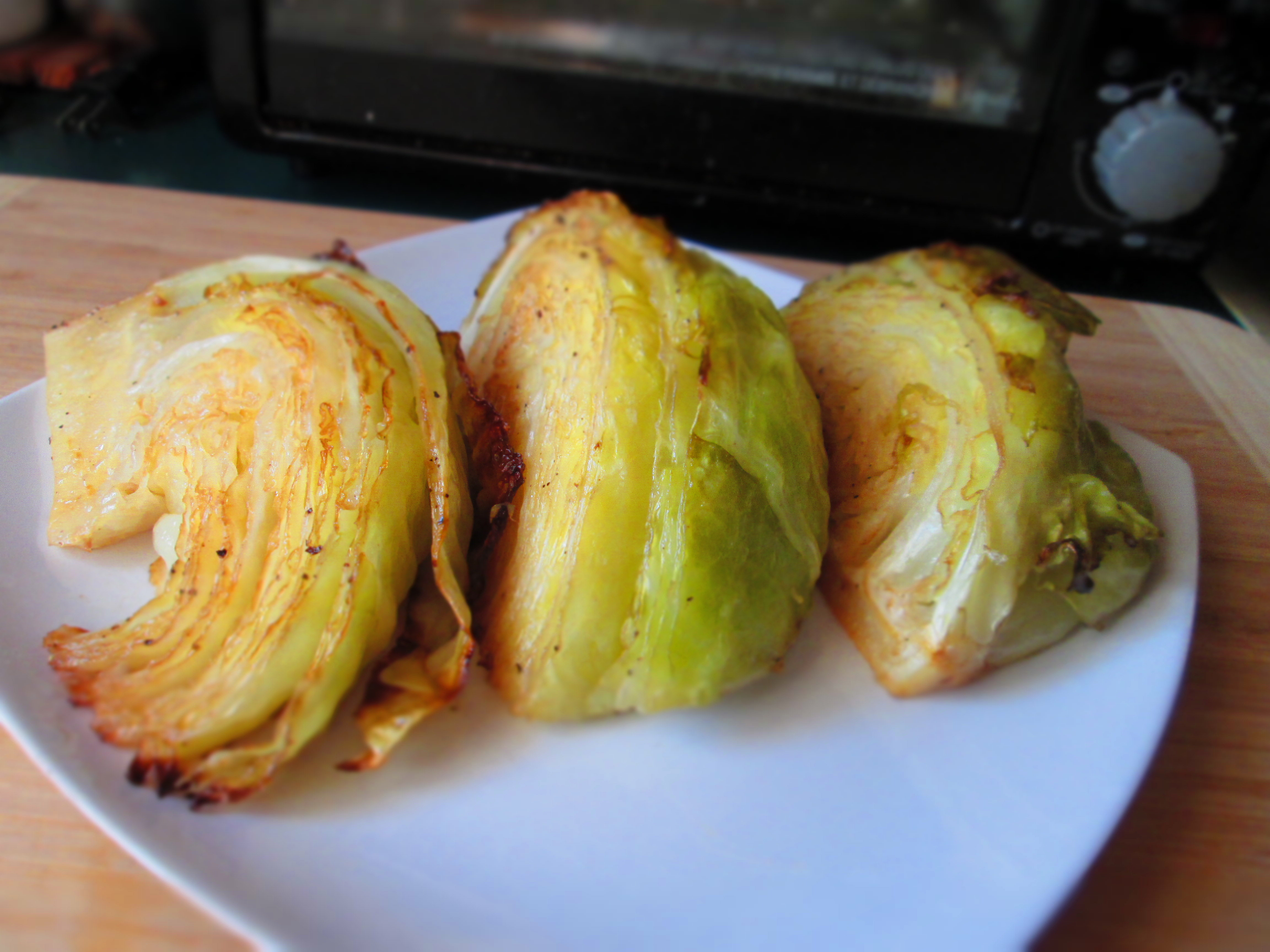
And that’s when it hit me. Roast it. I cut it up, coated the pieces with olive oil, salt, and pepper. Then I roasted them at 350 F. The result? Delicious. The cabbage was tender, toasty brown, and so flavorful. I ate it all week long.

Here’s what I did. Give it a try.

Roasted Cabbage

Preheat the oven to 350 degrees.

Cut the cabbage in half through the core, then each half in thirds. (If you have a particularly large cabbage, you may want to cut the pieces even further.)IMG_5059Lay the pieces a baking sheet. Pour ¼ cup olive oil over the pieces and use your hands to coat them thoroughly. Sprinkle them with salt and pepper.IMG_5067Cover with foil and bake for 15 minutes.IMG_5068Turn the pieces over and cover again with foil. IMG_5070Bake another 15 minutes.Uncover the pan and roast 10 to 15 minutes, or until tender (it will depend on the size of your pieces).IMG_5075


2 Comments

Bok Choy 2 Ways

IMG_4972Bok choy is part of the brassica family, also commonly called cruciferous vegetables. Other members of the brassica family are broccoli, cauliflower, cabbage, and Brussels sprouts. Cruciferous vegetables are known for their many health advantages, such as fighting cancer, heart disease, osteoporosis, strokes, and bad cholesterol. They are high in soluble fiber, antioxidants (vitamin C and beta-carotene), and the B vitamins.

Most Americans are familiar with bok choy as a vegetable in their stir fries. But it’s also great as a side dish on its own. Here are two very simple and quick ways to prepare bok choy to have with rice or noodles or on the side of just about any entrée.

There are many different types of Asian cabbages, and in an Asian market, you will find many different kinds side by side. All of them can be prepared in these two ways.

For 1 pound bok choy, wash thoroughly (grit gets trapped inside the leaves).

Recipes make approximately 6 servings. Enjoy!

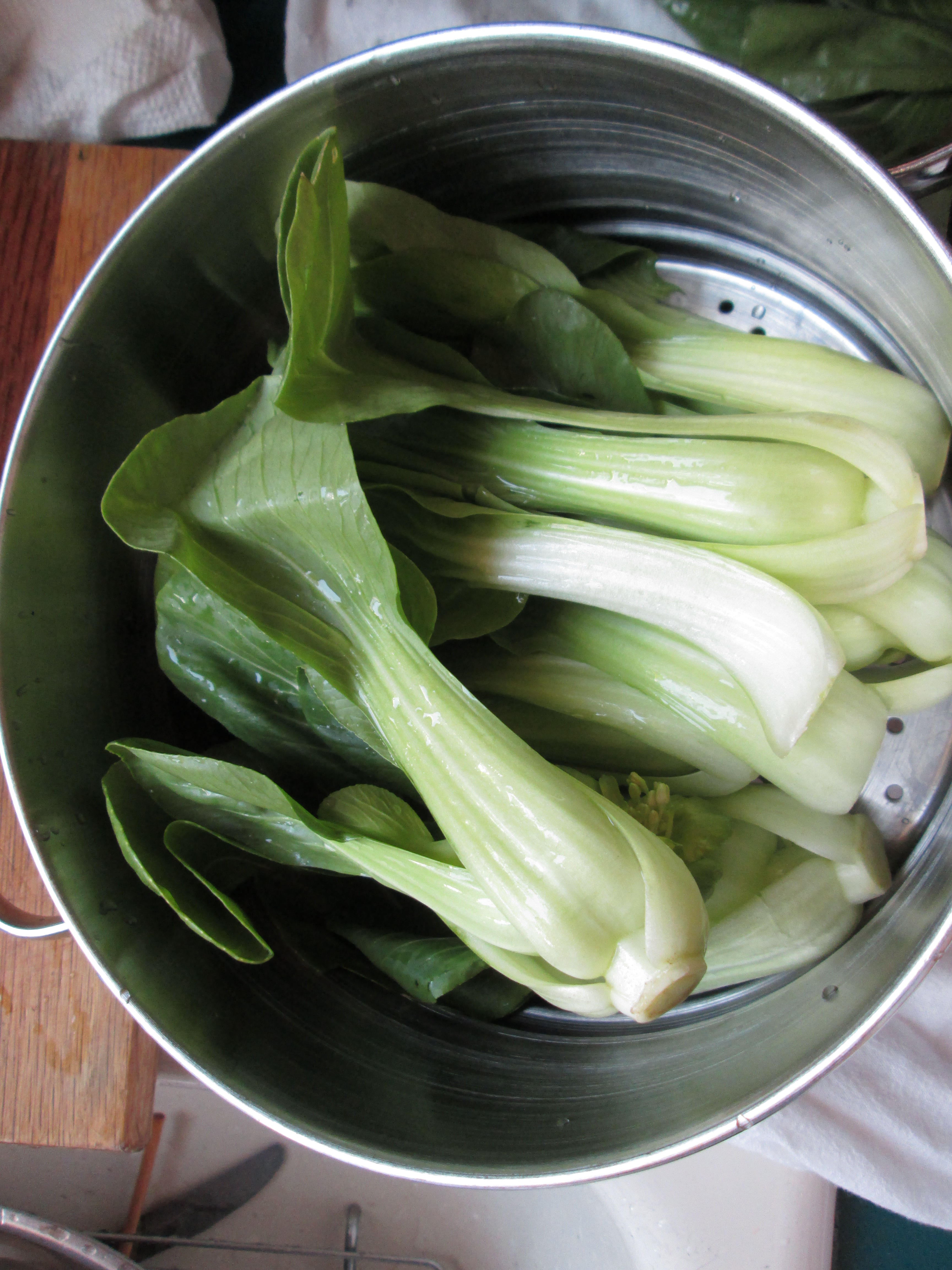
SteamedIMG_4968

Bring about 1 to 2 inches of water to a boil in the bottom of a steamer pot. Place bok choy in the steamer rack. Lower the heat to medium-low and simmer until bok choy is tender when pierced with a fork, about 10 minutes.Transfer to a serving plate. Sprinkle with salt and pepper, as desired. Drizzle with 1 tablespoon toasted sesame oil. Serve hot.IMG_4977

Roasted

Preheat oven to 350 degrees. F.

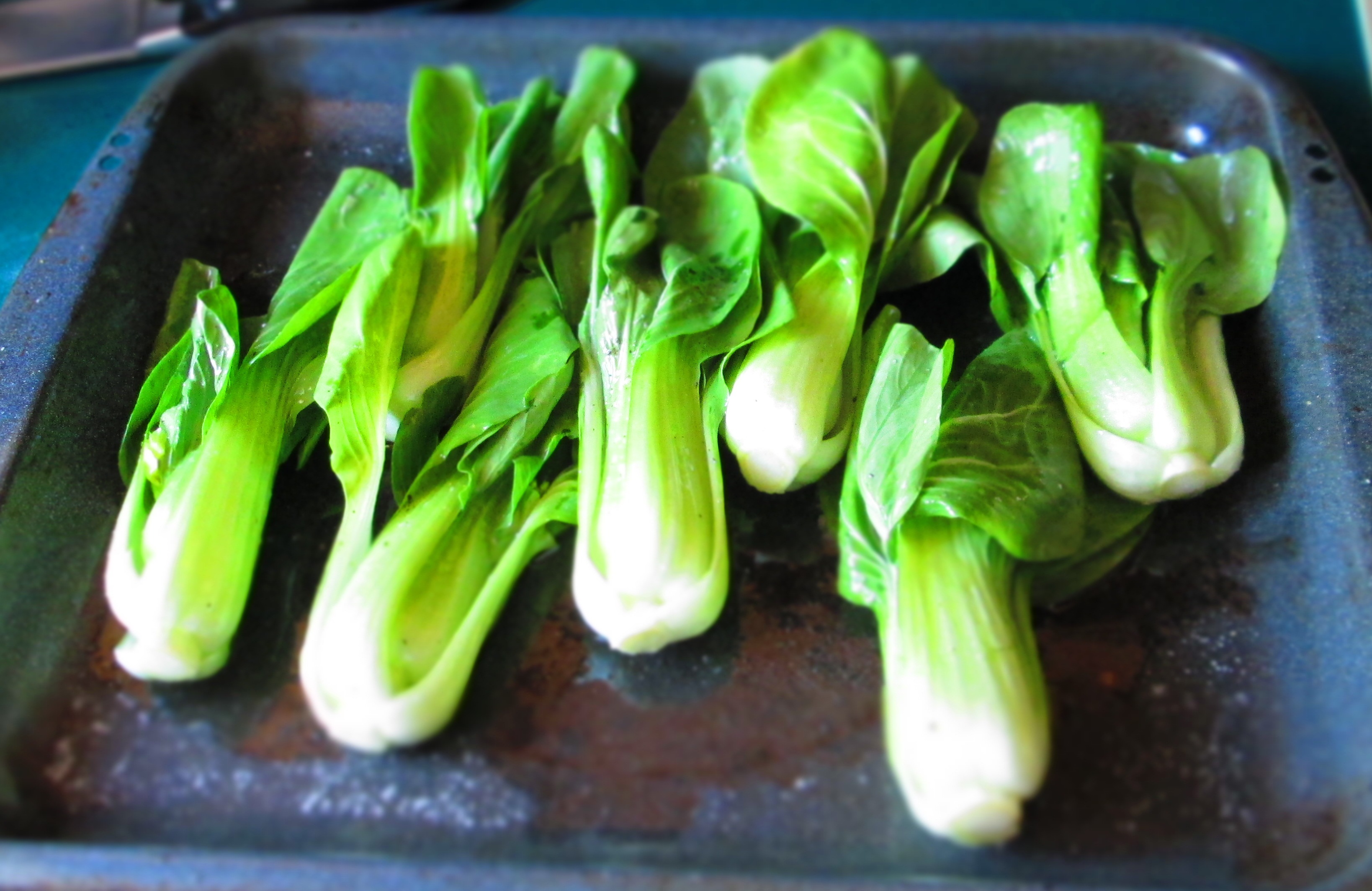
Thoroughly dry bok choy on kitchen towels. Place bok choy in a roasting pan. Pour about ½ cup olive oil over them, 2 teaspoons kosher salt, and freshly ground black pepper to taste. Mix everything together with your hands, making sure that all bok choy leaves are coated with oil. Spread them out as evenly as possible in the baking pan.IMG_4974

Roast until they’re tender and begins to brown, about 10 to 15 minutes. Turn them over and roast another 5 minutes to brown other side. Transfer to a serving platter. Serve hot. IMG_4981


4 Comments

Almond-Lucuma Cake

IMG_4798 _V2

Photo: Akramm via Wikimedia Commons

Photo: Akramm via Wikimedia Commons

If you haven’t heard of lucuma, it’s because it’s a fruit indigenous to Peru, Chile, and Ecuador that hasn’t really had much play outside of its native region, especially since it only thrives in subtropical climates. It has a dark green skin, and a pit (sometimes two) that look like avocado pits. Its yellow flesh is dry and often compared to hard-boiled egg yolk, and its mild flavor has been likened to maple syrup, caramel, and sweet potatoes.

Indigenous Andean peoples used lucuma not just as food but medicinally as well. The Incas believed it to be a symbol of fertility and creation and it was dubbed “Gold of the Incas.” Modern studies of lucuma show that the fruit contains beta carotene, iron, zinc, vitamin B3, calcium, and protein. It aids in warding off heart disease and hypertension, maintaining skin health and blood sugar levels (and it is hoped that it will help people with diabetes), and supporting healthy digestion.lucuma[1]
Continue reading


2 Comments

Split Chickpea Soup

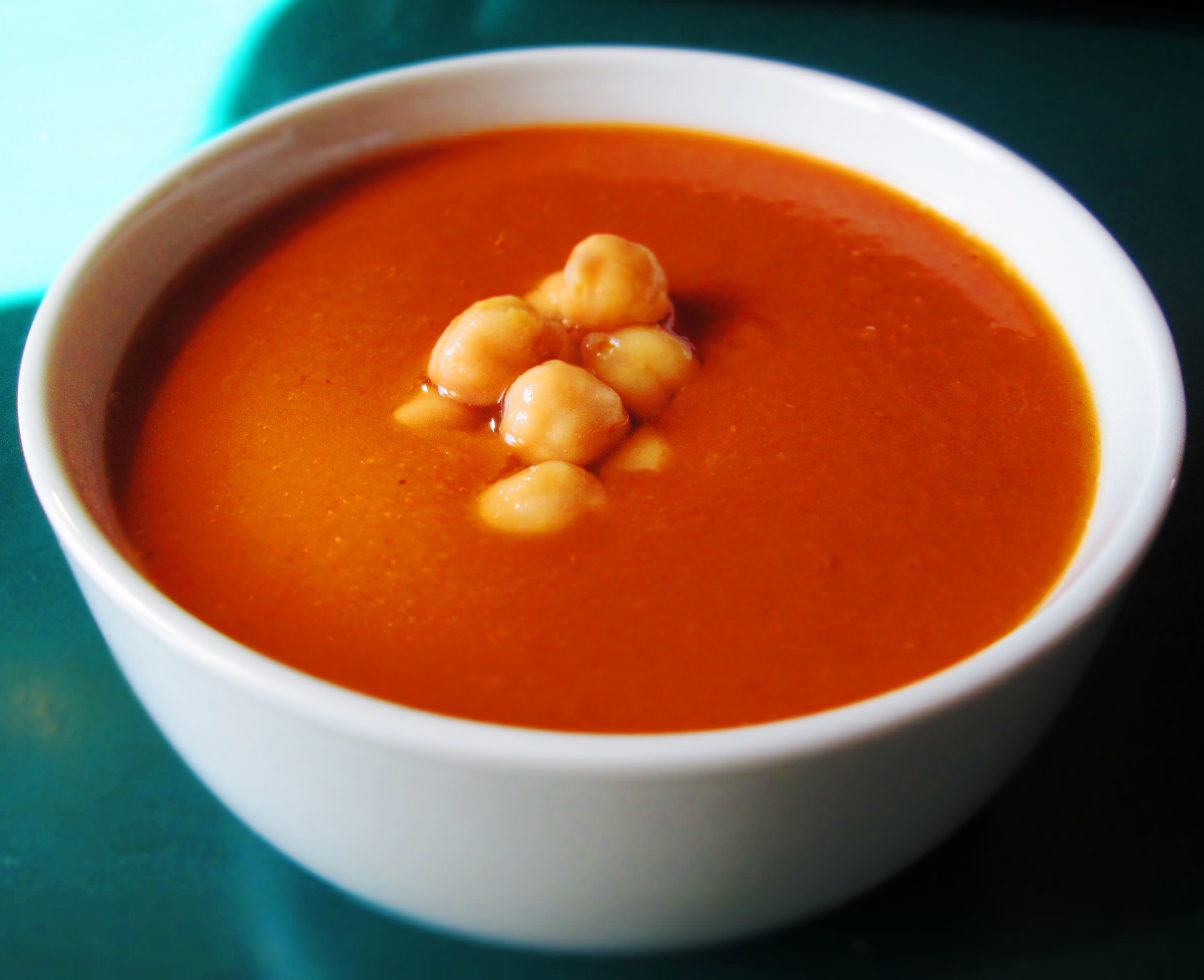
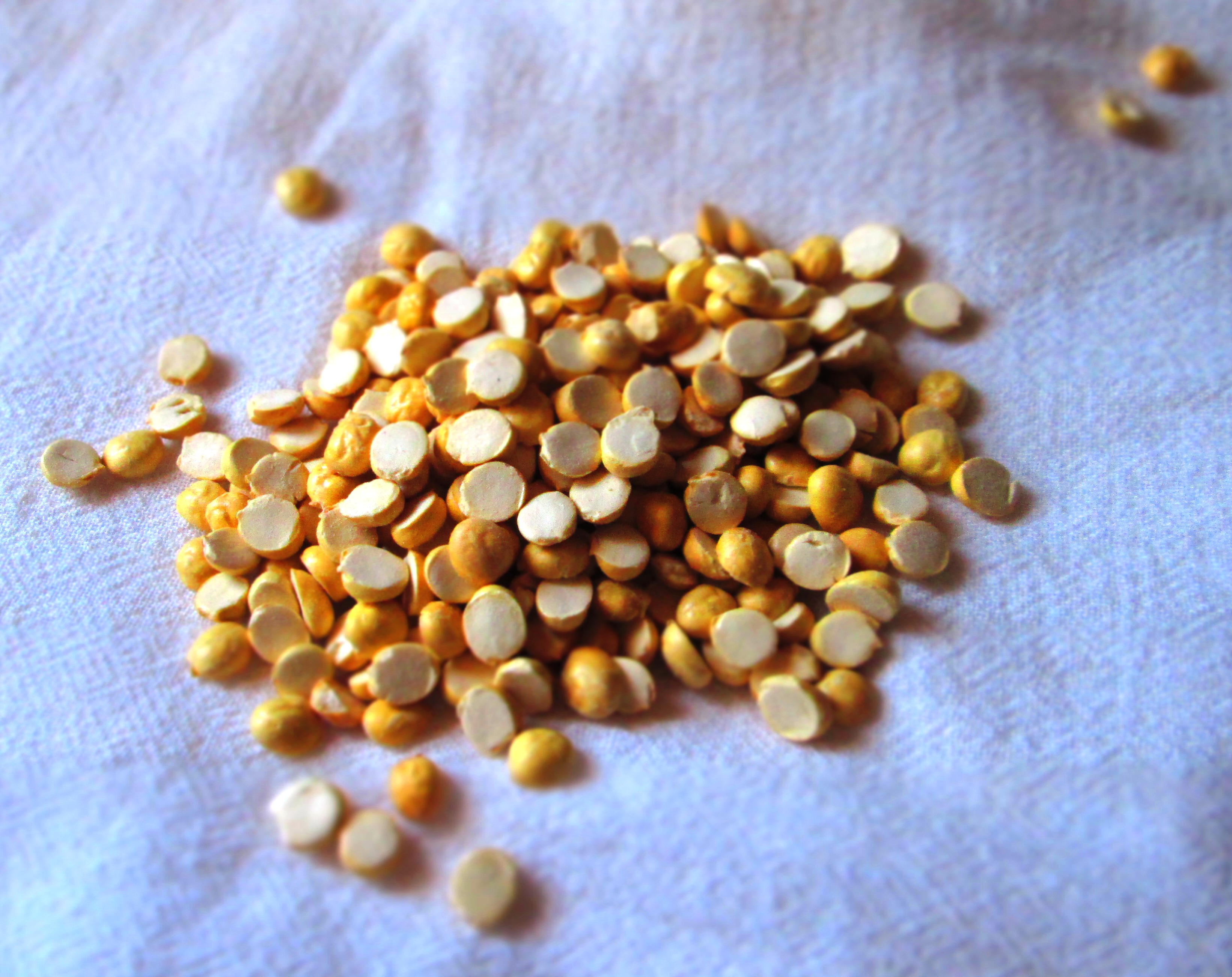
IMG_4715So, I was perusing the bean shelves in my favorite Indian market and found roasted split chickpeas (chana dalia). I’d never seen them before and wondered if they could be cooked just like split green peas. I bought a package and this recipe is the result of my experimentation.IMG_4693The resulting soup is very thick—not just in the viscosity of the soup but the pureed chickpeas themselves leave a thickness on the tongue. Unlike pureed split pea soup, it has a somewhat grainy—but not unpleasant—texture, and the flavor is intensely nutty.IMG_4690

Continue reading


Leave a comment

Sorghum Pilaf

IMG_4640

Sorghum is technically a grass (but for culinary purposes is classified as a grain) that is native to Africa, and was introduced to to the U.S. in the 1800s. It’s always been an important food crop around the world, but in the U.S., it’s been used primarily as animal feed. The exception to this is in the U.S. South, where sorghum molasses is a traditional sweetener, used much in the same way as honey or maple syrup. However, with the rising interest in gluten-free and ancient grains, sorghum is becoming more and more popular as human food in the U.S.IMG_4625

The great thing about sorghum, apart from the fact that it’s gluten free, is that it doesn’t have an outer shell that has to be removed to make it edible. That means that it’s a whole food, and that means that it’s healthy and just plain awesome.
Continue reading