Miz Chef

Cooking Up a Healthy Life


5 Comments

Coconut Rice-Cake Pudding

IMG_5017What is rice-cake pudding? you ask. I’m going to tell you.

I recently found in an Asian market another product that I had never seen before: rice cakes. Not the round disks of puffed rice that dieters have been munching on for decades, but flattened oval, kind of paddle-shaped, disks made from pounded sticky rice. Of course, I bought some.IMG_4999I had absolutely no idea at the time what I was supposed to do with these, so I looked around a bit. I saw a few recipes where the rice cakes are sautéed or stir fried with other vegetables, and that’s something that I’m going to try. But according to the package, they can be fried for a popped rick cake snack, to which you can add “highly tasteful or plain ingredients” for “indeed a favourable dish either for entertainment or for home meal.”IMG_5001Well, how could I not give it a try? I fried a small batch in oil and, as you can see in the photo below, they do puff up. I fried them until they were golden brown, at which point they are quite crisp but hard. Not unpleasantly hard—some people like that, including me. The ones that were more lightly fried had a flakier texture. A sprinkle of sea salt over the top and that was it.

So there you have it for fried rice cakes—a lighter fry for flaky/crispy, a longer fry for crunchy/crispy. (Make sure you dry the rice cakes before putting them in the oil. See note below about soaking.)IMG_5007But what I really wanted to try was rice pudding. Would it taste or be anything like regular rice pudding? I made mine with coconut milk and I can honestly say that it came out pretty darn good. What made it truly different from regular rice pudding, though, was the texture. Because the rice is in the form of these paddles that retain their shape, you have something that requires chewing, not just a mashing, as with regular rice pudding. I’m very much about texture where food is concerned, so I enjoyed this more than I normally enjoy rice pudding (never one of my favorite desserts).

If rice pudding is not usually your thing, whether because of the texture or because it’s a “milky” dish (another reason why I don’t usually care for it), try my recipe below. You might just like it.

So this is my coconut rice-cake pudding. It’s vegan, gluten free, and dairy free. Give it a go, and let me know what you think. Enjoy!

Coconut Rice-Cake Pudding

Note that the rice cakes have to soak in water a minimum of 12 hours or overnight before using them in any recipe.

Makes 2 servings.

2 ounces (about 2 cups) rice cakes
1 cinnamon stick
2 cups coconut milk
½ cup coconut water or plain water
¼- 1/3 cup sugar (based on your sweetness preference)
½ teaspoon kosher salt
½ teaspoon vanilla extract
Garnish: Cinnamon and coconut flakes

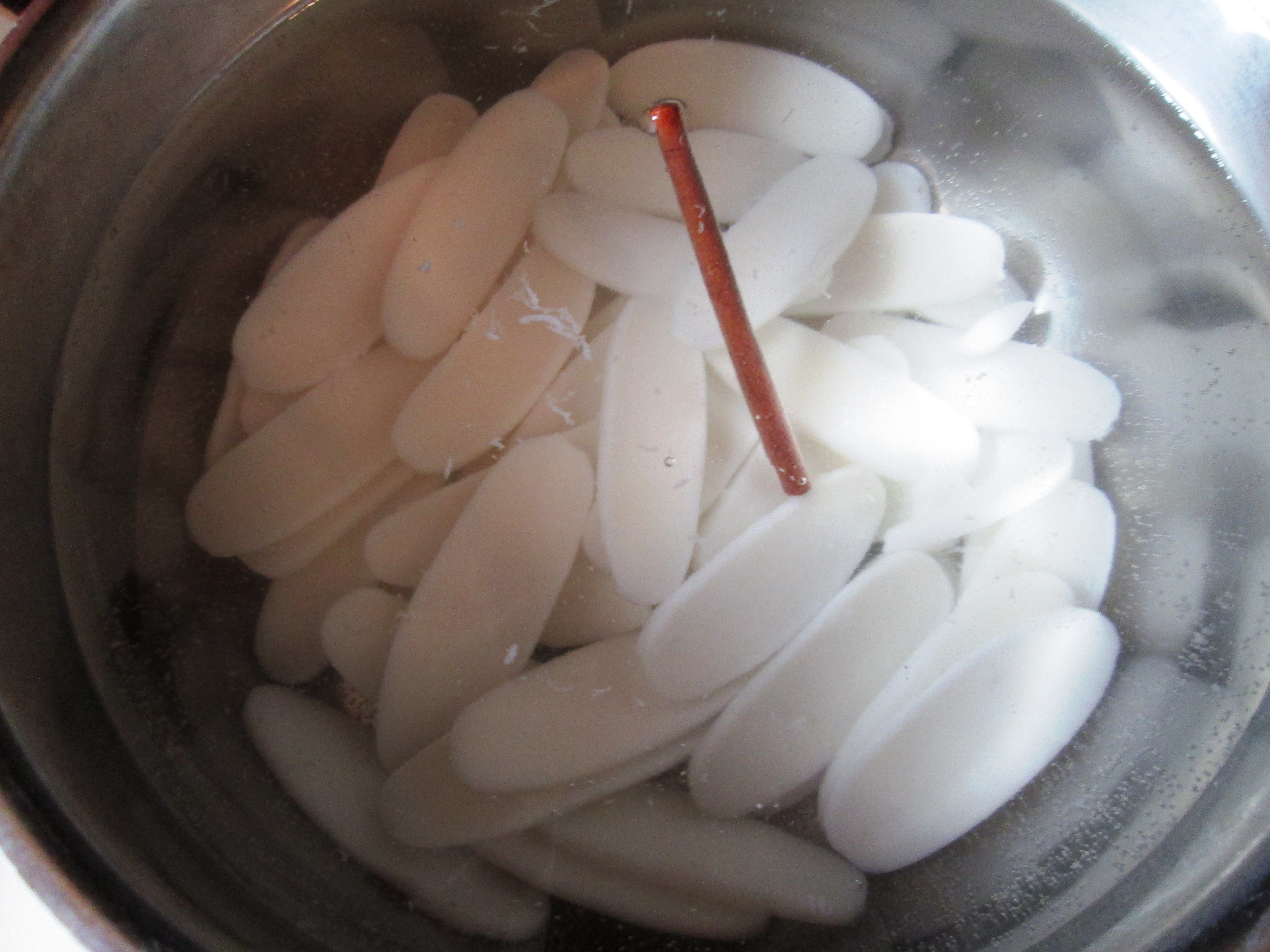
Place the rice cakes in a bowl with enough water to cover by about an inch for a small amount or 2 inches for an entire bag. Cover and let soak in refrigerator at least 12 hours or overnight.

IMG_5003

Rice cakes after soaking overnight

Drain the rice cakes and place them, along with the cinnamon stick, in a medium saucepan with water to cover. Bring to a boil; lower the heat to low and simmer 5 minutes.IMG_5012Drain and return the rice cakes and cinnamon to the pot. Add the coconut milk, coconut water, sugar, salt, and vanilla. Bring to a boil; lower heat to low and simmer, partially covered, until thick and creamy, about 45 to 55 minutes. Stir frequently, especially in the last 15 minutes of cooking.
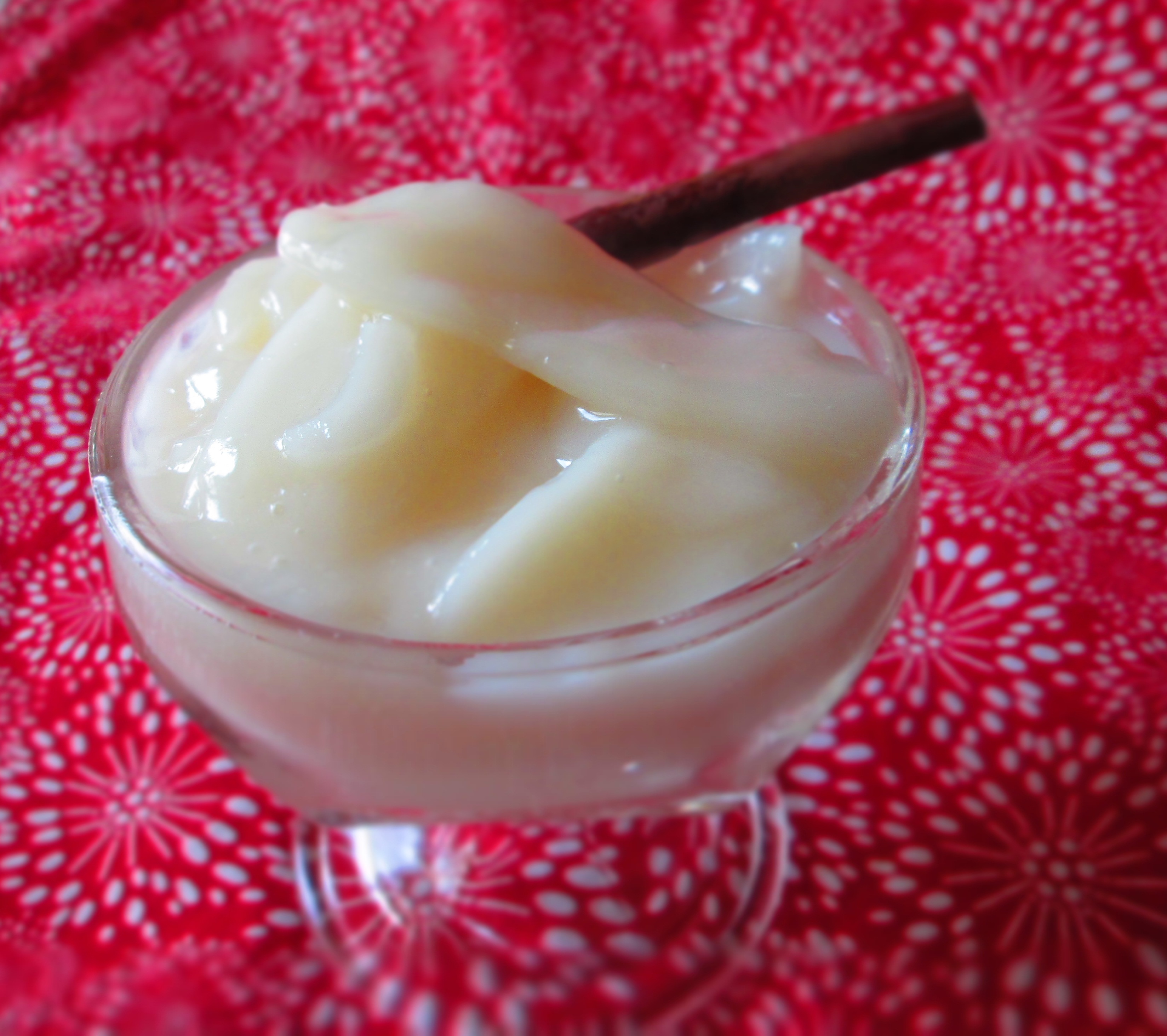
Divide the pudding between 2 pudding dishes and garnish with cinnamon and/or coconut flakes.

(I left my pudding unadorned in the photos so that you can see how the rice cakes retained their shape.)IMG_5024


2 Comments

Bok Choy 2 Ways

IMG_4972Bok choy is part of the brassica family, also commonly called cruciferous vegetables. Other members of the brassica family are broccoli, cauliflower, cabbage, and Brussels sprouts. Cruciferous vegetables are known for their many health advantages, such as fighting cancer, heart disease, osteoporosis, strokes, and bad cholesterol. They are high in soluble fiber, antioxidants (vitamin C and beta-carotene), and the B vitamins.

Most Americans are familiar with bok choy as a vegetable in their stir fries. But it’s also great as a side dish on its own. Here are two very simple and quick ways to prepare bok choy to have with rice or noodles or on the side of just about any entrée.

There are many different types of Asian cabbages, and in an Asian market, you will find many different kinds side by side. All of them can be prepared in these two ways.

For 1 pound bok choy, wash thoroughly (grit gets trapped inside the leaves).

Recipes make approximately 6 servings. Enjoy!

SteamedIMG_4968

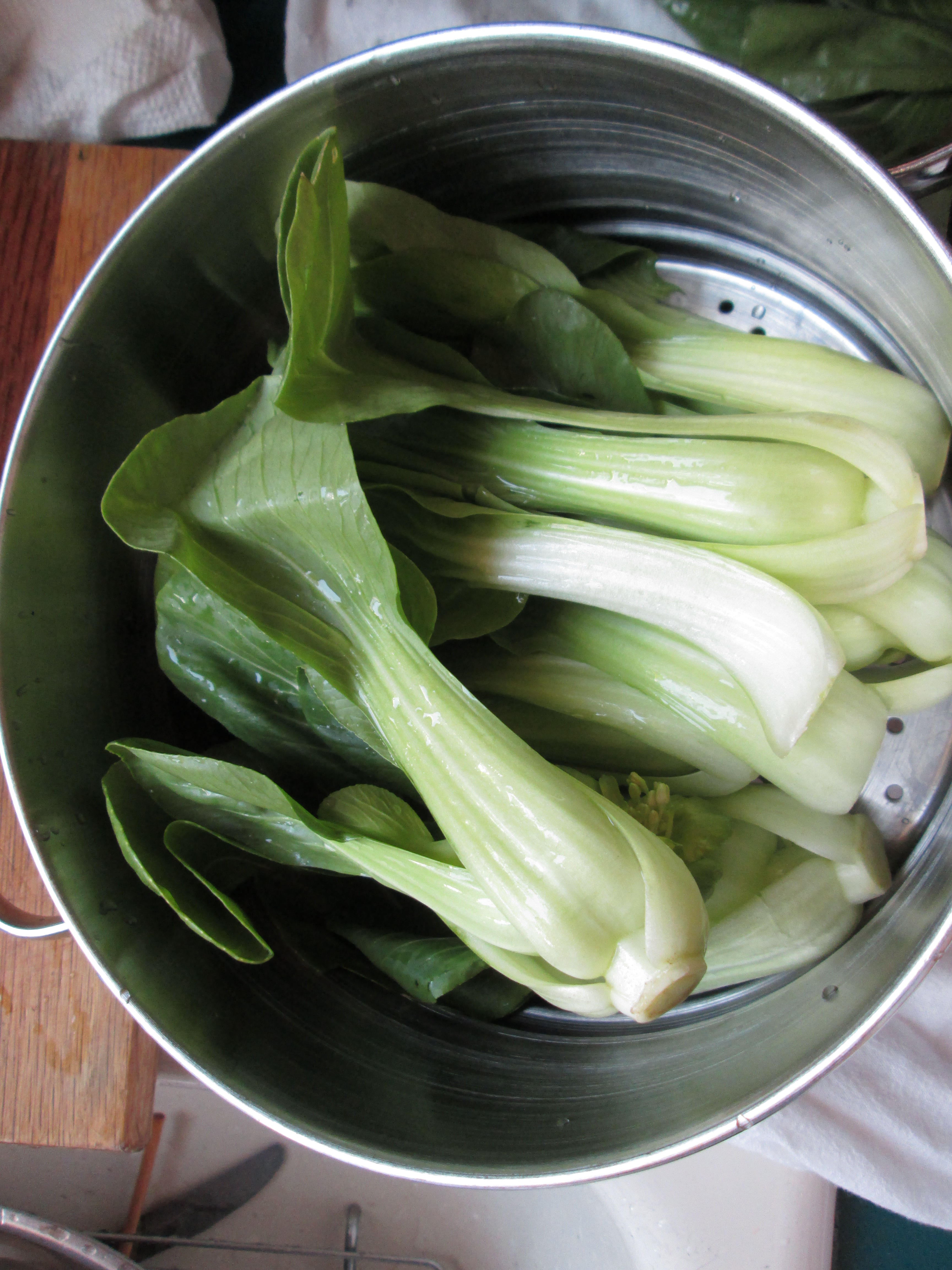
Bring about 1 to 2 inches of water to a boil in the bottom of a steamer pot. Place bok choy in the steamer rack. Lower the heat to medium-low and simmer until bok choy is tender when pierced with a fork, about 10 minutes.Transfer to a serving plate. Sprinkle with salt and pepper, as desired. Drizzle with 1 tablespoon toasted sesame oil. Serve hot.IMG_4977

Roasted

Preheat oven to 350 degrees. F.

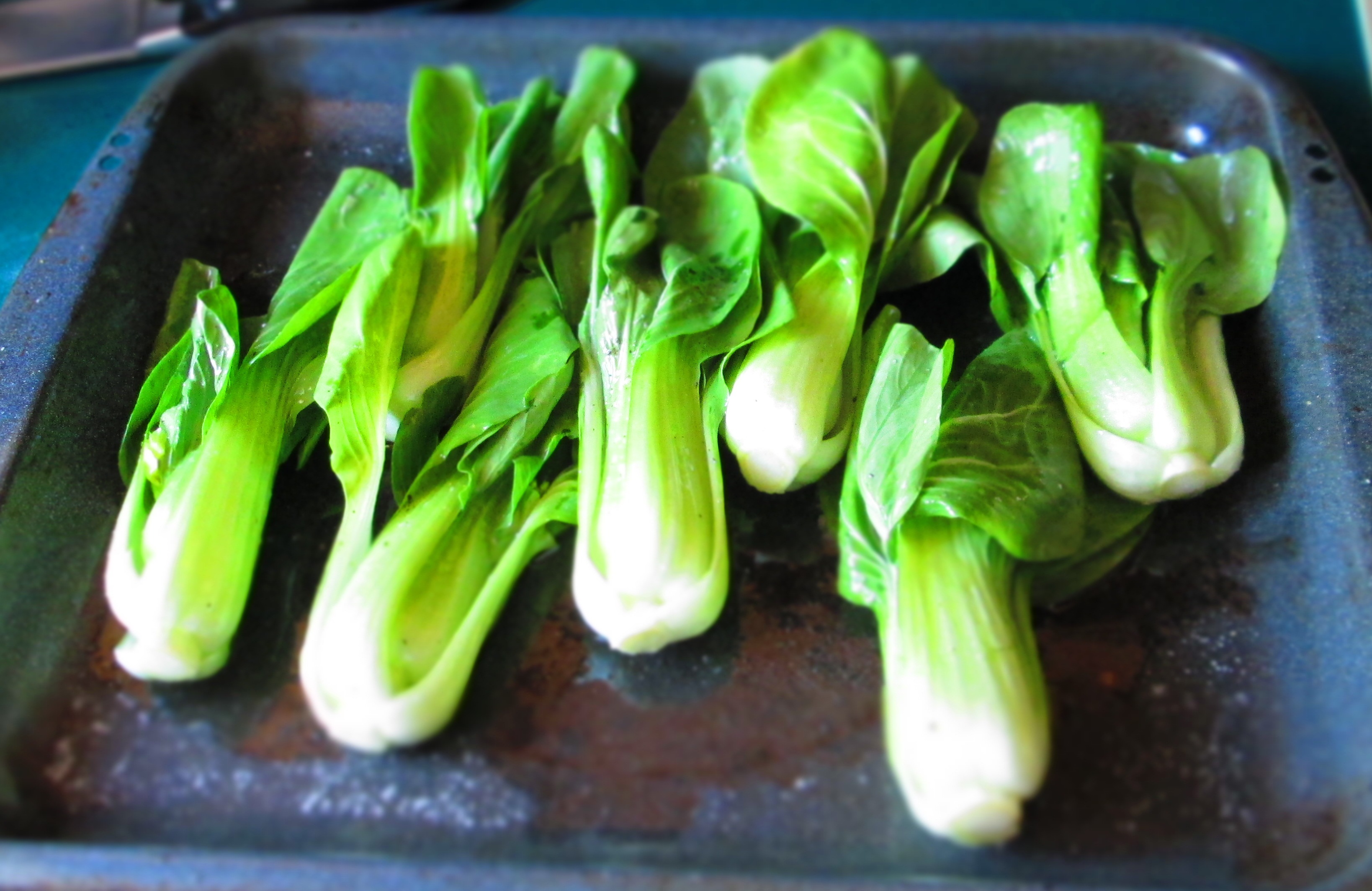
Thoroughly dry bok choy on kitchen towels. Place bok choy in a roasting pan. Pour about ½ cup olive oil over them, 2 teaspoons kosher salt, and freshly ground black pepper to taste. Mix everything together with your hands, making sure that all bok choy leaves are coated with oil. Spread them out as evenly as possible in the baking pan.IMG_4974

Roast until they’re tender and begins to brown, about 10 to 15 minutes. Turn them over and roast another 5 minutes to brown other side. Transfer to a serving platter. Serve hot. IMG_4981


4 Comments

Gluten-Free Buttermilk Coconut-Almond Cake

IMG_4878

In the world of gluten-free baking, things can get complicated. Without wheat flour, you need the right combination of ingredients to create a a cake that is light and flavorful, that has good texture and pleasant mouthfeel. A gluten-free cake can very easily be heavy, dense, bland, gritty, flat, and, at its worst, taste like sawdust.

But when the ingredients come together well, you have something that rivals traditional wheat-flour cake. It won’t taste exactly the same, but it’s just as good.

Continue reading


Leave a comment

Blue Corn Muffins


IMG_4771For some reason, I got it into my head that I wanted to make blue corn muffins, and what follows is my recipe.

But first, let’s talk about corn. Corn is, unfortunately, one of the most genetically modified crops in the United States. Unless you buy corn that is specifically labeled organic, you can be absolutely certain that the corn you just purchased has been genetically modified. And it isn’t just the corn that you eat, it is also the corn that is fed to the animals that you eat, and that means animal products as well—i.e., eggs, cheese, yogurt, etc.IMG_4718

Organic products aren’t cheap, though. Some people who are health conscious but can’t afford to go totally organic have a list of products that, if nothing else, they always buy organic. If you are one of those people, keep corn on that list.

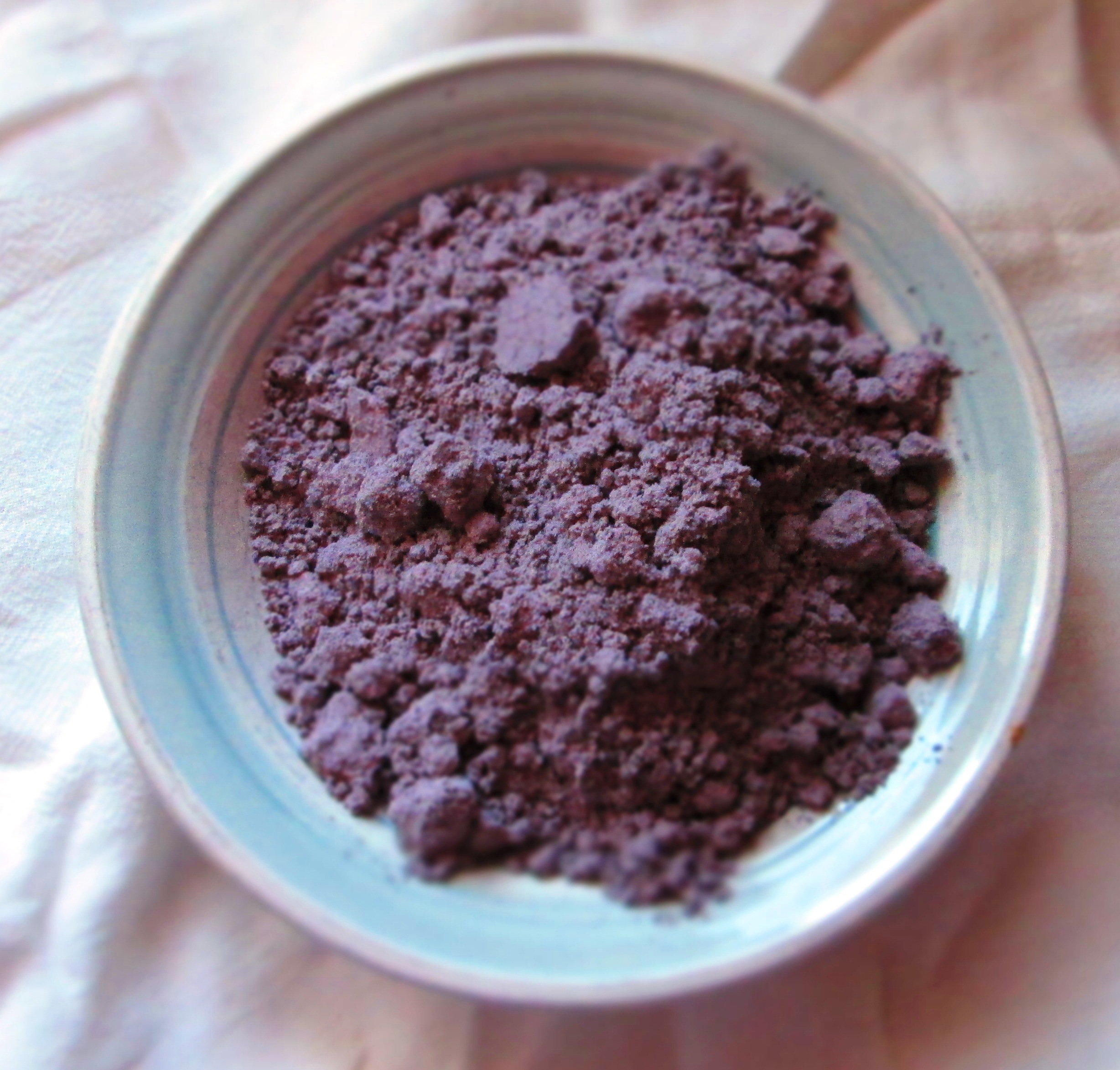
Organic blue cornmeal is available (Arrowhead Mills has it and can be found in Whole Foods, other natural food markets, and sometimes well-stocked supermarkets). However, I wasn’t able to get my hands on organic blue corn meal in time to make the muffins when I wanted to make them. So, I made the conscious decision to use blue corn meal that I picked up at a Latin supermarket near where I work. Having said that, I urge you to use organic corn—in all its forms—whenever possible.IMG_4720

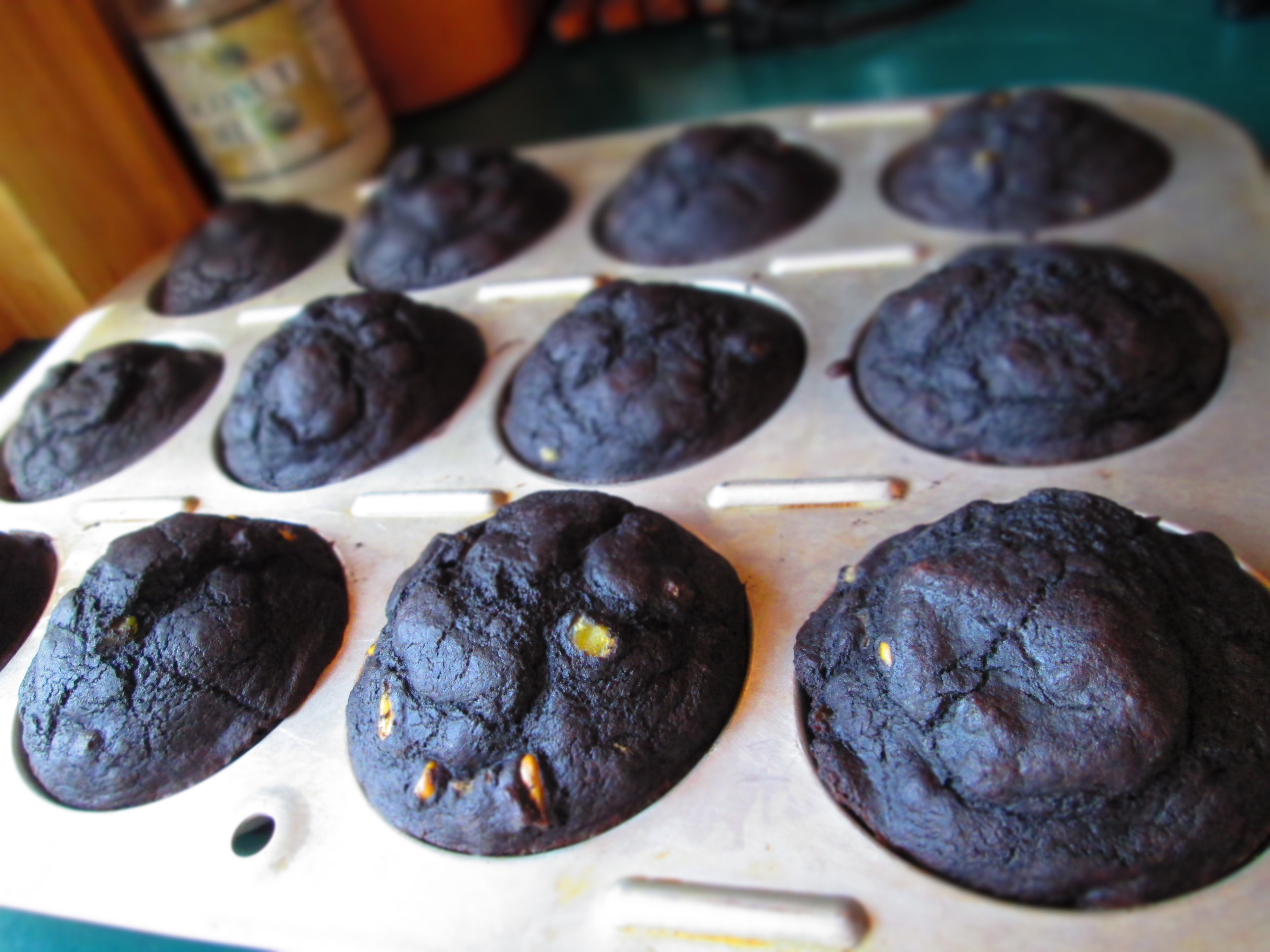
Now, onto the recipe. Blue corn meal makes for a beautiful purple batter, but the final product isn’t as vibrant. It’s usually a light lavender color. I’m not quite sure why mine came out so much darker than the average blue corn muffin—I suspect that my ratio of cornmeal to all-purpose flour was too high. Nevertheless, I decided that I like them and am keeping the recipe as is—at least for now. I like to add corn to the batter for an extra bit of texture, but you can omit it if you like.

Next time, I’m going to do a gluten-free version. Enjoy!

Blue Corn Muffins

Makes 12 muffins.

1½ cups blue cornmeal
½ cup all-purpose flour
1/4 cup grapeseed (or other) oil
2 teaspoons baking powder
1 tablespoon sugar
1 1/4 teaspoons salt
1/2 teaspoon baking soda
1 cup buttermilk
2 medium eggs
1 cup corn

Preheat oven to 425°F. Grease the cups of a medium 12-cup muffin tin, or line them with paper cupcake wrappers.

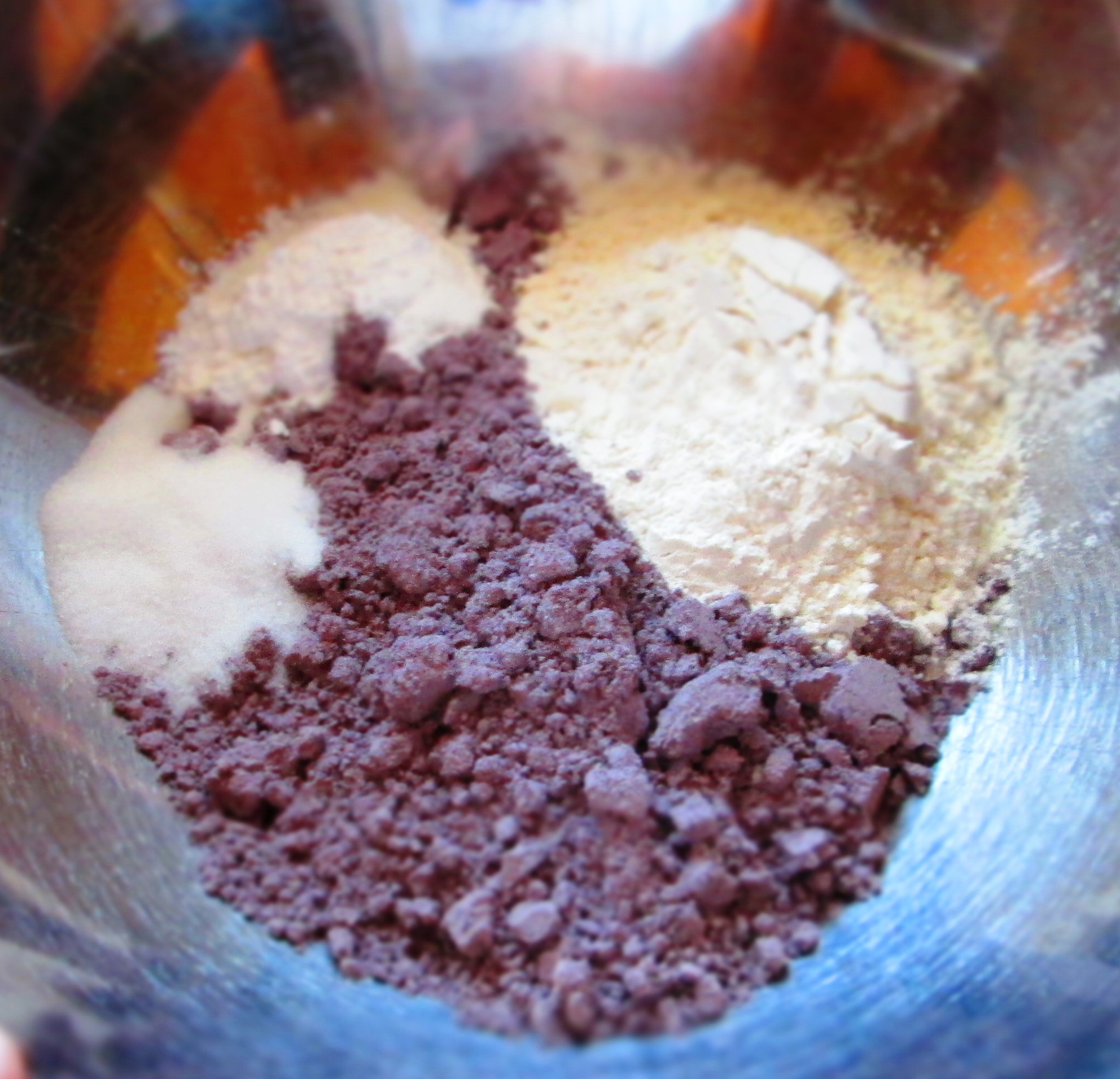
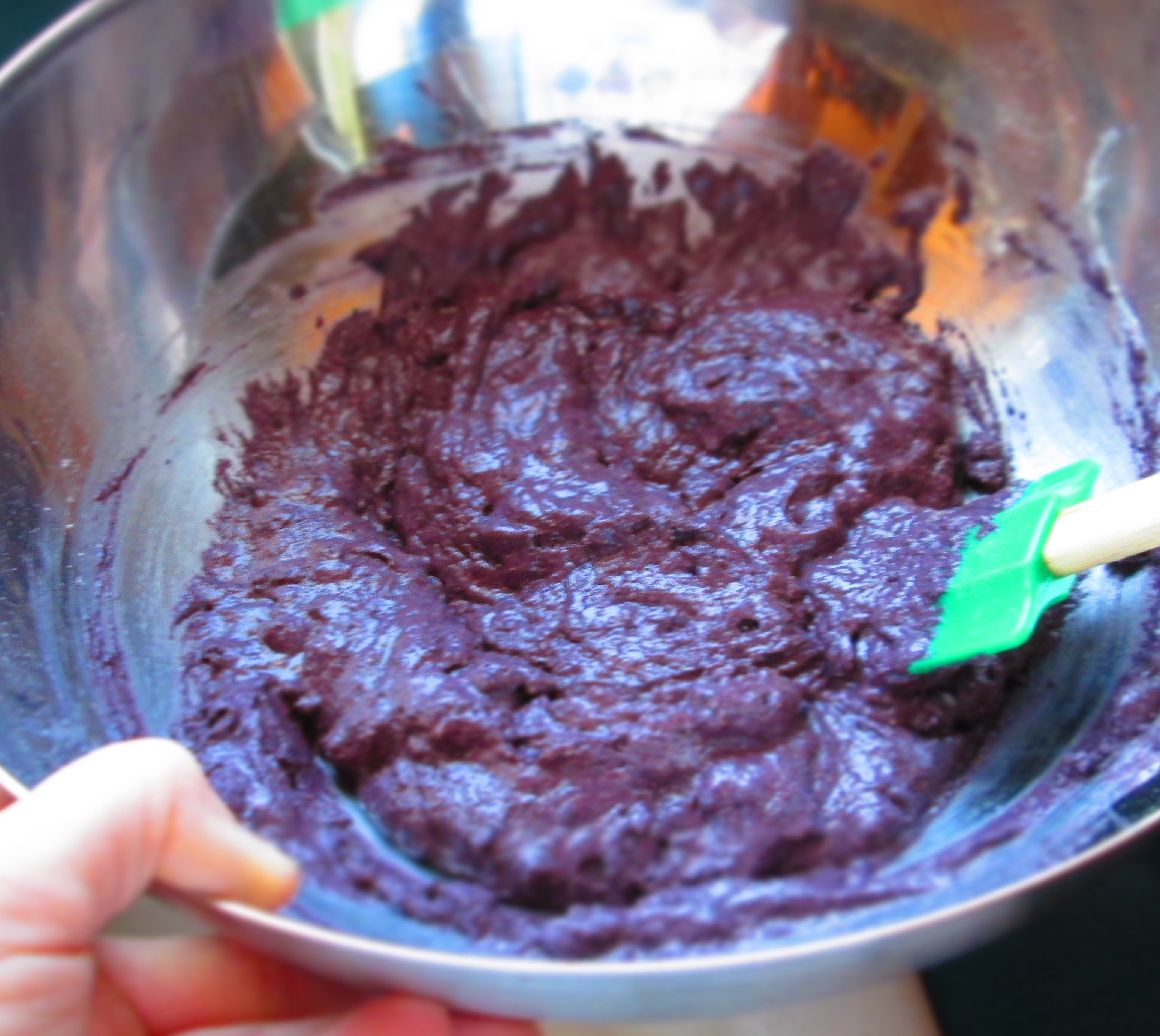
In large bowl, mix all the ingredients, except the corn, with spoon or rubber spatula just until mixed.IMG_4742IMG_4750Fold in the corn, if you’re using it.IMG_4751Fill the muffin cups equally. Bake 20 to 25 minutes or until a toothpick inserted into the center comes out clean. Place the tin on a rack and let cool. If you try to remove them immediately, they’ll crumble. If you have to, run the tip of a knife around the edges to loosen them.IMG_4759Turn them out onto the rack. Serve warm or at room temperature.IMG_4762Enjoy with butter and jam.


4 Comments

Almond-Lucuma Cake

IMG_4798 _V2

Photo: Akramm via Wikimedia Commons

Photo: Akramm via Wikimedia Commons

If you haven’t heard of lucuma, it’s because it’s a fruit indigenous to Peru, Chile, and Ecuador that hasn’t really had much play outside of its native region, especially since it only thrives in subtropical climates. It has a dark green skin, and a pit (sometimes two) that look like avocado pits. Its yellow flesh is dry and often compared to hard-boiled egg yolk, and its mild flavor has been likened to maple syrup, caramel, and sweet potatoes.

Indigenous Andean peoples used lucuma not just as food but medicinally as well. The Incas believed it to be a symbol of fertility and creation and it was dubbed “Gold of the Incas.” Modern studies of lucuma show that the fruit contains beta carotene, iron, zinc, vitamin B3, calcium, and protein. It aids in warding off heart disease and hypertension, maintaining skin health and blood sugar levels (and it is hoped that it will help people with diabetes), and supporting healthy digestion.lucuma[1]
Continue reading


2 Comments

Split Chickpea Soup

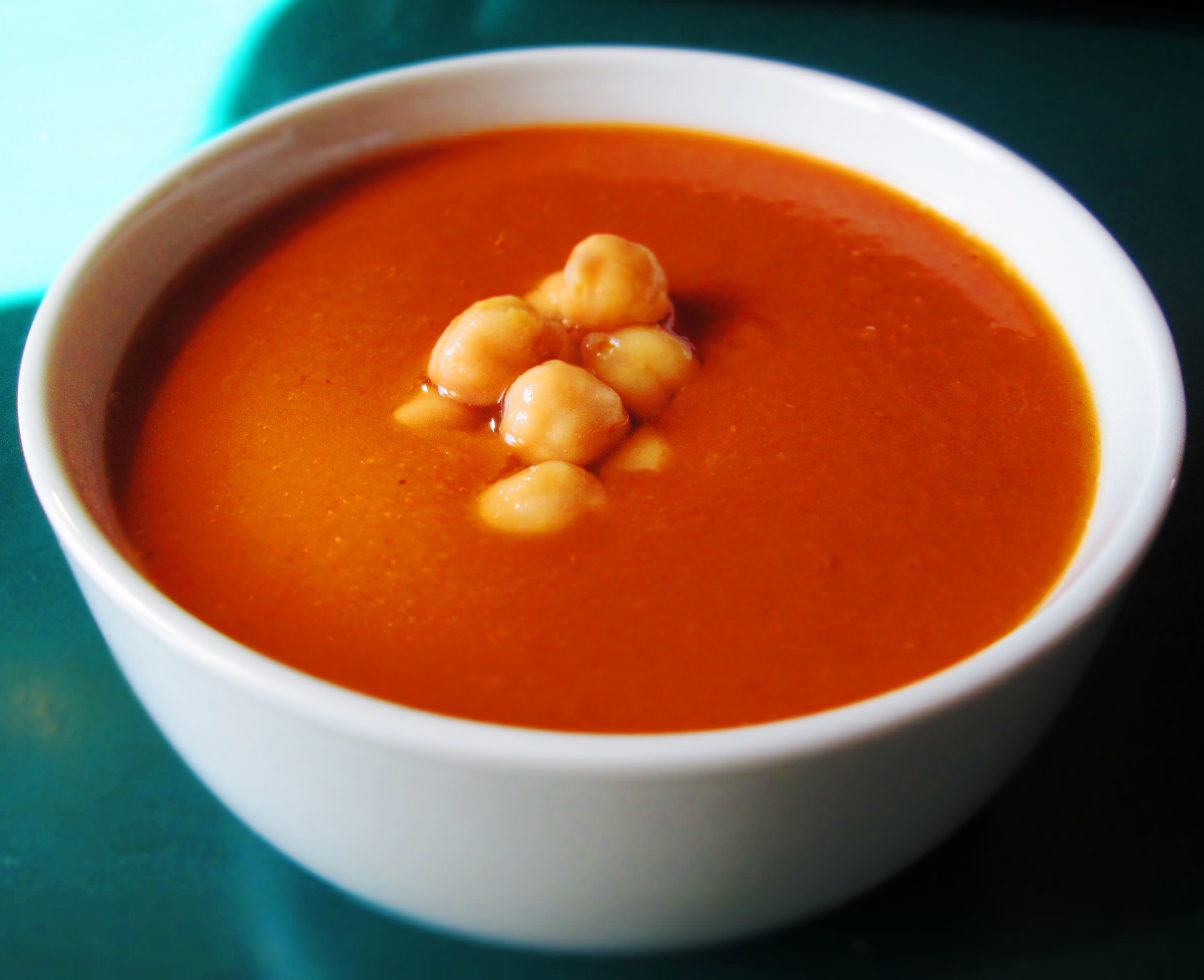
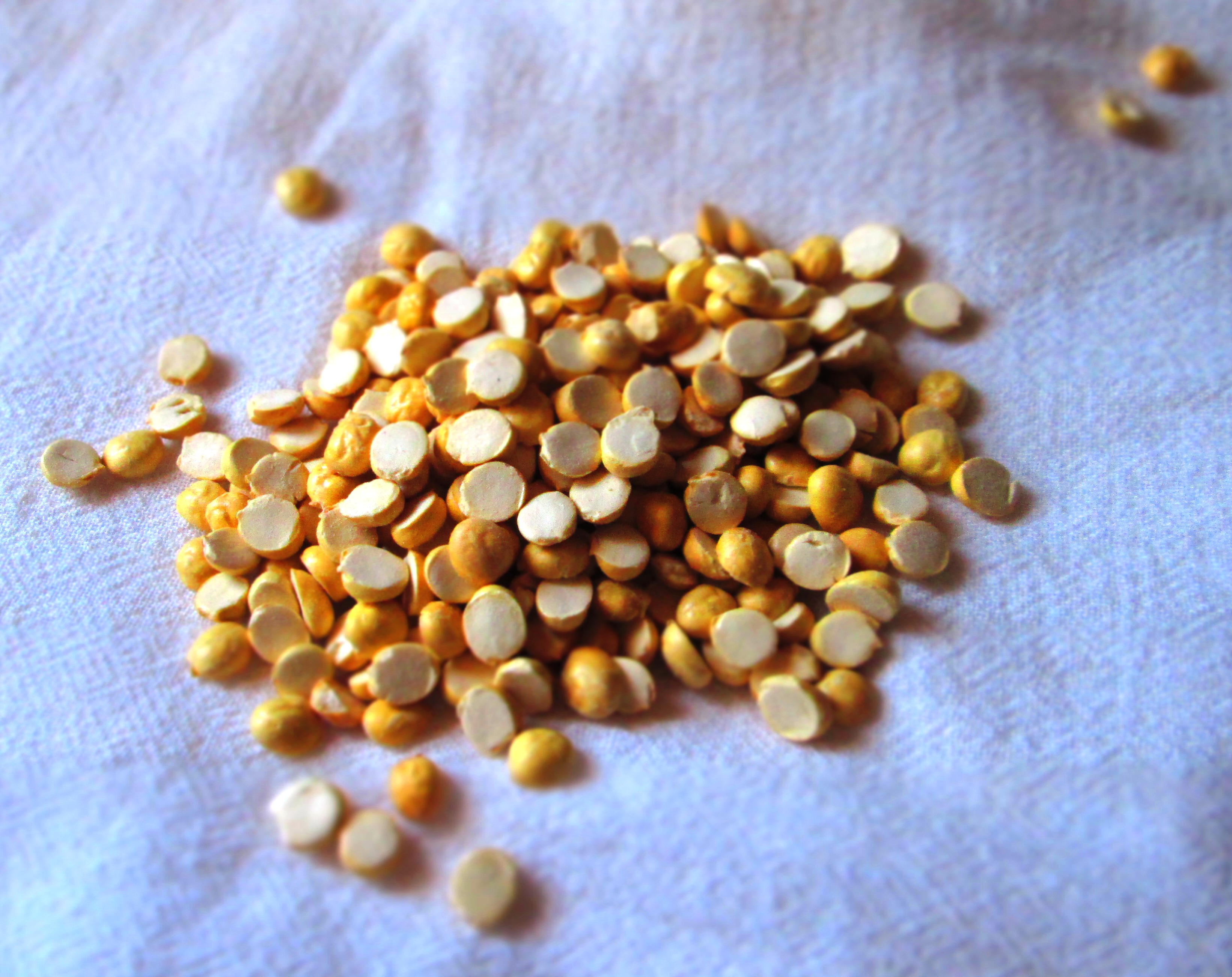
IMG_4715So, I was perusing the bean shelves in my favorite Indian market and found roasted split chickpeas (chana dalia). I’d never seen them before and wondered if they could be cooked just like split green peas. I bought a package and this recipe is the result of my experimentation.IMG_4693The resulting soup is very thick—not just in the viscosity of the soup but the pureed chickpeas themselves leave a thickness on the tongue. Unlike pureed split pea soup, it has a somewhat grainy—but not unpleasant—texture, and the flavor is intensely nutty.IMG_4690

Continue reading


Leave a comment

Sorghum Pilaf

IMG_4640

Sorghum is technically a grass (but for culinary purposes is classified as a grain) that is native to Africa, and was introduced to to the U.S. in the 1800s. It’s always been an important food crop around the world, but in the U.S., it’s been used primarily as animal feed. The exception to this is in the U.S. South, where sorghum molasses is a traditional sweetener, used much in the same way as honey or maple syrup. However, with the rising interest in gluten-free and ancient grains, sorghum is becoming more and more popular as human food in the U.S.IMG_4625

The great thing about sorghum, apart from the fact that it’s gluten free, is that it doesn’t have an outer shell that has to be removed to make it edible. That means that it’s a whole food, and that means that it’s healthy and just plain awesome.
Continue reading


Leave a comment

Colcannon—An Irish Mash

Irish cuisine is traditionally hearty and to the point. Years of impoverishment and famine led to honest cooking that holds the utmost respect for the food being used. In other words, food was not taken for granted. And it made use of foods that were available—the crops that would easily grow in the Irish terrain and the livestock that were raised in the countryside.potatoes

The food probably most associated with Ireland is the potato. Potatoes were introduced in the 16th century and because they grew abundantly and cheaply, they became the most important crop in feeding the masses, which is why when a blight destroyed potato crops in the mid-1800s, famine decimated the population.

Another important item in Irish cuisine is cabbage. It, too, grows abundantly and cheaply and, like potatoes, lasts a long time in storage. Sometimes kale is used, or other members of the cabbage family.AU_MAR~1

Colcannon became known in the 18th century, but some food historians believe that it existed before then. It combines these two staple ingredients in the simplest, most basic of ways: boiled and combined into a mash. Okay, there’s a bit more to it than that, but not much. The potatoes and cabbage are flavored by sautéed leeks and enriched with butter.

For a little more in-depth history of Irish cuisine, and specifically colcannon, check out FoodTimeline.org or DoChara.com.

So, make this traditional Irish dish for St. Patrick’s Day and may the luck o’ the Irish be with you.

Erin go bragh.

(This recipe will be appearing in one of my upcoming cookbooks, so please do not reprint it in any format without express written permission.  That doesn’t mean you shouldn’t print it out–you definitely should! Thanks!)
Colcannon

Colcannon
Mashed Potatoes and Cabbage

4 cups thinly sliced cabbage
1 tbsp + 1 tsp salt
2 large potatoes, quartered
2 tbsp butter
1 cup milk
Pepper to taste
1 tbsp canola oil
2 large leeks, washed and sliced
2 tbsp minced parsley for garnish (optional)

Bring a large pot of water to a boil; add the cabbage and 1 tsp salt. Lower the heat to medium-low and boil until tender, about 12 to 15 minutes. Drain well.

At the same time, place the potatoes in a medium pot and cover with water. Bring it to a boil; lower the heat to medium-low, partially cover, and boil until tender when pierced with a knife, about 15 to 20 minutes. Drain, peel, place in a bowl, and coarsely mash. Add the milk, butter, ½ tablespoon of the salt, and pepper and mix well.

Heat the oil in a wide pan. Add the leeks and sauté until soft and golden brown, about 15 minutes. Add the cooked cabbage and remaining salt and sauté over medium-high heat, stirring often, until cabbage starts to brown. Add to the mashed potatoes and mix well. Taste for seasoning and adjust, if necessary. Transfer the colcannon to a platter. Garnish with parsley and serve hot.

Makes 6 to 8 servings.


Leave a comment

Creamy Roasted Cauliflower Bisque

IMG_4620

I had no plans for cauliflower over the course of my very busy weekend, but when I saw big, beautiful heads of cauliflower in the store the other day, I couldn’t resist buying one.

It’s cold, snowy, wintry weather, and days like this just scream soup, and what I wanted was a creamy bisque. But before I get to my recipe, let’s talk a bit about this wonderful cruciferous vegetable.

Cauliflower is part of the Brassicaceae family and is related to cabbage, broccoli, Brussels sprouts, bok choi, collard greens, and some other leafy green vegetables. In my cookbook, Vegetarian Italian: Traditions, Volume 1, I talk a little bit about the history of cauliflower and its health benefits:
Continue reading


Leave a comment

Gluten-Free Lemon-Poppy Berry-Topped Cake

IMG_4573

On this deep-in-winter February day, I’d like to offer a recipe for a gluten-free cake that is really easy to make and very versatile. The batter doesn’t rise much, which makes it a great vehicle for all kinds of toppings.

I like it because it’s not overly sweet and it can be paired with lots of different things. Instead of berries, you can top it with lemon curd or orange marmalade, or buttercream frosting. You can put the batter into 4 small loaf pans for individual desserts. You can also substitute the lemon zest and juice with orange or other citrus. And with the exception of 1 egg, it’s also dairy free, so for those of you who are lactose intolerant, it’s a great choice.

Enjoy!

Gluten-Free Lemon-Poppy Berry-Topped Cake

Makes 1 8-inch cake.¼ cup sorghum flour

¼ cup chickpea flour
2 tablespoons tapioca flour
2 teaspoons baking powder
1 teaspoon baking soda
Pinch sea salt
2 teaspoons lemon zest
2 tablespoons poppy seeds
1 large egg
¼ cup plus 2 tablespoons maple crystals or coconut sugar
¼ cup plain yogurt
1 tablespoon melted coconut oil
2 tablespoons fresh lemon juice
2 cups fresh berries
2 tablespoons confectioners’ sugar (optional)

Preheat oven to 350 degrees. Grease an 8-inch cake springform pan.

In a medium bowl, whisk together flours, baking powder, baking soda, salt, zest, and poppy seed.

In another medium bowl, whisk egg, sugar, yogurt, oil, and lemon juice. Fold in dry ingredients, just until all ingredients are moistened.

Bake about 25 to 30 minutes, or until a toothpick inserted in center comes out clean. Transfer to a wire rack and let cool 5 minutes. Remove ring. Invert onto a plate, remove pan plate, then invert again back onto rack. Let cool completely.

Transfer to a plate. Decorate with berries and dust with confectioners’ sugar, if desired. (The best way to do this is to put sugar in a fine mesh sieve set over a bowl. Then shake the sieve gently over the cake.)

IMAG2572